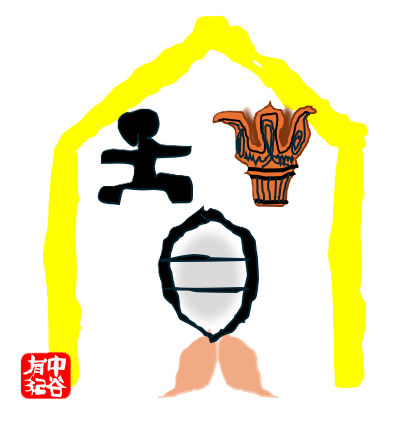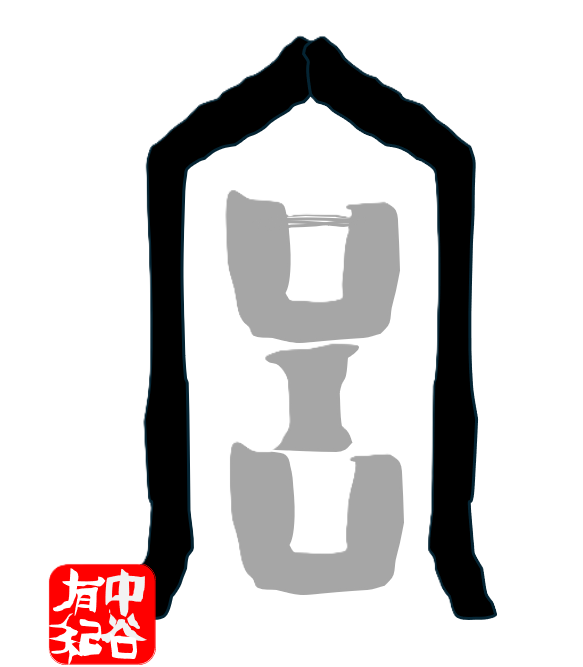
At the top of this character is the “roof” radical, and below it is a symbol representing a person’s backbone. Together, they depict a grand building that houses royalty or religious figures, giving the character the meaning of “palace.”
The short story of Kanji pictures
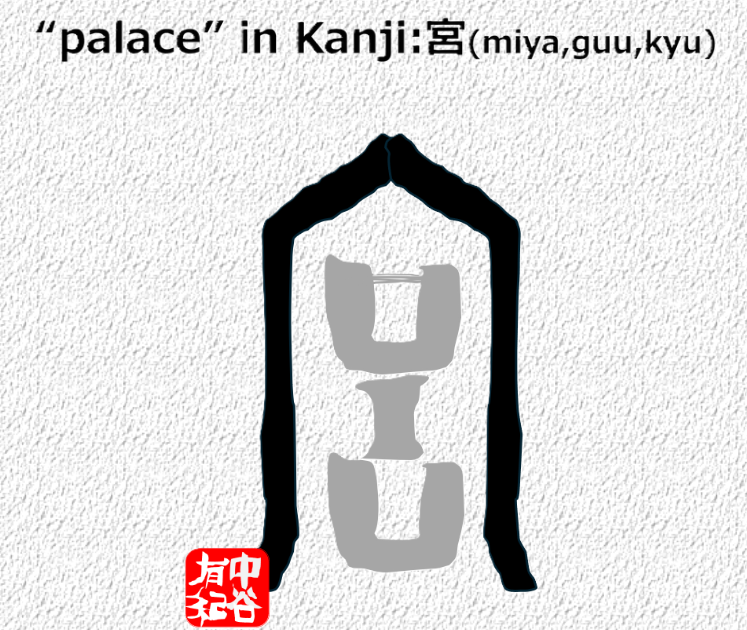
At the top of this character is the “roof” radical, and below it is a symbol representing a person’s backbone. Together, they depict a grand building that houses royalty or religious figures, giving the character the meaning of “palace.”
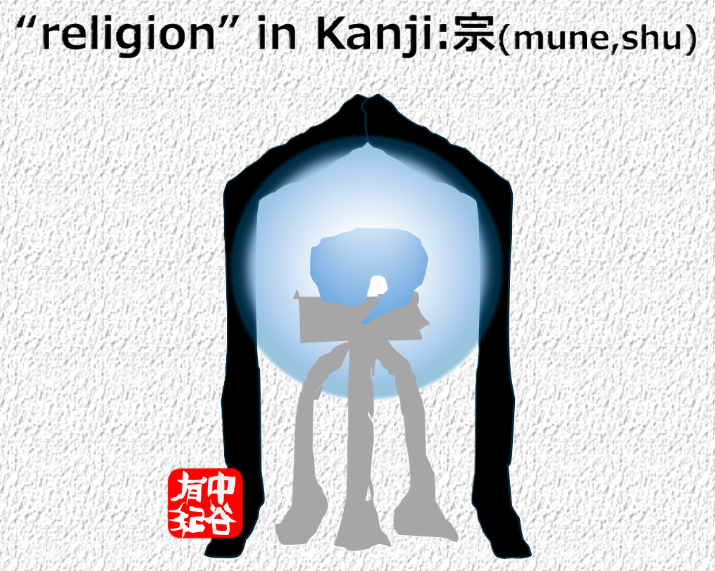

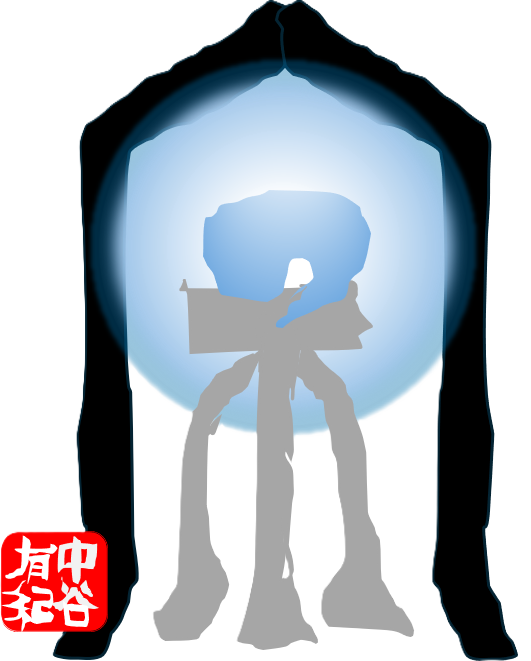
This character combines the “roof” radical with an altar for gods and ancestors below. Symbolizing a private place of prayer, it evolved to mean “religion” or “spiritual teachings.”
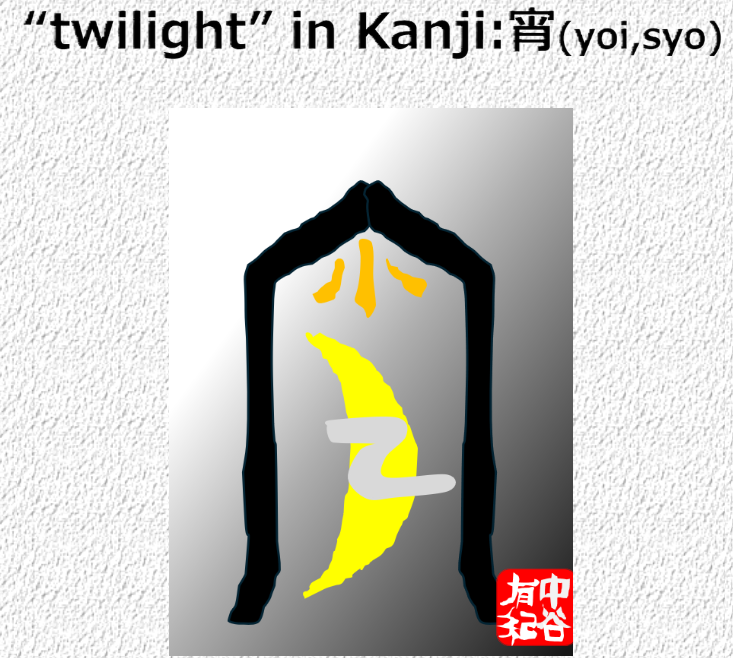

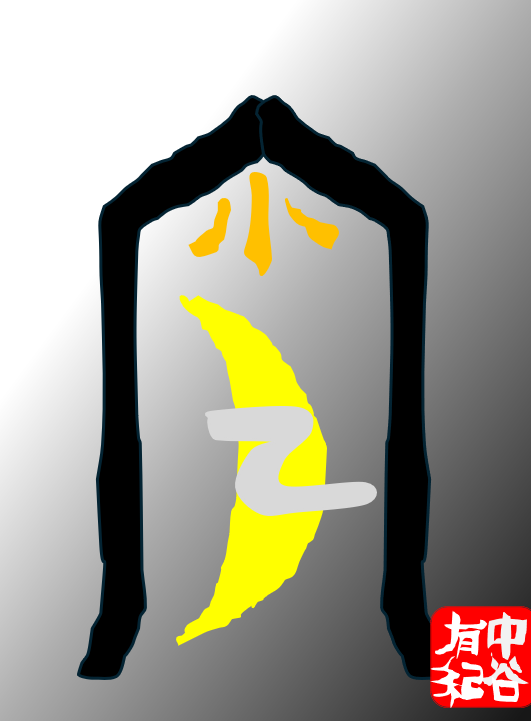
At the top of this character is the “roof” radical, and below it is the “moon” radical topped with a small light symbol. Together, they depict faint light entering a house at dawn, giving the character the meaning of “early morning” or “twilight.”


This kanji is composed of the ‘roof’ radical (representing a grand palace or hall) and a symbol representing sound or wind spreading widely. It abstractly depicts a voice or proclamation echoing throughout a large room. Originally, it meant to proclaim an official decree throughout a palace, which eventually came to mean ‘to declare’ or ‘to announce’ publicly.
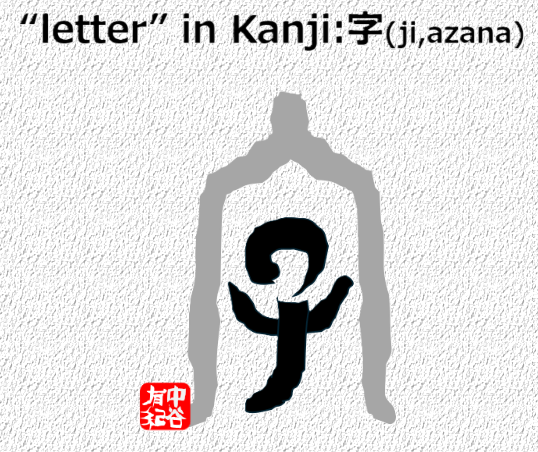

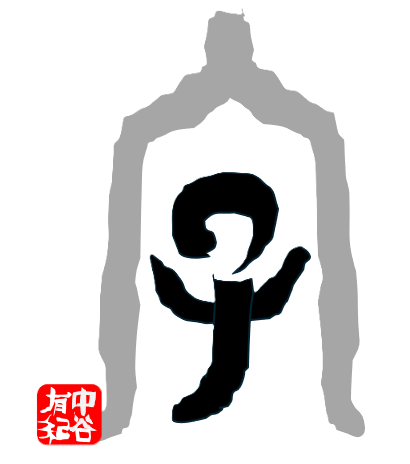
This kanji depicts a baby inside a house under a roof. Originally, it meant ‘to raise or nurture a child.’ By extension, it came to mean the name given to a child, and eventually came to refer to written characters or ‘letters’ as we know them today.
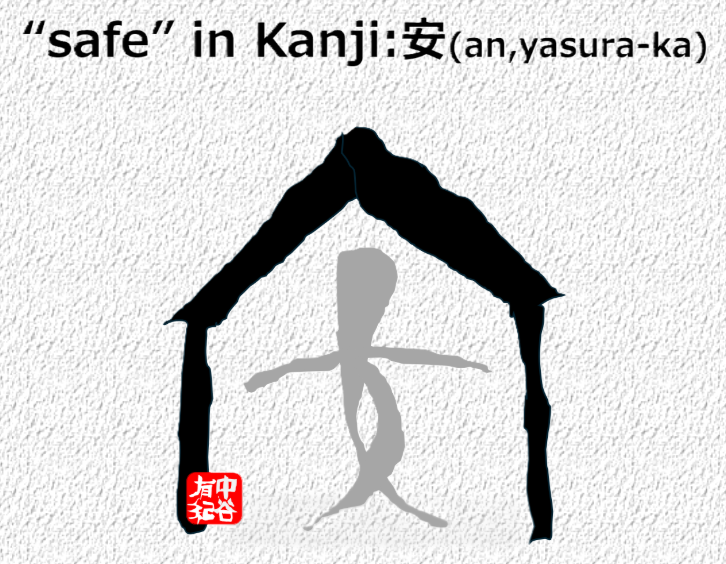

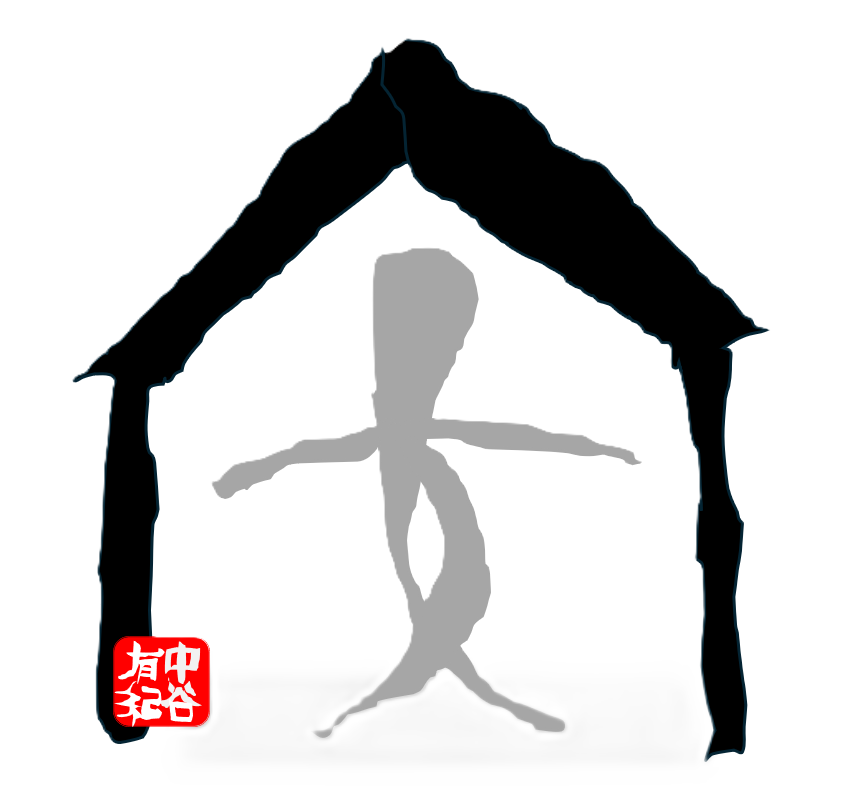
This kanji depicts a woman feeling relaxed under the roof of a house. Therefore, it carries the meaning ‘safe’ or ‘peaceful’.
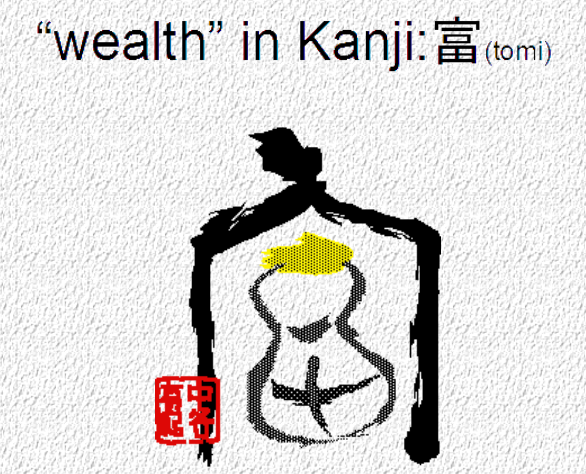

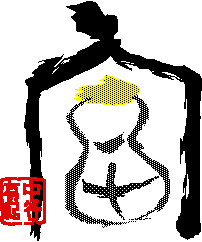
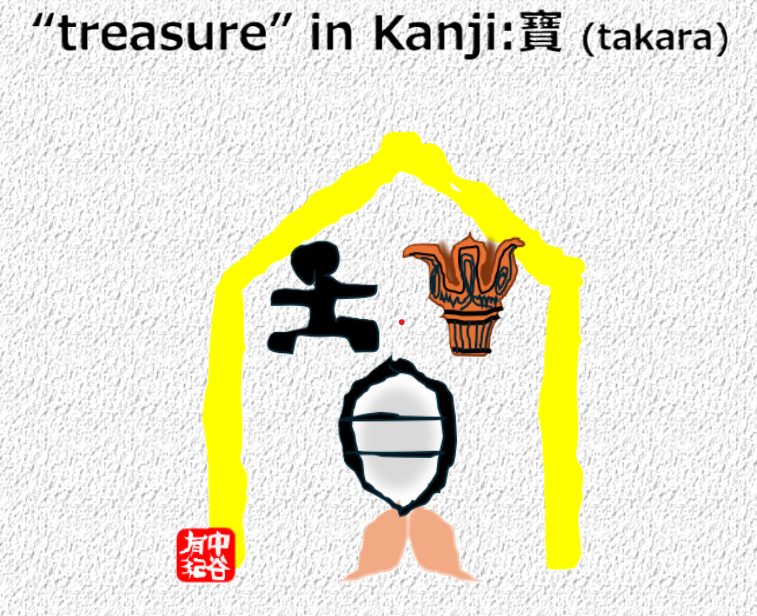
In this figure, you can see a large bottle resting beneath a grand roof. Just as you might imagine, that bottle is filled with a treasure trove of money. In ancient times, this is exactly how people saved their wealth. Therefore, this character remains the ultimate symbol for ‘wealth’ even today.
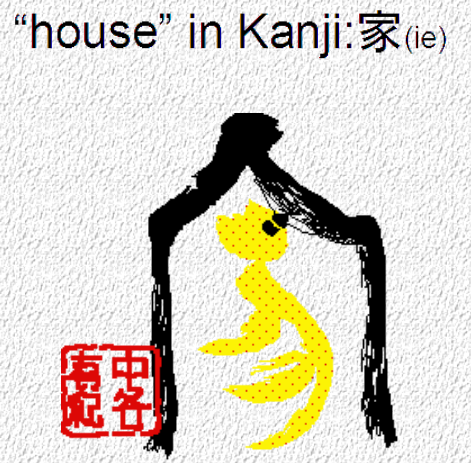

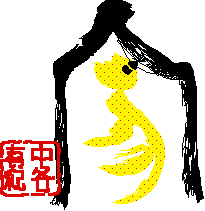
This kanji is one of the oldest types of characters. You can see a ‘PIG’ nestled safely under a ‘BIG ROOF.’ In ancient times, humans and animals lived together under the same roof every single day. That is why this symbol of shelter and togetherness means ‘HOUSE’ in Japanese!
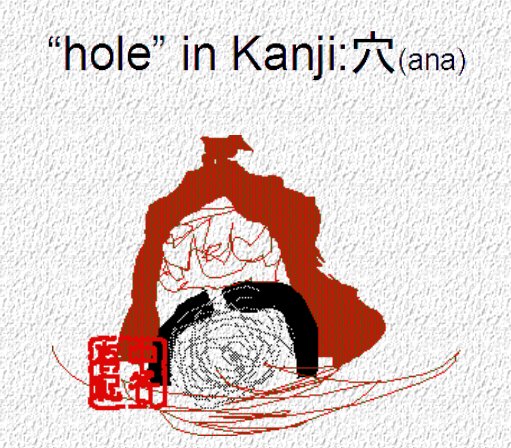
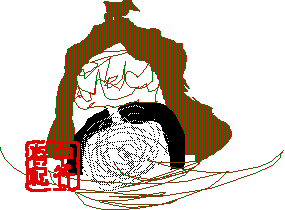
Here, you can see a large rock with a hole in it. This kanji actually means ‘hole,’ which symbolizes a dugout house from the primitive era.