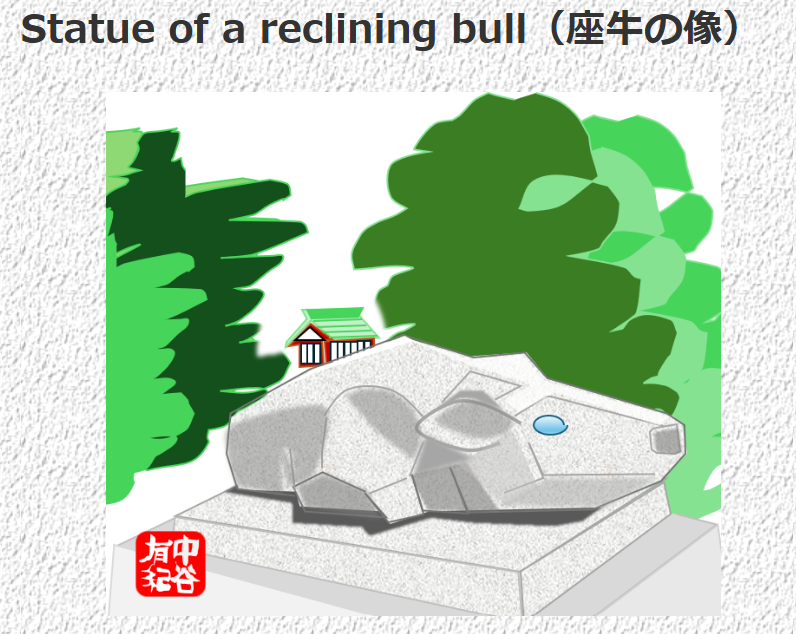
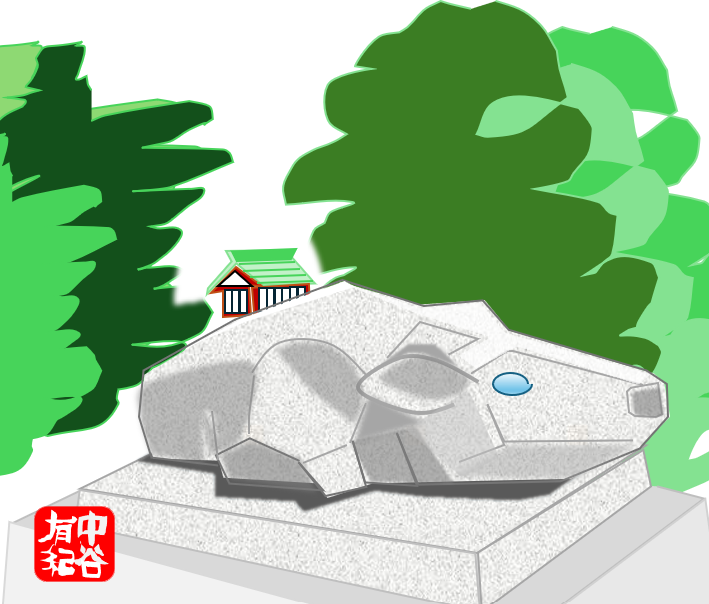
Legend has it that when Sugawara no Michizane passed away, a bull pulled the cart carrying his body. Along the way, the bull suddenly stopped and refused to move, seemingly out of grief for his death. This statue at Yabo Tenmangu Shrine represents the bull from this famous legend.
This painting depicts a replica of the ‘Takuri-go’ -Japan’s first domestically produced gasoline-powered automobile, manufactured in 1907.
It is in Yabo Tenmangu. now.
In 1908, a drive led by Prince Arisugawa Takehito at the wheel of this Takuri-go was held from Hibiya Park to Yabo Tenmangu Shrine. The party’s safe return to Tokyo became the origin of praying for traffic safety.
In honor of this event, Yabo Tenmangu holds the ‘Classic Car Festival’ every December, bringing classic cars from all over Japan together to parade through the shrine grounds and the local neighborhood.
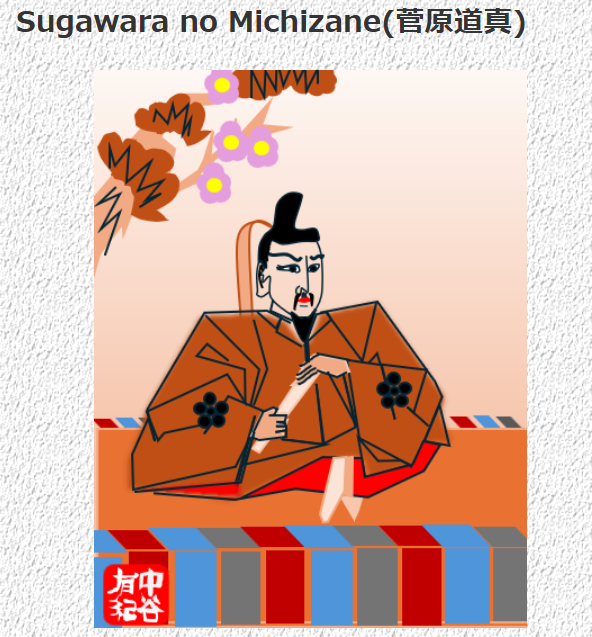
Sugawara no Michizane was so intelligent that the Emperor highly recognized his talents and promoted him to a high position in the court. However, this led to tragedy: his rivals framed him with false accusations, resulting in his exile to Kyushu, far from Kyoto, where he later passed away.
After his death, his spirit was said to have ascended into the sky and become a vengeful god of thunder, striking his rivals’ homes with fierce thunderstorms. Terrified by these disasters, the people built this shrine to appease his spirit and worship him as the deity of thunder in the year of 947.
In fact, the name “Tenjin” originally means “the God of Thunder”!
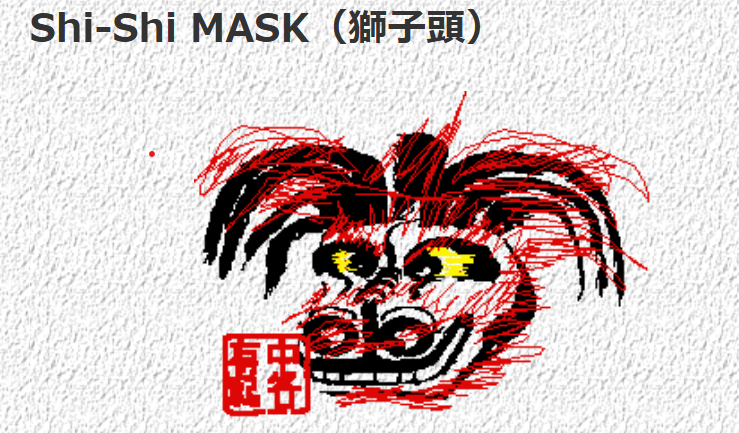
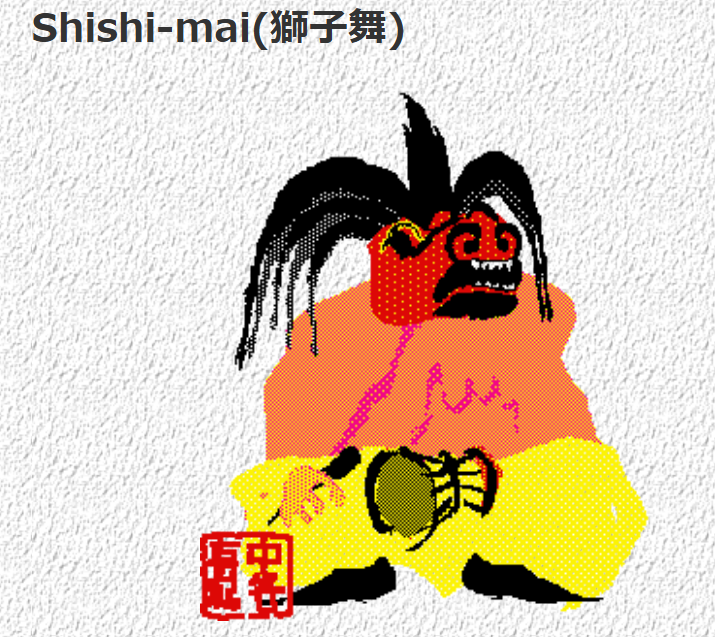
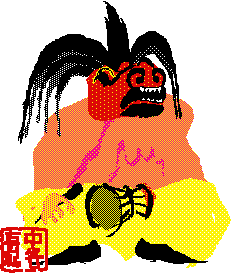
The Kunitachi Museum houses two traditional ‘SHI-SHI’ (lion) masks, which are used during the sacred festivals at Yabo Tenmangu Shrine. When the festival begins, performers don these striking masks and dance wildly to the powerful, hypnotic beat of traditional drums, bringing the ancient ritual to life with incredible energy.
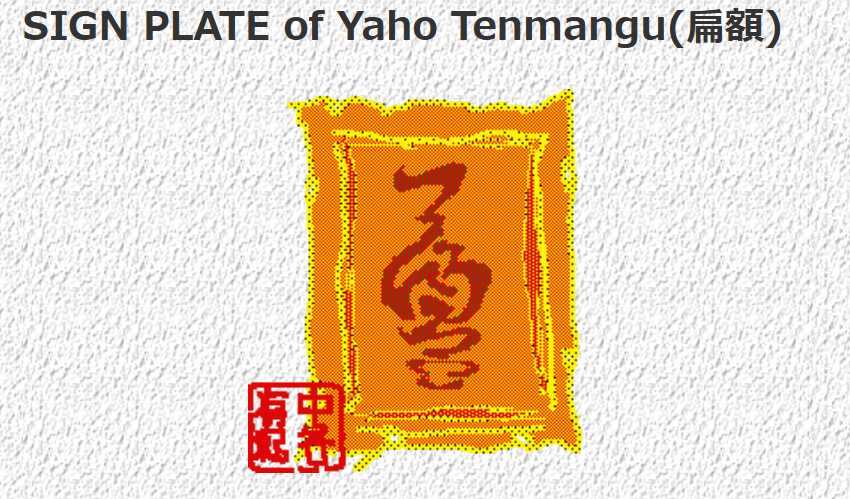
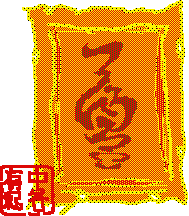
This is the sacred sign plate, or ‘HENGAKU,’ of Yabo Tenmangu. It holds such immense historical importance that it is kept hidden from the public eye today. This remarkable piece of heritage was inscribed all the way back in 1275 during the Kamakura period by the noble scholar Sir Fujiwara.
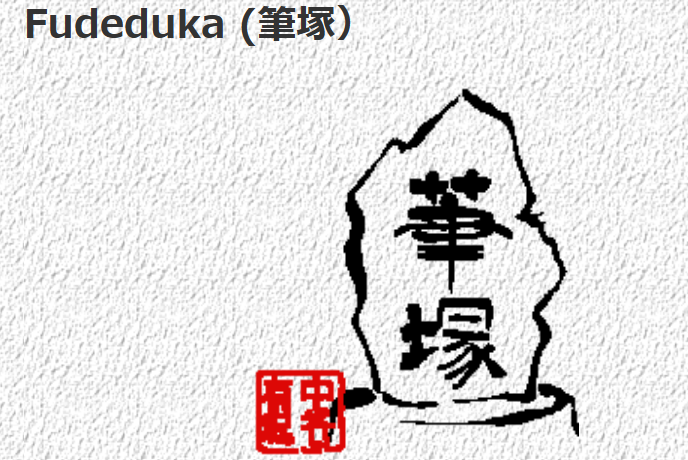
Near the main hall of Yabo Tenmangu sits ‘Fude-zuka,’ a monument dedicated to the God of education, a master of Japanese calligraphy. It is believed that tracing the letters on this stone helps improve your writing skills, and historically, schoolchildren buried their old brushes here. Behind the hall, you will find a serene pond fed by the never-drying ‘Tokiwa no Shimizu’ spring. The pond features a tiny island with Itsukushima Shrine, where a sacred statue of Benzaiten is said to hold the handprint of the famous monk Kukai on its back.
SideStory:The Brush Mound and the Secret Spring: Where Art Meets Legend(文字が上手くなる筆塚?)
ーTo the left of Yaho Tenmangu’s main hall, resting quietly near the moat, stands a mysterious stone monument inscribed as “Fude-zuka” (The Brush Mound). This monument pays tribute to Sugawara no Michizane, who was not only a brilliant scholar but also celebrated as one of Japan’s three greatest master calligraphers.
Legend has it that if you trace the carved characters on this stone with a calligraphy brush, your own handwriting and artistic skills will beautifully improve. Deepening this connection to education, it is said that in the old days, local children studying at nearby Terakoya (traditional temple schools) would gratefully bury their well-worn, retired brushes beneath this mound to honor their tools and pray for academic success.
The wonders of the shrine continue right behind the main hall, where you will find a serene, hidden pond filled with “Tokiwa no Shimizu” (The Everlasting Spring Water). This natural spring is legendary for having never once run dry throughout history.
On a small, picturesque island in the center of the pond sits Itsukushima Shrine, dedicated to Benzaiten, the Goddess of music and arts. Intriguingly, local lore whispers that the back of this sacred divine statue bears the actual, authentic handprint of its creator—the legendary 8th-century Buddhist monk, Kukai (Kobo Daishi).
Every September, Yabo Tenmangu Shrine hosts its grand annual festival, known as ‘Reitaisai.’ The celebration comes alive with traditional cultural performances, including the dynamic lion dance (Shishi-mai), powerful Japanese drumming, and much more.
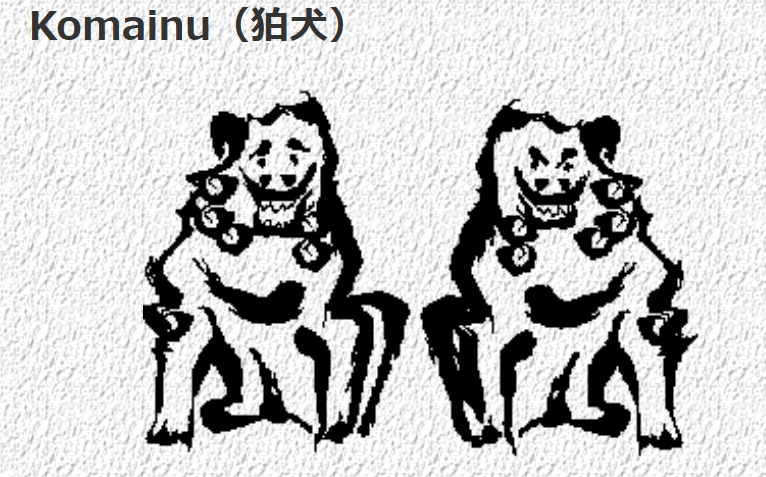
These two wooden guardian dog sculptures are located in Yabo Tenmangu. Because of their profound importance to Japanese heritage, these statues are protected by the government and hold the distinction of being designated as Japan’s first national treasures.
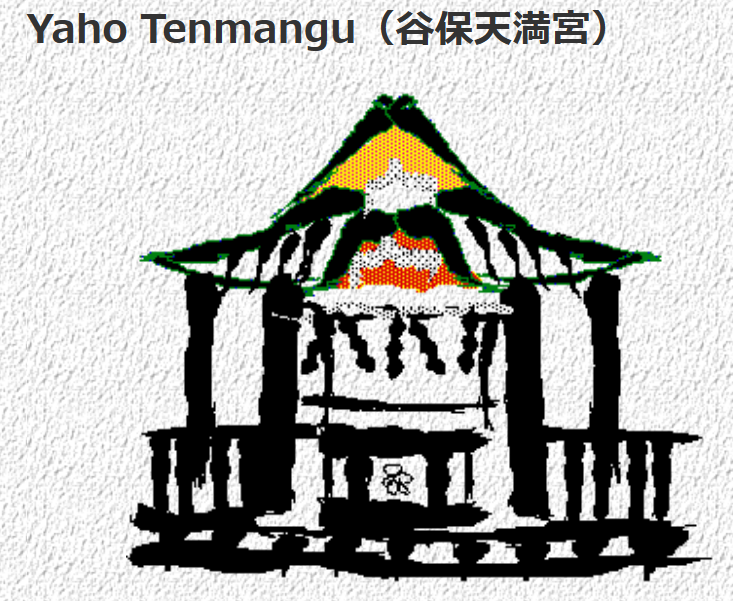
Yabo Tenmangu is a historic shrine with roots dating back to the 13th century. It is widely believed that those who visit this sacred space are blessed with the power of knowledge, as it serves as the home to a revered God of education.
SideStory1:The Secret Link Between “Yabo Ten” and a Famous Japanese Slang(野暮天は谷保天?)
ーHave you ever heard the Japanese word “Yaboten”? In standard dictionaries like the Kojien, it is a well-known, old-fashioned slang word used to mock someone who is incredibly “uncool,” “unrefined,” or lacking in fashion sense (similar to calling someone a “country bumpkin” or “hopelessly out of touch”).
Surprisingly, this famous insult from the Edo period is said to have originated right here at Yaho Tenmangu Shrine!
Back in the Edo era, Yaho Village and its shrine found themselves desperately short on funds. Hoping to raise donations from wealthy Tokyoites, the priests packed up their sacred treasures and traveled to the bustling district of Mejiro in central Edo (modern-day Tokyo) to host a special public exhibition.
Watching this display, the legendary and witty Edo satirical poet, Ota Shokuzan, couldn’t resist poking fun at them. He brushed a famous, biting poem:
“If you were a true God, you should have traveled to the grand province of Izumo… yet here you are, hosting a side-show in Mejiro, you country-bumpkin Tenjin of Yaho!”
(Note: This was a brilliant multi-layered pun in Japanese, playing on the word “Yabo,” which means both the place name Yaho and the word for “uncool/rustic.”)
Word traveled fast. Thanks to the Edo people’s love for sharp-tongued humor, the shrine’s nickname “Yabo-Ten” quickly morphed into the popular slang “Yaboten” to describe anything hopelessly unrefined. It is a delightfully human, cheeky piece of local history hidden behind the serene beauty of the shrine today!
SideStory2:The Mystery of the Descending Path: Why Does the Shrine Go Down?(なぜ参道が下がっていくのか?)
Usually, when you visit a Japanese shrine, the main hall sits high upon a hill or elevated ground. However, at Yaho Tenmangu, you will experience something incredibly rare: the sacred path actually leads down a flight of stairs to reach the main hall. In fact, it is said that this is the only shrine in all of Japan to feature such a unique, sunken structure.
The secret behind this mystery lies in the shifting lines of history and transportation.
When the shrine was originally built, the ancient Koshu-kaido (the main highway) ran along the south side of the grounds, down in the lower valley area near the river. Therefore, coming from the old highway, visitors naturally walked up into the shrine.
However, during the Edo period, the dynamic leader Tokugawa Ieyasu shifted the entire highway northward to its current location—a massive civil project rumored to commemorate his monumental victory at the Battle of Sekigahara. Because the main road moved to the higher ground on the north side, the modern entrance now forces us to walk down into the historic, lower sanctuary.
SideStory3:The Secret of the Plum Grove: Why Does the Shrine Bloom with Umé?(梅林があるのはなぜ?)
ーSugawara no Michizane, the revered scholar who became the Deity of Learning (Tenjin), possessed a profound love for plum blossoms (Umé), leaving behind countless poems dedicated to their beauty.
Among his works, his most legendary poem was written in a moment of heartbreak, just as he was being unjustly exiled from the capital to distant Dazaifu. Saying a painful farewell to his beloved plum tree, he brushed these famous lines:
“When the eastern wind blows, send your fragrant scent across the land, oh plum blossoms. Even though your master is gone, never forget the spring.”
It is said that the tree loved him so deeply in return that it miraculously flew through the air in a single night to follow him to his place of exile—a legend known as the “Flying Plum” (Tobiume).
To honor this eternal bond between the God of Learning and his sacred blossoms, the grounds of Yaho Tenmangu are adorned with over 100 brilliant red and white plum trees, filling the air with their sweet fragrance every spring.