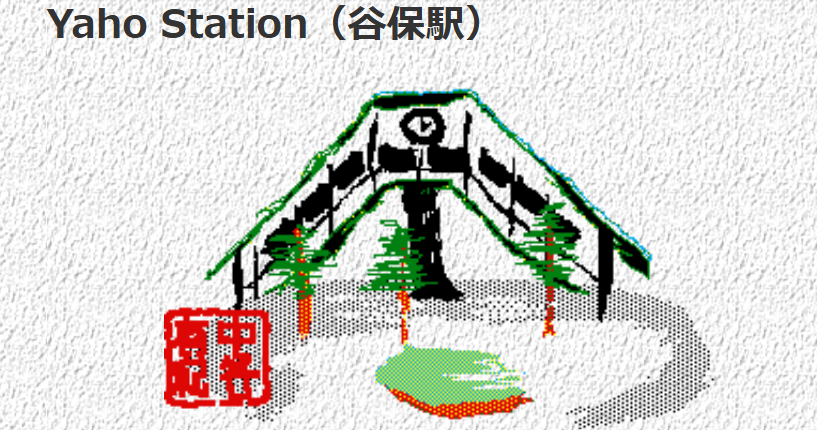
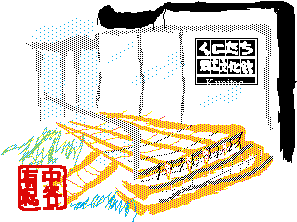
Yaho Station is one of the stops on the JR Nambu Line, which runs between Tachikawa and Kawasaki. While the station building itself has a simple, classic design, stepping outside puts you right at the gateway to the breathtaking nature of the ‘Yaho World’!
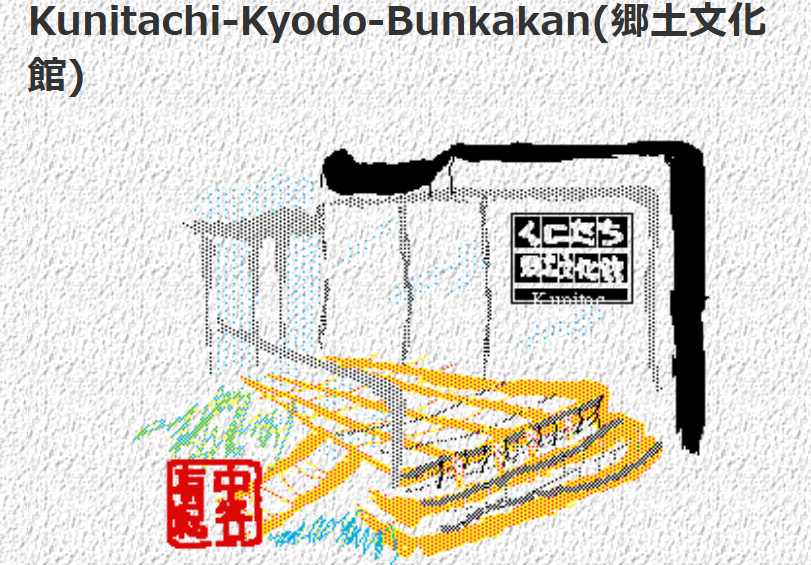
Right here is the Kunitachi Museum, which beautifully exhibits the rich historical heritage of the Yaho and Kunitachi areas. The museum itself is widely renowned for its unique and striking architecture. It is truly worth a visit, offering a wonderful journey through local history combined with breathtaking views of the surrounding landscape.
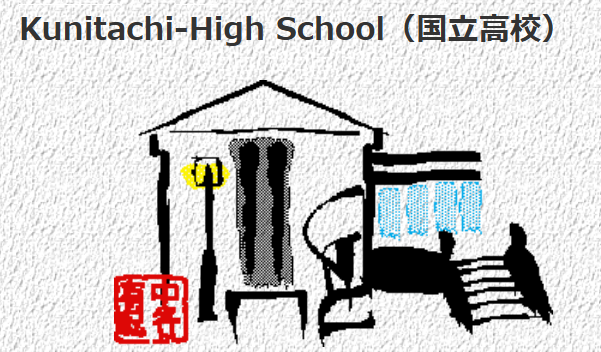
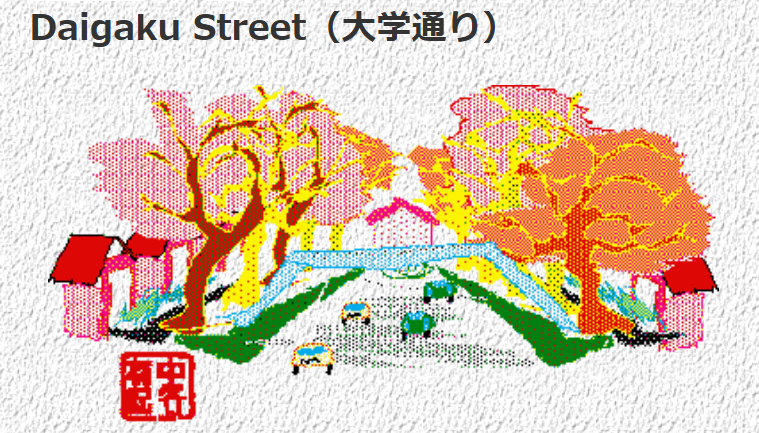
Situated along Daigaku Street among the cherry trees, Kunitachi High School is renowned for its excellent education and baseball. They have even achieved the rare feat of playing in the famous Koshien games in the past!
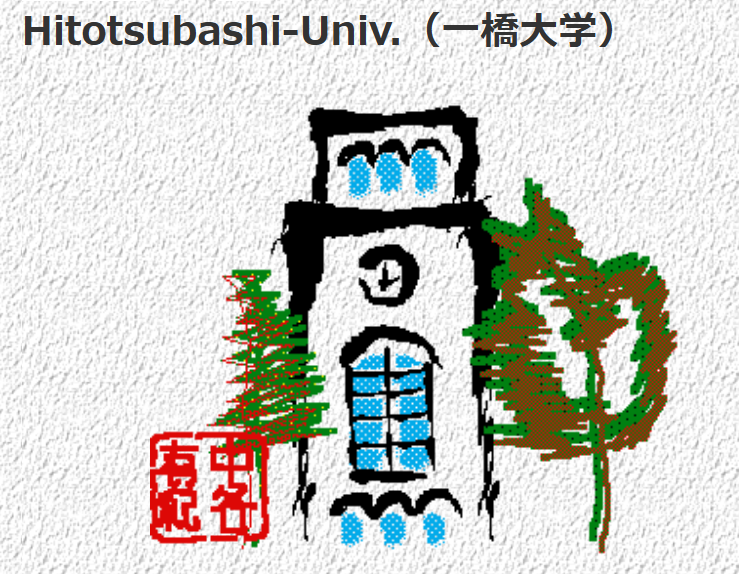
This is Hitotsubashi University, and it is exactly because of this campus that the grand avenue in front of it is proudly called ‘Daigaku Street’—meaning University Street.
SideStory:A Campus Guarded by Mystical Monsters(一橋大学には魔除けがいっぱい)
ーLook closely at the historic buildings of Hitotsubashi University, and you will discover a hidden world of ancient protectors. Mysterious sculptures of lions, mythical birds, and wolf-like beasts are tucked away beneath rooflines, along pillars, and above grand archways.
At the main administration building’s carriage porch, a pair of male and female stone lions guard the entrance. Interestingly, they incorporate the traditional Japanese concept of “A-un” (the cosmic beginning and end)—the male lion on one side holds his mouth open (“A”), while the female on the other keeps her mouth firmly closed (“Un”).
Meanwhile, the university library is covered with even more bizarre, imaginative creatures, looking like a strange cross between a wolf and a crocodile.
Just like the original Kunitachi Station, these campus buildings were designed in the grand Romanesque architectural style. Because of this European heritage, the architects adorned the structures with these guardians—similar to the gargoyles of Western cathedrals—to spiritually protect the educational spaces from evil.
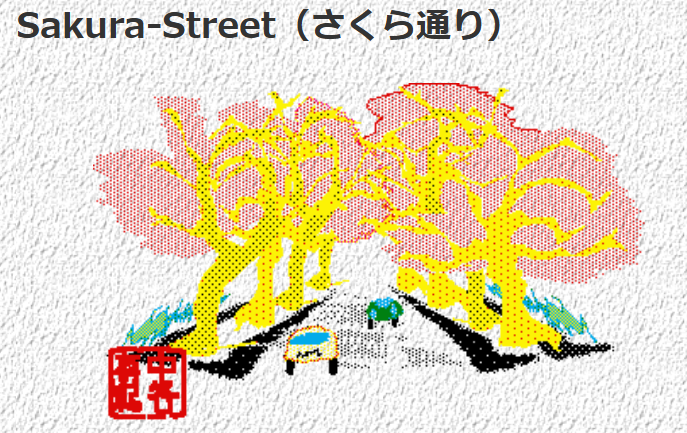
Stretching two kilometers from west to east, Sakura Street is lined with cherry trees on both sides. Because it is narrower than Daigaku Street, the trees stand closer together, creating a spectacular tunnel of cherry blossoms across the sky every spring.
SideStory:The Cherry Blossoms of Sakura-dori(さくら通りの桜)
“That’s right. Back then, there was absolutely nothing in Fujimidai.” Mr. Masao Suzuki started his story with a warm smile as he looked back on the past. He runs “Ueshige,” the landscaping business that planted the cherry trees. “There wasn’t even a post office yet. The area was just a long stretch of mulberry fields and open fields. It felt like we were planting trees right in the middle of a farm.” In 1969, to match the opening of the Fujimidai apartment complex, 209 Somei-Yoshino cherry trees were planted along both sides of the city road. Today, every spring, they form a beautiful tunnel of pale pink blossoms. Along with the trees on Daigaku-dori, it has become a famous cherry blossom spot. Looking up at the trees he planted, Mr. Suzuki gently stroked a trunk that had grown too wide to hold in his arms. “They used to be thinner than my arm,” he said happily. “I am so glad to see them grow this big and bloom so beautifully.” These trees are now over 45 years old and are currently in full bloom. This year again, they will surely delight everyone’s eyes and touch their hearts.
Source: From “The Men Who Planted the Cherry Blossoms” (1996) by the 19th Kunitachi Sakura Festival Executive Committee
There is a refined, classy atmosphere to Kunitachi City. Just to make the local streets more fashionable, over a hundred antique street lamps were imported from Paris, France. Now, these historic lamps stand as one of the city’s most distinctive landmarks.
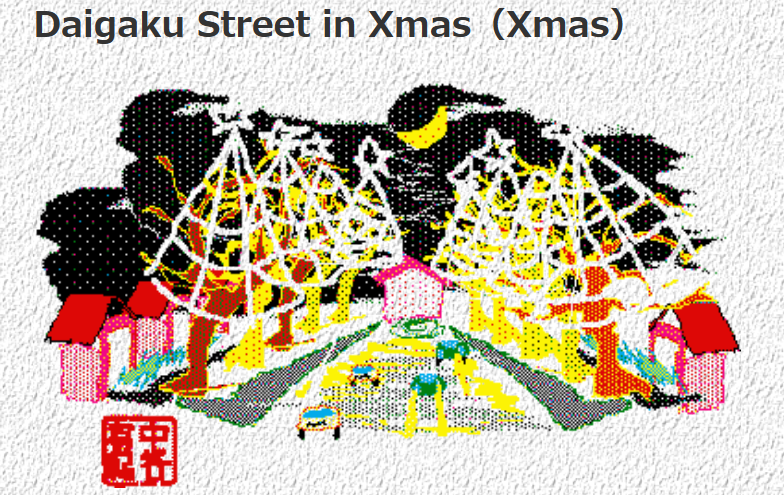
As a major landmark of Kunitachi City, Daigaku Street stretches south for two kilometers from Kunitachi Station to Yaho Station. Its impressive 44-meter width dates back to the early Showa era, when it was actually used as an airfield runway for planes flying to Karuizawa in Nagano Prefecture. The name ‘Daigaku’ means ‘University,’ directly inspired by the presence of Hitotsubashi University.
SideStory:University Avenue Was Once an Airplane Runway!(「大学通りは滑走路だった。」)
ーDid you know that the wide and beautiful University Avenue (Daigaku-dori) was originally designed to double as an airplane runway?
In the late Taisho era, the innovative Hakone-Tochi Development Company was simultaneously developing the high-class resort area of Karuizawa, alongside this new town of Kunitachi. As a premium and futuristic service for their wealthy clients, the company launched a daily scheduled flight connecting Kunitachi and Karuizawa, cutting the travel time down to just a 30-minute flight!
The aircraft they used was a vintage monoplane decommissioned and purchased from the Imperial Japanese Army. When it wasn’t soaring through the skies, the airplane was parked right behind the Hakone-Tochi headquarters (where the Kunitachi branch of the Tama Shinkin Bank stands today). For the local children of Yaho, this real-life flying machine parked right in their neighborhood was the ultimate object of envy and wonder.
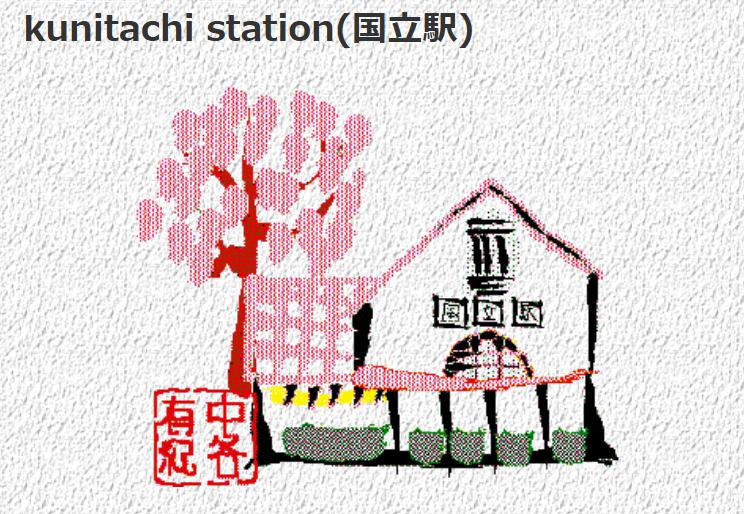
ーWith its iconic pointed red-tiled roof and a large, elegant skylight set into beige walls, the original Kunitachi Station was a architectural marvel. When it first opened its doors in April 1926, it proudly stood as one of the most stylish and modern railway stations in all of Tokyo.
The area was developed by the Hakone-Tochi Development Company, which divided the land into generous residential lots of about 660 square meters (200 tsubo) per family. They even built an outdoor music hall where classical concerts echoed on weekends, giving birth to a high-class, European-style university town.
In its earliest days, surrounded by quiet fields, a local newspaper jokingly mocked the remote station, writing: “Kunitachi Station—who on earth will ever get on or off here?”
Today, that cynical joke has been completely rewritten. Fueled by the vibrant energy of students from the prestigious Hitotsubashi University and Toho Gakuen, this once-lonely country station has blossomed into a bustling landmark, now serving over 100,000 passengers every single day.