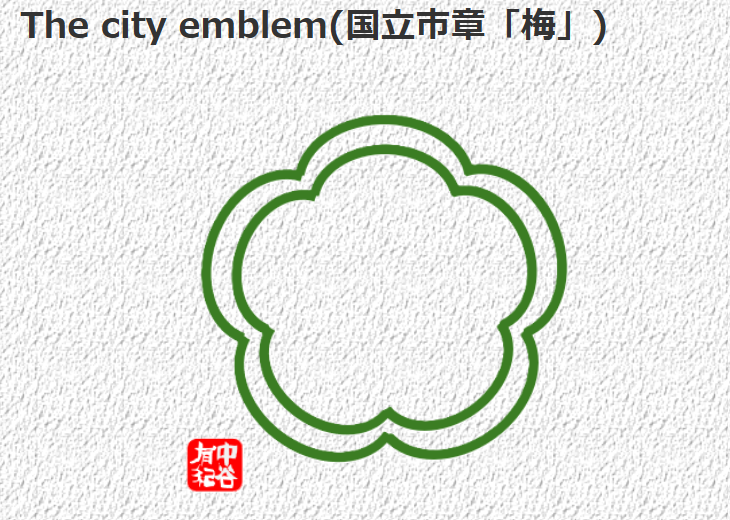


Kunitachi City, home to Yaho, adopted the plum flower as its emblem in honor of Yaho Tenmangu Shrine’s famous plum garden. As you can see, the city emblem depicts a plum blossom. This symbol was designed by Seki Gantei , a local artist who lived here in Yaho.
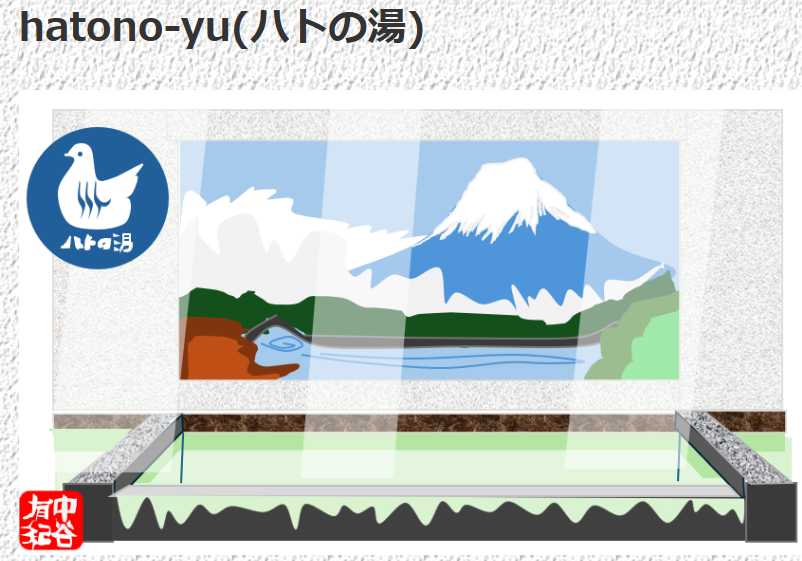
Opened in 1958, ‘Hatono-yu’ is currently the only public bath (sento) remaining in Kunitachi City, having been completely renovated in 2020.
The main bathroom features a traditional Japanese wall painting of Mount Fuji, beautifully crafted by the master sento artist, Kiyoto Maruyama.
Loved by local residents, Hatono-yu is also famous for its appearance in the movie ‘Summer Blooms,’ where the lead actress, Aki Asakura, is seen taking a relaxing bath!
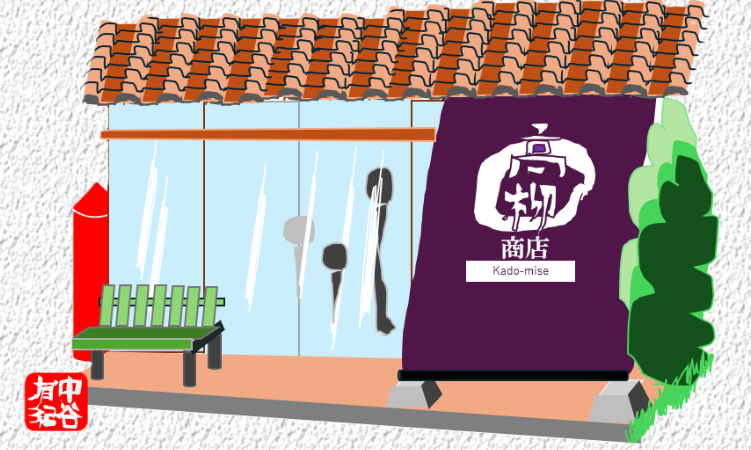
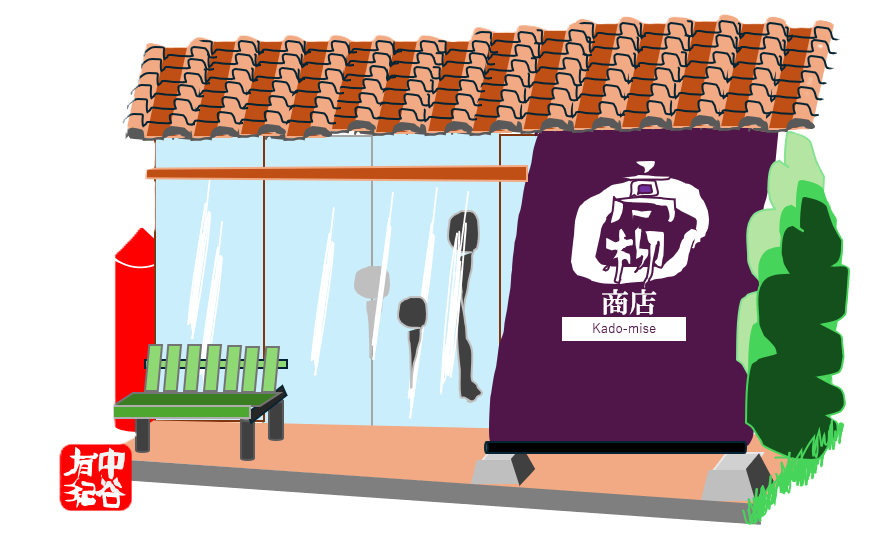
Every Japanese school neighborhood seems to have that one legendary general store, and for Yaho, it is Takayanagi Shouten. Founded all the way back in 1934, this neighborhood institution has spent generations supporting the daily lives of local residents. They sell everything from cheap nostalgic sweets (Dagashi) and school stationery for children, to a carefully curated selection of fine Japanese Sake for adults.
Located right on the northeastern corner of Kunitachi Dai-ichi (First) Elementary School, this historic shop is affectionately known by everyone in the neighborhood as “Kado-mise”—which literally means “The Corner Store.” It remains a warm, living piece of Yaho’s community history.
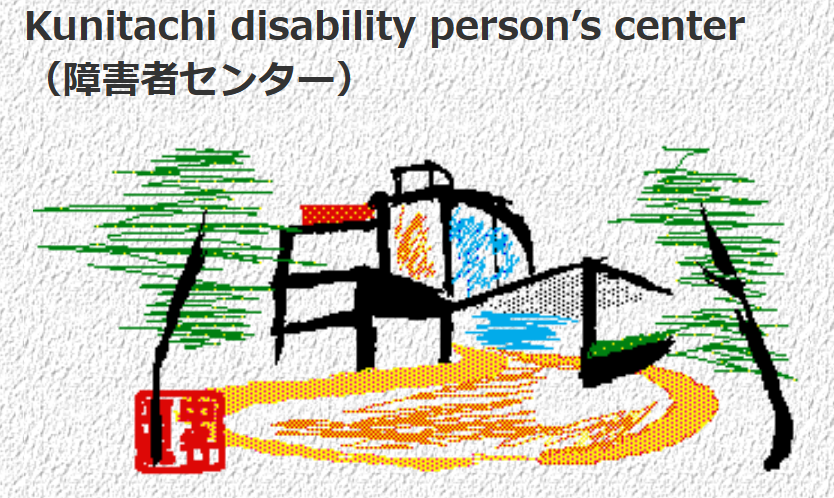
A modern facility stands where Daigaku Street meets Sakura Street, serving as a support center for people with disabilities. Built under Kunitachi City’s policy to provide excellent care in a rich environment, this center stands as a meaningful landmark of the community.
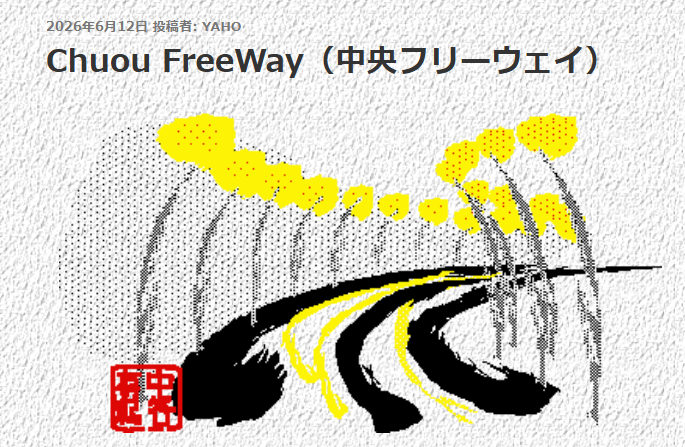
The Chuo Expressway offers a smooth drive into Kunitachi City, accompanied by stunning night views along the way. In fact, a famous Japanese singer beautifully captures this magical scenery in a song, describing the night drive on the Chuo Expressway as ‘an airport runway that leads us straight to a starship…
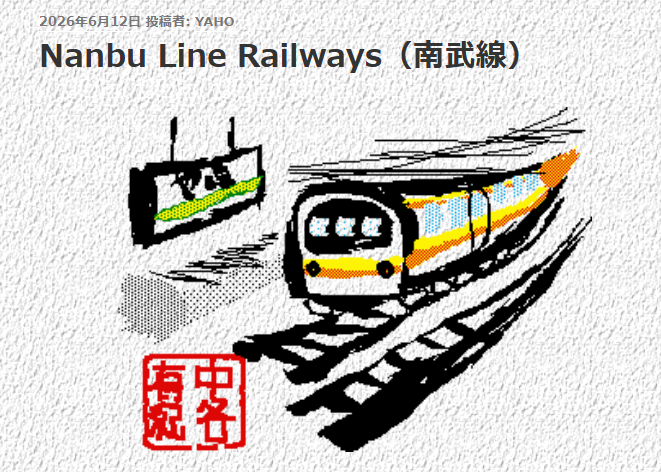
In Tokyo, lines running north to south are rare, as most run east to west. The Nambu Line is one of these few unique routes, and Yaho is a station right on it. Riding this railway offers a wonderful scenic journey!
Yaho Station is one of the stops on the JR Nambu Line, which runs between Tachikawa and Kawasaki. While the station building itself has a simple, classic design, stepping outside puts you right at the gateway to the breathtaking nature of the ‘Yaho World’!
Stretching two kilometers from west to east, Sakura Street is lined with cherry trees on both sides. Because it is narrower than Daigaku Street, the trees stand closer together, creating a spectacular tunnel of cherry blossoms across the sky every spring.
SideStory:The Cherry Blossoms of Sakura-dori(さくら通りの桜)
“That’s right. Back then, there was absolutely nothing in Fujimidai.” Mr. Masao Suzuki started his story with a warm smile as he looked back on the past. He runs “Ueshige,” the landscaping business that planted the cherry trees. “There wasn’t even a post office yet. The area was just a long stretch of mulberry fields and open fields. It felt like we were planting trees right in the middle of a farm.” In 1969, to match the opening of the Fujimidai apartment complex, 209 Somei-Yoshino cherry trees were planted along both sides of the city road. Today, every spring, they form a beautiful tunnel of pale pink blossoms. Along with the trees on Daigaku-dori, it has become a famous cherry blossom spot. Looking up at the trees he planted, Mr. Suzuki gently stroked a trunk that had grown too wide to hold in his arms. “They used to be thinner than my arm,” he said happily. “I am so glad to see them grow this big and bloom so beautifully.” These trees are now over 45 years old and are currently in full bloom. This year again, they will surely delight everyone’s eyes and touch their hearts.
Source: From “The Men Who Planted the Cherry Blossoms” (1996) by the 19th Kunitachi Sakura Festival Executive Committee
There is a refined, classy atmosphere to Kunitachi City. Just to make the local streets more fashionable, over a hundred antique street lamps were imported from Paris, France. Now, these historic lamps stand as one of the city’s most distinctive landmarks.