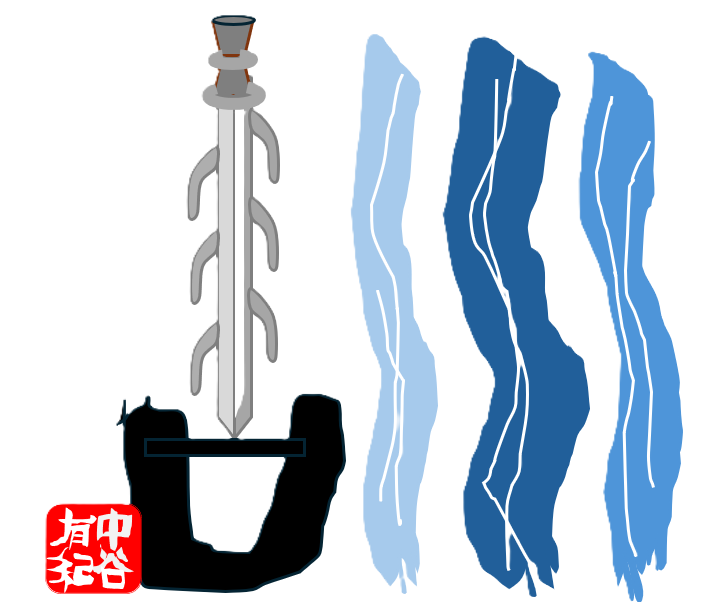
The kanji combines the radical for “speech” with the character for “river”. This implies explaining things kindly by flowing along with and gently embracing people’s natural emotions, just like a river.
The short story of Kanji pictures
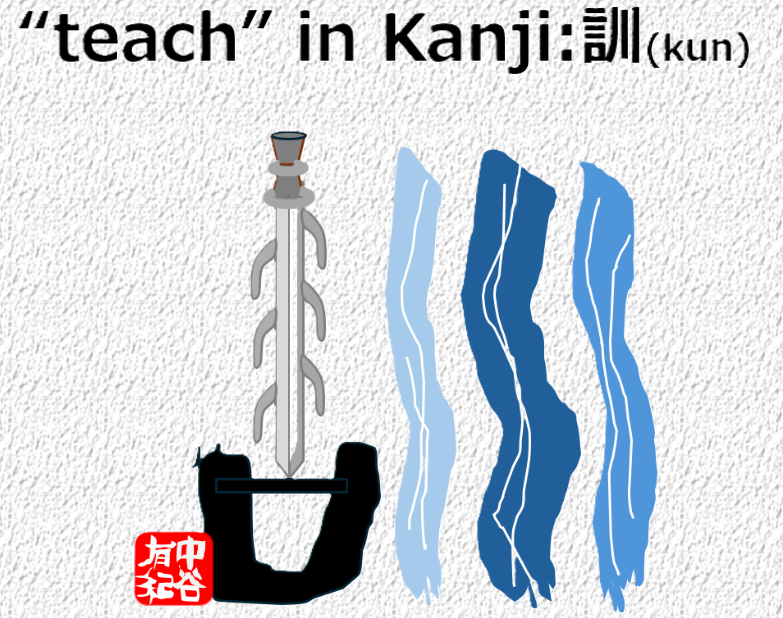
The kanji combines the radical for “speech” with the character for “river”. This implies explaining things kindly by flowing along with and gently embracing people’s natural emotions, just like a river.
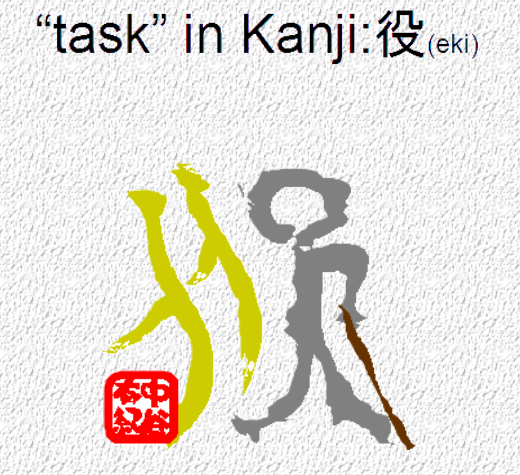

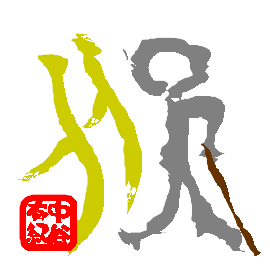
In the left area of this figure, you can find the symbol for a road, while on the right, a person stands guard with a staff. Therefore, this character brings these elements together to mean a specific task that one must perform as their duty or job.
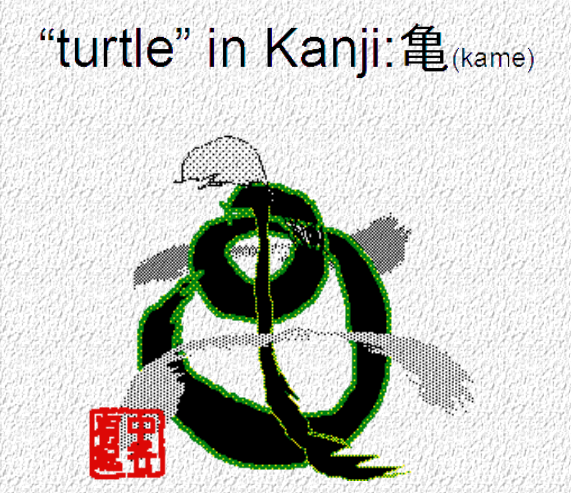

This character carries a beautifully simple meaning that you will easily recognize too. As you can see, it directly describes the shape of a turtle viewed from above!
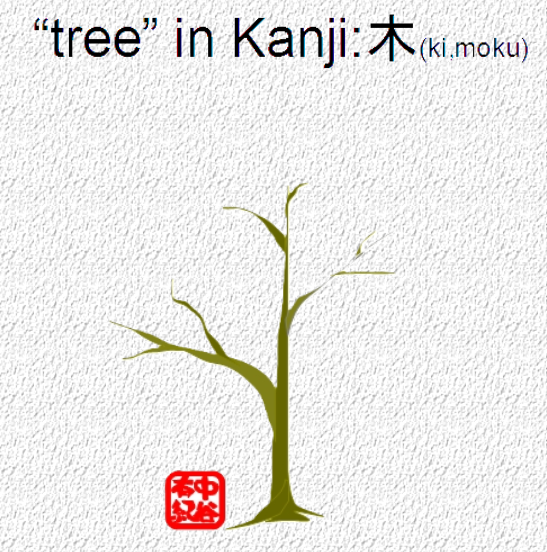

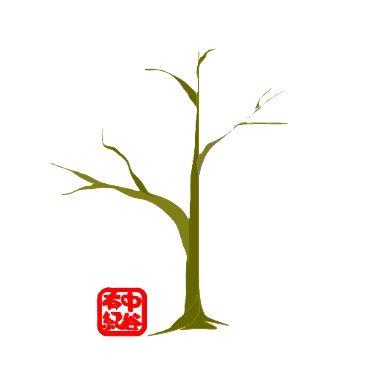
Perhaps it was essential for ancient people to first name the elements of nature around them, such as trees, rivers, mountains, and animals. This character beautifully represents ‘tree’ in a single word.
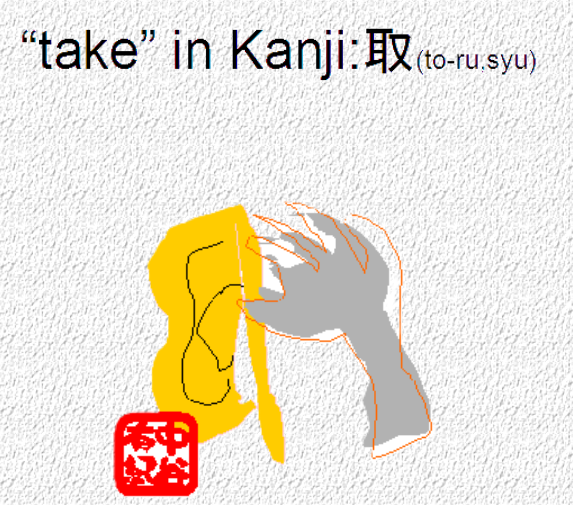

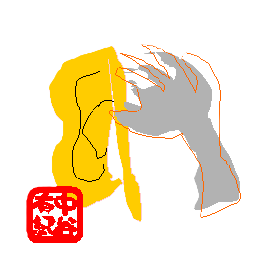
In ancient times, when people were defeated in war, their ears were cut off and taken by the victors as proof of victory. Therefore, this character directly captures that brutal history to mean ‘take’.
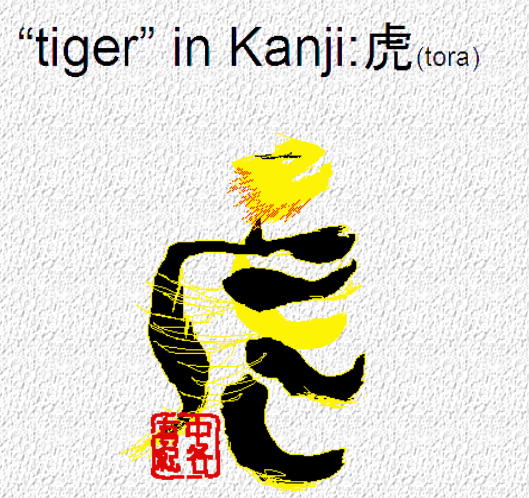

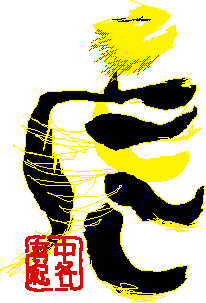
This character simply symbolizes the fierce figure of a tiger heading up, looking to the sky with powerful energy!
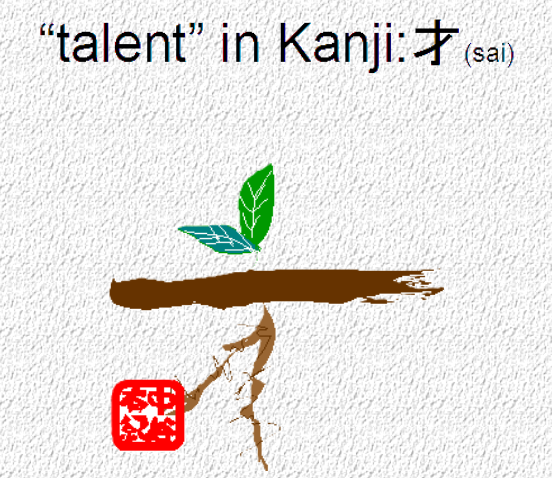

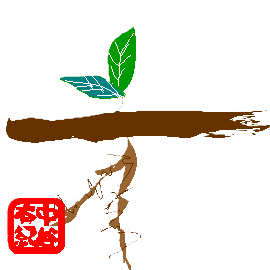
The image of nature growing back continuously beautifully symbolizes ‘a new talent’ rising up with endless potential.
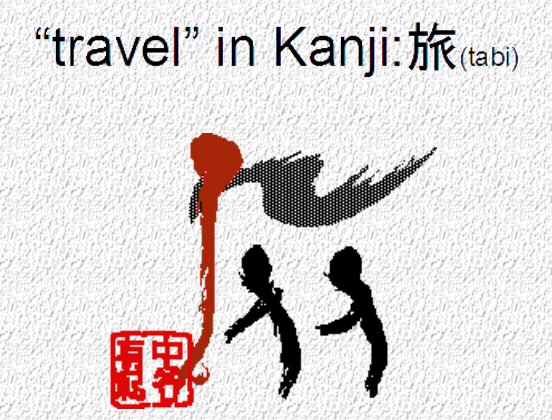

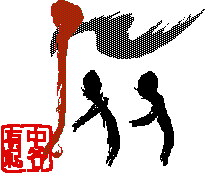
The origin of this character is quite fascinating. It depicts two people walking toward the left, right in front of a tall, grand pole bearing a large flag. In ancient times, people on a journey would travel exactly like this—marching together under a massive flag.
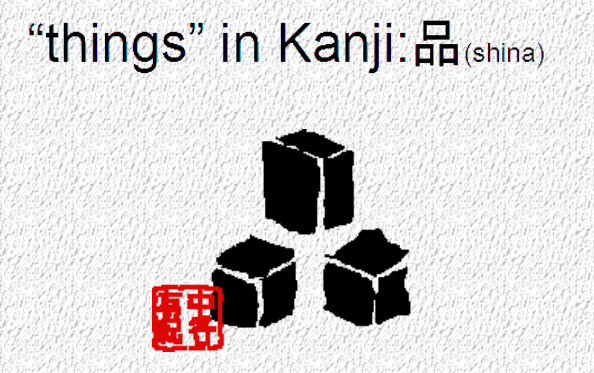

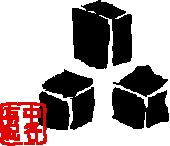
Inside this character, you can see a cluster of blocks or boxes. Therefore, it represents the concept of ‘things’ or ‘goods’ in general