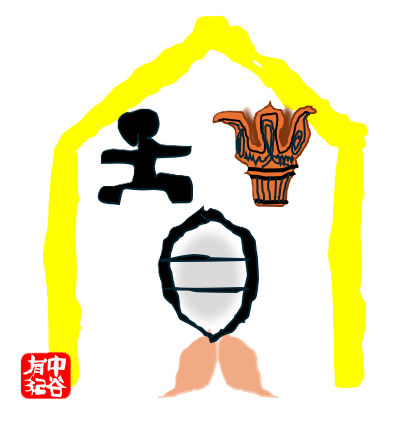
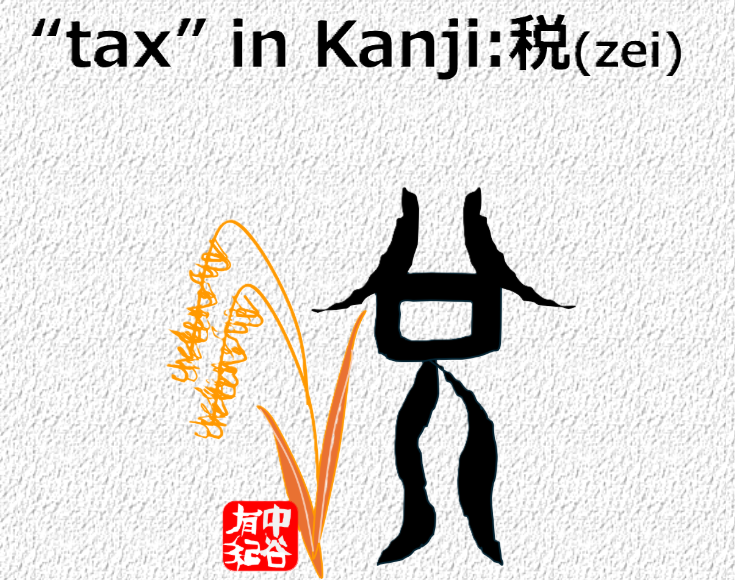

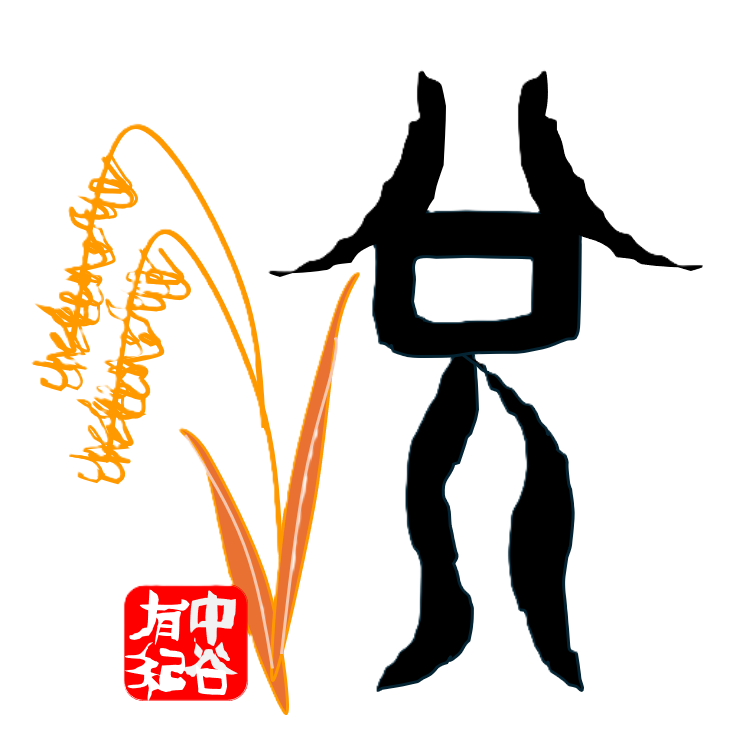
tax(税)

This kanji consists of two parts. On the left is the “harvest” (grain) radical, and on the right is a component representing shedding or taking away. Together, this kanji means “tax”—originating from the idea of crops being ruthlessly taken away as tax from the farmers who grew them.
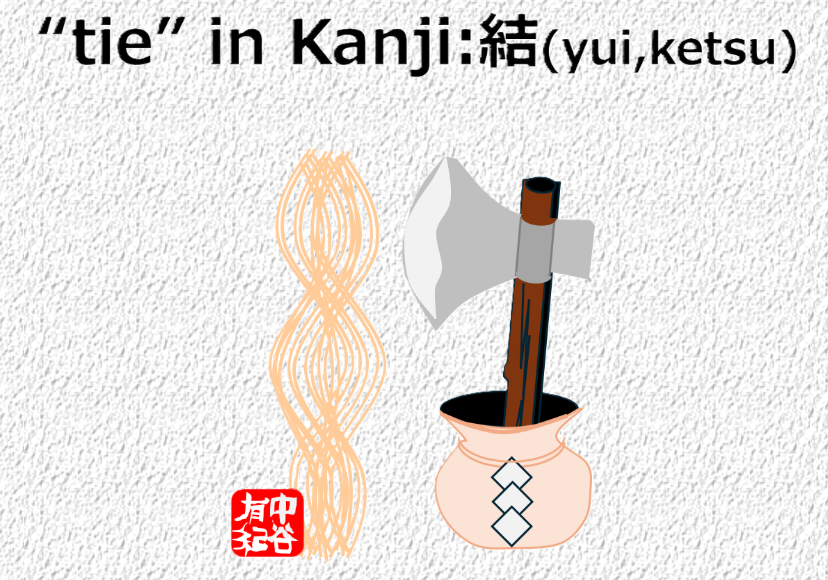

tie(結)

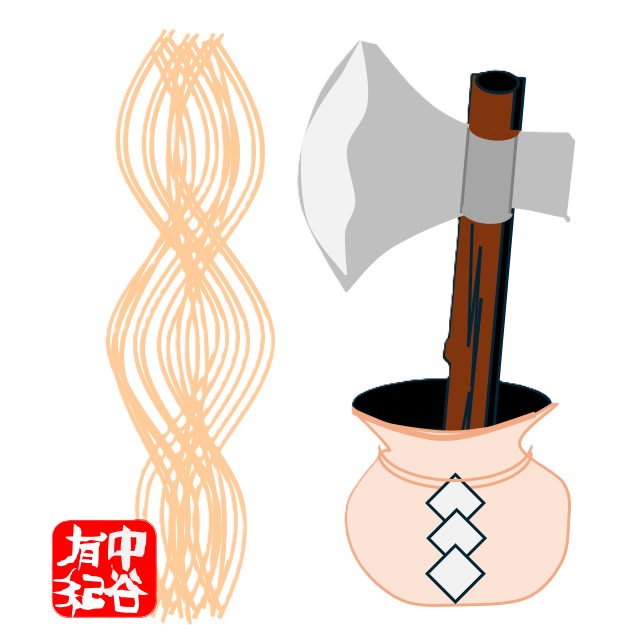
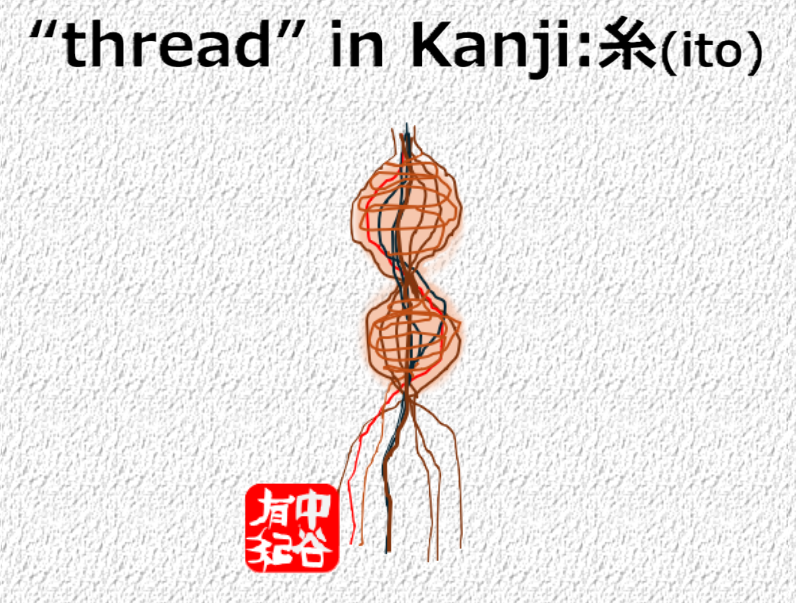
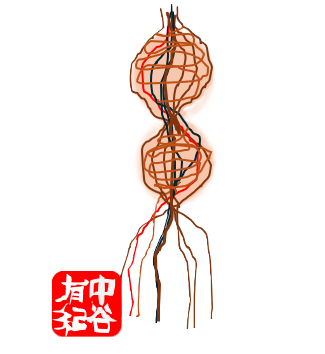
This kanji consists of two parts. On the left is the “thread” radical, and on the right is a component representing weapons safely stored in a sacred box—symbolizing peace and a solemn promise after war. Together, this kanji depicts binding thread tightly to seal a sacred vow, which is why it came to mean “to tie,” “to bind,” or “to unite.”

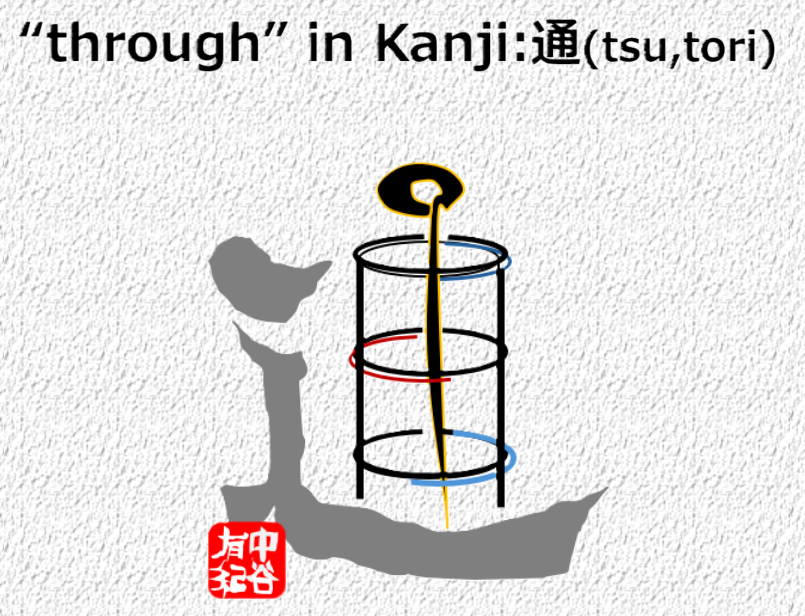
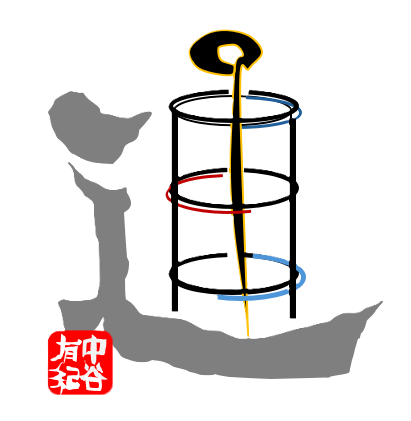
through(通)

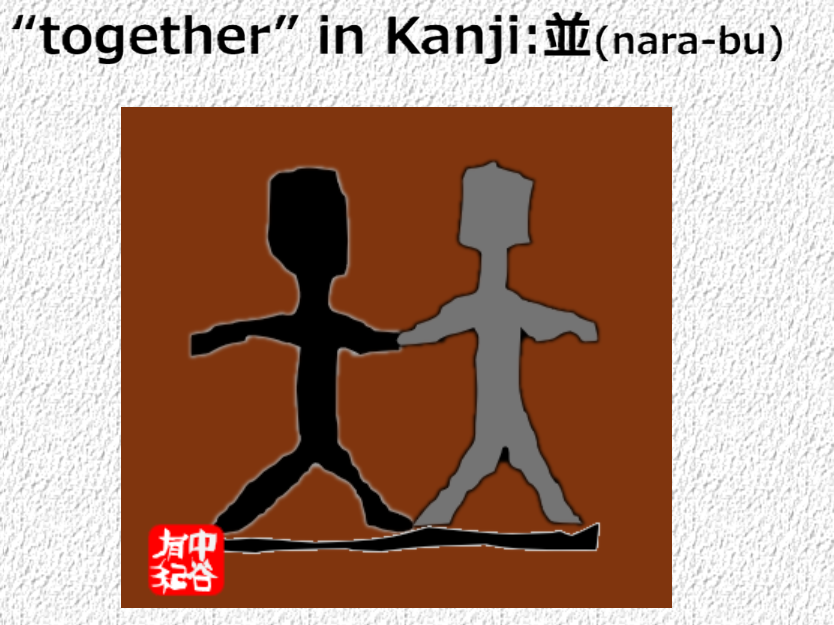
This kanji consists of the radical for ‘road’ on the left, and a symbol representing ‘something passing through a tube’ on the right. Therefore, it means ‘to pass through,’ and by extension, ‘street’ or ‘path.

Related Posts