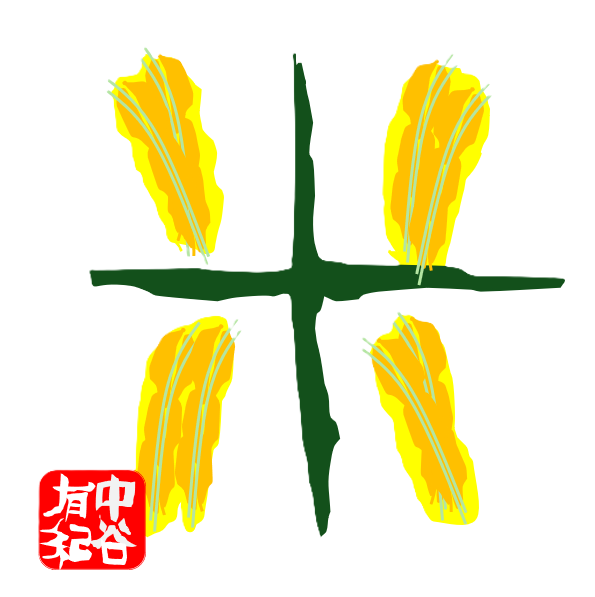
This kanji represents grains of rice.
In Japan, rice is planted in spring and harvested in autumn.
When it is ready for harvest in autumn, the rice turns a beautiful golden color.
The short story of Kanji pictures
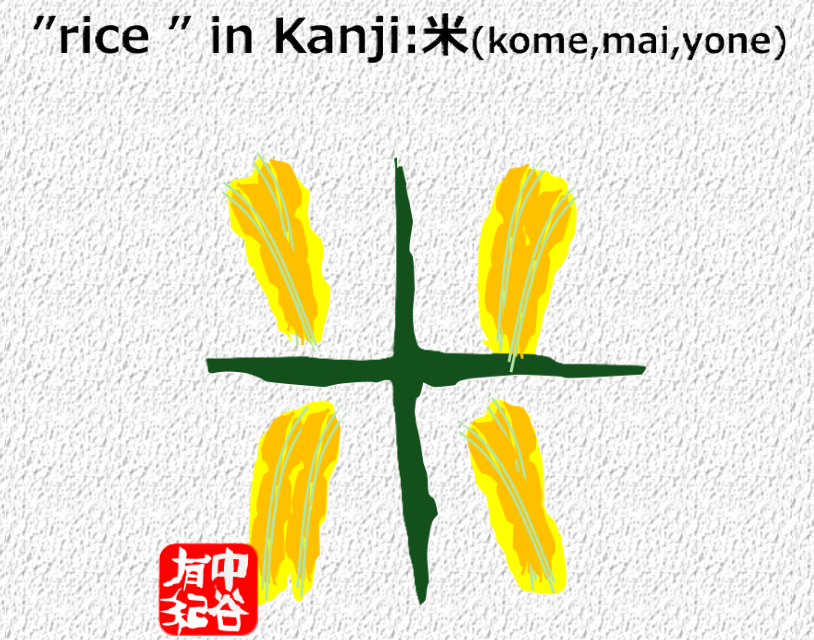
This kanji represents grains of rice.
In Japan, rice is planted in spring and harvested in autumn.
When it is ready for harvest in autumn, the rice turns a beautiful golden color.
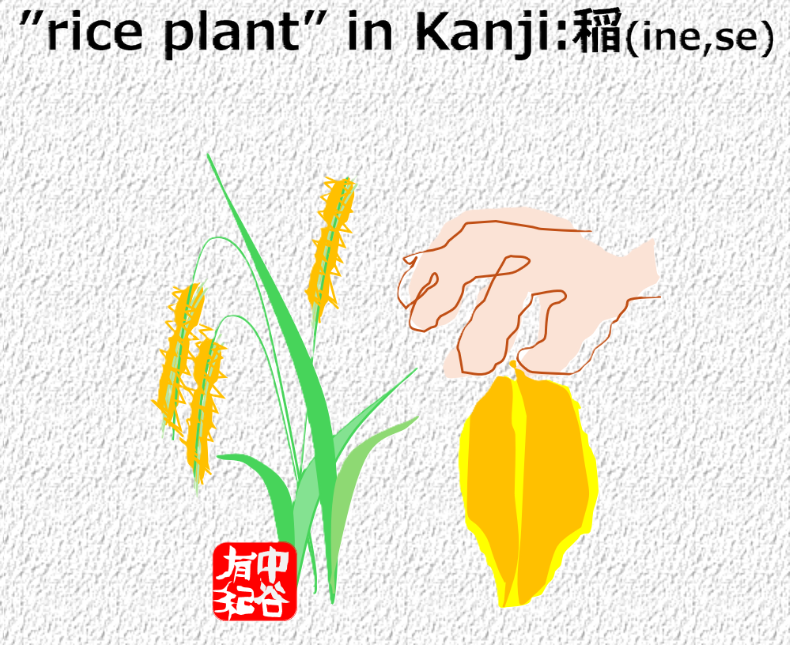

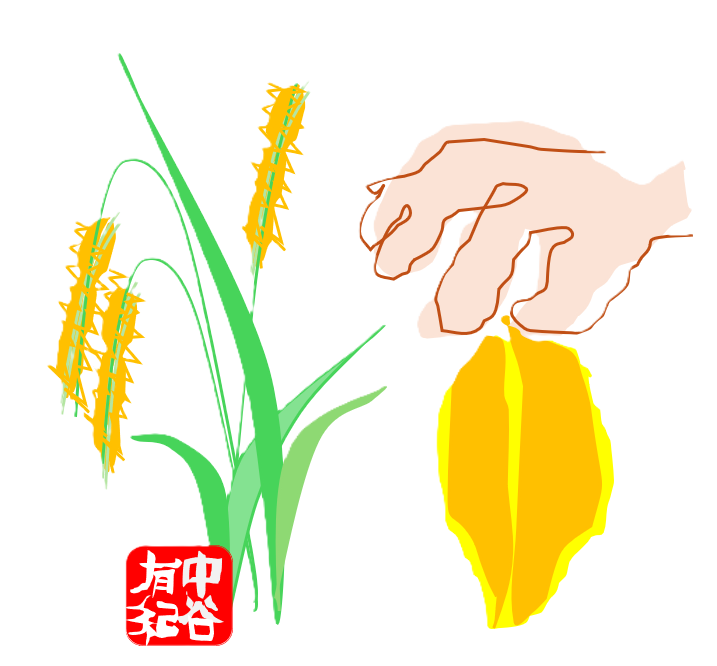
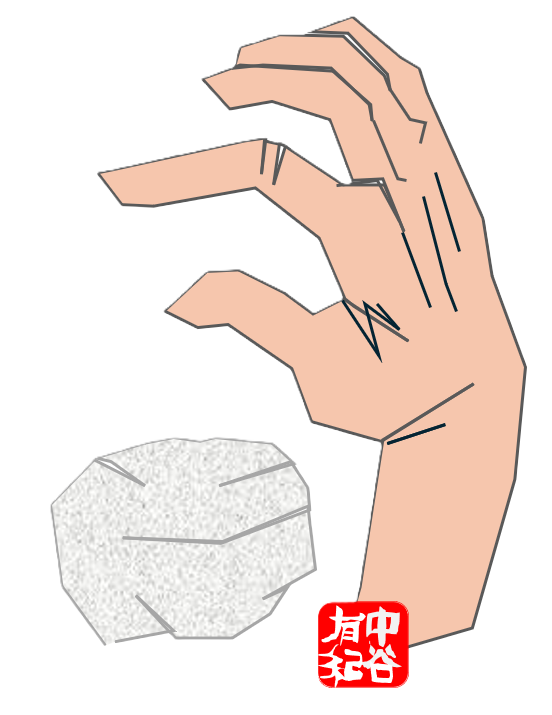
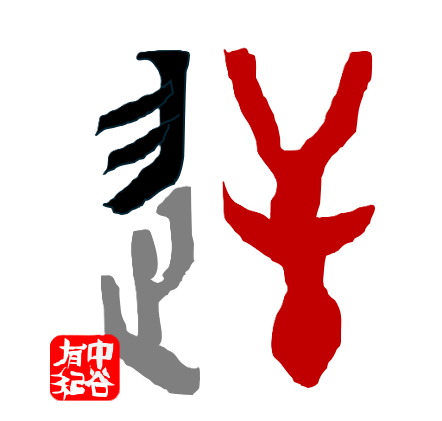
This kanji has two parts: The left side depicts a rice plant bending under the weight of its rice ears, and the right side shows a hand harvesting it. Therefore, this kanji means “rice plant.”
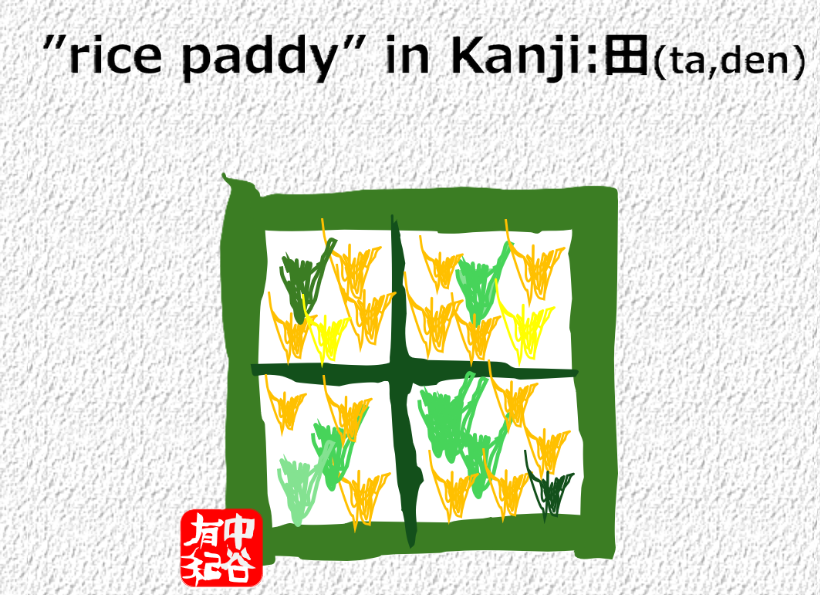

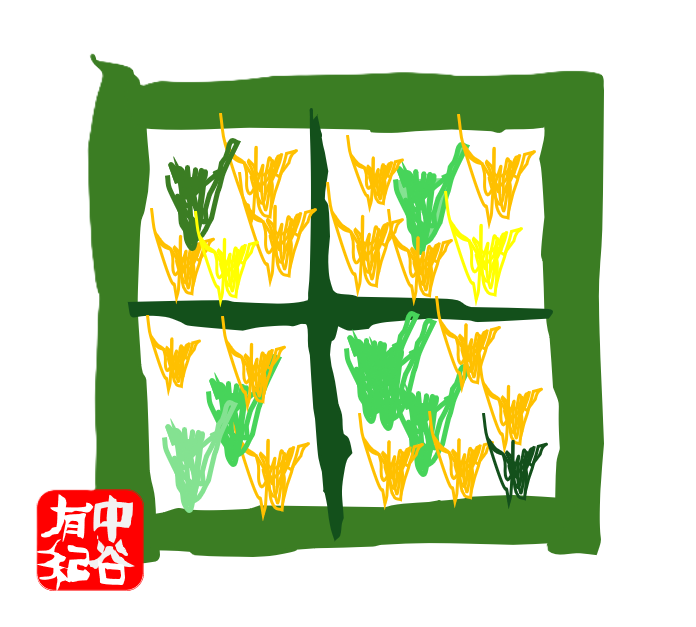
This kanji depicts a rice paddy, showing rice plants growing in a flooded field.
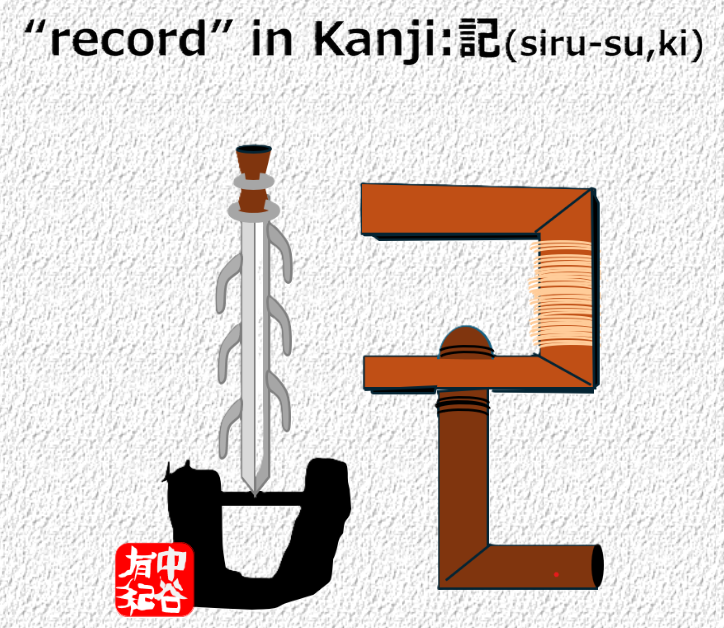

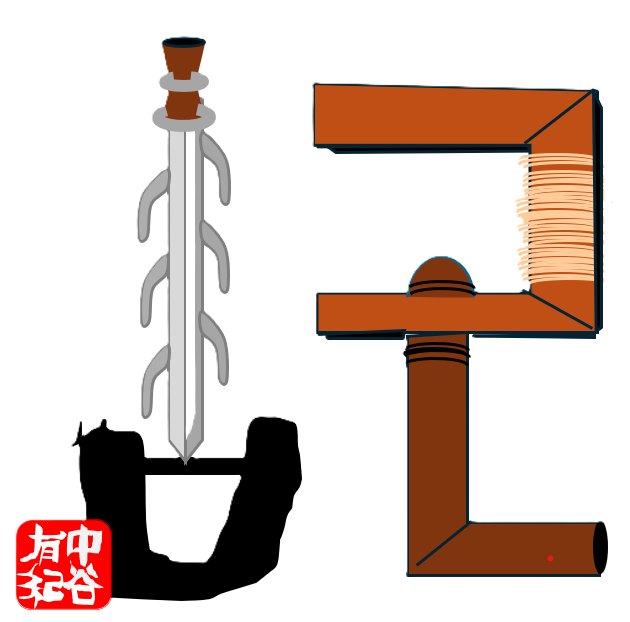
This kanji consists of two parts. On the left is the “word” radical, which originally represented a sacred oath made before God—one so absolute that breaking it meant punishment by the sword. On the right is the symbol for a thread reel. Together, this kanji means to write down or record someone’s words accurately, just like reeling thread onto a spool.
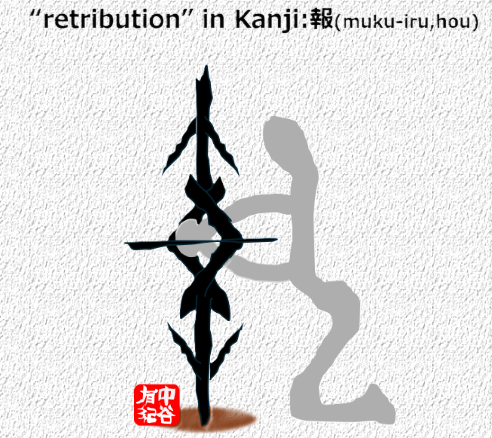

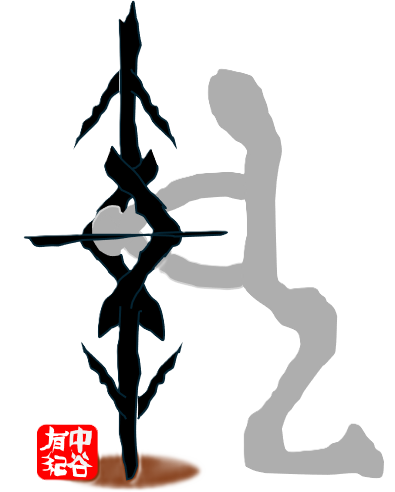
This kanji depicts a captured person bound in manacles, an ancient torture device. Therefore, this kanji came to mean ‘retribution’ or ‘punishment’ for a crime committed.
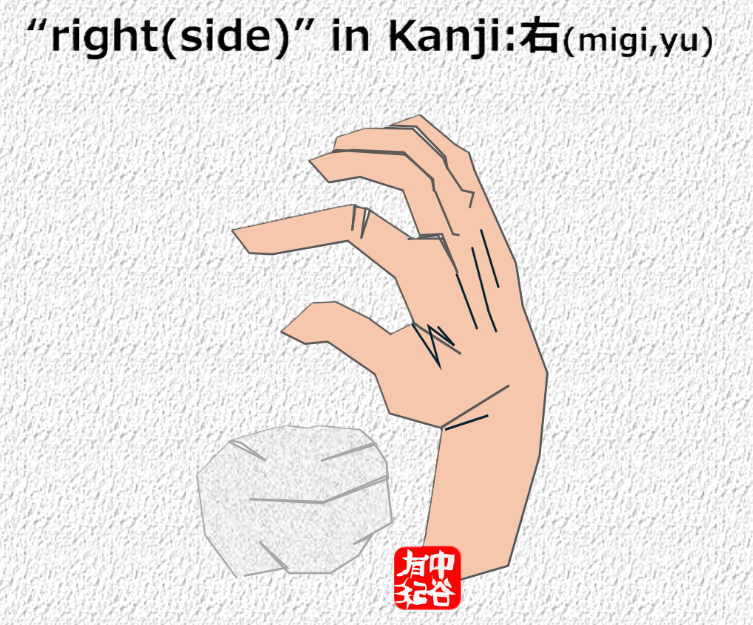
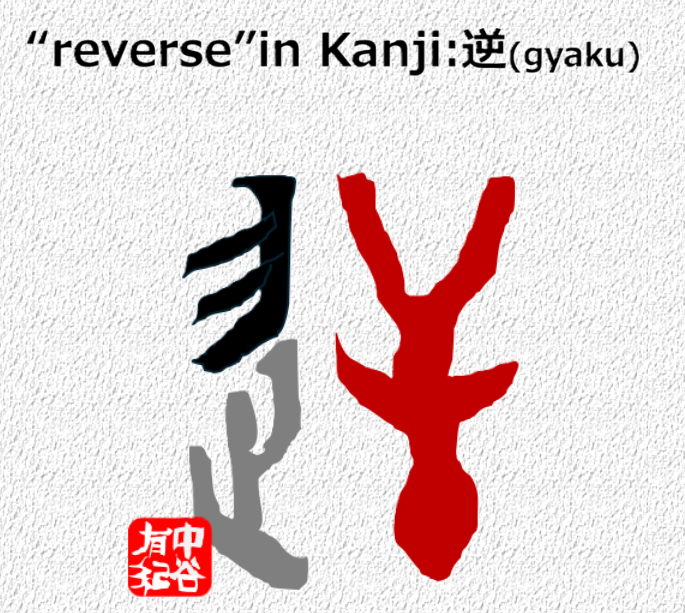
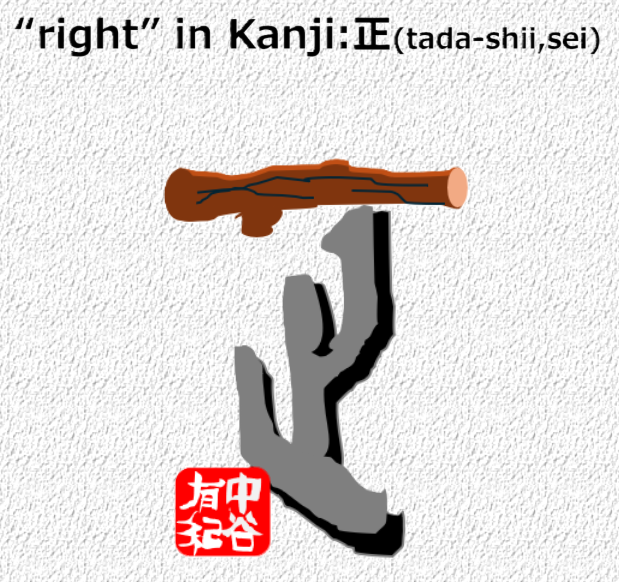

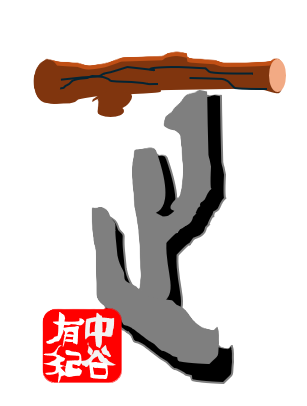
This kanji depicts a footprint stopping in front of a line.
It represents halting a person before they head in the wrong direction. Therefore, this kanji came to mean ‘right’ or ‘correct.’