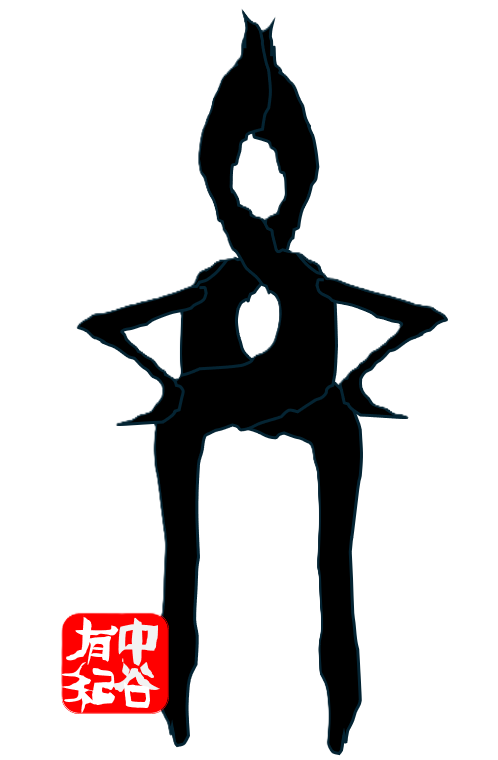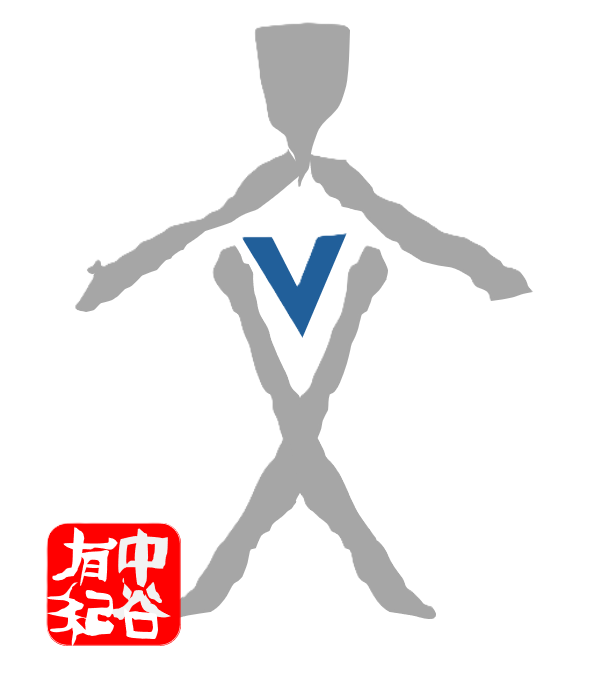
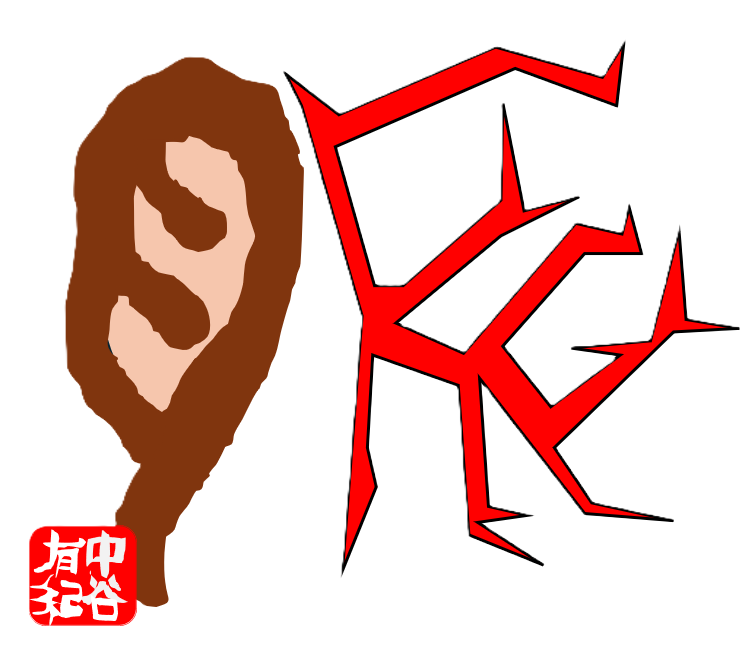
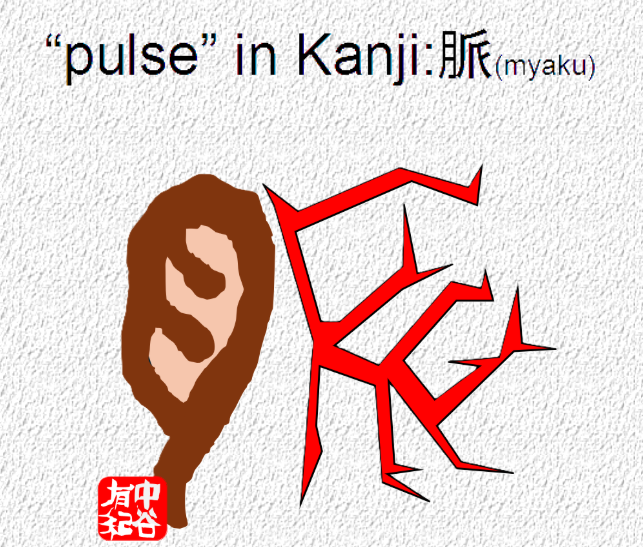
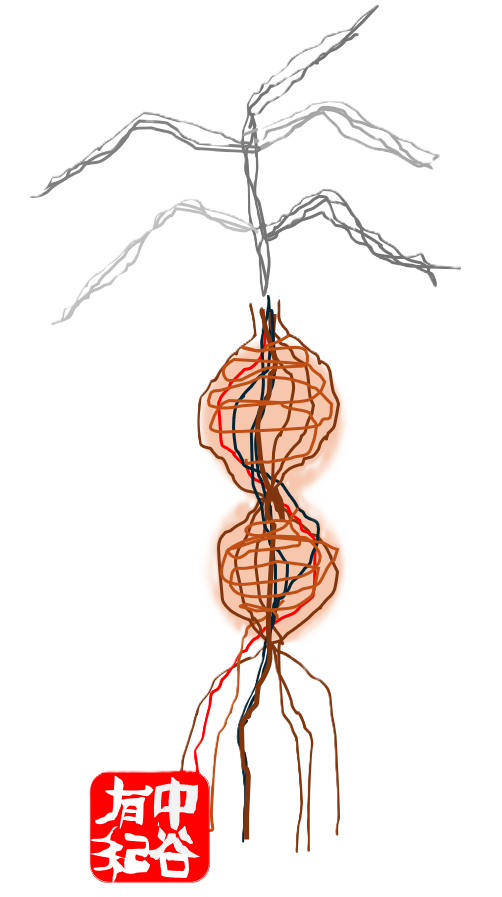
This character has the “flesh” (body) radical on the left and a symbol for blood vessels on the right. Because it represents blood flowing through the body, this character means “pulse.”
The short story of Kanji pictures
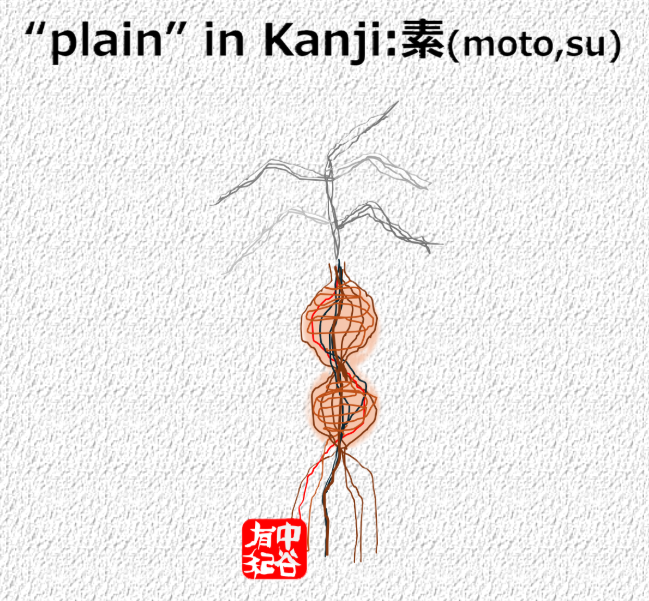

This kanji consists of two parts: unbundled, uncolored threads on top, and a bundle of colorful threads below. Therefore, this kanji came to mean ‘plain’ or ‘bare.’
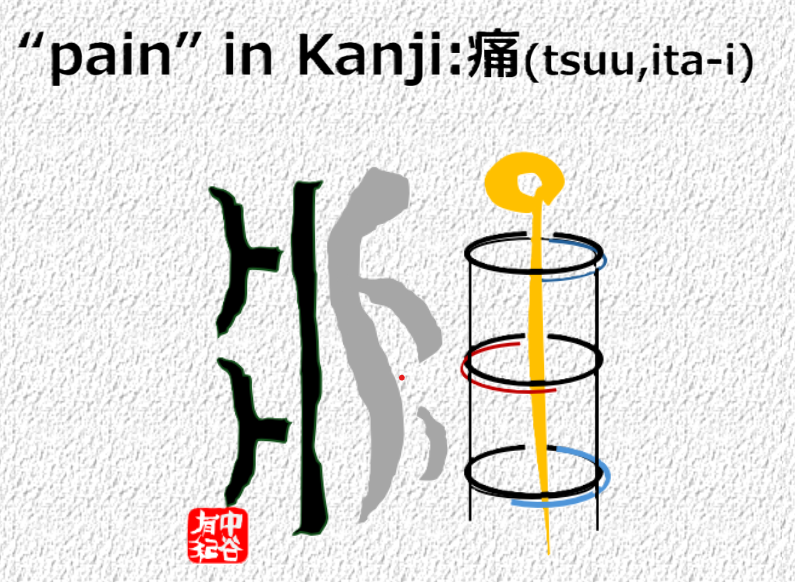

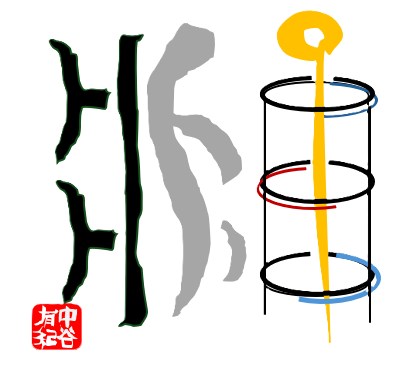
Ths kanji consists of two parts.In the left,there is a man lying on the bed meaning being sick or ill.
In the right There is a symbol of something going through the tube.So this kanji means”Pain”that goes through out of your body.
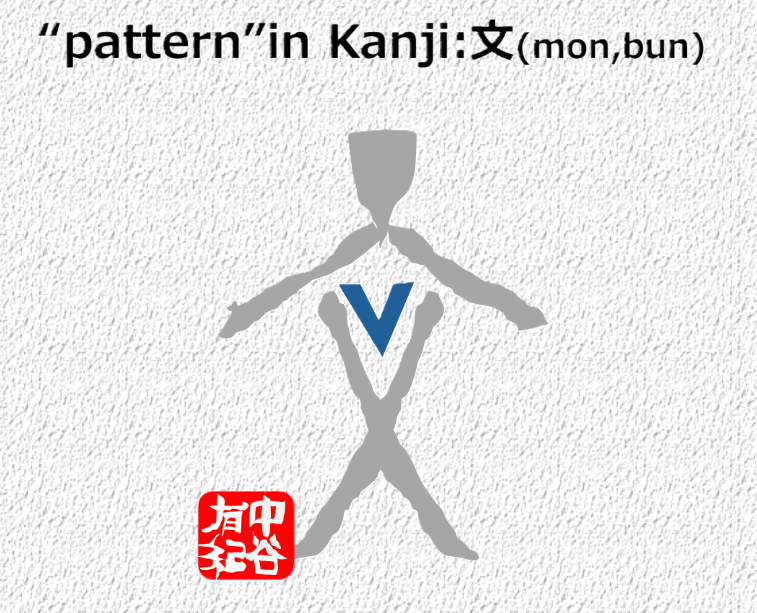
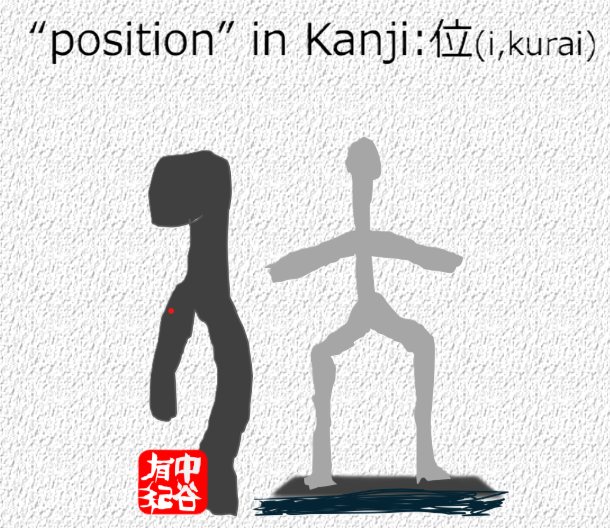

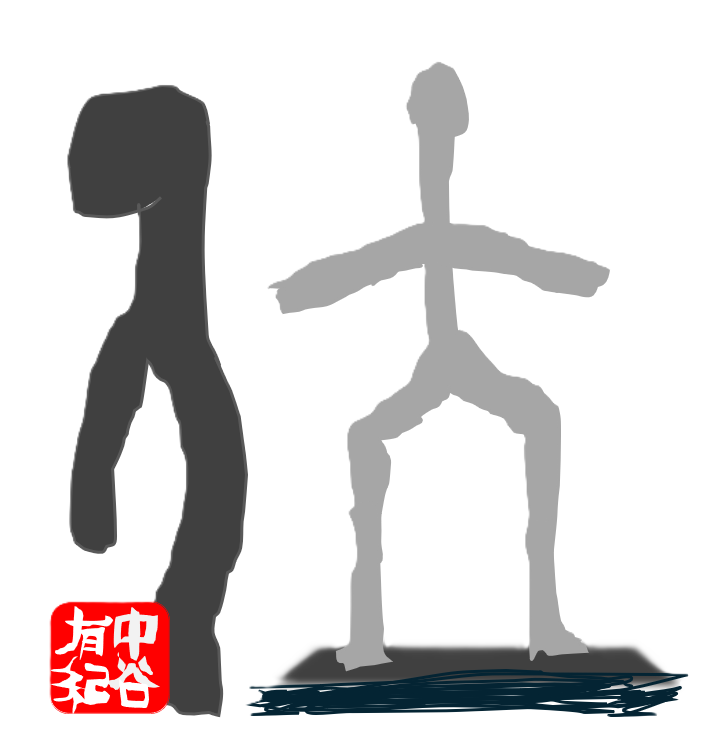
This kanji depicts a person standing firmly on the ground among other people. Therefore, it represents one’s ‘position’ or status within society or an organization.
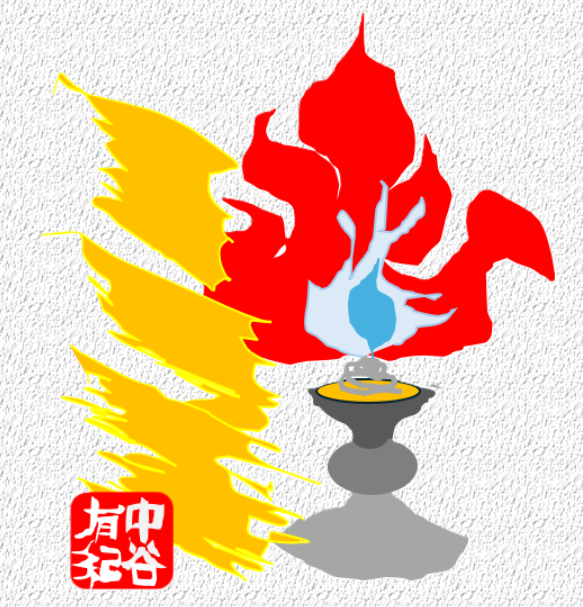

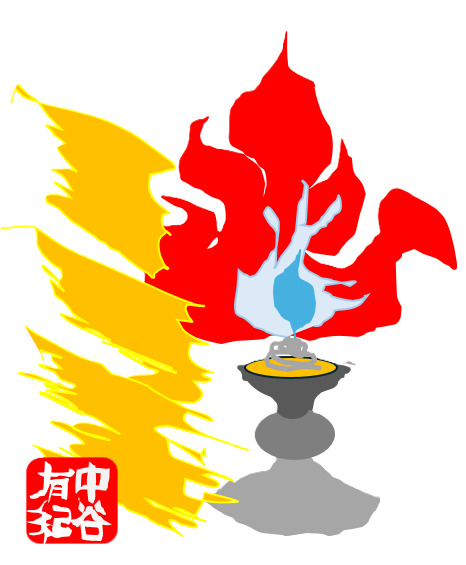
This kanji shows oil being poured from the left into a fire on the right, making the fire grow bigger. That is why it means to ‘pour’ something in order to boost its power or energy.
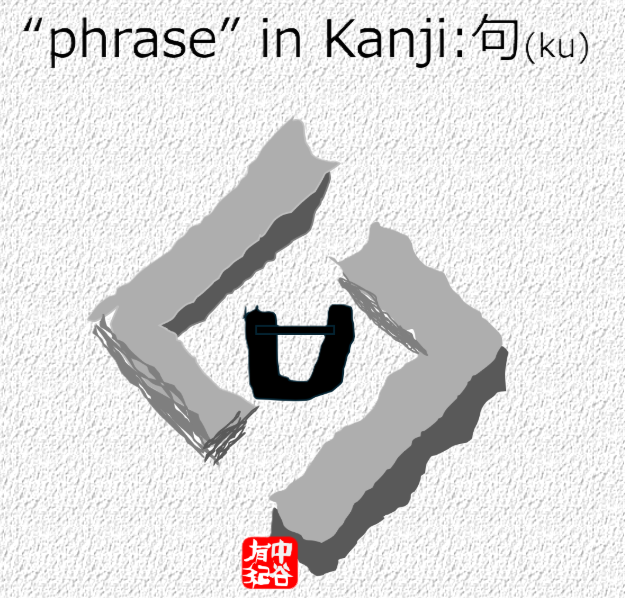

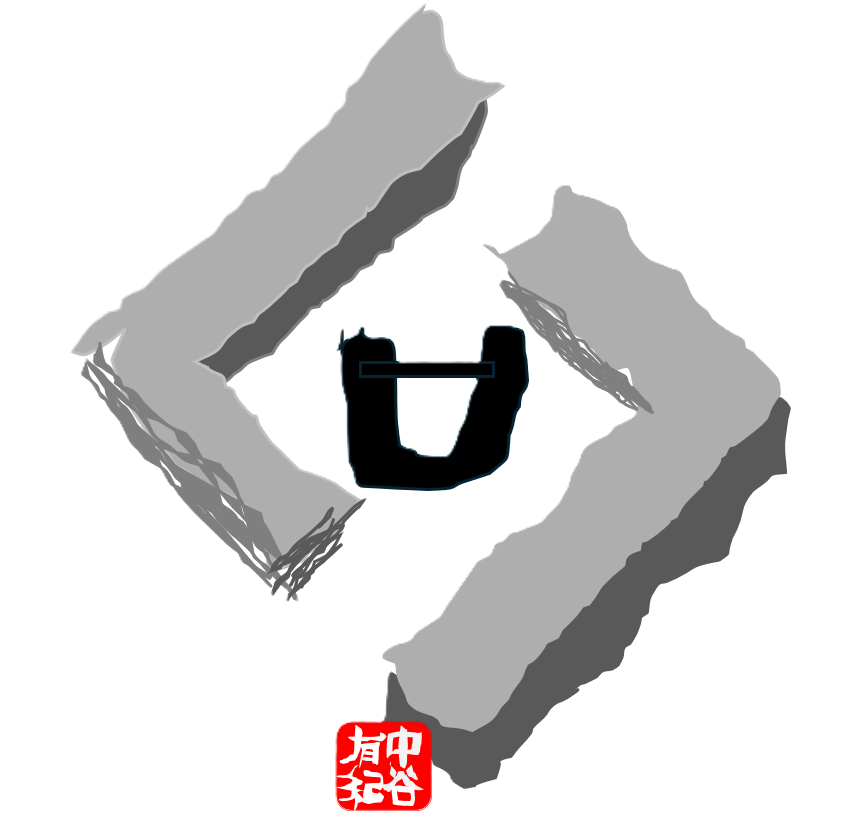
This kanji depicts a mouth enclosed by corner brackets. Therefore, it represents a group of words set apart, meaning a ‘phrase’.
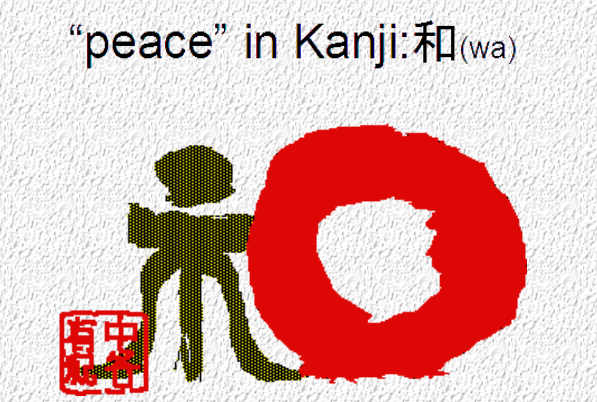

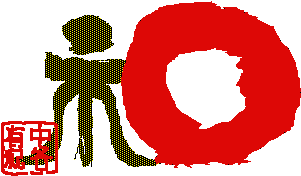
On the left side of this figure, you can find a sacred stand for food and offerings, while on the right, a large circle symbolizes the collective mouth of the people. This character captures the profound moment where citizens discuss and debate their political problems to find a solution in front of the stand representing their gods or king. Therefore, this beautifully comes to mean ‘peace’!
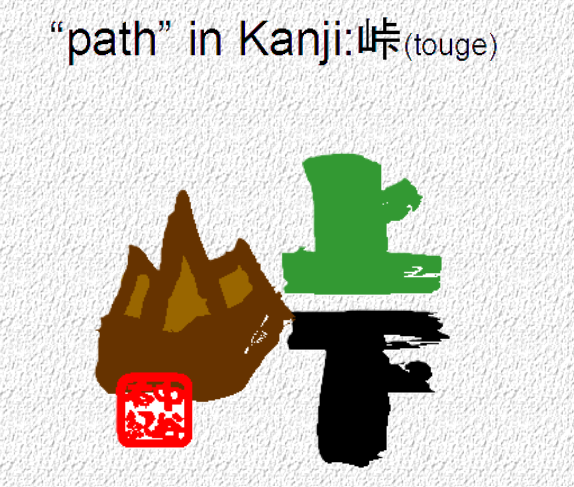

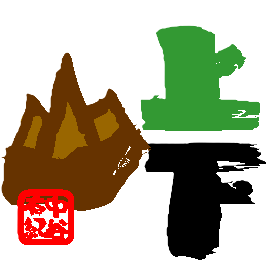
On the left, you can find a mountain, and on the right, you can see the symbols for ‘up’ and ‘down’ stacked together. This character beautifully captures the exact point where a climb turns into a descent, meaning ‘mountain path’ or ‘pass’.