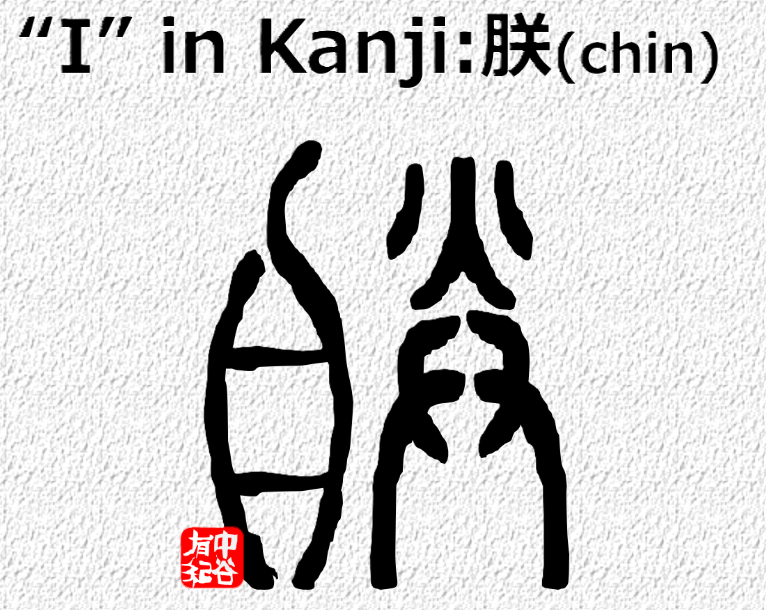

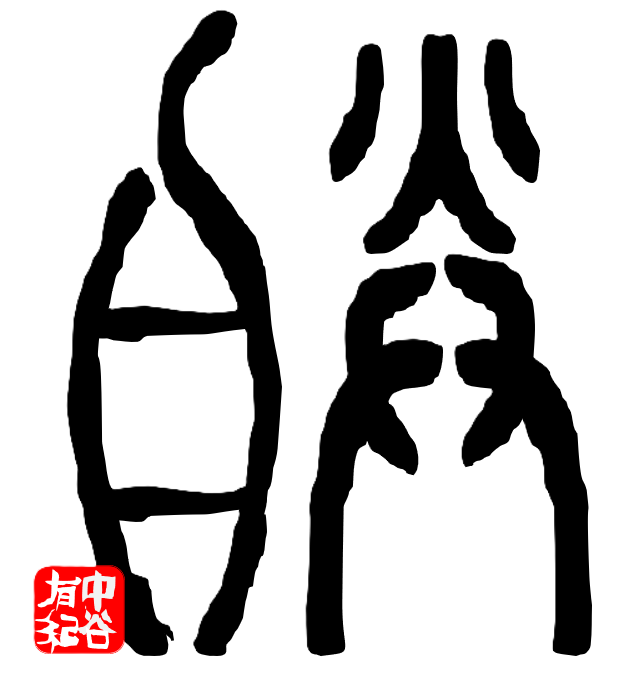
I(朕)

This kanji is composed of two elements: a ‘boat’ component on the left and two hands working together on the right. Combined, it originally carried the nuance of reading subtle signs, meaning ‘to forecast’ or ‘omen.’ Later, Qin Shi Huang, the First Emperor of China, decreed that this word be reserved exclusively as the first-person pronoun for the emperor, believing that only the ruler had the foresight to read subtle signs and guide the nation.

Related Posts

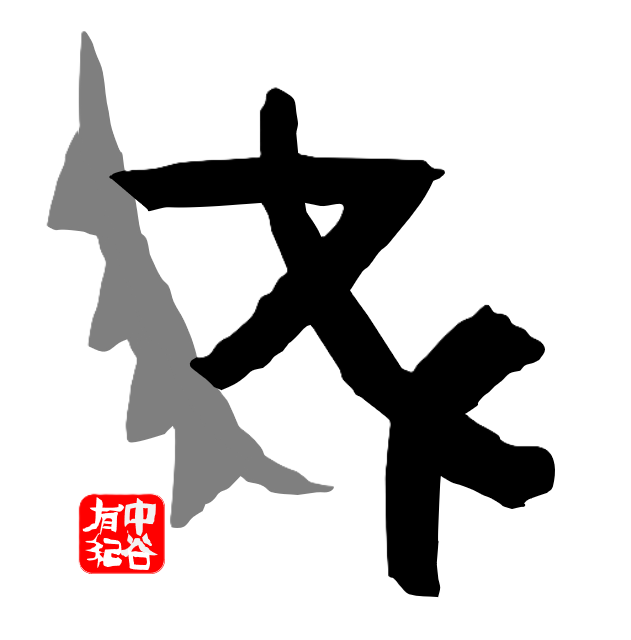
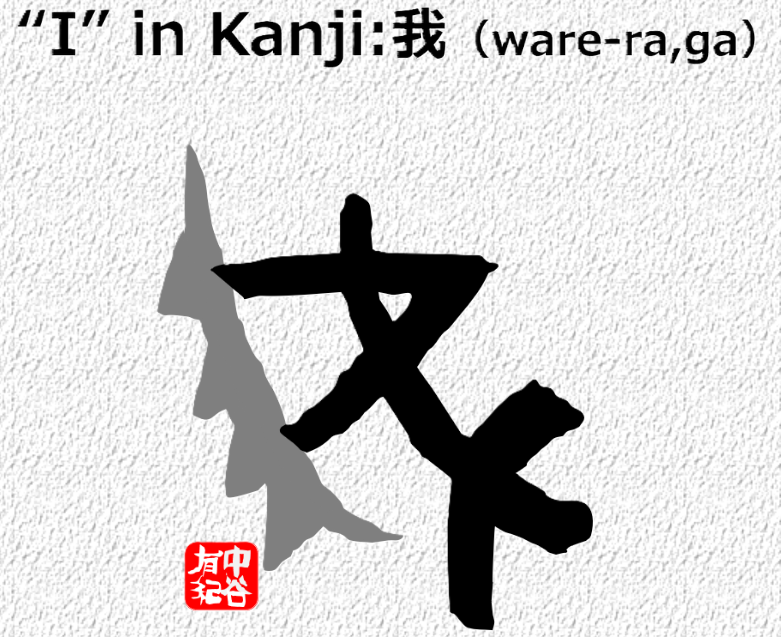
I(我)

This kanji originally depicted a weapon with a large, curved saw or serrated blade. Meanwhile, ancient Chinese had a word meaning ‘I’ or ‘me’ that shared the exact same pronunciation. Because of this phonetic match, people began borrowing this character to write ‘I.’ Over time, its original meaning of a bladed weapon faded, and the kanji came to mean exclusively ‘I’ or ‘myself’ when used as a standalone word.

Words & Phrases

  • 我執(gashuu):attachment to the self / ego-attachment
  • 我慢(gaman):patience,endurance,tolerance
  • 我田引水(gaden insui):draw water to one’s own mill

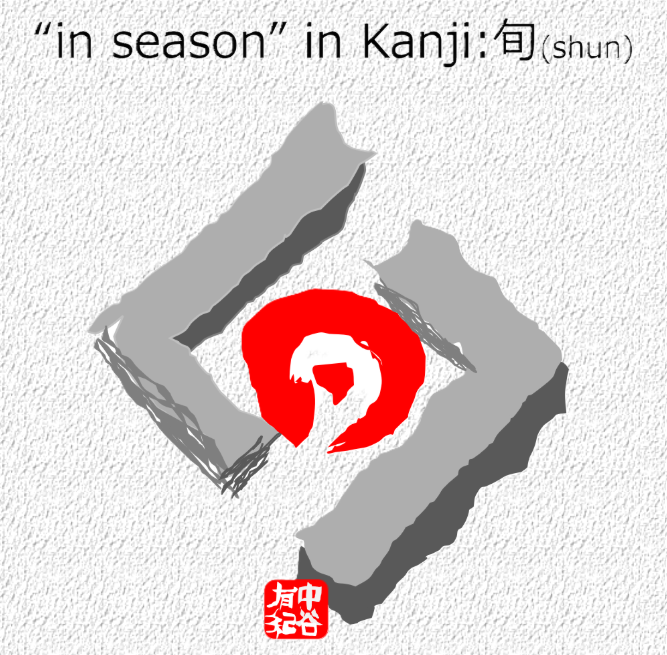
in season(旬)

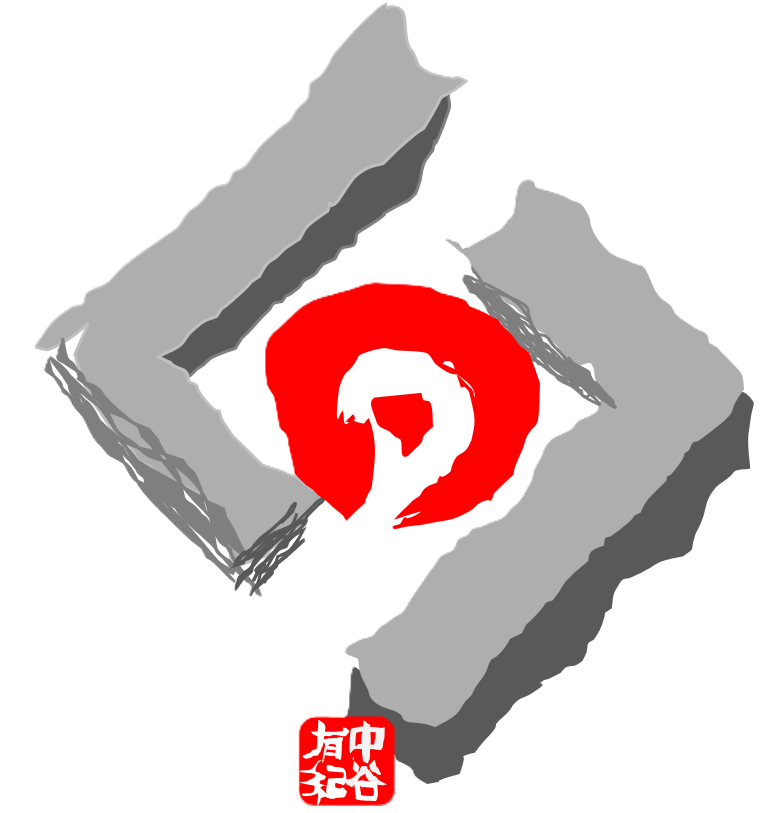
The kanji 旬 (shun) has no direct English equivalent. Depicting the sun enclosed within a frame, it captures a seasonal moment at its absolute peak—symbolizing Japan’s deep appreciation for nature’s seasonal gifts, from fresh food to changing landscapes.

Similarly, the kanji for Haiku (句) encloses a “mouth” instead of the “sun,” representing capturing the essence of the seasons into spoken verse (5-7-5 syllables).