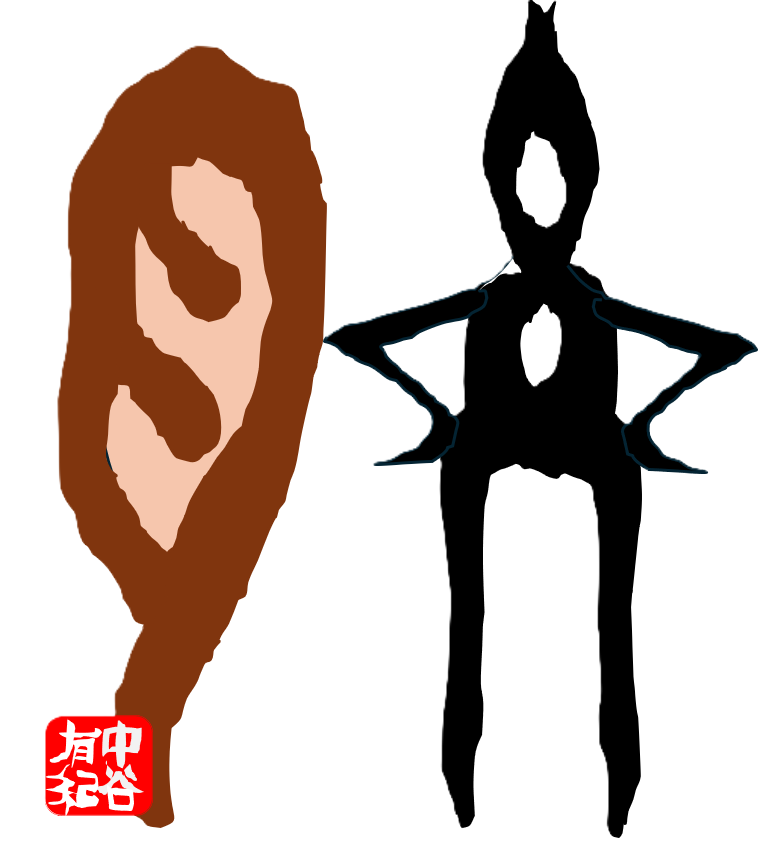
This kanji consists of two parts. On the left is the “body” radical, and on the right is a woman with her hands on her hips, which represents the body’s most important part. Together, this kanji means “hip” or “the most vital physical point.”
The short story of Kanji pictures
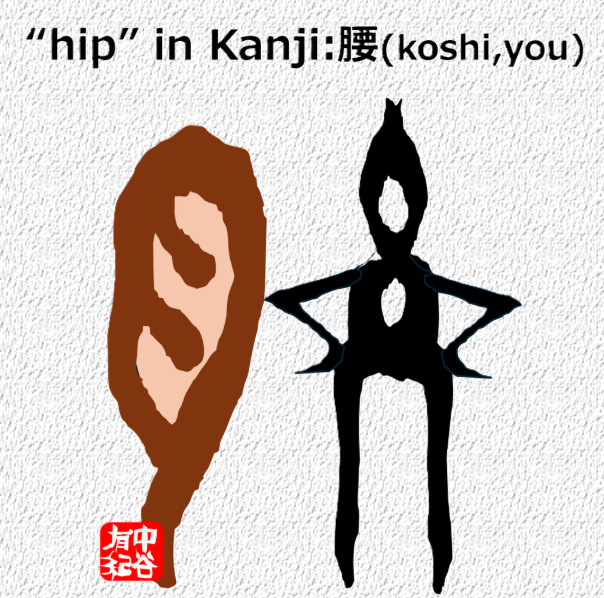
This kanji consists of two parts. On the left is the “body” radical, and on the right is a woman with her hands on her hips, which represents the body’s most important part. Together, this kanji means “hip” or “the most vital physical point.”
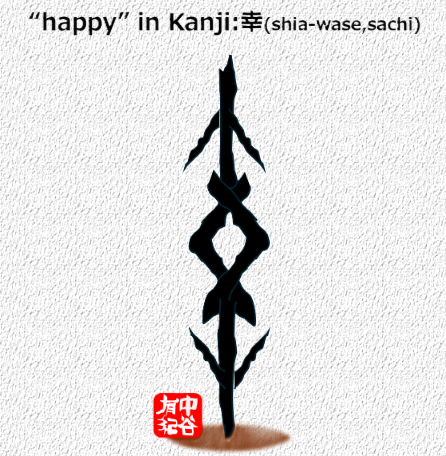

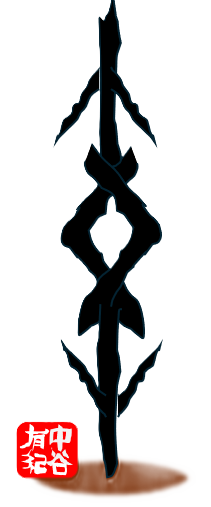
This kanji depicts manacles, an ancient torture device. Many people wonder why a symbol for manacles came to mean ‘happy’? The center of the kanji shows the empty hole where a hand should be, symbolizing the good fortune of narrowly escaping torture.
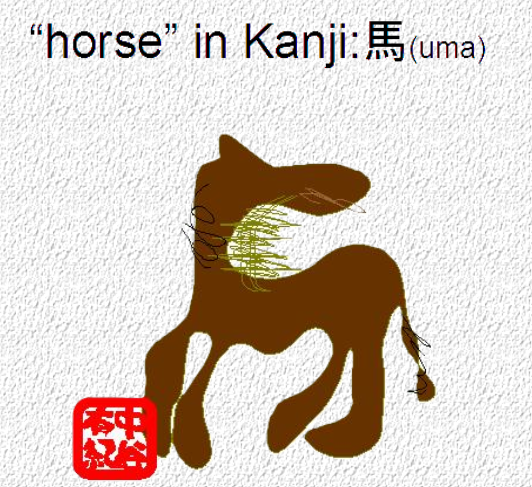
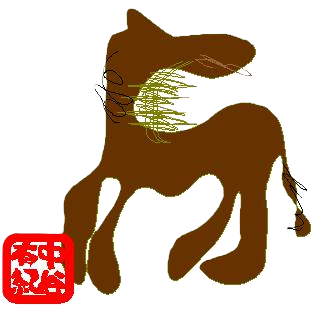
This character symbolizes the shape of an animal that was deeply intertwined with the lives of primitive people. In its lines, you can spot a silhouette just like the iconic Ferrari logo—yes, this character means ‘horse.’ This majestic horse is heading right, firmly standing on its legs, with its tail swept down!
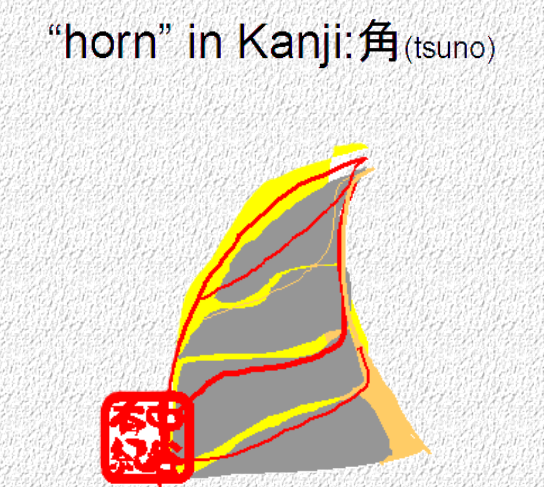
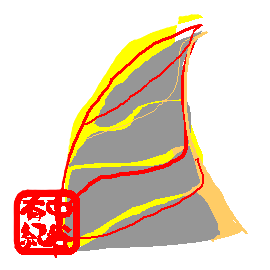
This shape captures nothing but the sharp form of a rhinoceros horn, perfectly standing for ‘horn’ itself!
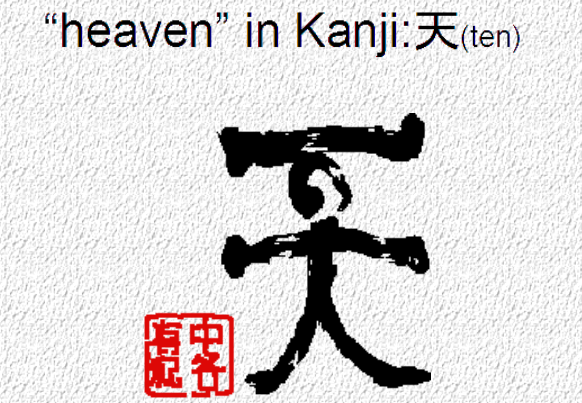
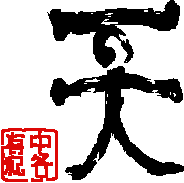
In this figure, you can see a human standing with their arms and legs spread wide. Above their head, a single line is drawn to represent ‘the space far above mankind.’ Therefore, this character means ‘heaven’ in a single word.
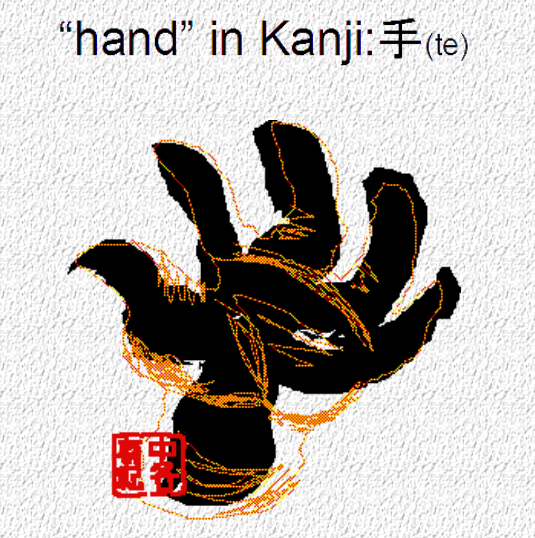
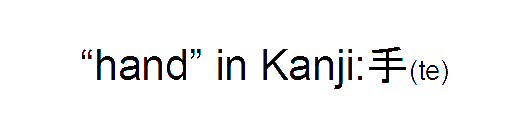
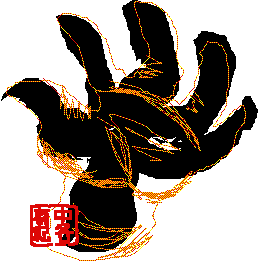
You can clearly see the shape of a hand in this figure. Therefore, this character directly represents ‘hand’.
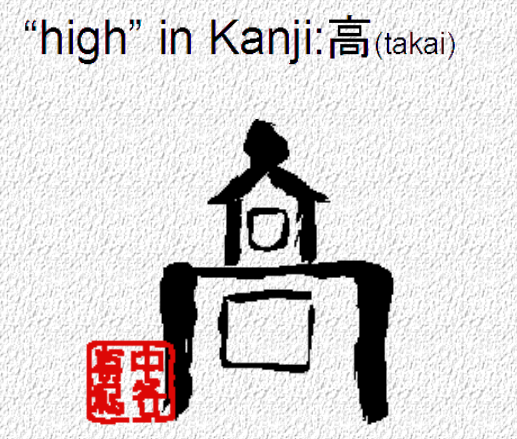
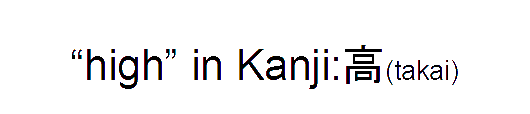
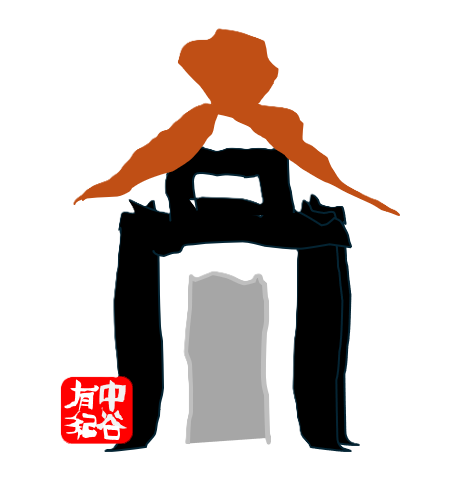
You can easily spot the shape of a castle in this figure. Evolving over time, this character has come to represent the concepts of ‘tall’ and ‘high’.
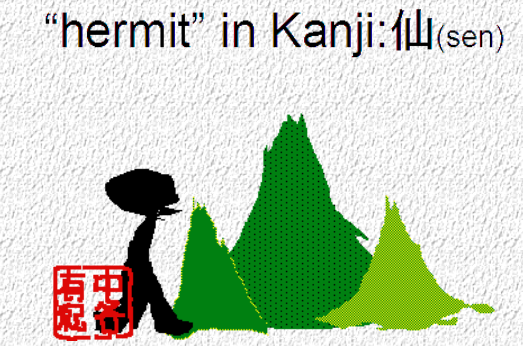
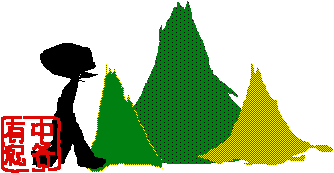
On the left side of this figure, you can see a person, and on the right, a mountain. This character describes someone who lives deep within the mountains, dedicating their life to discovering new inner talents and spiritual strength.