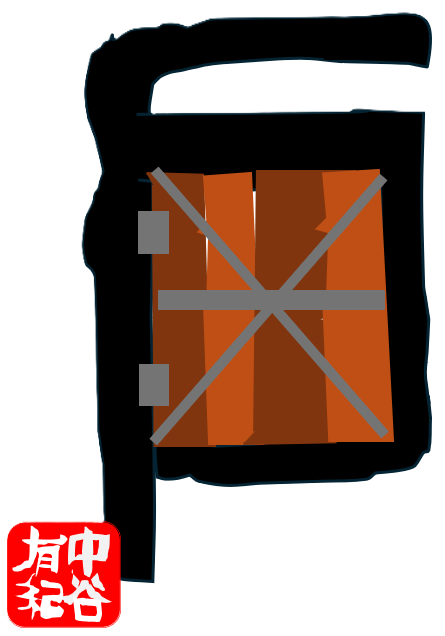
This kanji is a simple depiction of a door. As you can see, it simply means “door”!

The short story of Kanji pictures
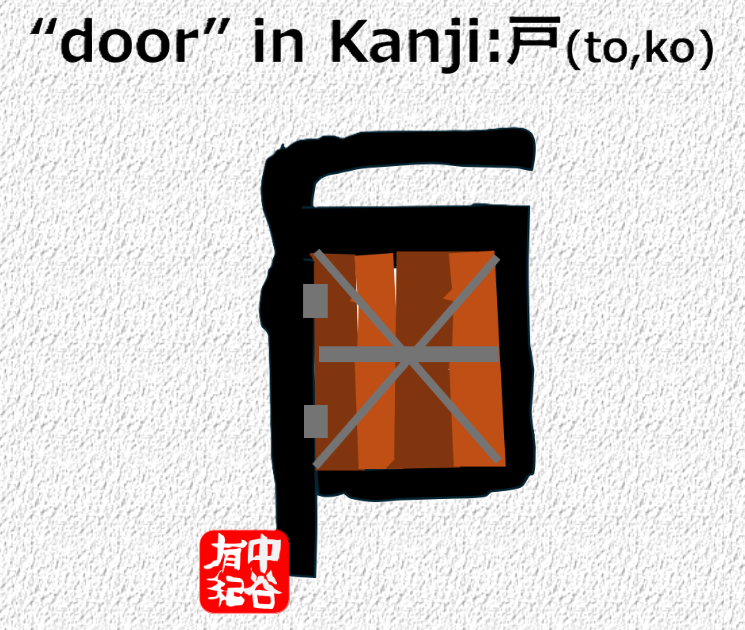
This kanji is a simple depiction of a door. As you can see, it simply means “door”!
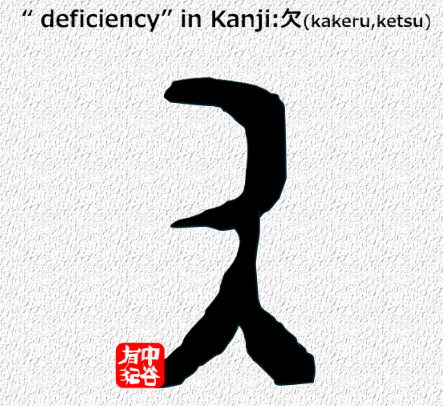

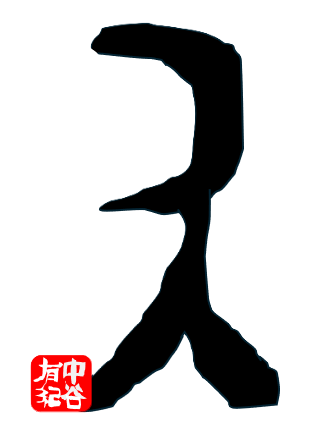
This kanji depicts a person opening their mouth wide, as if yawning. Therefore, it came to mean a lack or deficiency of something.


This kanji depicts an outline of dog lying its head upside.So this kanji means “dog”.And in case of this kanji is used as the radiclal with other parts of kanji, it comes to mean “animals”.


This kanji is composed of the ‘roof’ radical (representing a grand palace or hall) and a symbol representing sound or wind spreading widely. It abstractly depicts a voice or proclamation echoing throughout a large room. Originally, it meant to proclaim an official decree throughout a palace, which eventually came to mean ‘to declare’ or ‘to announce’ publicly.
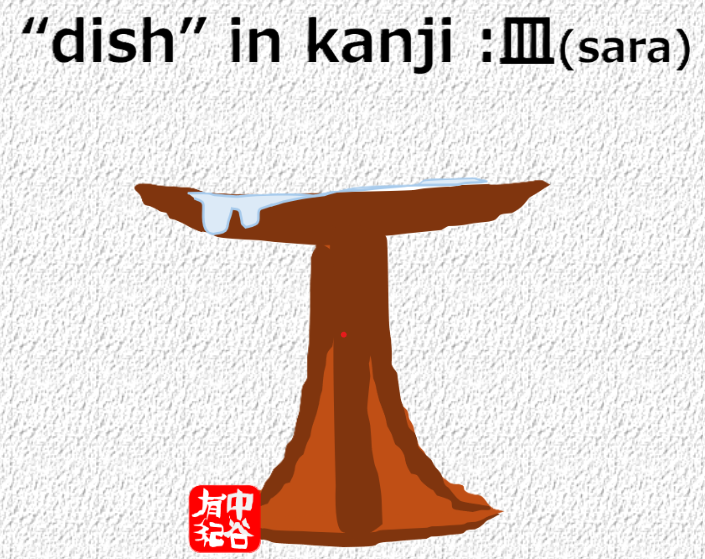

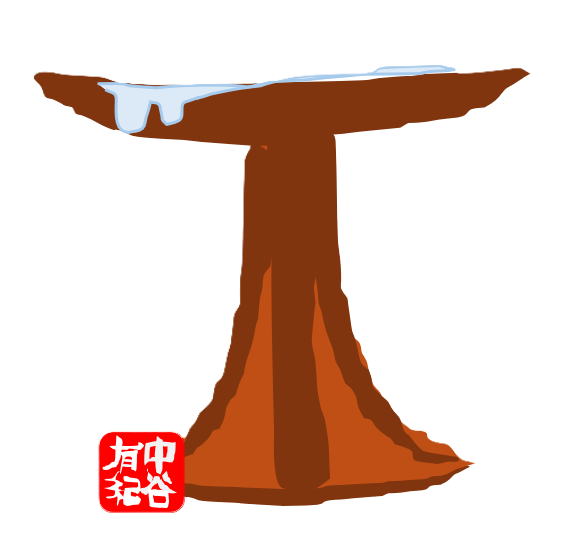
This kanji originally depicted a tall, stemmed dish used for drinking sake or making offerings to the gods. Today, we use it to mean a general ‘dish’ or ‘plate’ for holding all kinds of food and drinks.
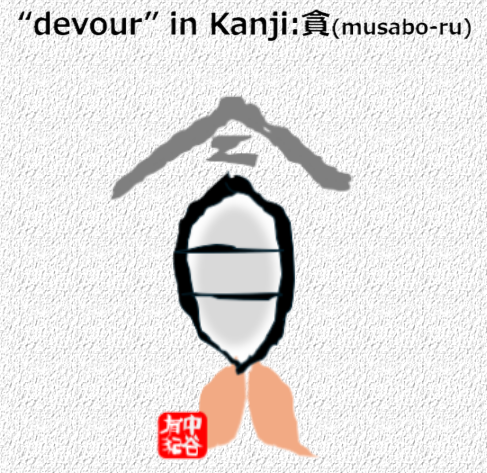

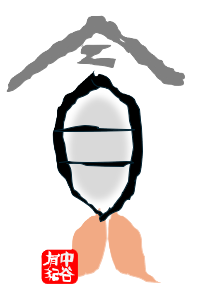
This kanji consists of two parts: a ‘cover’ (or cap) radical on top, and the ‘shell’ radical below, which represents money used in ancient times. Together, they symbolize covering and hiding wealth to keep it all for oneself—hence meaning ‘to devour’ or ‘to be greedy.’
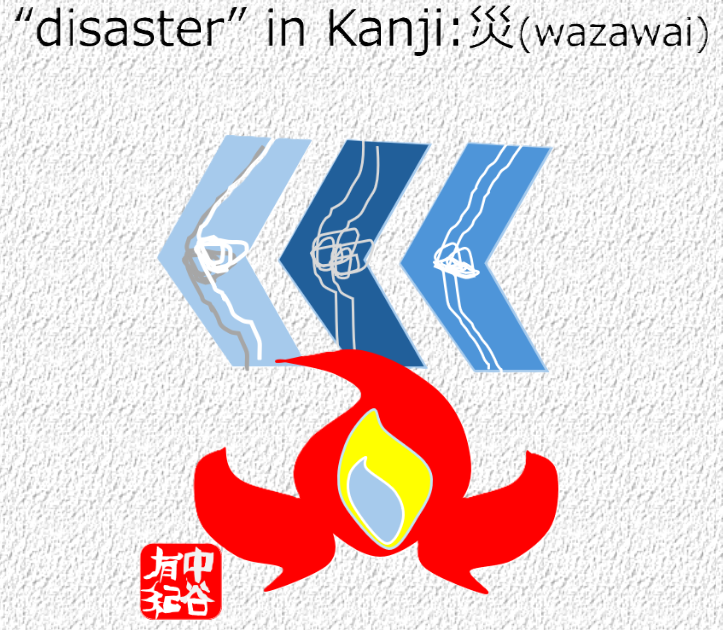
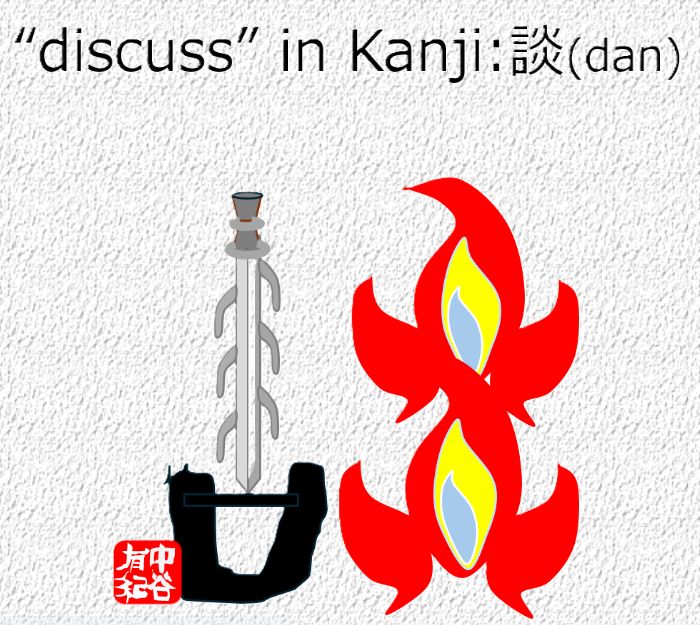

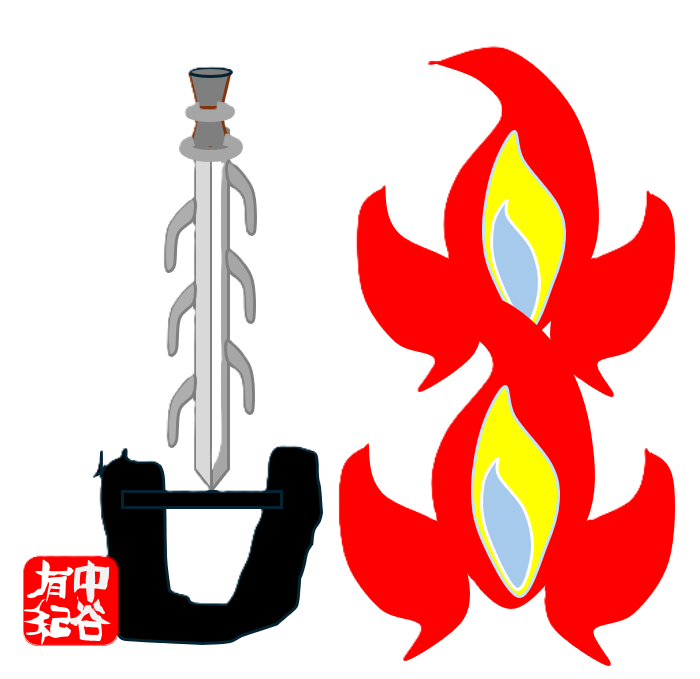
This kanji is composed of two parts: ‘speech’ on the left and ‘fire’ on the right. Therefore, it carries the meaning ‘to discuss’—representing people speaking with a passionate fire in their hearts.
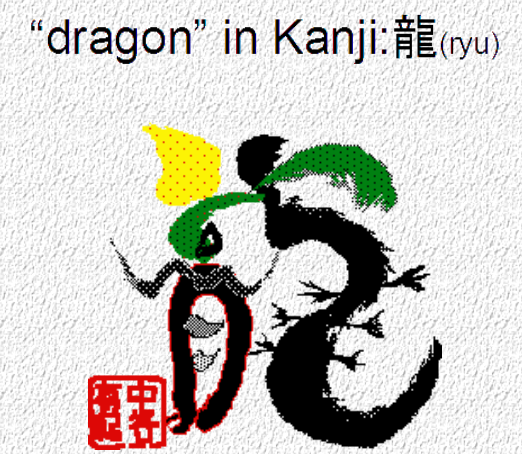
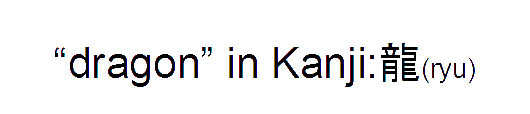
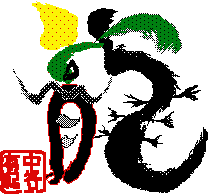
The dragon is a mythical creature that ancient Chinese people believed would appear high in the sky when a momentous event was about to occur. Therefore, this character’s shape symbolizes the mysterious appearance of a dragon flying through the sky with its massive mouth, long tail, and multiple legs.