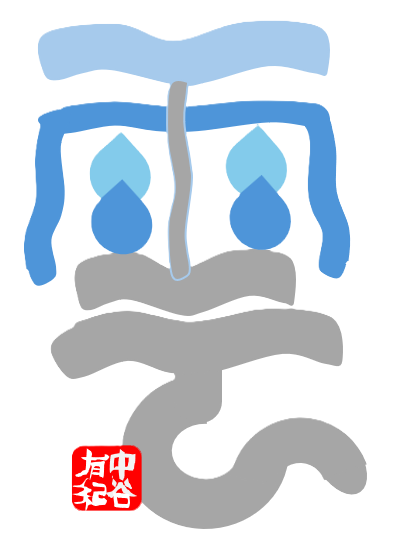
This kanji combines the radical for ‘rain’ at the top with the symbol for a moving cloud at the bottom. Therefore, this kanji carries the meaning of ‘cloud’.
The short story of Kanji pictures
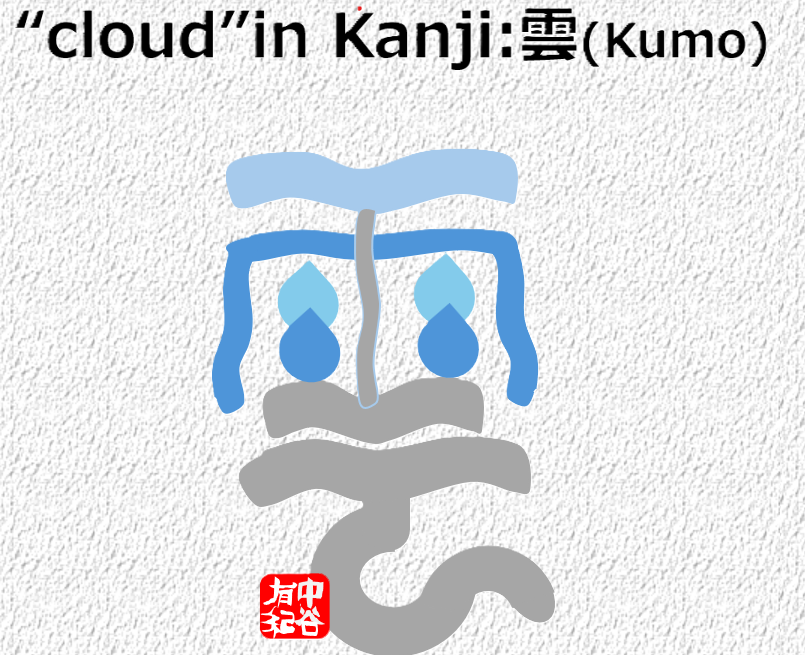
This kanji combines the radical for ‘rain’ at the top with the symbol for a moving cloud at the bottom. Therefore, this kanji carries the meaning of ‘cloud’.
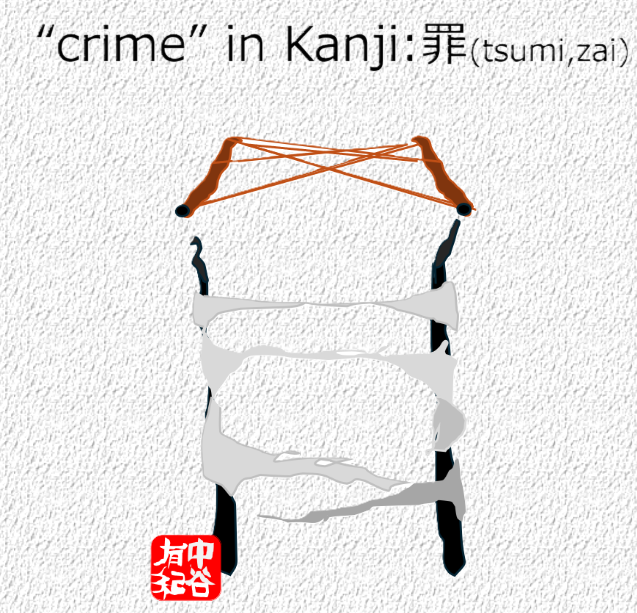

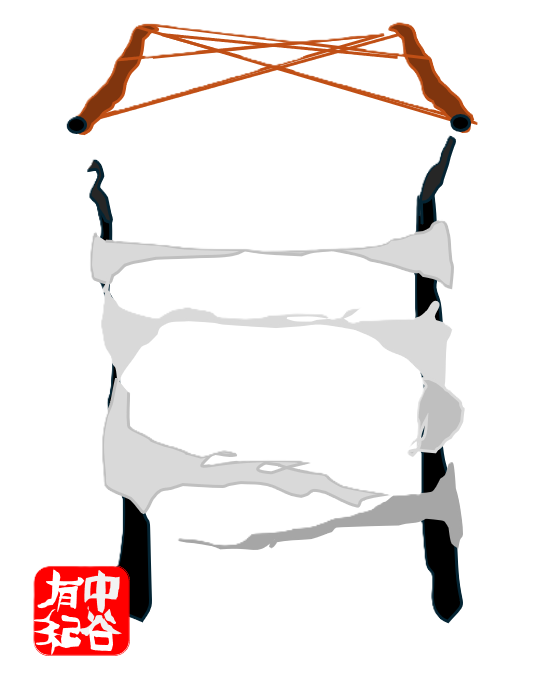
This kanji consists of two parts. The upper part depicts a fishing net, which symbolizes social rules and the law. Below it is something torn like a flag, representing the negative concept of ‘non-‘ or violation. Therefore, this kanji combines these ideas to mean ‘crime’.
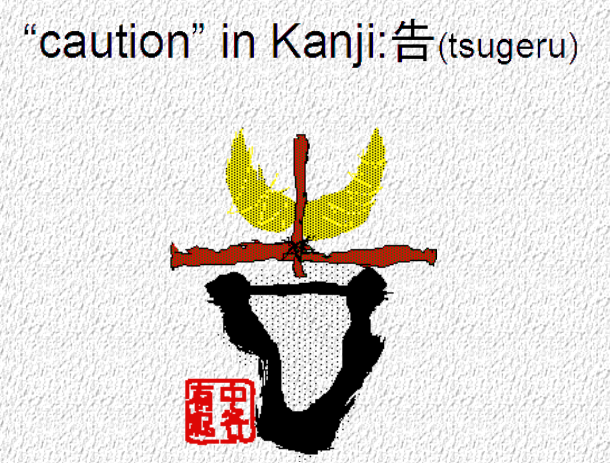
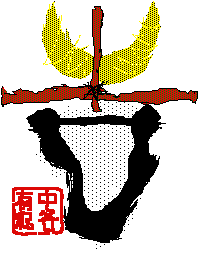
How do you see this character’s shape? It symbolizes the face of a cow with two sharp horns, with a protective wooden bar securely fastened across them. This reflects an ancient custom designed to protect people from the danger of being gored. Therefore, this character has come to represent ‘caution’.
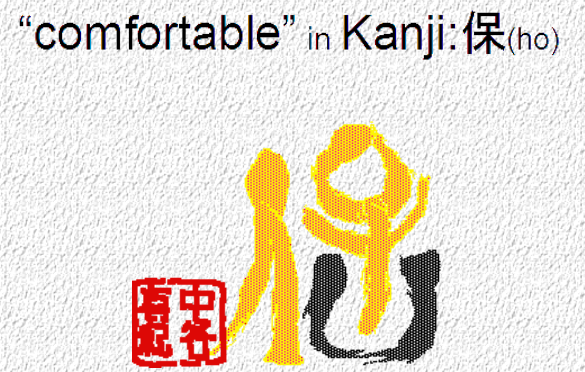
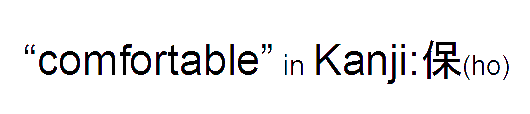
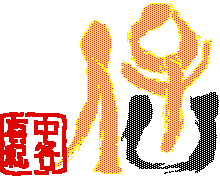
On the right side of this figure, you can see a baby sleeping peacefully in a basket, while on the left, a person—perhaps the father—stands firmly on their own two feet, watching over the infant with great care. This visual conveys a profound sense of feeling comfortable and being safely defended from the outside world. In this way, these characters often generate a whole new meaning derived from combining two distinct images.
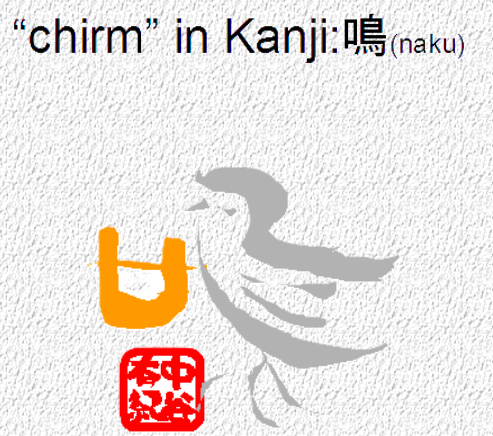
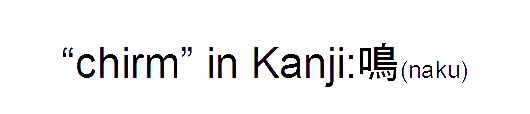
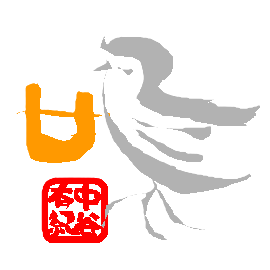
This character depicts a bird chirping with its mouth open. On the left side, you can see the symbol for a mouth. Therefore, this character carries the meaning of ‘chirp’ or ‘cry’.
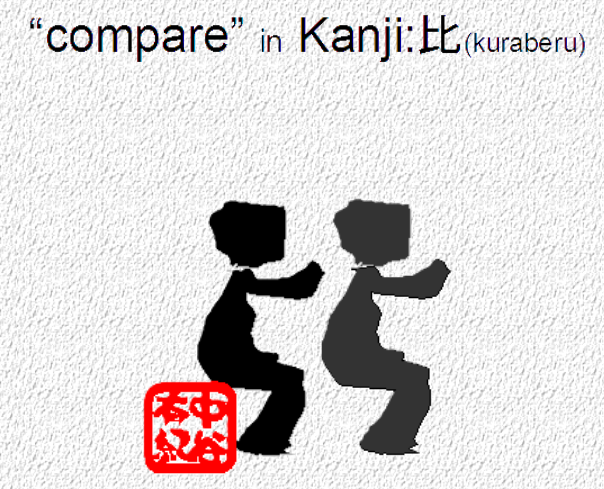
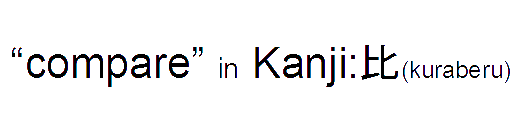
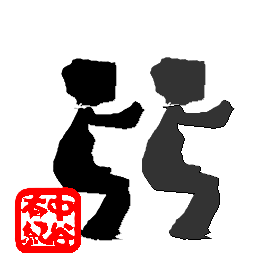
This character depicts two men dancing and matching their steps against each other. Therefore, it carries the meaning ‘to compare’.