
capital(京)

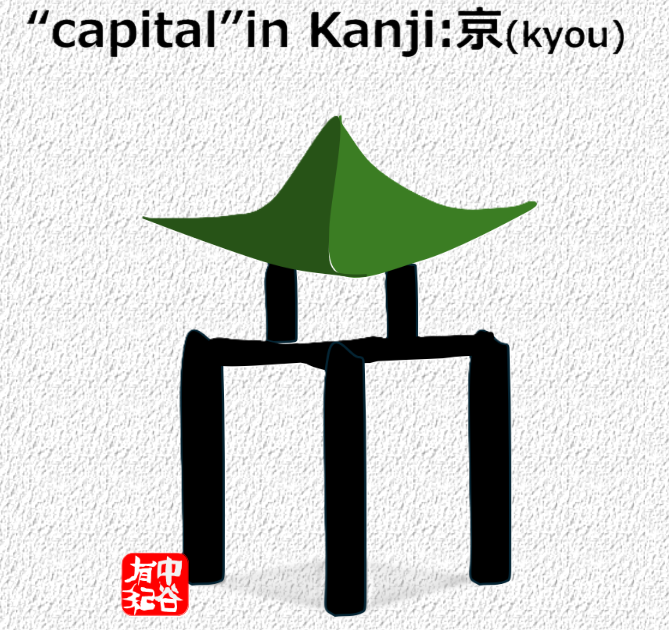
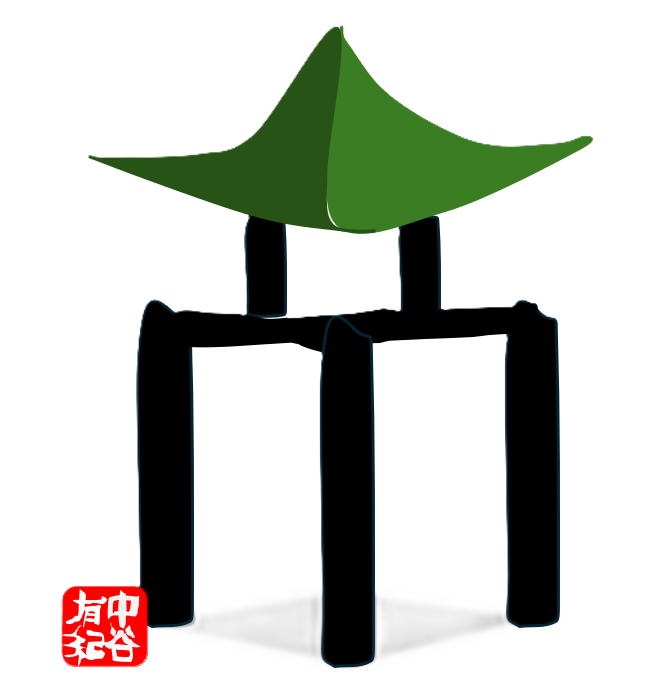
This kanji depicts a large building with tall pillars and a wide roof. Thus, it came to mean the place where such grand buildings gather—that is, ‘the capital.’ Both the former capital, Kyoto, and the current capital, Tokyo, have this kanji in their names.

crime(罪)

This kanji consists of two parts. The upper part depicts a fishing net, which symbolizes social rules and the law. Below it is something torn like a flag, representing the negative concept of ‘non-‘ or violation. Therefore, this kanji combines these ideas to mean ‘crime’.

create(作)

On the left side of this figure, you can see a person standing, while on the right, there is a piece of wood being cut for a project they are crafting. Therefore, this character beautifully captures the essence of what it means to ‘create’ or ‘make’ something.

comfortable(保)

On the right side of this figure, you can see a baby sleeping peacefully in a basket, while on the left, a person—perhaps the father—stands firmly on their own two feet, watching over the infant with great care. This visual conveys a profound sense of feeling comfortable and being safely defended from the outside world. In this way, these characters often generate a whole new meaning derived from combining two distinct images.

Related Posts