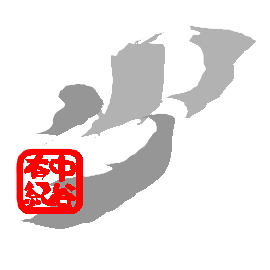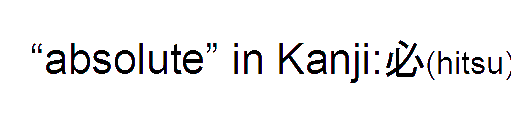
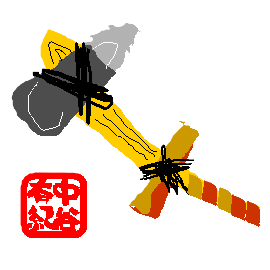
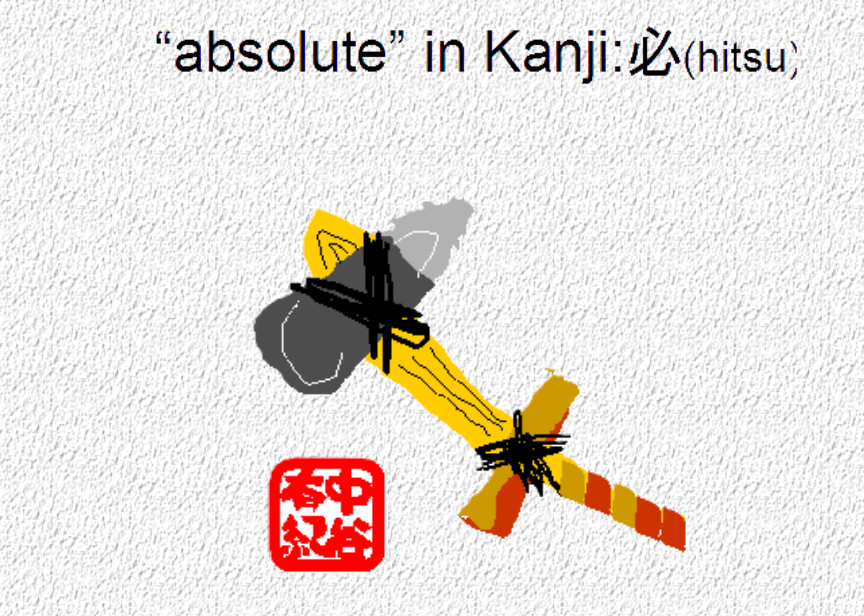
This character stems from the image of something being bound tightly to ensure it never breaks apart. Just as it looks, this total certainty and strong determination represents the concept of ‘ABSOLUTE’ or ‘MUST.’
The short story of Kanji pictures
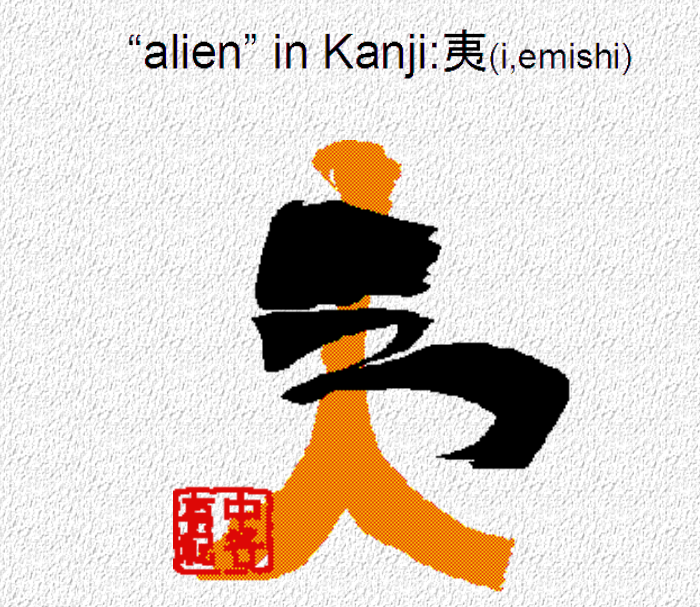

In ancient Japan, the central government in the west considered the eastern tribes to be enemies. They called these people the ‘Emishi.’ This kanji was created to reflect the unique clothing and style of the Emishi people.
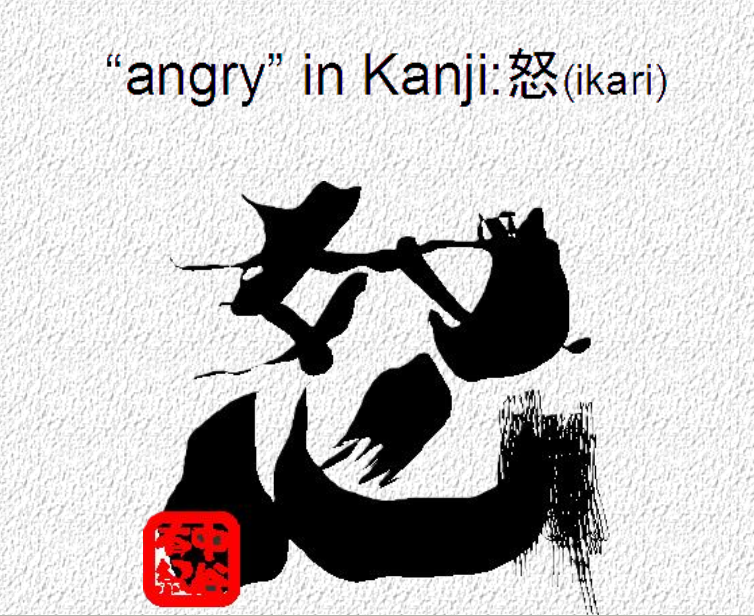
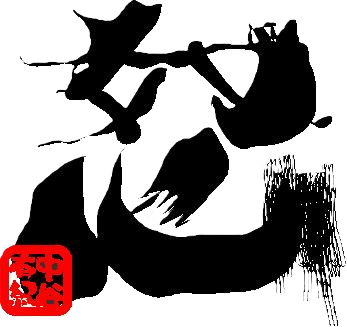
This kanji is made up of three parts. The top-left means ‘woman,’ the top-right means ‘hand,’ and the bottom means ‘heart.’ Together, I think this kanji symbolizes a primal emotion that a man feels when his woman is taken by someone else—angry.
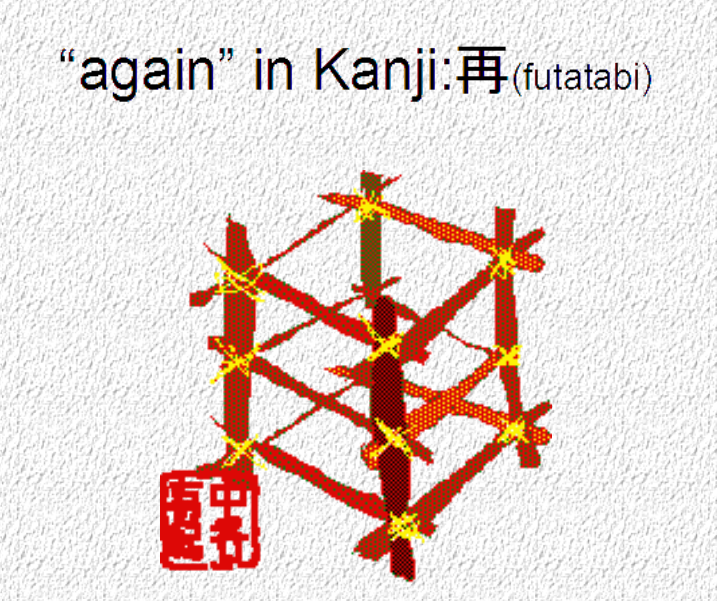
“You can see a structure made of many wooden posts in this drawing. It represents the act of assembling the same materials repeatedly—which is why this kanji means ‘again.'”