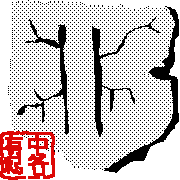

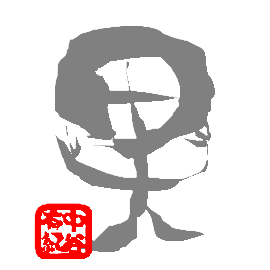

Here, you can see a large rock with a hole in it. This kanji actually means ‘hole,’ which symbolizes a dugout house from the primitive era.


Here, you can see a large rock with a hole in it. This kanji actually means ‘hole,’ which symbolizes a dugout house from the primitive era.


Perhaps, it is also a very simple character that symbolizes things exactly as they look. Look, it’s raining from a cloud!


This kanji combines ‘musical sound’ on the left with a decorative pattern, like bird feathers, on the right. This combination gives the character its meaning: ‘clear and beautiful’ like music.


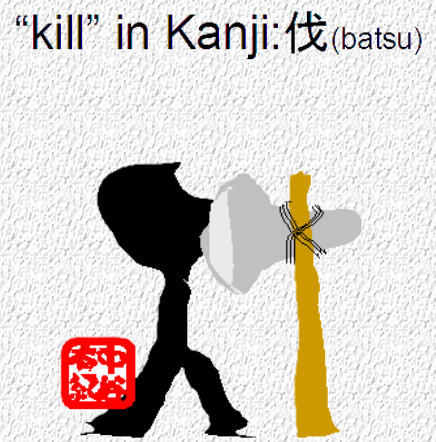
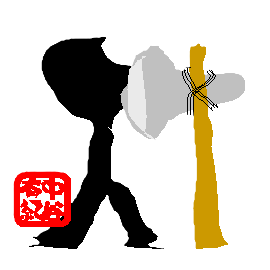
A huge tree was cut down with a sharp ax, leaving behind a fresh stump. This image of a freshly cut tree is why this kanji came to mean ‘NEW’!


Ancient people dug up the ground like this to make houses and tombs. Since this work was exhausting, they often couldn’t dig enough. Therefore, this kanji represents being “not quite enough” or “slightly incomplete”,”sub-“.


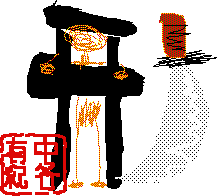
“You can see a structure made of many wooden posts in this drawing. It represents the act of assembling the same materials repeatedly—which is why this kanji means ‘again.'”