
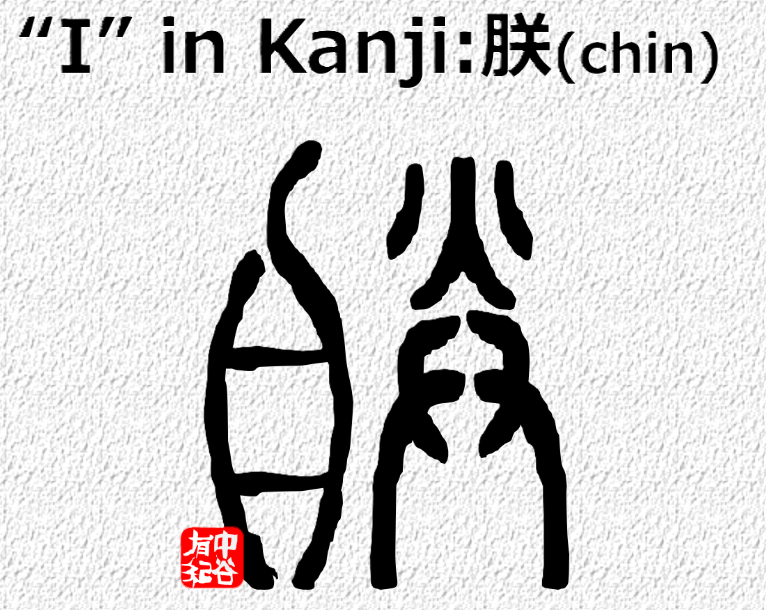

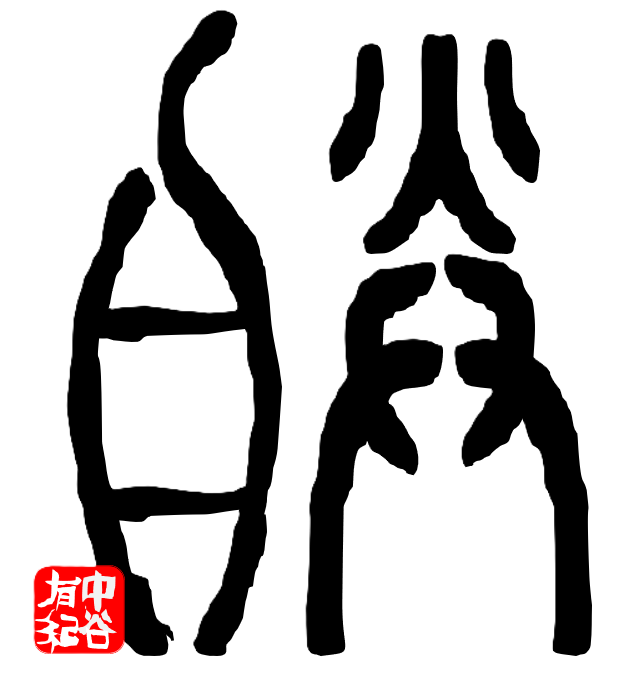
This kanji is composed of two elements: a ‘boat’ component on the left and two hands working together on the right. Combined, it originally carried the nuance of reading subtle signs, meaning ‘to forecast’ or ‘omen.’ Later, Qin Shi Huang, the First Emperor of China, decreed that this word be reserved exclusively as the first-person pronoun for the emperor, believing that only the ruler had the foresight to read subtle signs and guide the nation.