
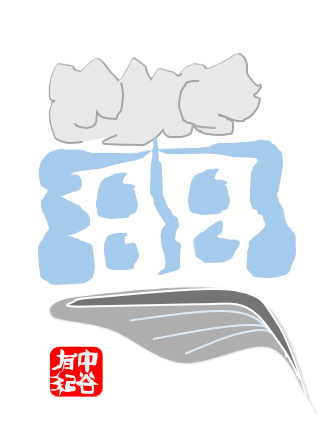
This kanji consists of two parts: the radical for ‘rain’ at the top, and ‘feathers’ below. Therefore, this kanji means ‘snow’—depicting rain that freezes and falls softly through the air like fluffy feathers.

The short story of Kanji pictures
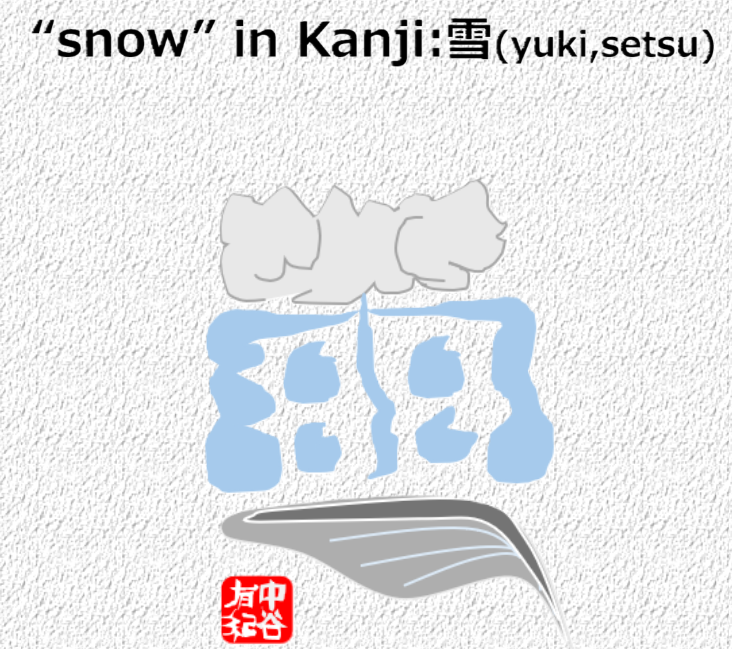
This kanji consists of two parts: the radical for ‘rain’ at the top, and ‘feathers’ below. Therefore, this kanji means ‘snow’—depicting rain that freezes and falls softly through the air like fluffy feathers.
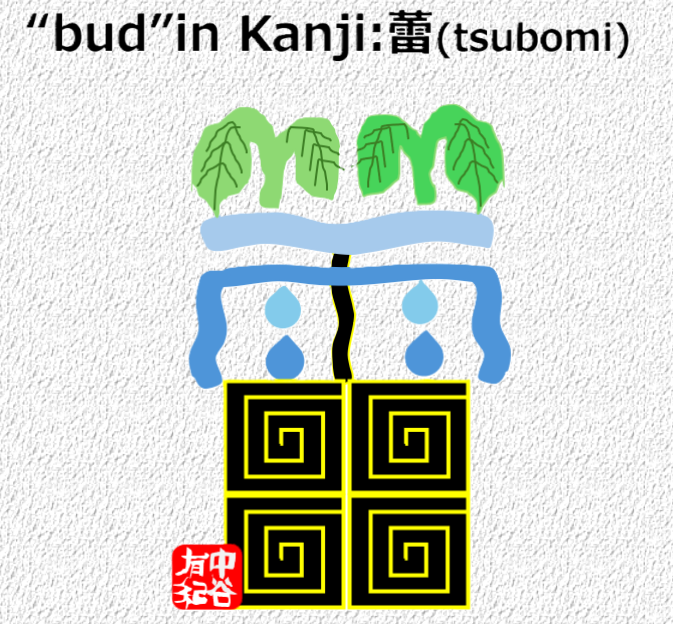

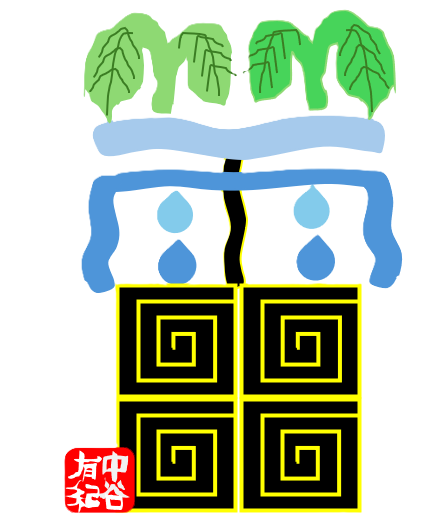
This kanji consists of two parts: the ‘grass’ radical on top, and the kanji for ‘thunderstorm’ below. So, why does this kanji mean ‘bud’? It is said that the flash of a thunderstorm resembles a flower bud bursting with bright light.
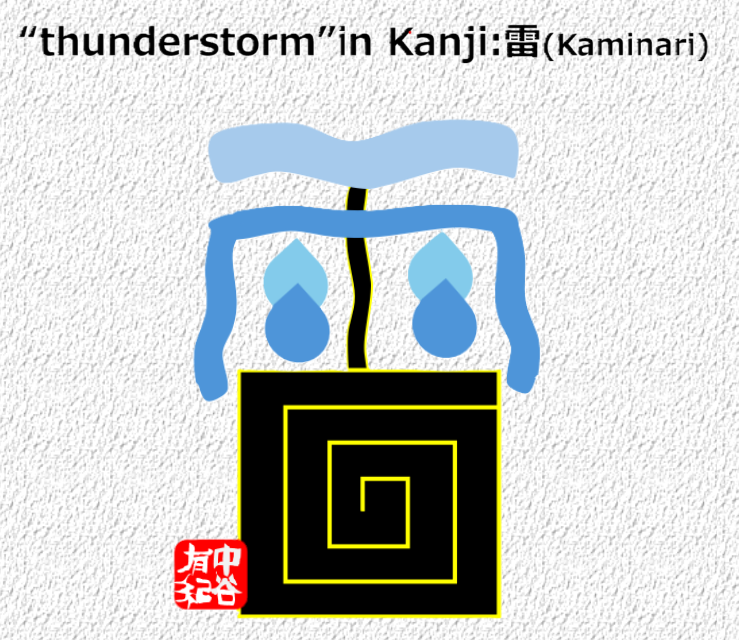

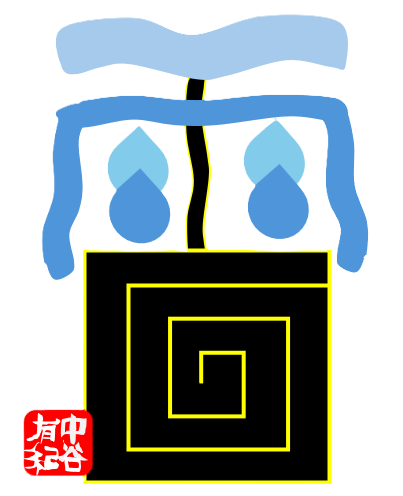
This kanji combines the radical for ‘rain’ at the top with the symbol for flashing lightning at the bottom. Therefore, this kanji carries the meaning of ‘thunder’ or ‘lightning’.
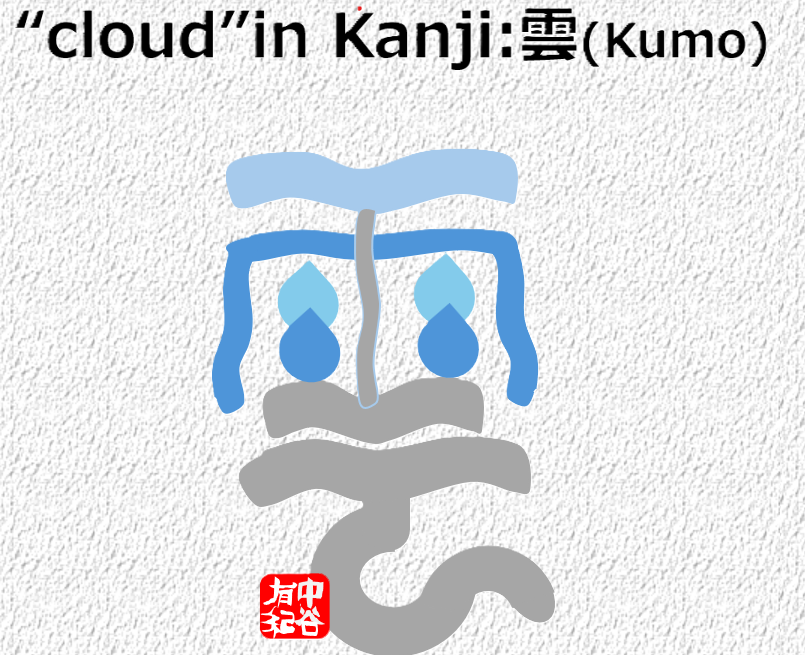

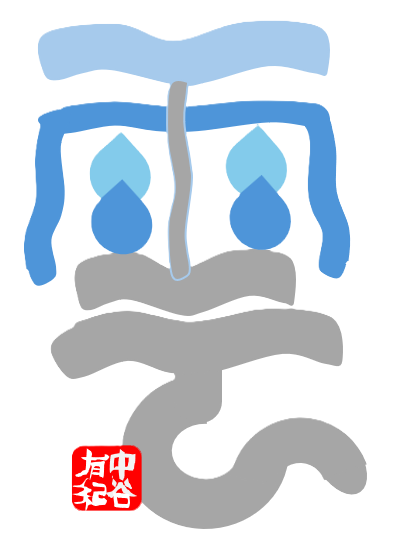
This kanji combines the radical for ‘rain’ at the top with the symbol for a moving cloud at the bottom. Therefore, this kanji carries the meaning of ‘cloud’.
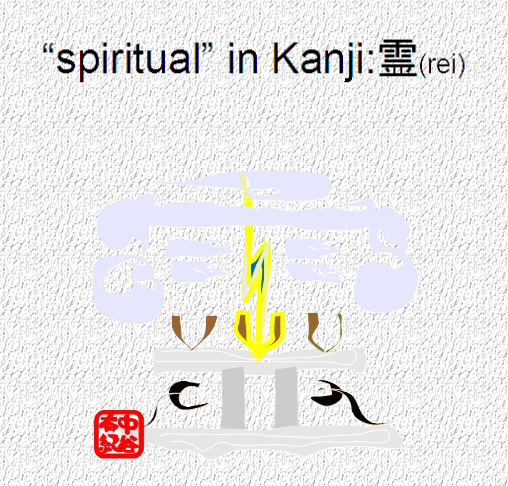

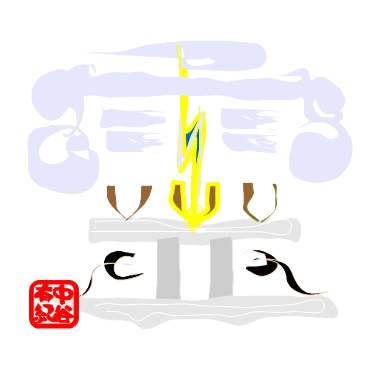
This character depicts a cloud with a thunderbolt striking one of the clay pods devoted to God. Ancient people prayed and sought to hear divine messages through sacred ceremonies like this, which is why it now carries the meaning of ‘spiritual’.
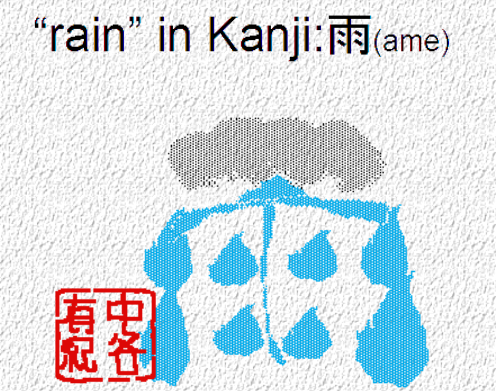

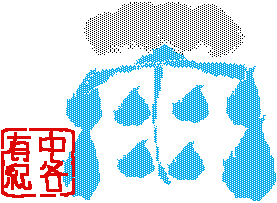
Perhaps, it is also a very simple character that symbolizes things exactly as they look. Look, it’s raining from a cloud!