
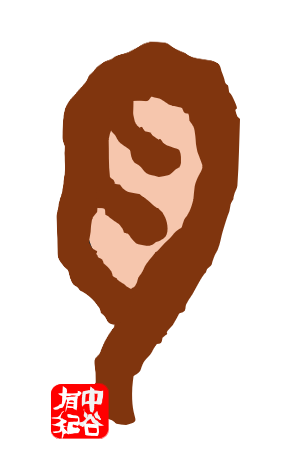
This kanji simply depicts a slice of meat. So, as you can see, it means ‘meat.’
The short story of Kanji pictures
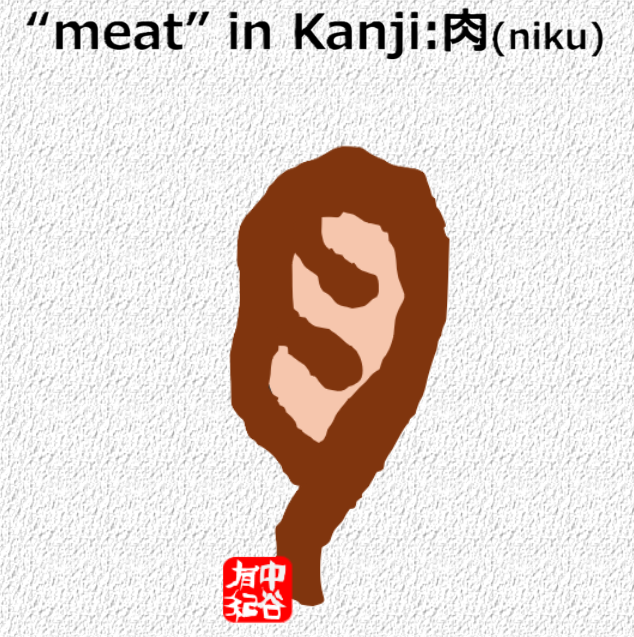
This kanji simply depicts a slice of meat. So, as you can see, it means ‘meat.’
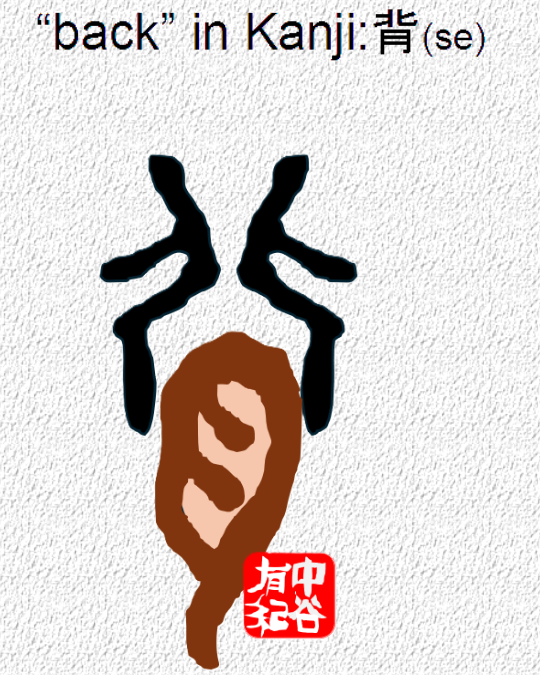

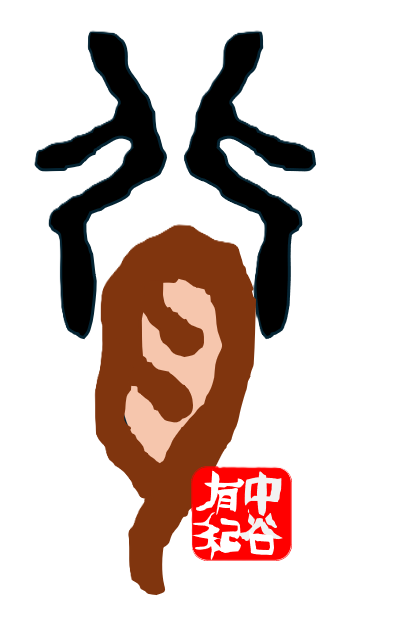
This kanji consists of two parts. The top radical represents two people sitting back-to-back, which originally meant “back.” Later, it came to mean “north” because ancient Chinese emperors always faced south when seated, putting their backs to the north. To restore and clarify the original meaning, the radical for “muscle” or “body” was added to the bottom, creating the kanji that means “back.”