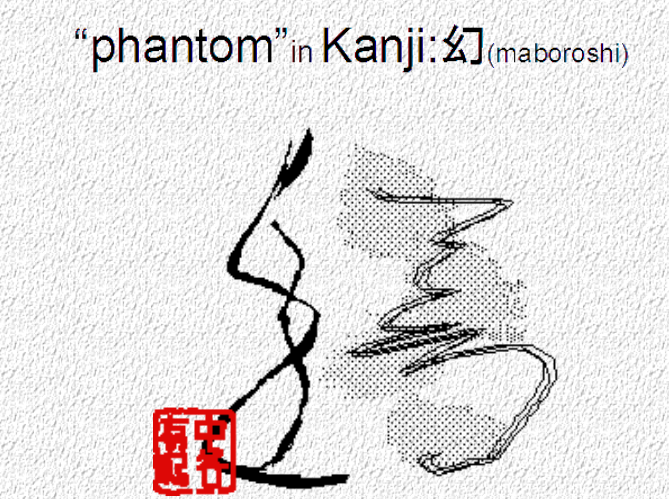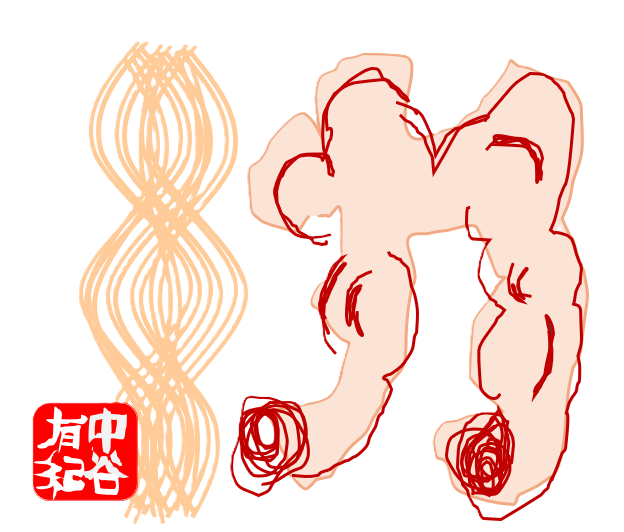
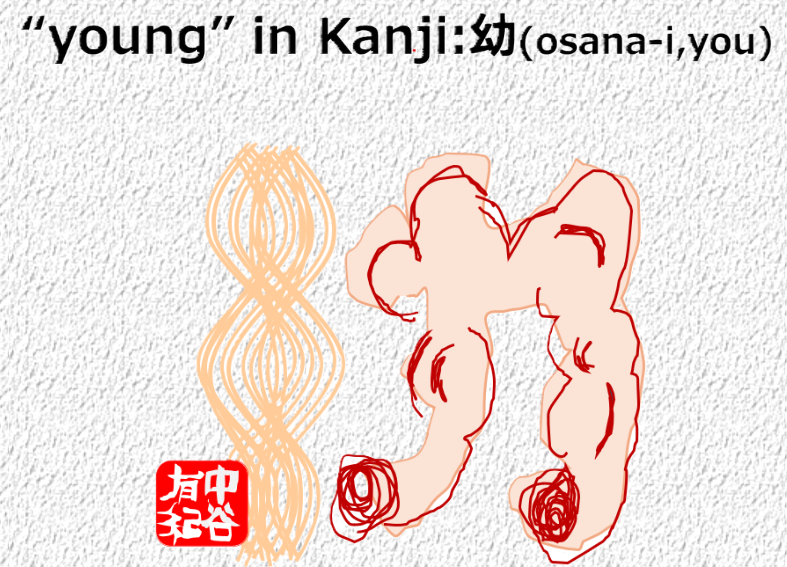
This kanji combines the radical for “small thread” on the left with “power” on the right. Symbolizing a weak or limited force, it evolved to mean “young,” “child,” or “inexperienced.”
The short story of Kanji pictures
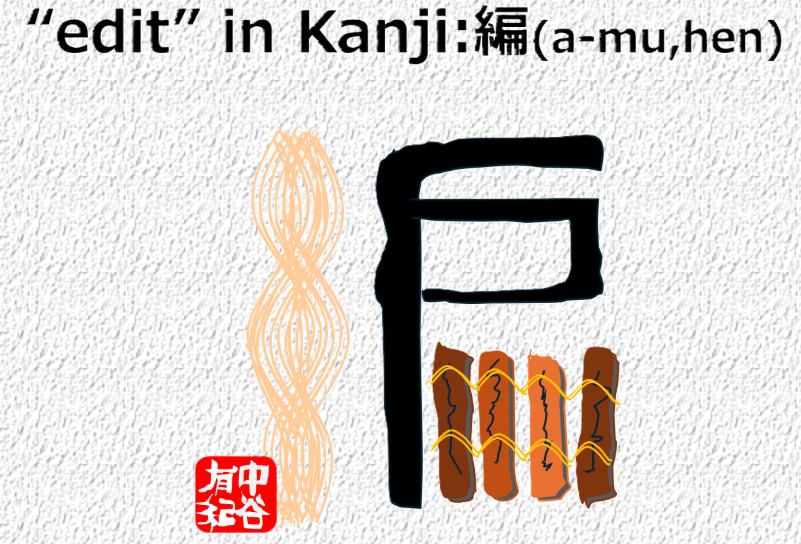

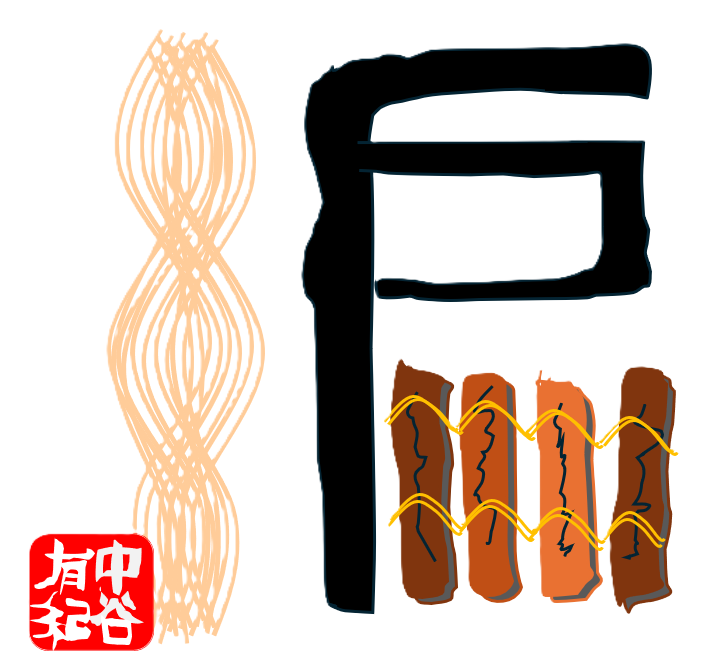
This kanji consists of two parts. On the left is the “thread” radical, and on the right is a component representing a sign or nameplate hung on a door. Together, this kanji originally depicted binding scattered wooden tablets or papers together with thread. By extension, it came to mean “to edit” or “to compile” books and documents.
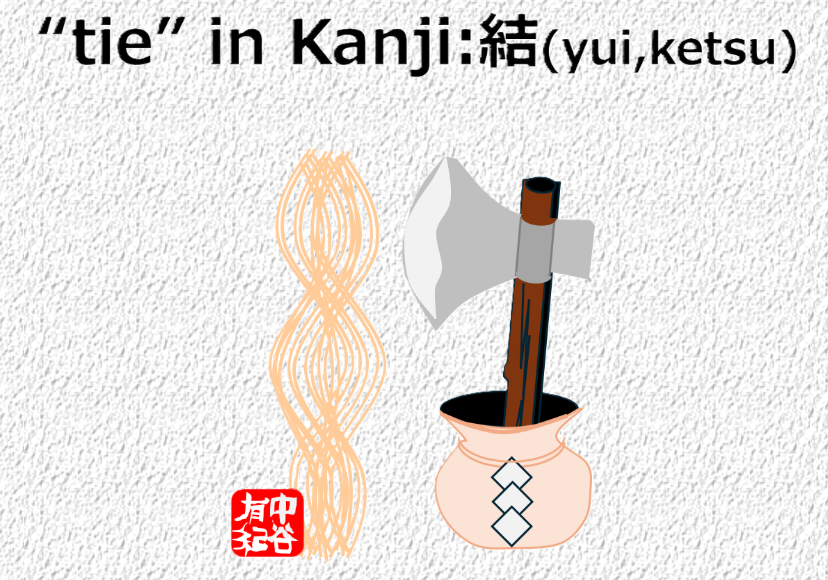

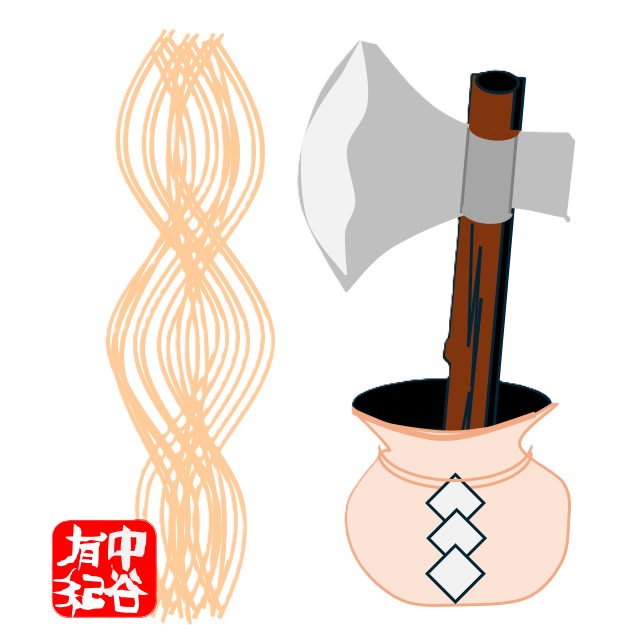
This kanji consists of two parts. On the left is the “thread” radical, and on the right is a component representing weapons safely stored in a sacred box—symbolizing peace and a solemn promise after war. Together, this kanji depicts binding thread tightly to seal a sacred vow, which is why it came to mean “to tie,” “to bind,” or “to unite.”
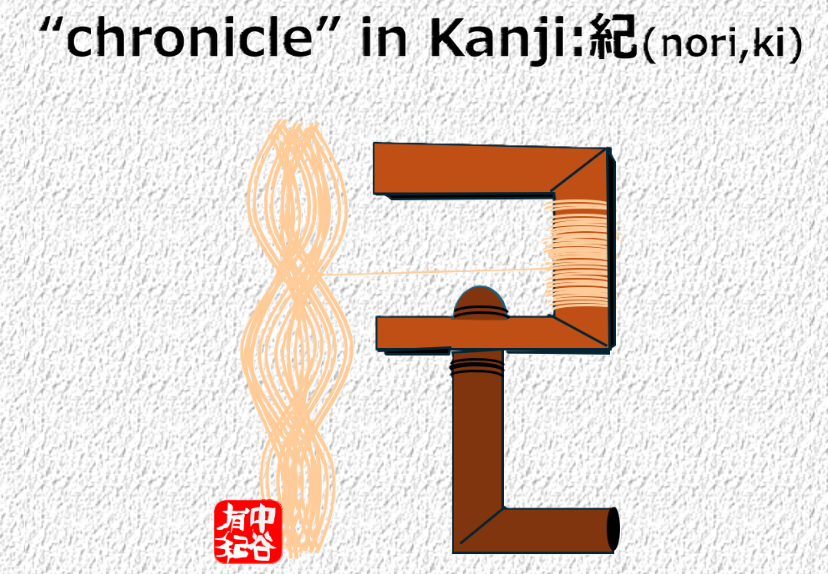

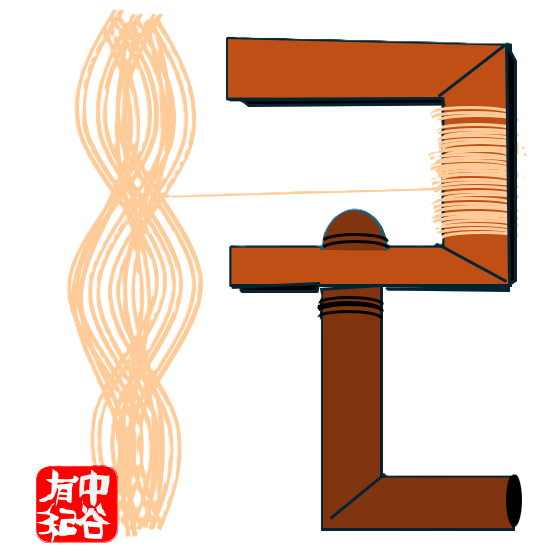
This kanji depicts a thread and a reel. Just like neatly winding thread onto a spool, it represents a chronicle—methodically recording history and societal rules step by step.
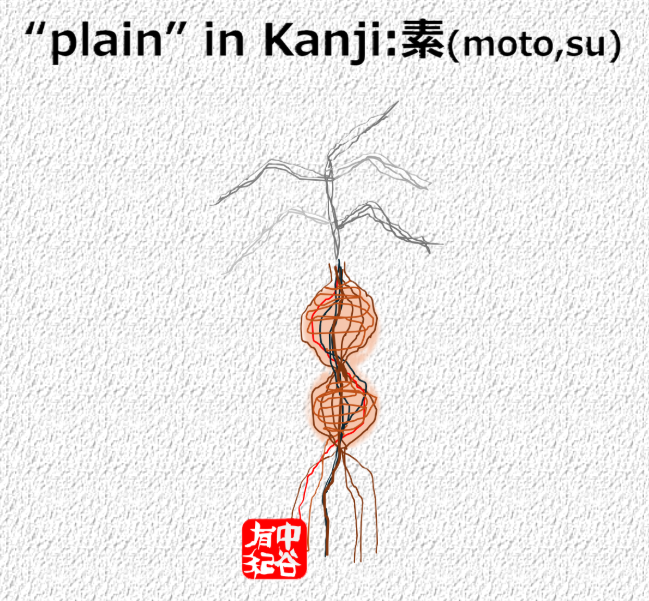

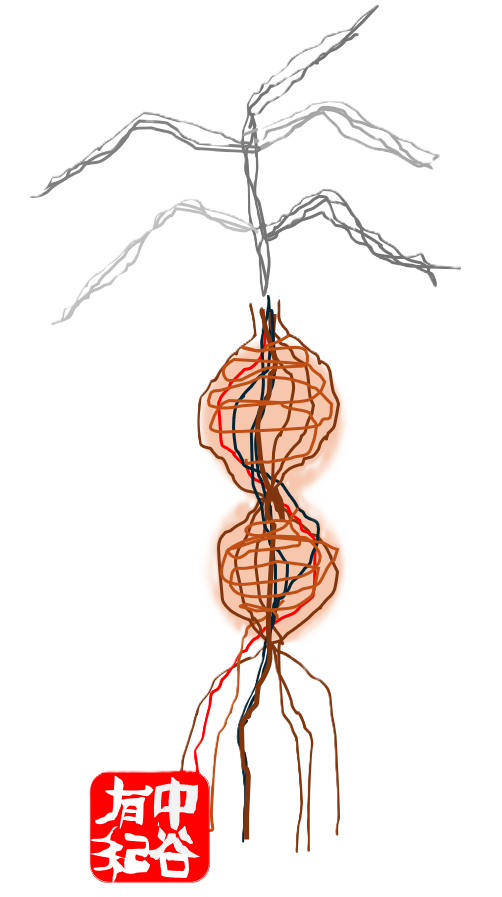
This kanji consists of two parts: unbundled, uncolored threads on top, and a bundle of colorful threads below. Therefore, this kanji came to mean ‘plain’ or ‘bare.’
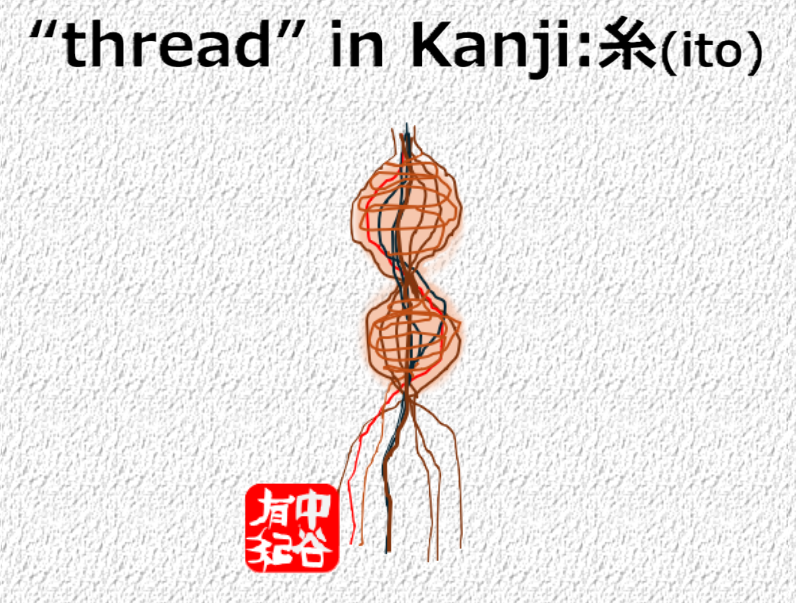

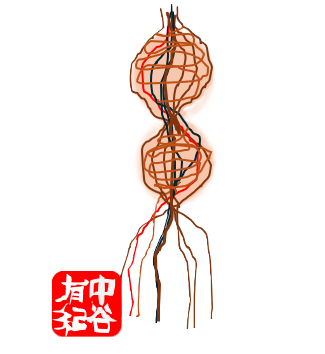
This kanji depicts a bundle of thread. As you might expect, it simply means ‘thread’.
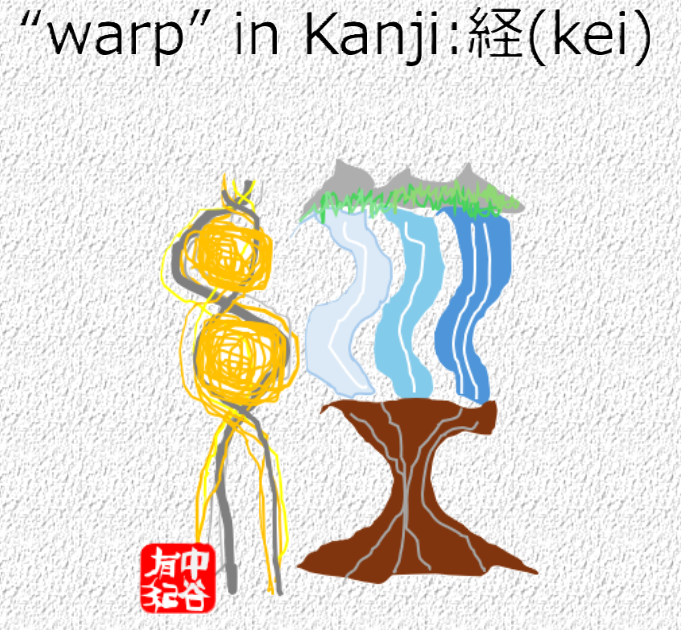

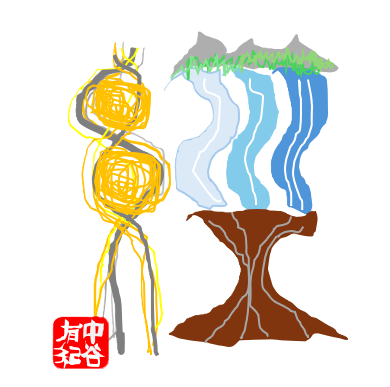
The left side of this kanji represents ‘thread,’ and the right side shows ‘a river flowing through the land.’ Since ancient times, it has meant ‘warp’ (the vertical threads in weaving), which forms the backbone of a fabric.
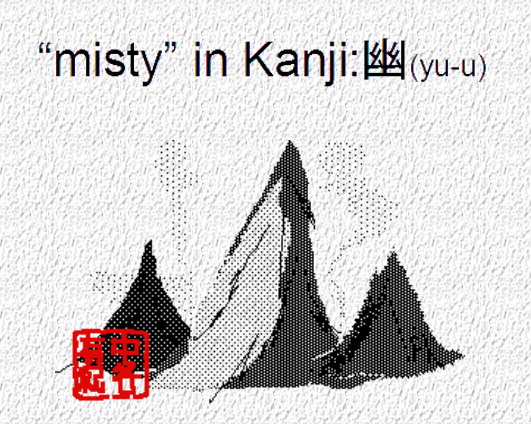

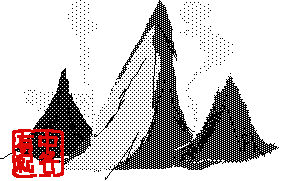
In this character, you can see mountains blanketed in smoke and mist. It represents a state of being misty, hazy, or unclear.