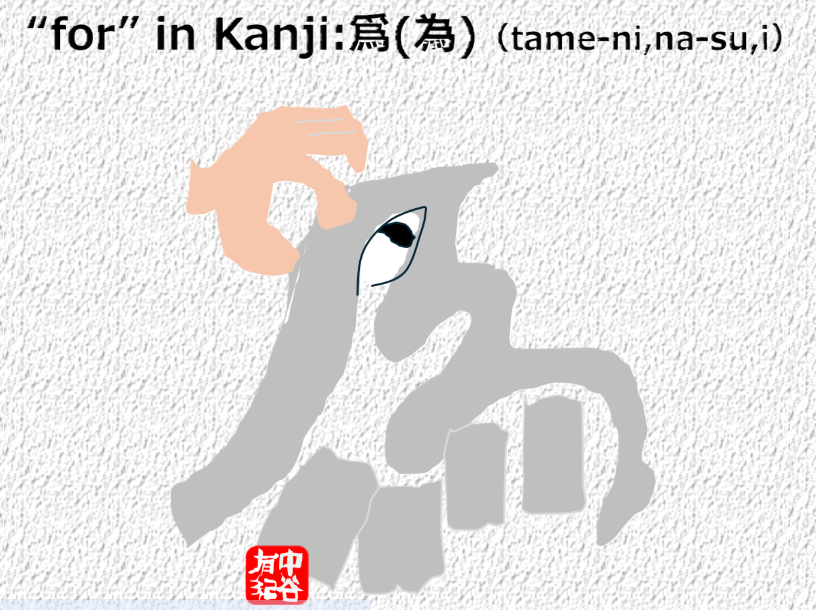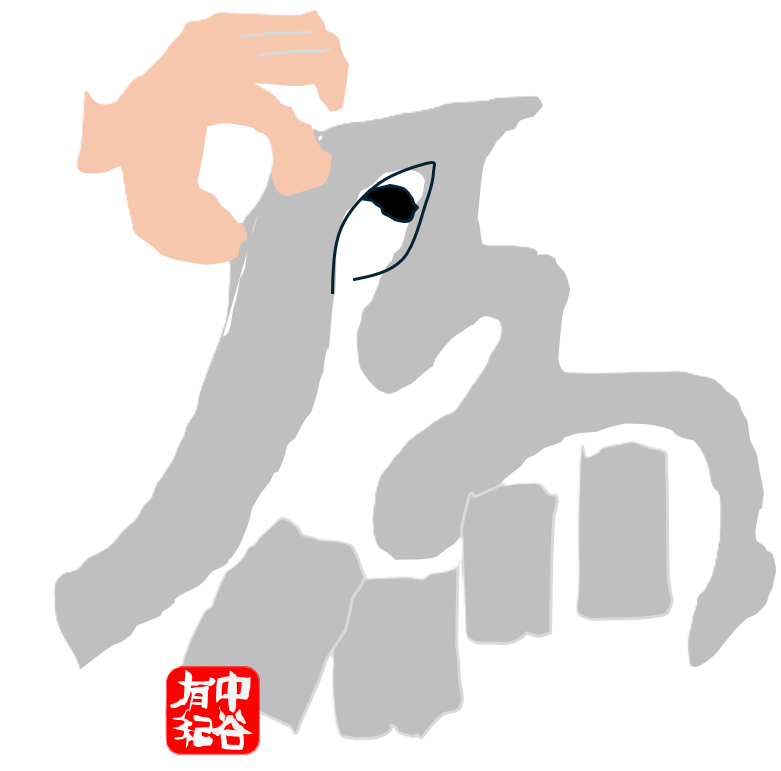
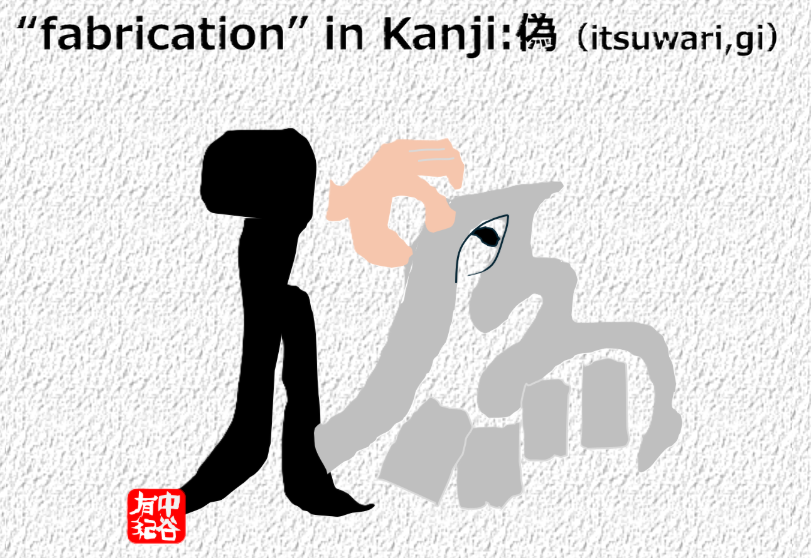

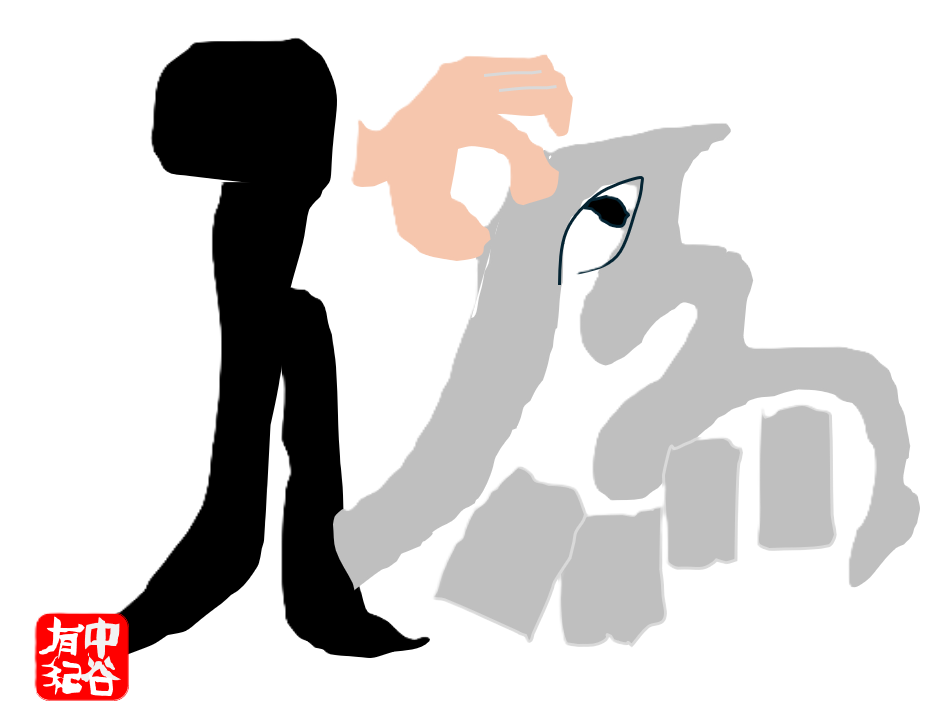
This kanji is made of two parts. On the left is the ‘person’ radical. On the right is a symbol said to depict a human hand guiding or taming an elephant. Combined, it originally represented doing something artificially or claiming to act on someone else’s behalf. However, because such actions were often driven by self-interest rather than genuine goodwill, the kanji eventually came to mean ‘fabrication’ or ‘falsehood.’
Words & Phrases
- 偽善(gizen):Pretending to be a virtuous person, or performing superficial good deeds merely for show; hypocrisy.
- 偽物(nise-mono):The state of not being genuine, real, or authentic; a fake, imitation, or counterfeit.