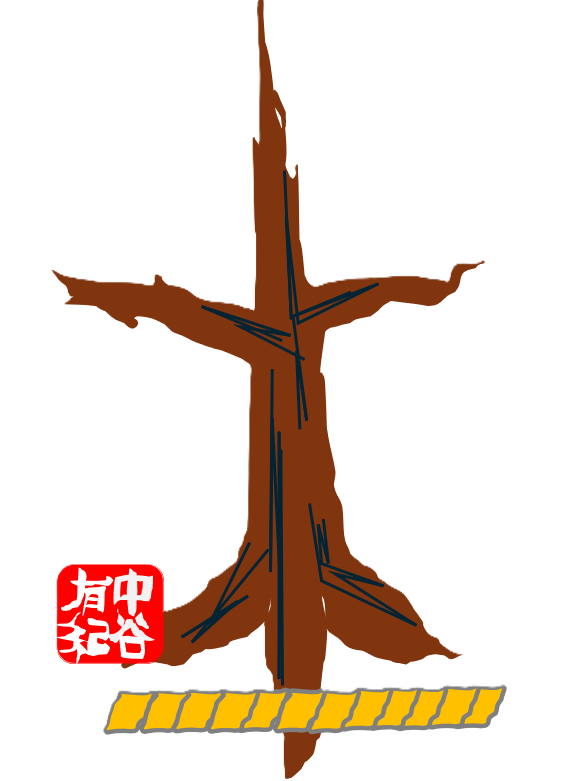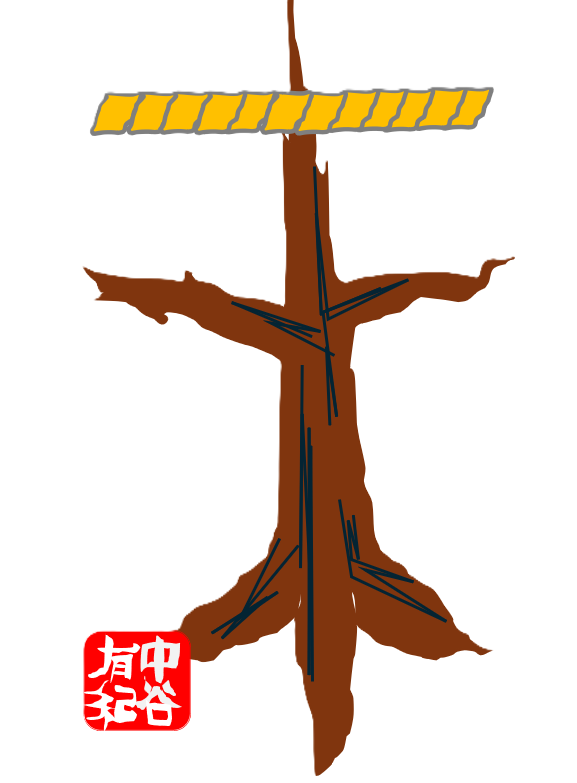
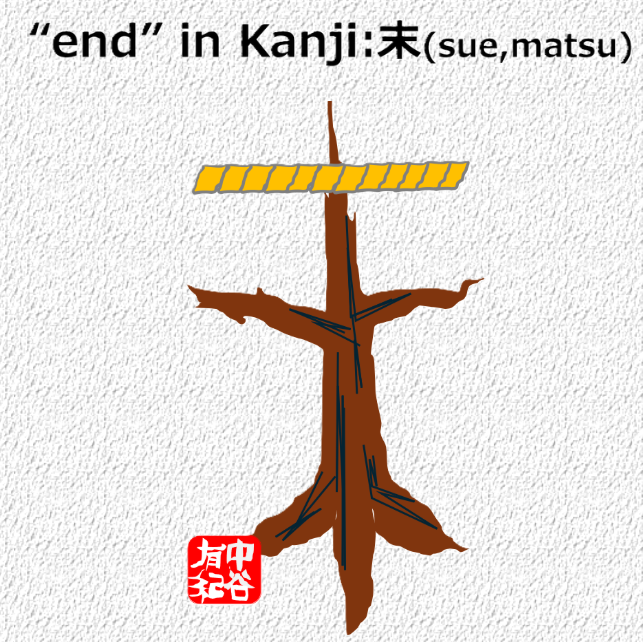
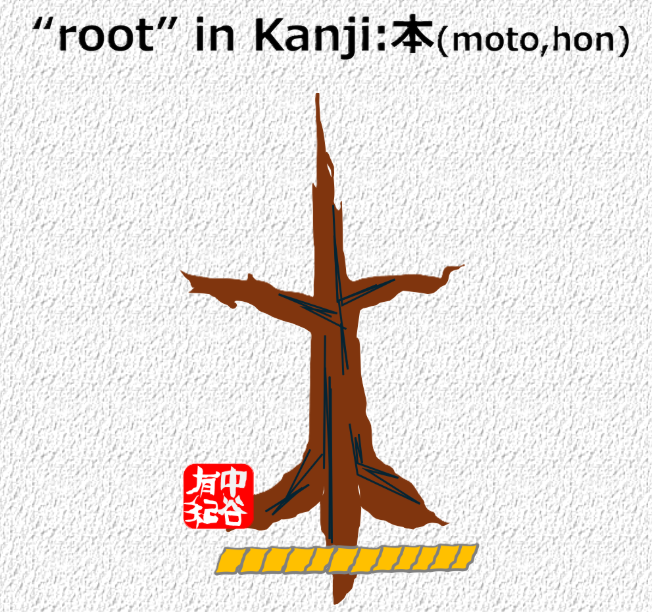
This kanji shows a tree with a mark at the very top. So, it originally means the end or top of something.
The short story of Kanji pictures
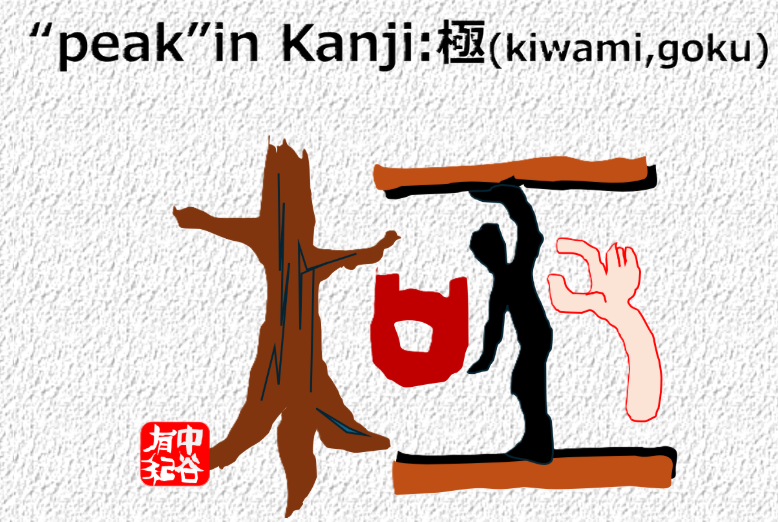

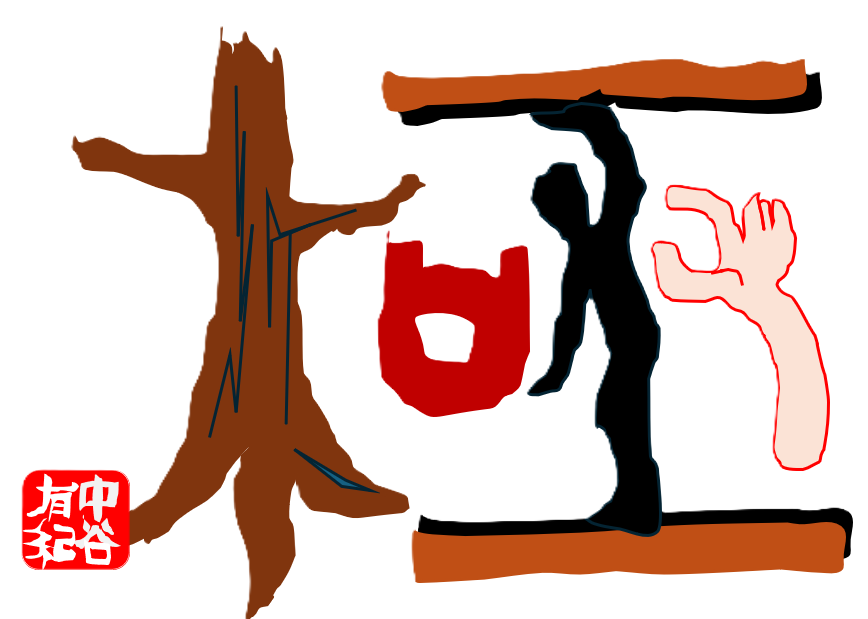
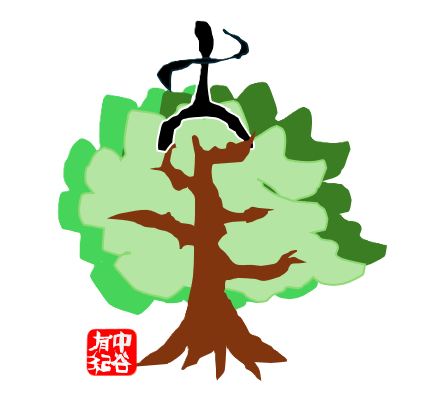
This kanji combines the “wood” radical on the left with a symbol depicting a person stretching fully between the floor and ceiling. Originally referring to the main roof beam of a house, it evolved to represent the “peak,” “limit,” or “ultimate.”
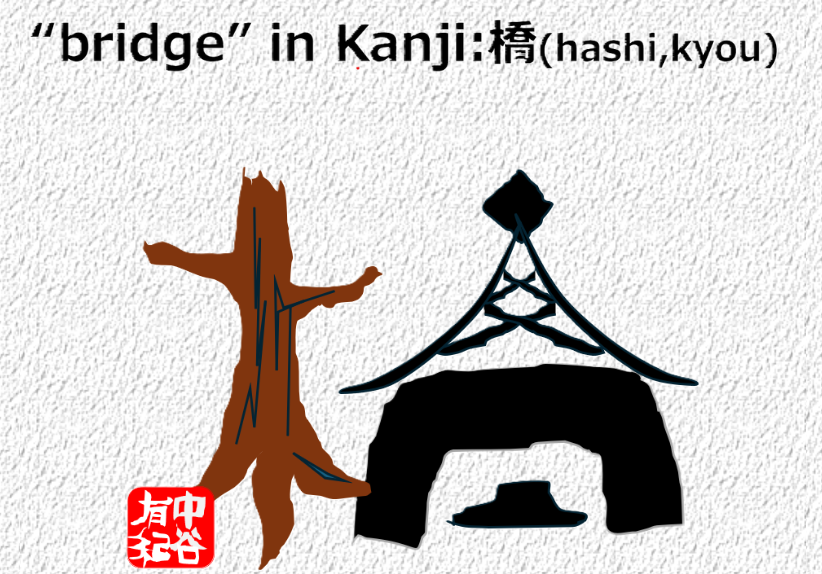

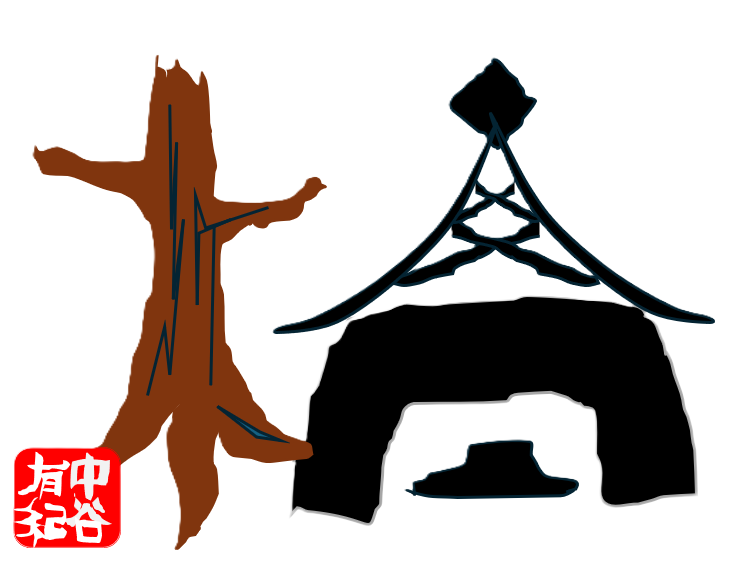
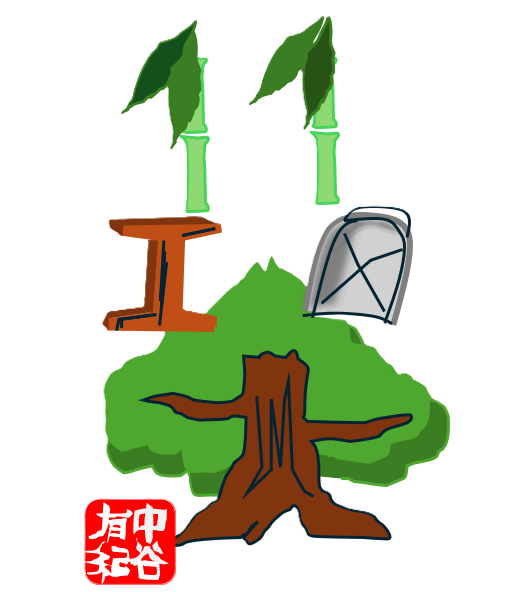
This kanji features the “tree” (wood) radical on the left and a symbol for a wide, tall structure that stretches from one end to another on the right. Combined, it originally meant a wooden “bridge.” Over time, its meaning expanded to describe anything that connects two points.
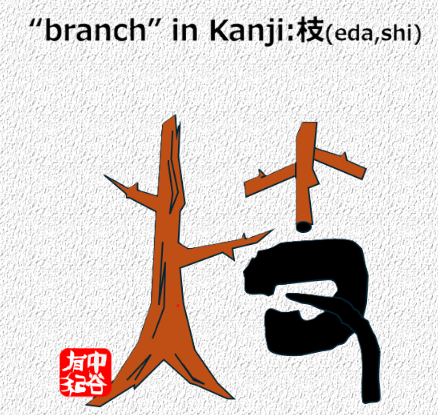

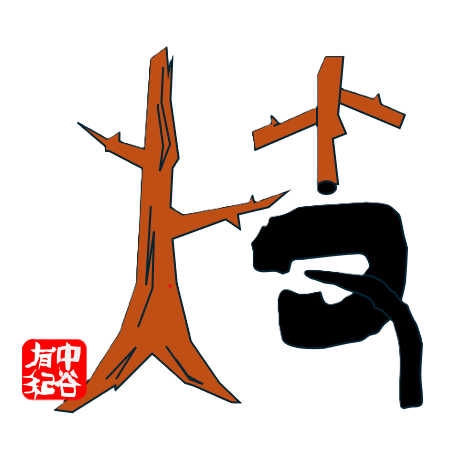
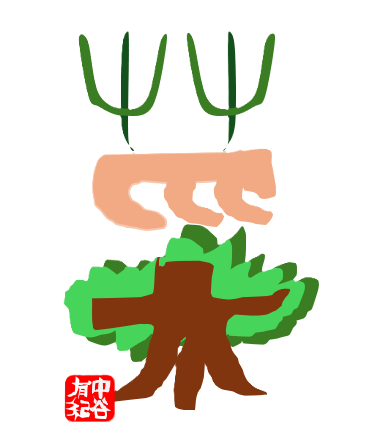
This kanji consists of two parts: the ‘tree’ radical on the left, and a hand holding a branch on the right. Originally, it referred to a tree branch itself. By extension, it came to mean ‘something that branches off from the main stream.’
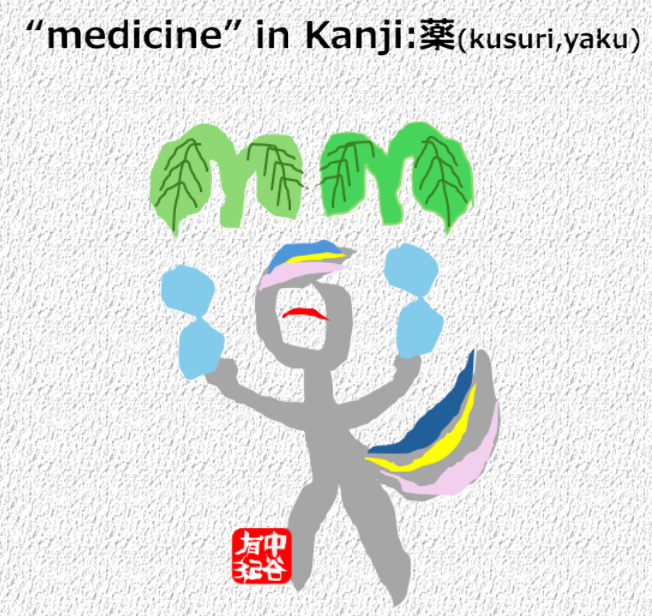

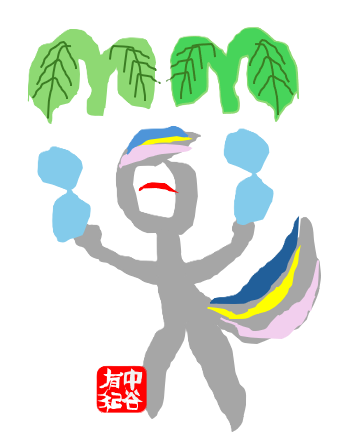
As you can see, this kanji consists of two parts: the ‘grass’ (leaf) radical on top, and a component below representing a man dancing with joy. Therefore, this kanji means ‘medicine’—something made from plants that brings happiness and relief to people.