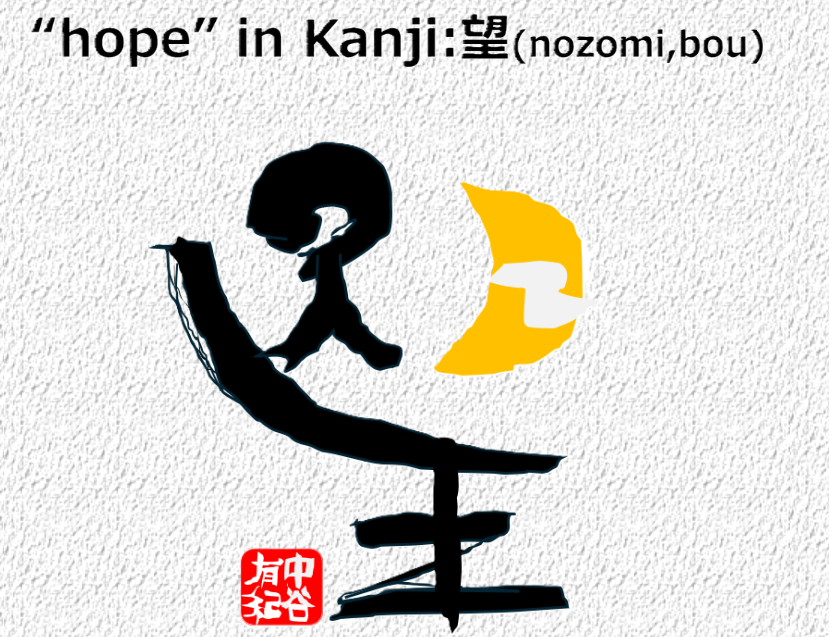

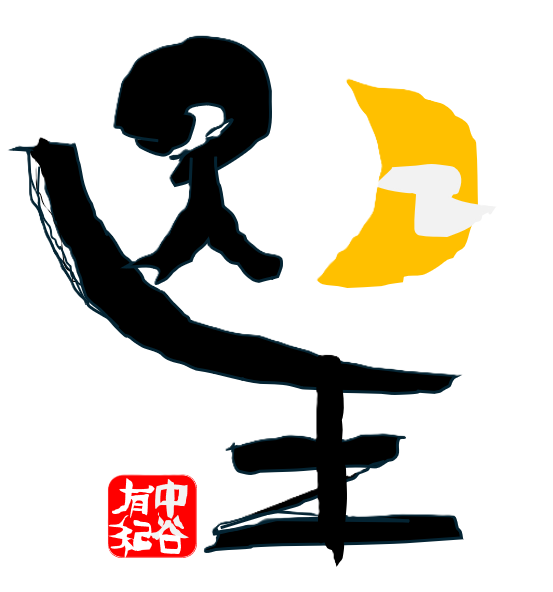
hope(望)

This kanji originally depicted a person on top of a tower, keeping watch into the distance day and night. Because of this, the kanji came to mean ‘hope’—the kind that never gives up and seeks a way to break through difficult situations.

Words & Phrases

  • 望遠(bouen):A device that uses lenses to make distant objects appear larger.
  • 望郷(boukyou):Missing one’s hometown
  • 希望(kibou):Wishing for a better future, both in who you want to become and what you hope for others.
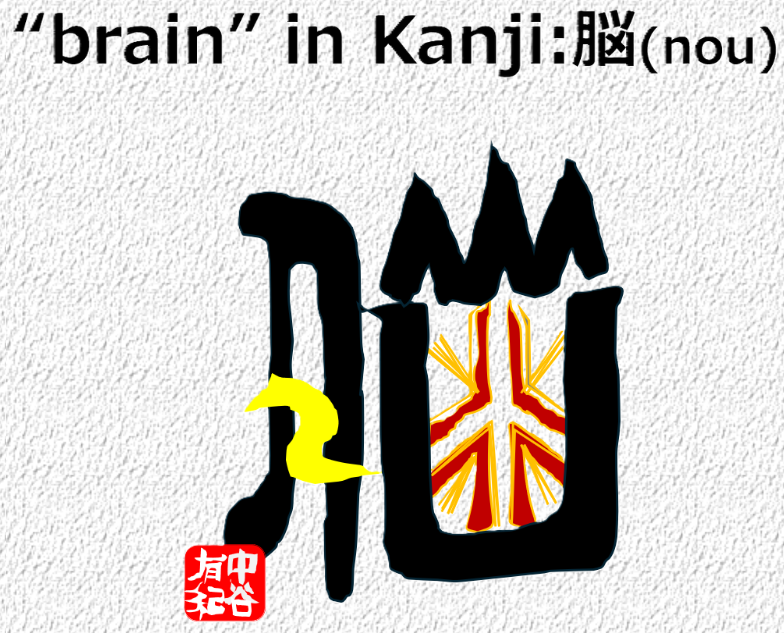

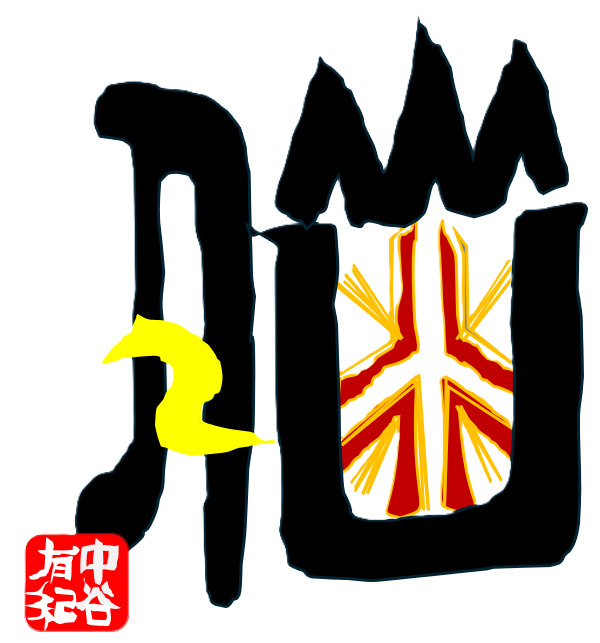
brain(脳)

This kanji is made of two parts. On the left is the ‘body’ radical. On the right is an element depicting a synapse-like crossroads inside a human’s head, topped with a few strands of hair. Combined, this kanji means ‘brain.

Words & Phrases

  • 脳味噌(nou-miso):An old-fashioned, everyday term for the brain.
  • 脳裏(nouri):One’s inner thoughts and feelings; the internal realm of the mind.

bone(骨)

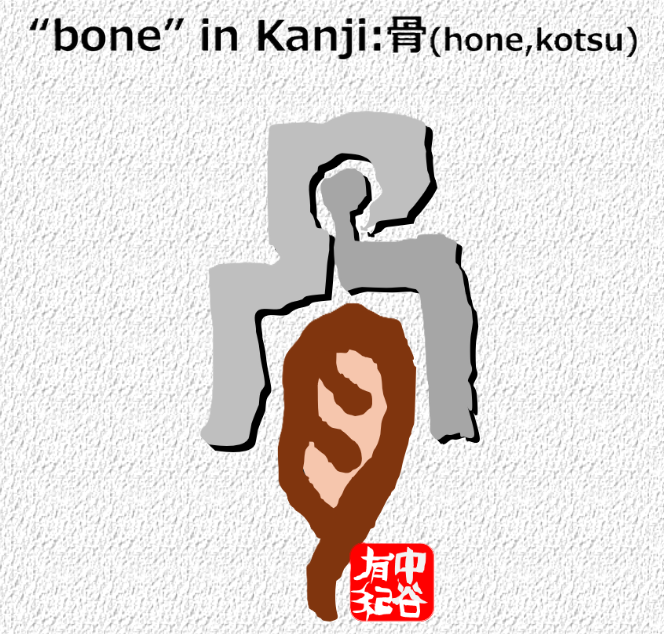
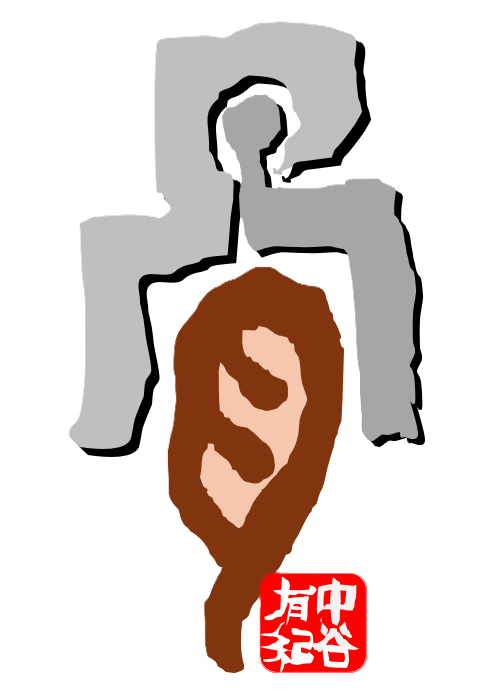
This kanji has two parts: the top radical represents a bone joint, and the bottom radical means “muscle” or “body.” Together, it originally meant a physical “bone.” Over time, its meaning expanded to describe the ability to move your body effectively, just as you imagine.

Words & Phrases

  • 骨子(kosshi):The central points, main framework, or backbone that forms the foundation of an idea or plan.
  • 骨肉(kotsuniku):A person who is related to someone by birth or blood ties, such as parents, children, or siblings.

Related Posts