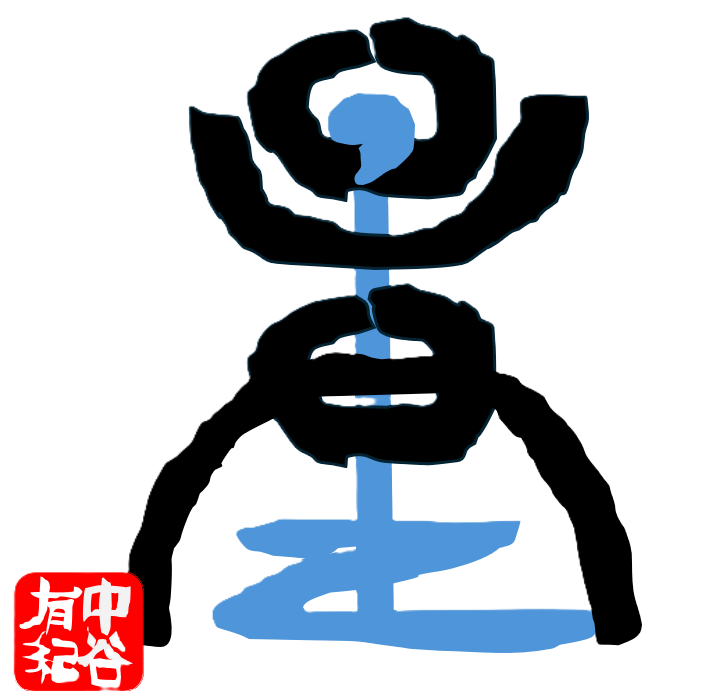
This kanji is said to depict filling a watering container to store water in a tank at the bottom. Because of this, the kanji came to mean measuring something. Over time, its meaning expanded to express quantity or amount.

The short story of Kanji pictures
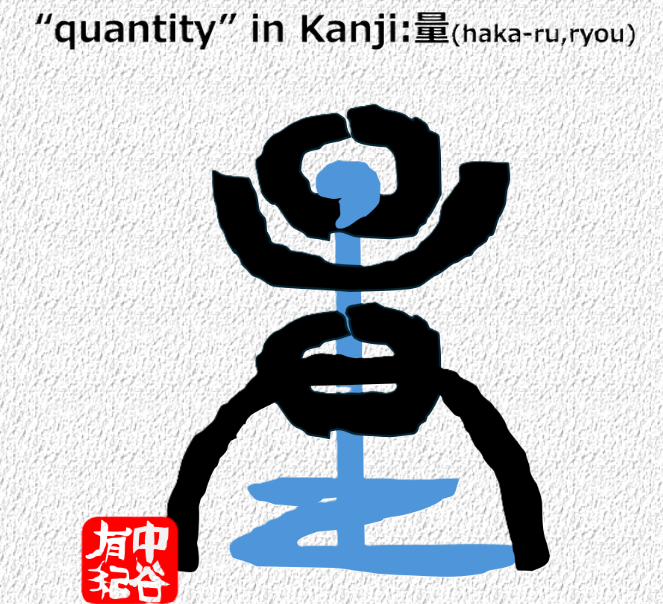
This kanji is said to depict filling a watering container to store water in a tank at the bottom. Because of this, the kanji came to mean measuring something. Over time, its meaning expanded to express quantity or amount.
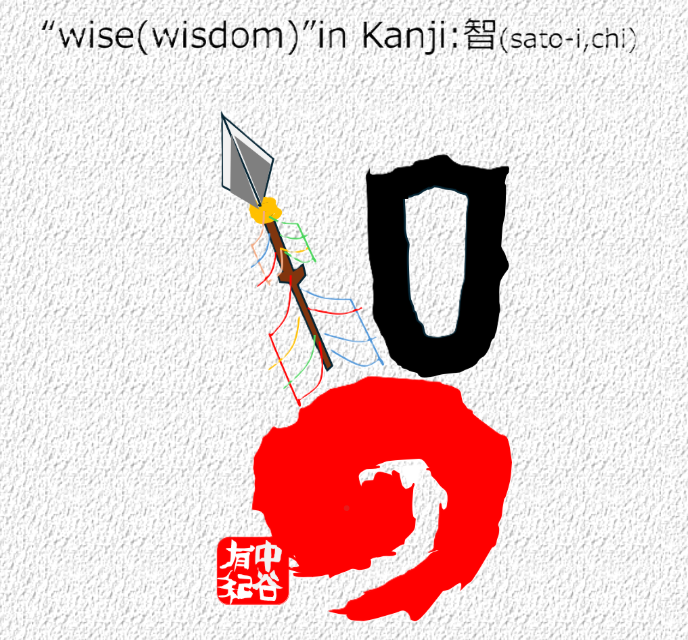

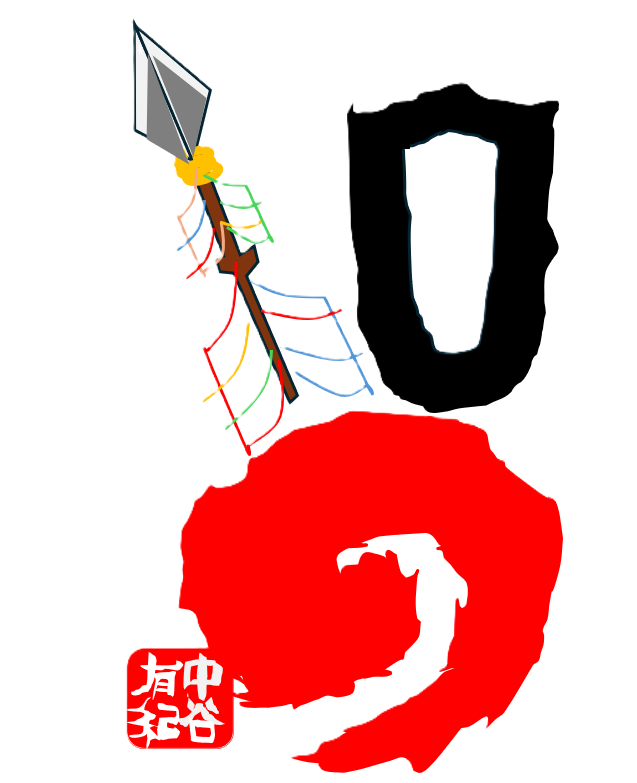
The upper section means “knowledge” (understanding words instantly, like an arrow). The bottom section is the sun. Together, the kanji represents applied, practical knowledge rather than pure logic or theory.
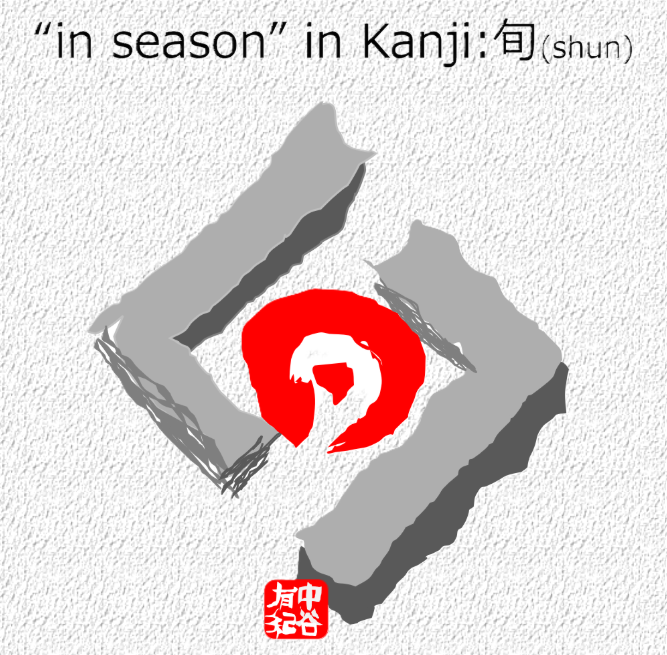

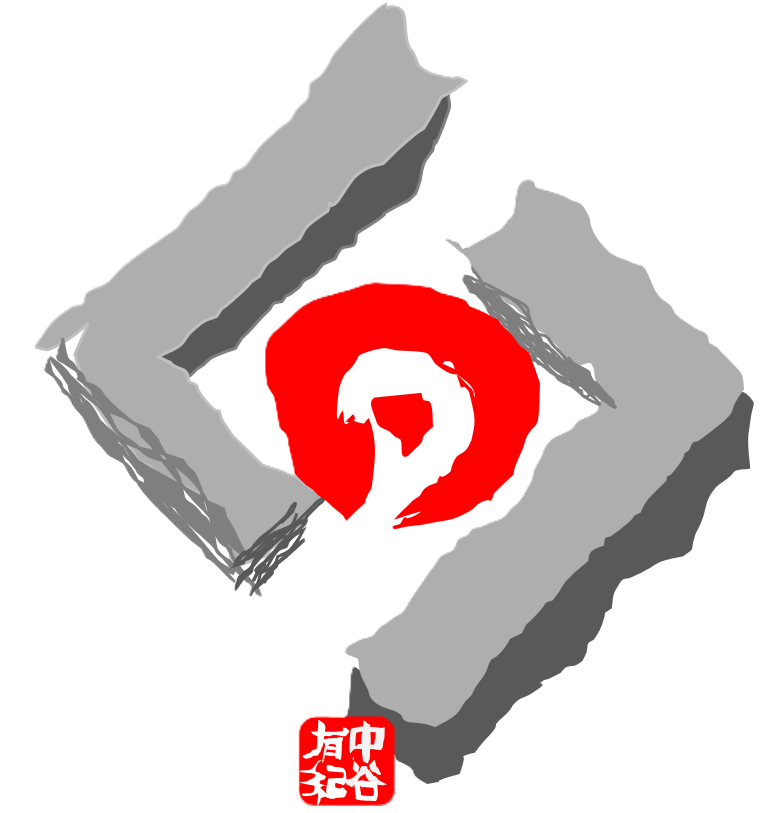
The kanji 旬 (shun) has no direct English equivalent. Depicting the sun enclosed within a frame, it captures a seasonal moment at its absolute peak—symbolizing Japan’s deep appreciation for nature’s seasonal gifts, from fresh food to changing landscapes.
Similarly, the kanji for Haiku (句) encloses a “mouth” instead of the “sun,” representing capturing the essence of the seasons into spoken verse (5-7-5 syllables).
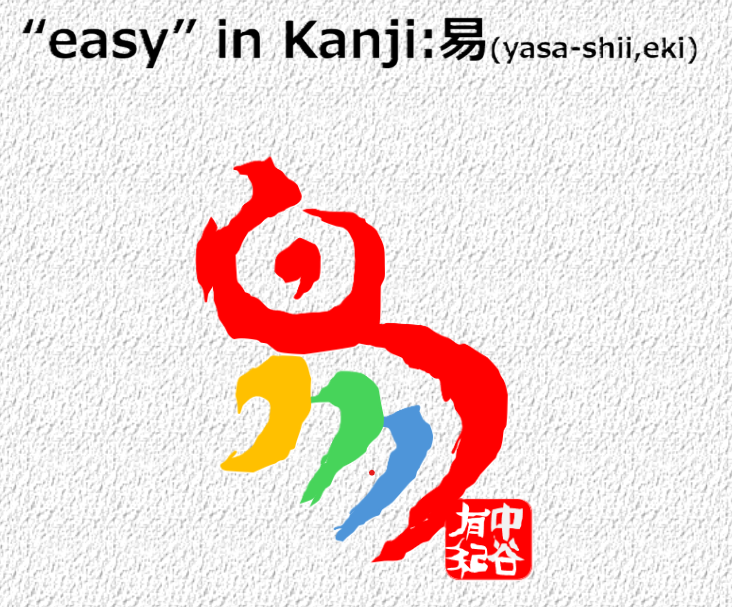

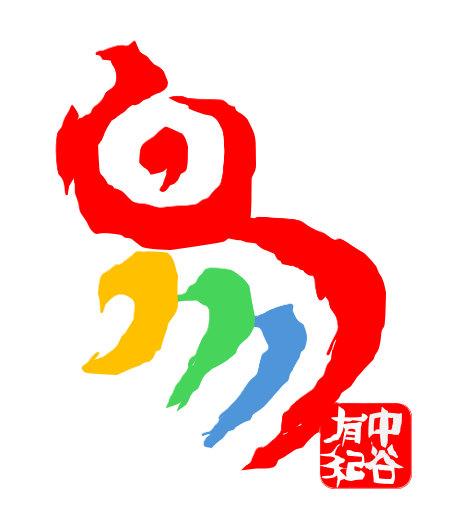
This kanji depicts the sun radiating bright light. Depending on your perspective, the light appears in various colors. Because of this, the kanji came to mean “easy to change” or “easy.”
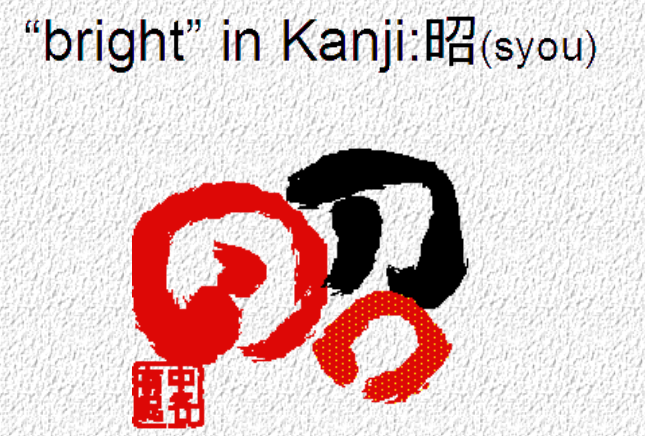


On the left side of this figure, you can see a circle representing the sun. On the right, a hand is beckoning, paired with an open mouth that seems to call out, ‘Come with me, the sun!’ Therefore, this character beautifully captures the idea of bringing that light inside, meaning a true ‘brightness’ or ‘clarity’ in one’s heart.


This character describes the rising sun emerging just above the horizon. Because it captures the very beginning of a new day, it is traditionally used to represent the first day of the new year.
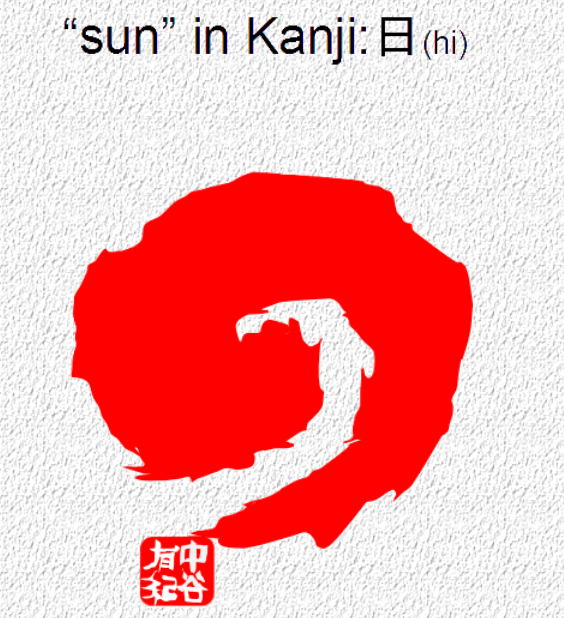

The character for the sun is remarkably simple. As you can see, it is represented by nothing more than a basic round mark.


To receive messages from the divine, ancient people prayed over a clay pot covered with a stone and listened for the vibrations within it. This is why this character means ‘sound.’ When combined with another character that means ‘enjoy,’ it creates the word for ‘music’!
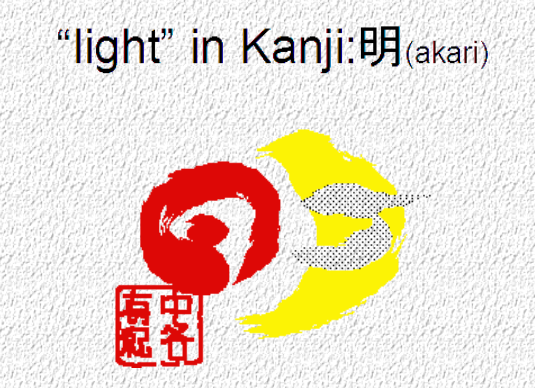

Yes, this character combines the sun and the moon. It simply means ‘brightness’ in the sky.