
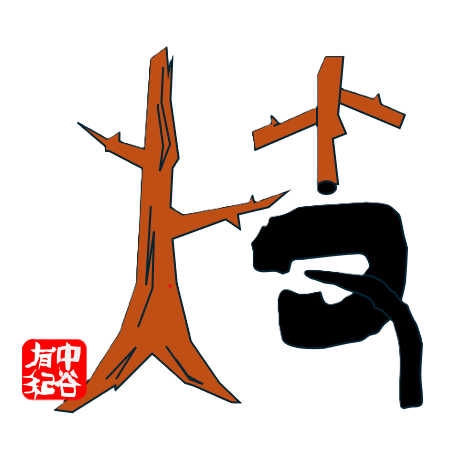
This kanji consists of two parts: the ‘tree’ radical on the left, and a hand holding a branch on the right. Originally, it referred to a tree branch itself. By extension, it came to mean ‘something that branches off from the main stream.’
The short story of Kanji pictures
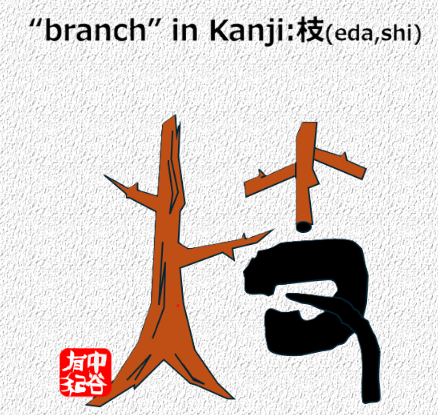
This kanji consists of two parts: the ‘tree’ radical on the left, and a hand holding a branch on the right. Originally, it referred to a tree branch itself. By extension, it came to mean ‘something that branches off from the main stream.’
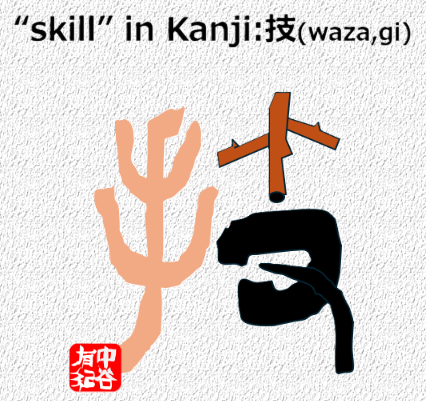

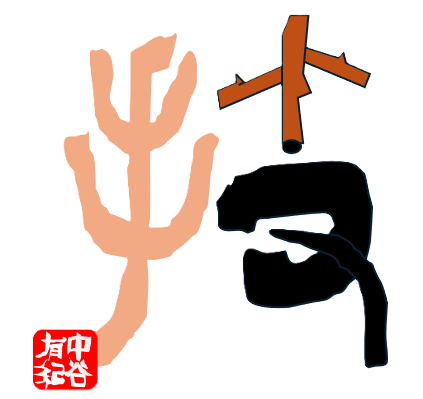
This kanji consists of two parts: the ‘hand’ radical on the left, and a hand holding a branch on the right. Therefore, this kanji came to mean ‘skill’ or ‘technique’—referring to the human ability to craft things meticulously by hand.
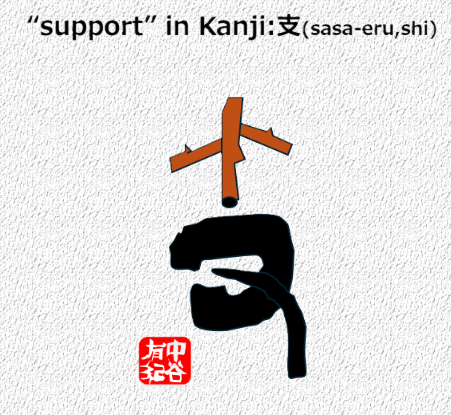

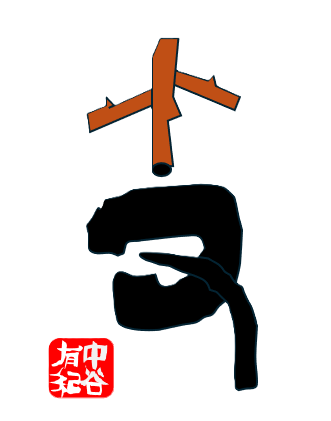
This kanji depicts a hand holding a tree branch. Originally, it had two main meanings: first, ‘a point where a path or stream branches off,’ and second, ‘to support something.’
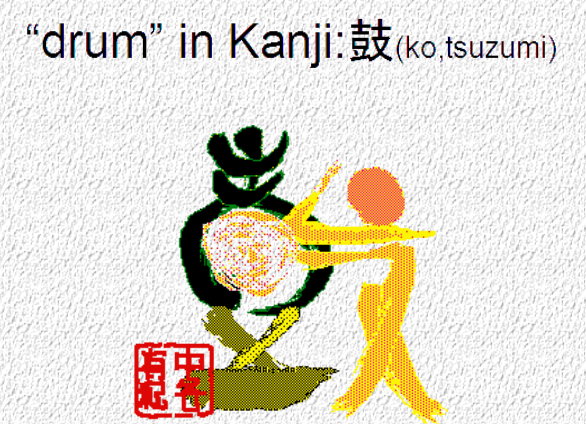
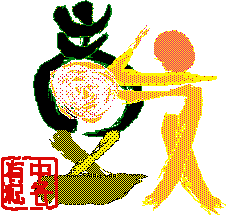
On the left side of this character, you can see a large traditional Japanese drum, and on the right, a person beating it. This type of drum is commonly used in Japanese festivals. Yes, this kanji means ‘DRUM,’ and it is also used to mean ‘to BEAT’ or ‘to STRIKE.