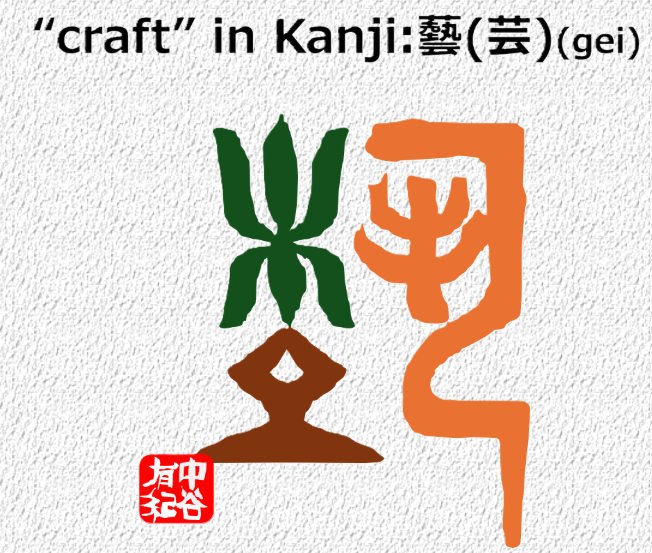

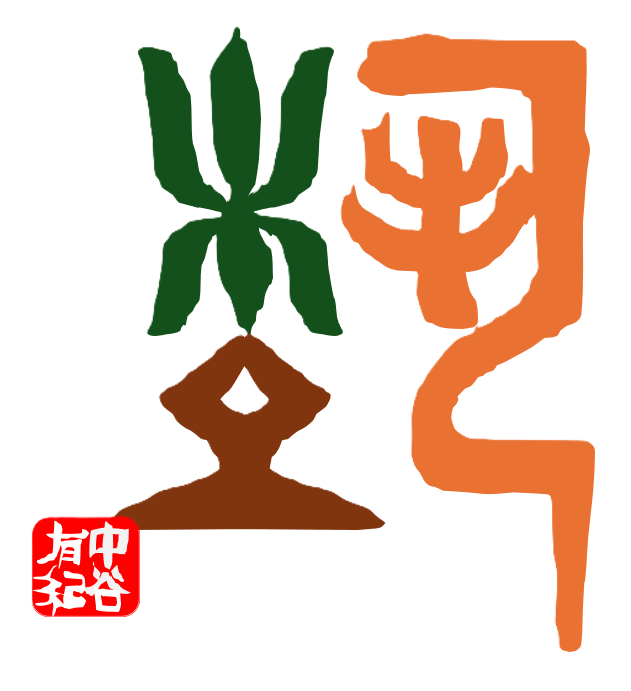
craft(藝)

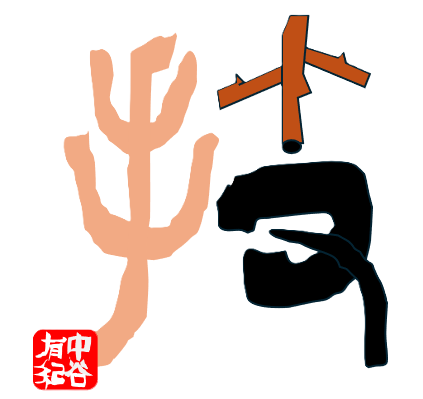
This kanji is composed of three elements: the ‘plant’ radical at the top left, the ‘soil’ symbol below it, and a kneeling figure on the right using both hands to plant a seedling into the earth. Originally, the character meant ‘to plant’ or ‘to cultivate.’ By metaphorical extension, cultivating plants came to represent nurturing one’s own talents, evolving into the meanings of ‘skill,’ ‘craft,’ and ‘the arts.’

Words & Phrases

  • 藝術(geijutsu):the arts
  • 芸者(geisha):A woman trained in traditional Japanese arts, dance, and music
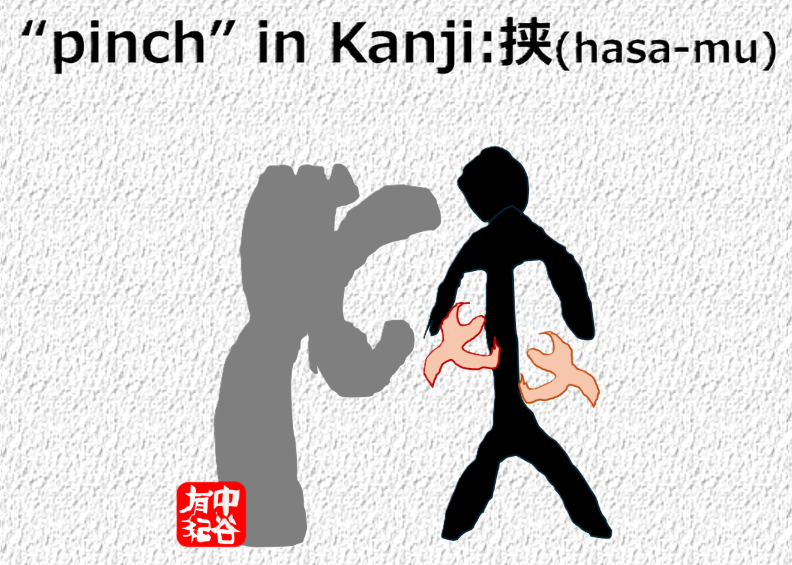
pinch(挟)

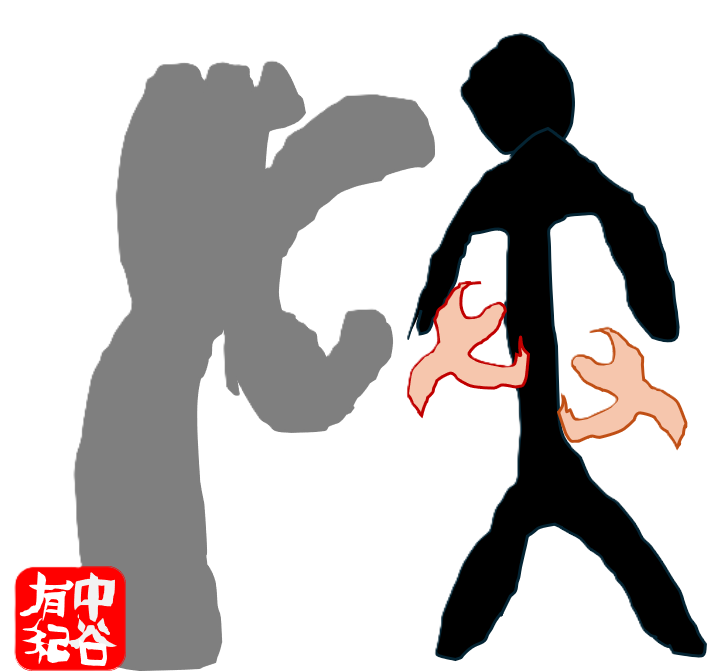
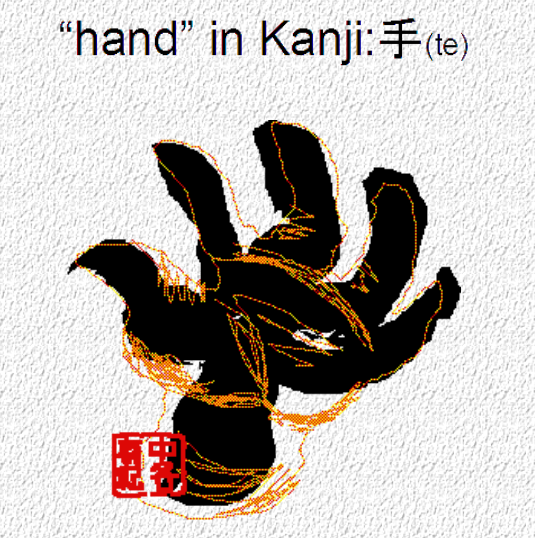
This kanji is made of two parts. On the left is the ‘hand’ radical. On the right is an element depicting a person held or squeezed from both sides. Combined, this kanji means to hold, pinch, or sandwich something strictly between two things.

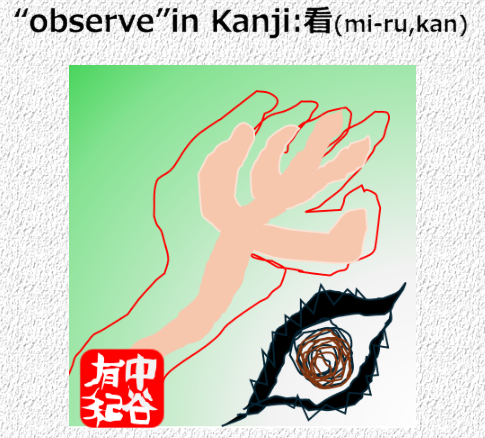
observe(看)

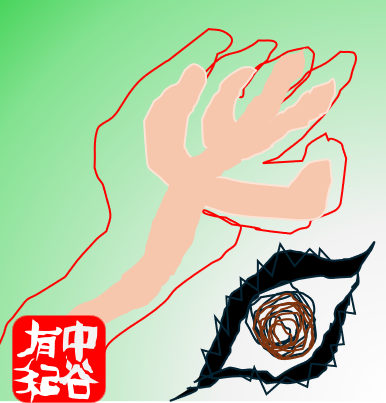
This kanji depicts someone shading their eyes with a hand to watch something carefully. Therefore, this kanji means “to observe” or “to watch.” By extension, it came to be used for nursing or taking care of someone.

Related Posts

grasp(捉)

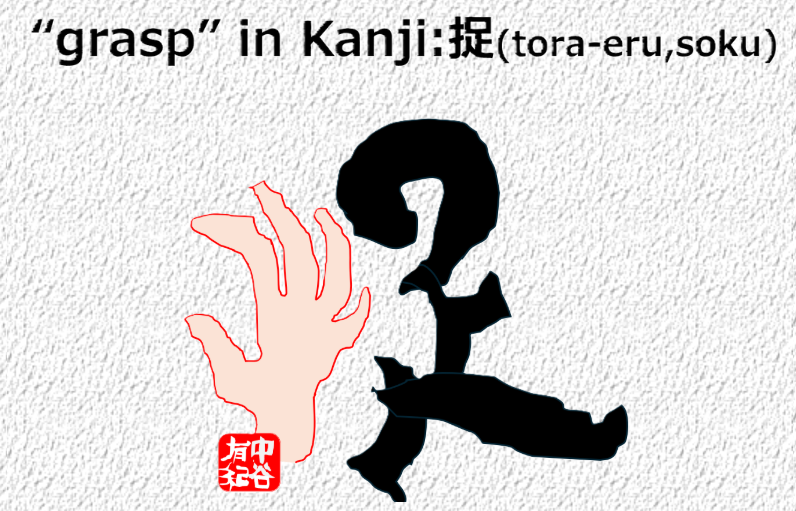
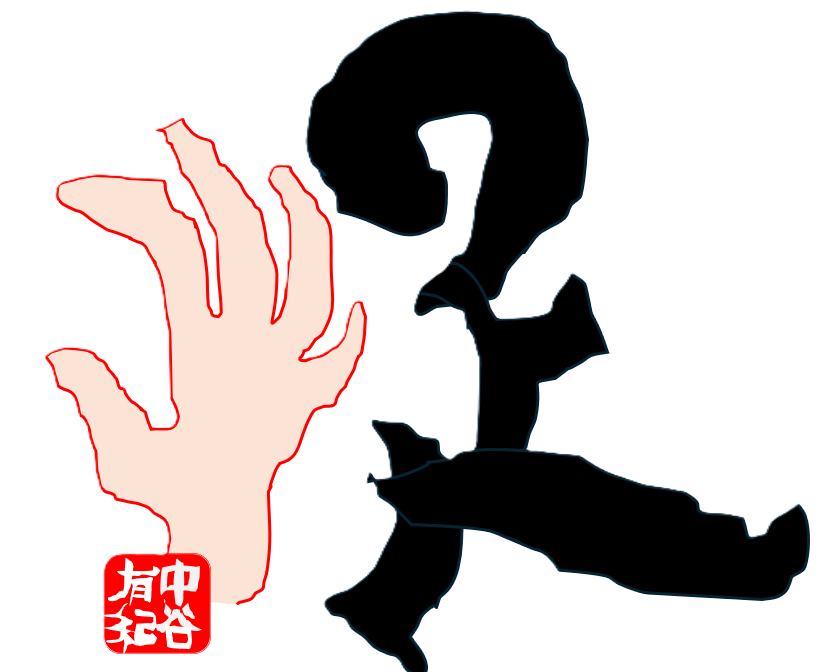
This kanji has two parts. The left side is the radical for “hand,” and the right side is the radical for “foot” (a walking person). Combined, it means to completely understand a message using all of your hands and feet.

Related Posts