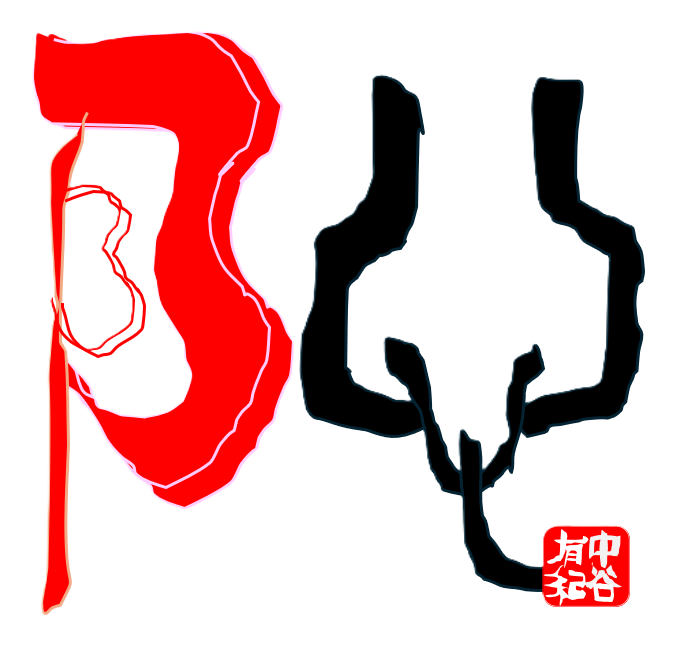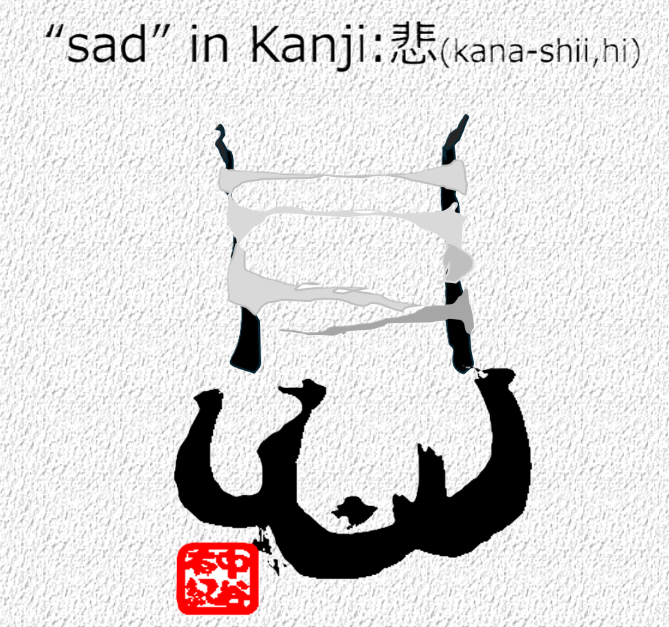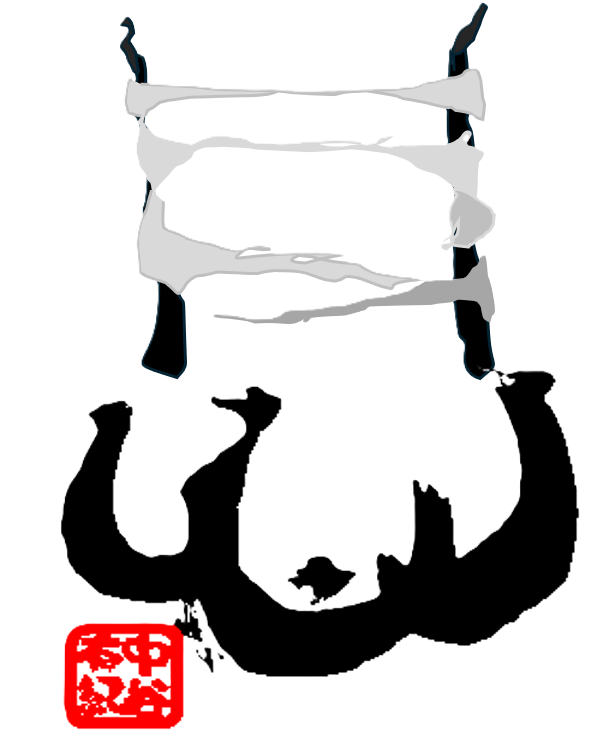
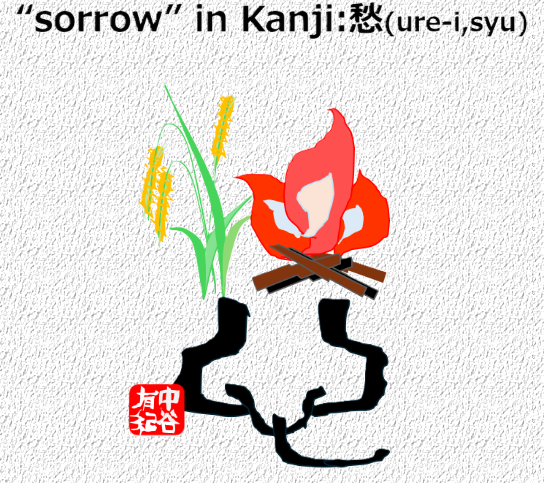

sorrow(愁)

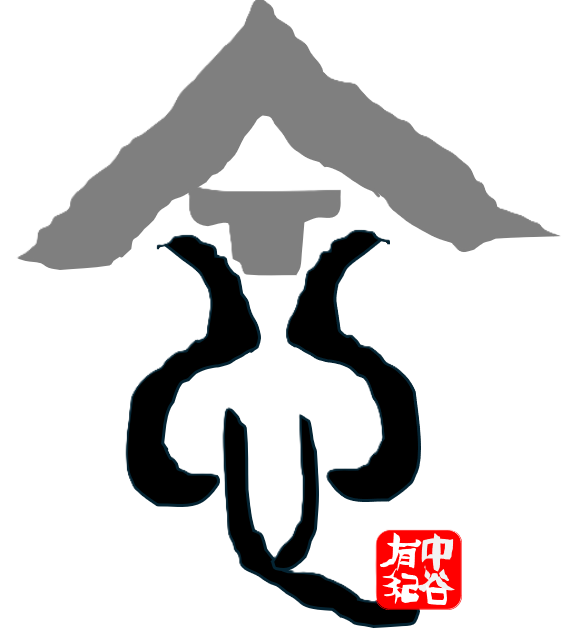
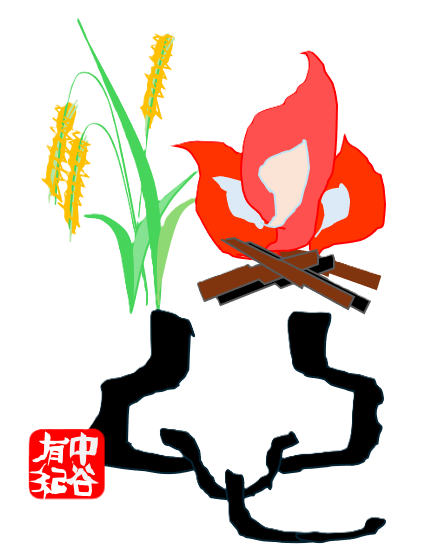
This kanji consists of two parts. At the top is the “autumn” character, which is made of “rice plant” and “fire,” representing the process of harvesting rice and drying it for storage. Below is the “heart” radical. Together, this kanji means to feel sorrow or grief as harvest ends and winter approaches.
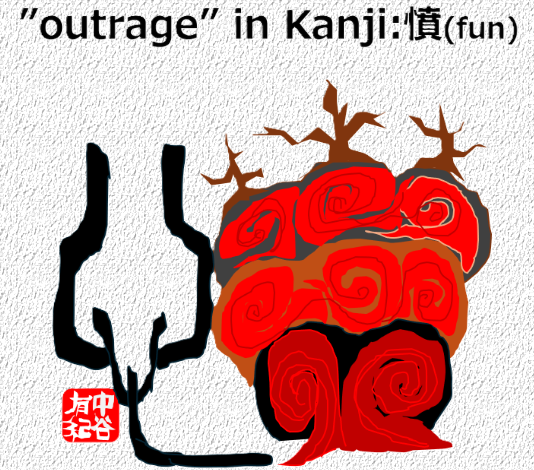

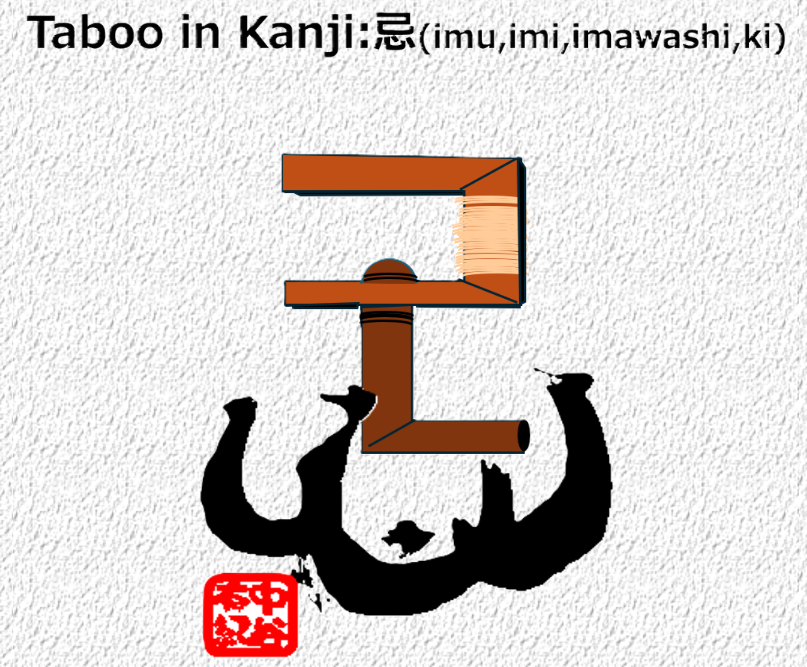
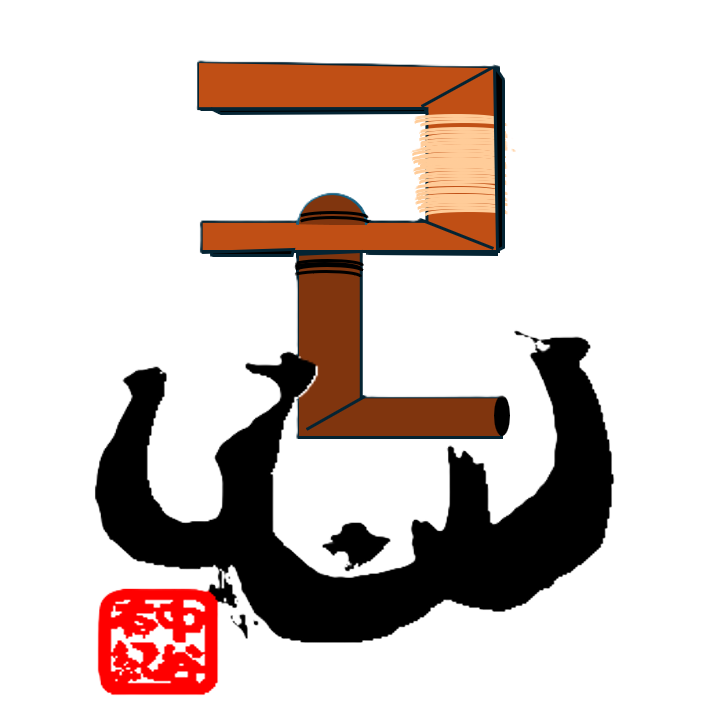
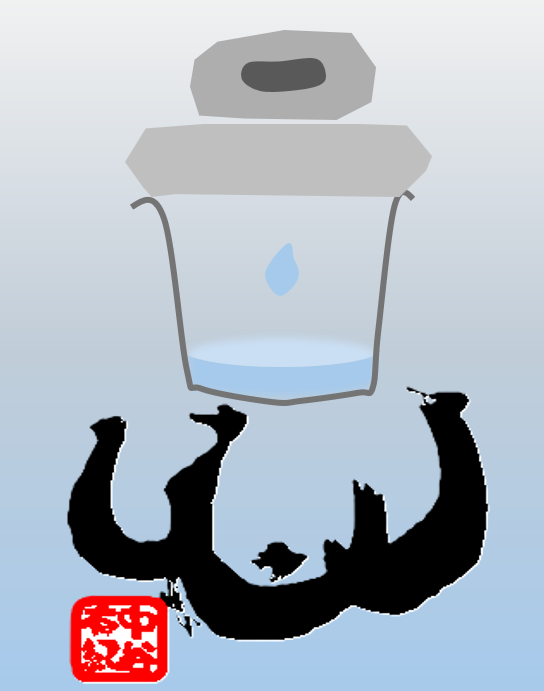
taboo(忌)

This kanji consists of two components: the top part shows a spool keeping threads organized, while the bottom part is the “heart” radical. Together, it originally depicted guiding and disciplining one’s mind into order, like neatly winding thread. Over time, it came to mean “to restrain oneself,” “humility,” and eventually “taboo” or “avoidance.”

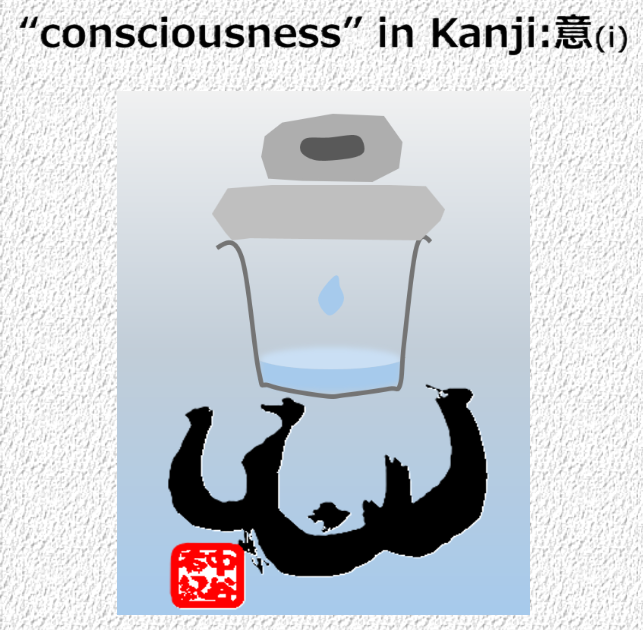
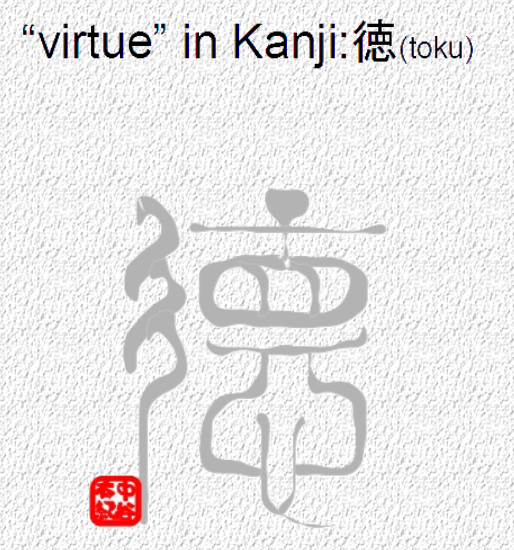
consciousness(意)

This kanji consists of two parts. The top part is “SOUND,” which originally depicted a vessel producing a sound. Below it is “HEART.” Together, they express a word or thought inside one’s heart that hasn’t been spoken aloud. Therefore, this kanji means “consciousness,” “thought,” or “intention.”