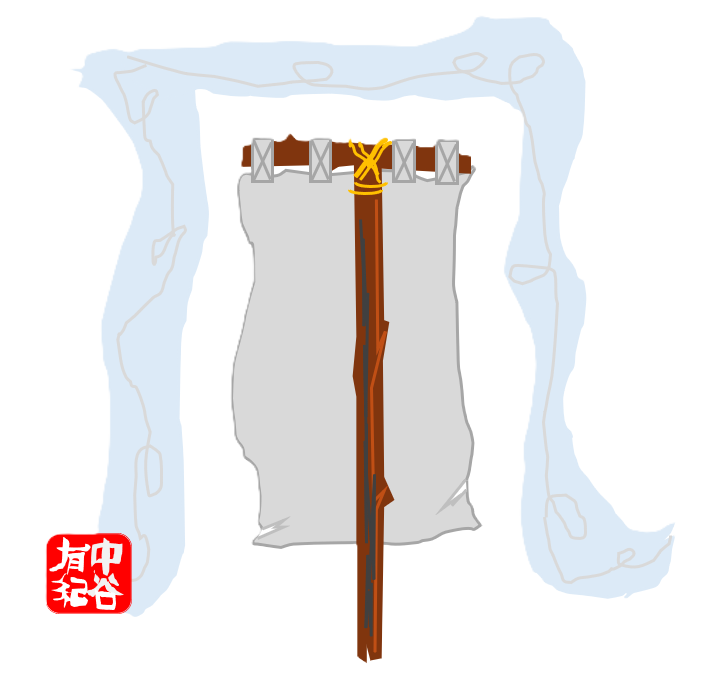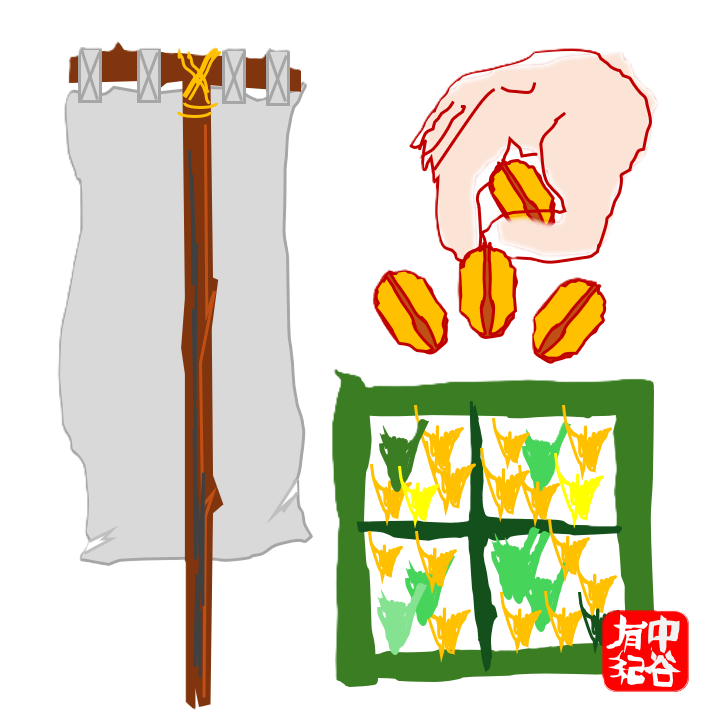
This kanji originally depicted a rectangular flag fluttering in the wind, resembling seeds being sown in a rice paddy. While several kanji represent flags, this specific one was used for rectangular banners in Buddhist ceremonies.
The short story of Kanji pictures
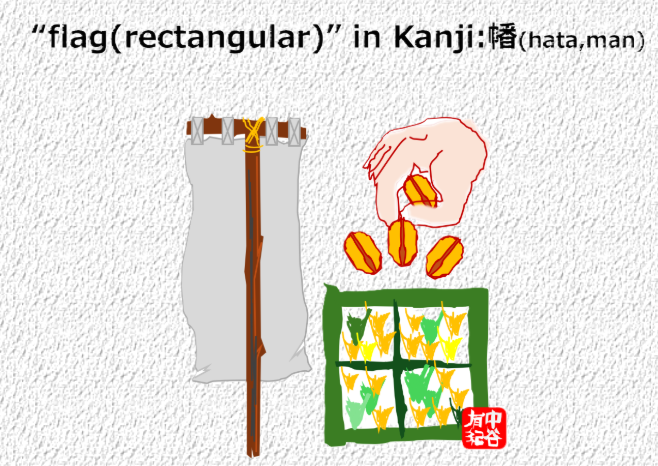
This kanji originally depicted a rectangular flag fluttering in the wind, resembling seeds being sown in a rice paddy. While several kanji represent flags, this specific one was used for rectangular banners in Buddhist ceremonies.
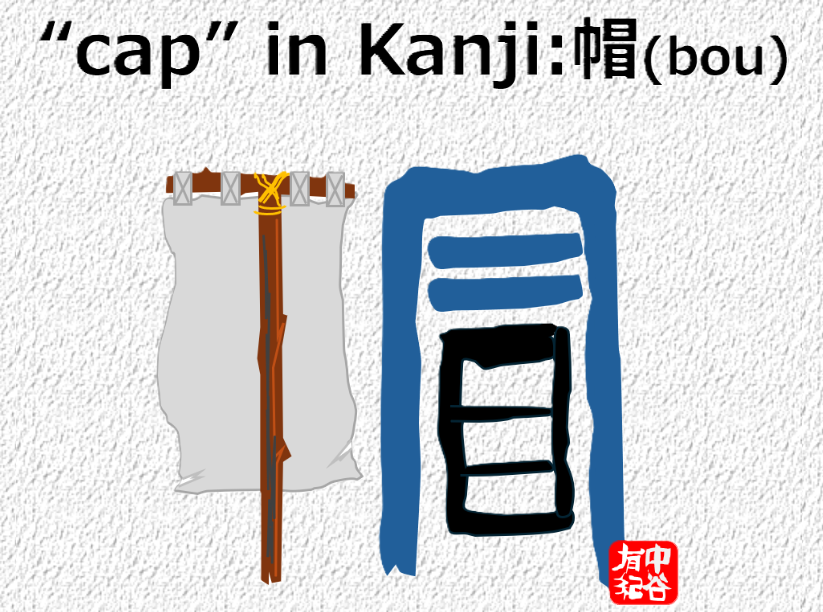

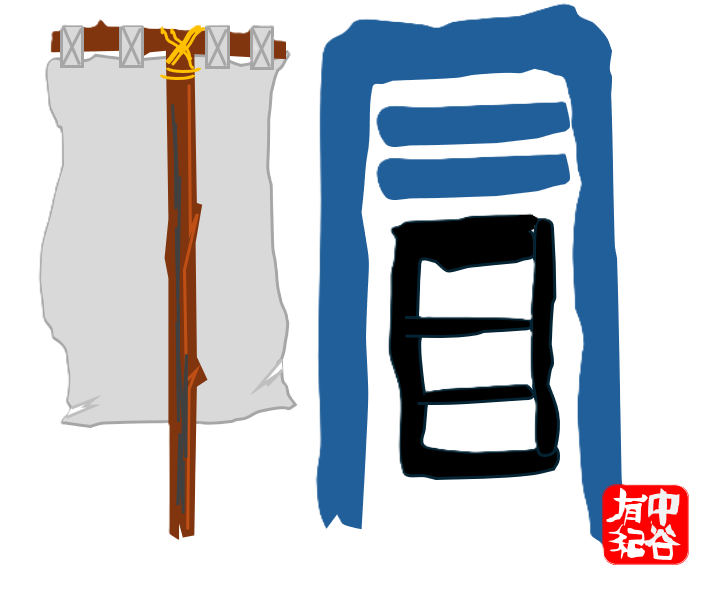
This kanji consists of two parts. On the left is the “cloth/flag” radical, and on the right is “venture”—which depicts someone moving forward with their eyes covered. Together, they represent a cap or hat made of cloth.
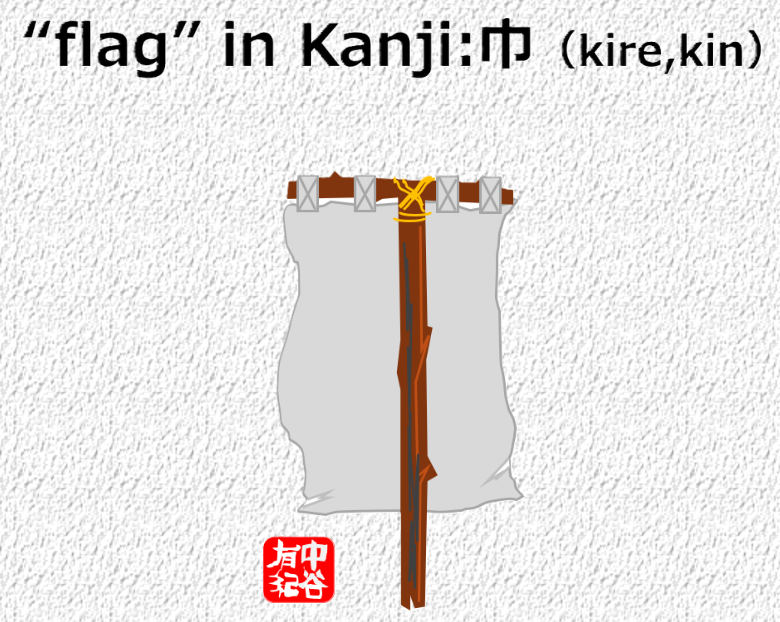

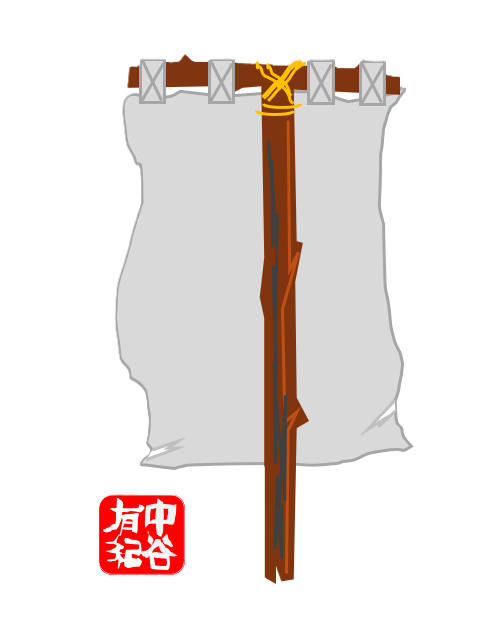
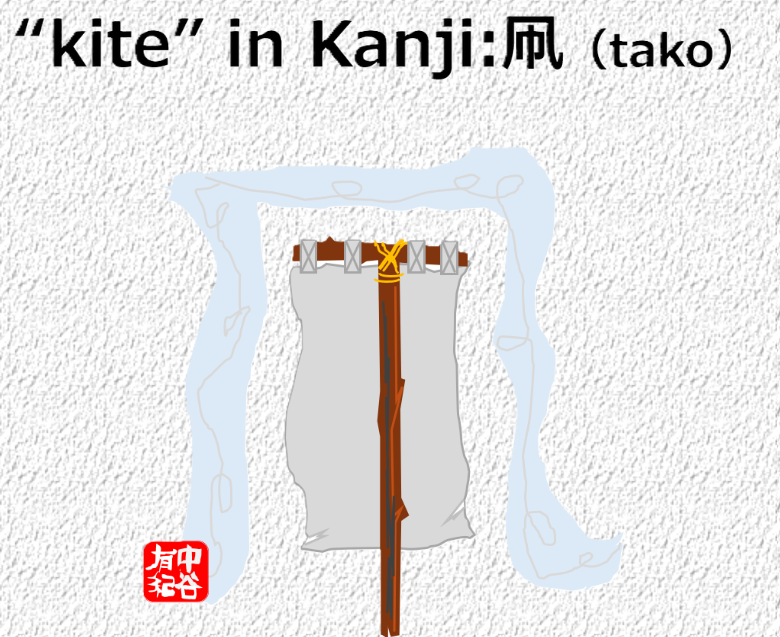
This kanji simply depicts a flag attached to a tall pole. As you can see, it originally refers to a “flag” or “banner“,”clothe”.