
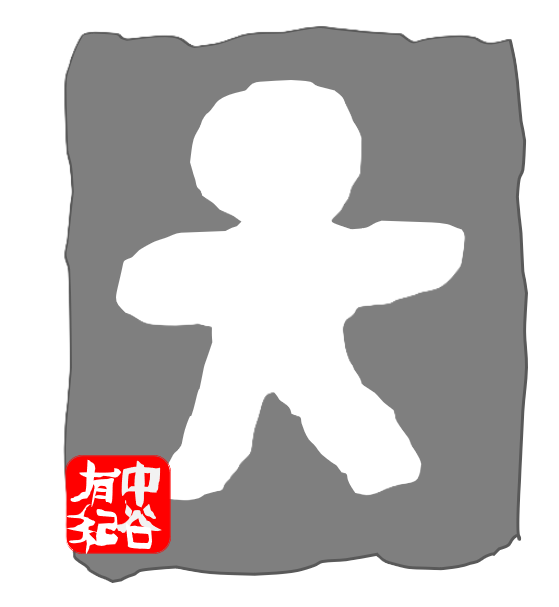
cause(因)

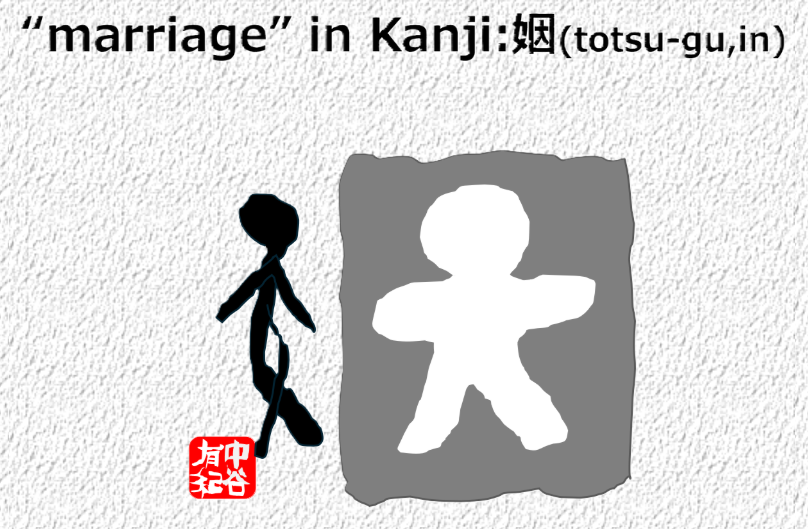
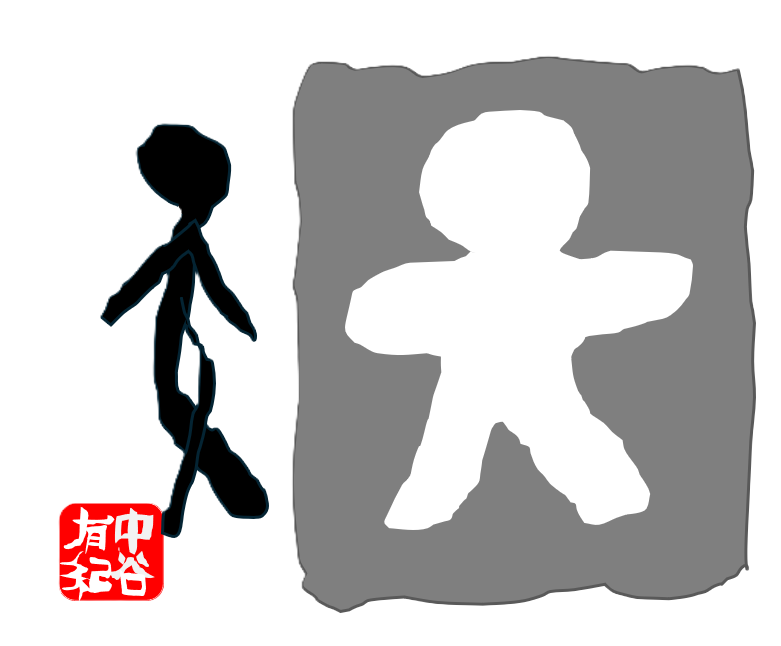
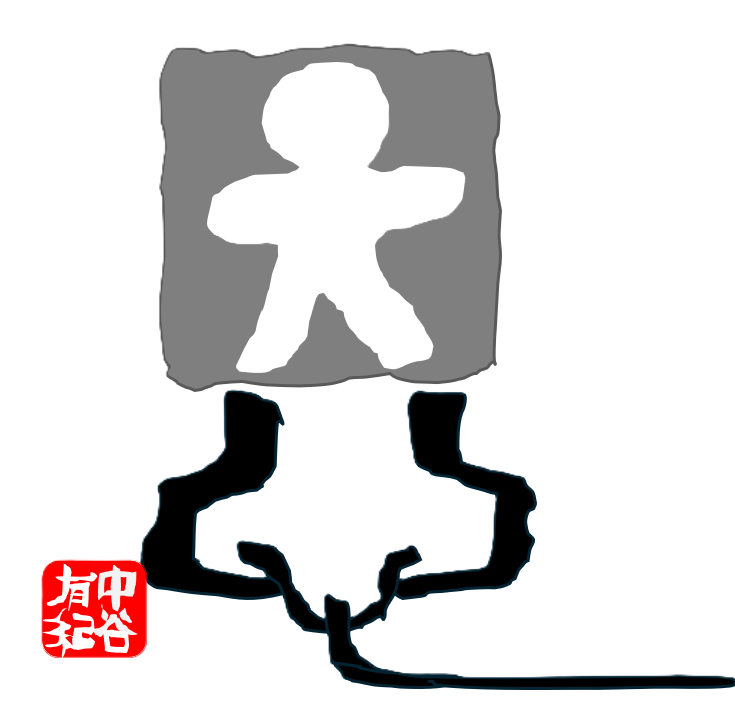
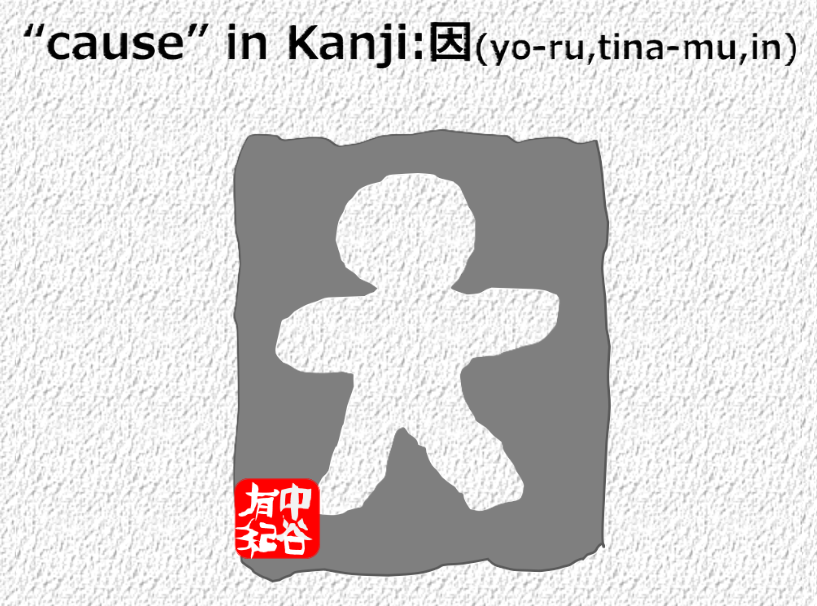
This kanji depicts a person lying down on a mat or bed. Over time, this idea of depending or resting on something evolved to mean ‘cause,‘’root’ ‘origin,’ or ‘the reason behind something.’

Words and phrases

  • 因果(inga):The idea that everything is determined by your actions in a past life.
  • 因果応報(inga-ouhou):Good deeds bring good results, and bad deeds bring bad results.
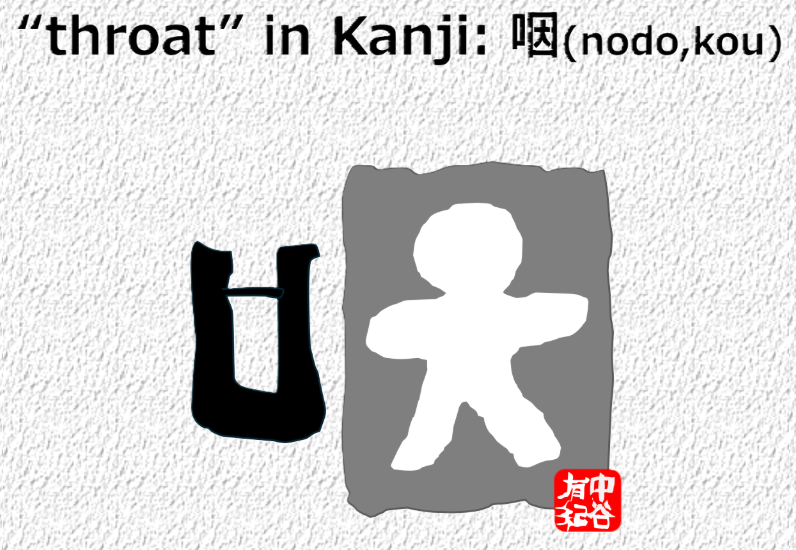
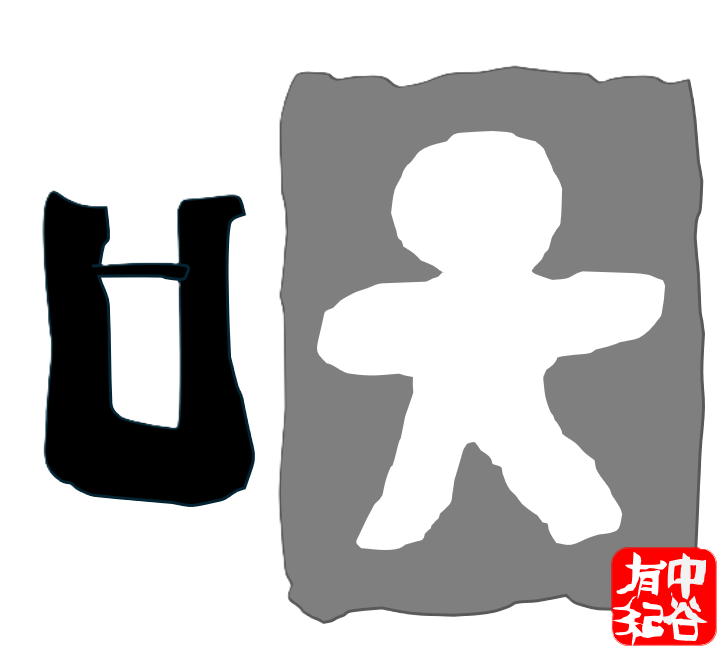
throat(咽)

This kanji is made of two parts. On the left is the ‘mouth’ radical. On the right is an element depicting a person lying down on a mat, which evolved over time to mean ‘cause,’ ‘root,’ or ‘origin.’ Combined, this kanji represents the root or deep origin of the mouth, which came to mean ‘throat.’

Words & Phrases

  • 咽喉(inkou):The throat as a whole

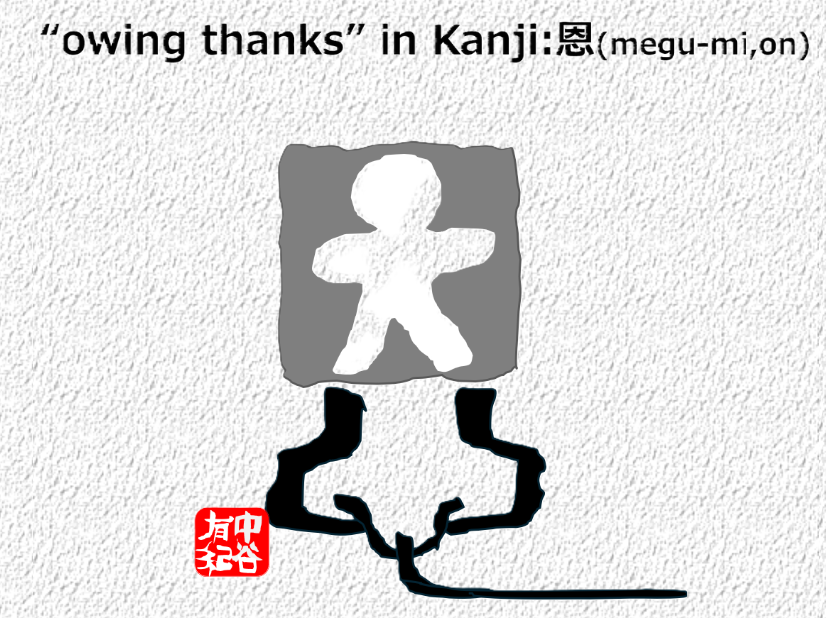
owing thanks(恩)

This kanji consists of two parts. At the top is an element depicting a person lying down on a mat. Over time, this idea of resting on or depending on something evolved to mean ‘cause,’ ‘root,’ or ‘origin.’ At the bottom is the ‘heart’ radical. Combined, this kanji represents a foundational human emotion—a feeling of gratitude and owing thanks to others in daily life.

Words and phrases

  • 恩義(ongi):A favor you are morally obligated to repay.
  • 恩師(onshi):A mentor to whom I owe a great debt of gratitude.
  • 恩人(onjin):Someone who took great care of me.