
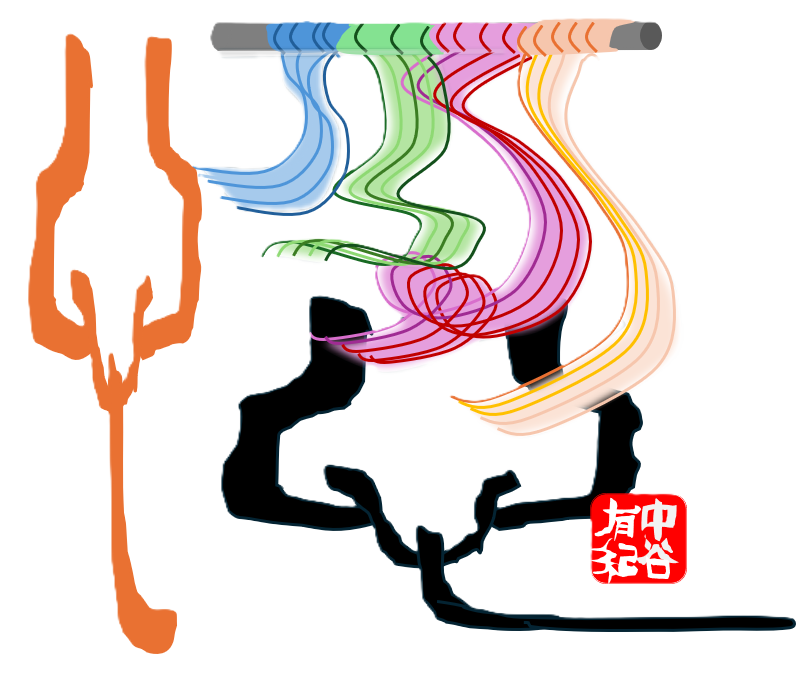
This kanji combines the ‘heart’ radical on the left with a right-side symbol for rapid, blurred motion. Together, it depicts an unfocused or distracted mind, coming to mean ‘to grow faint,’ ‘to become dazed,’ or ‘to fall in love.
The short story of Kanji pictures
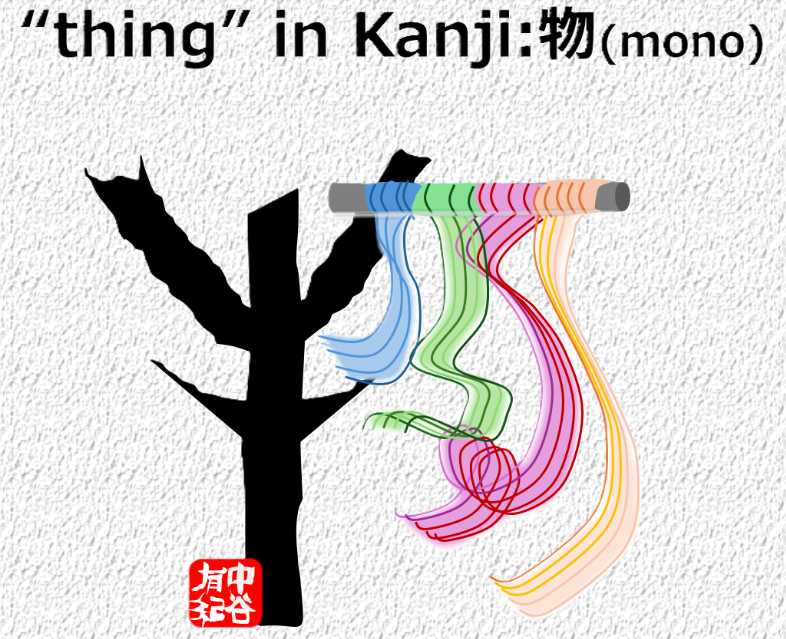

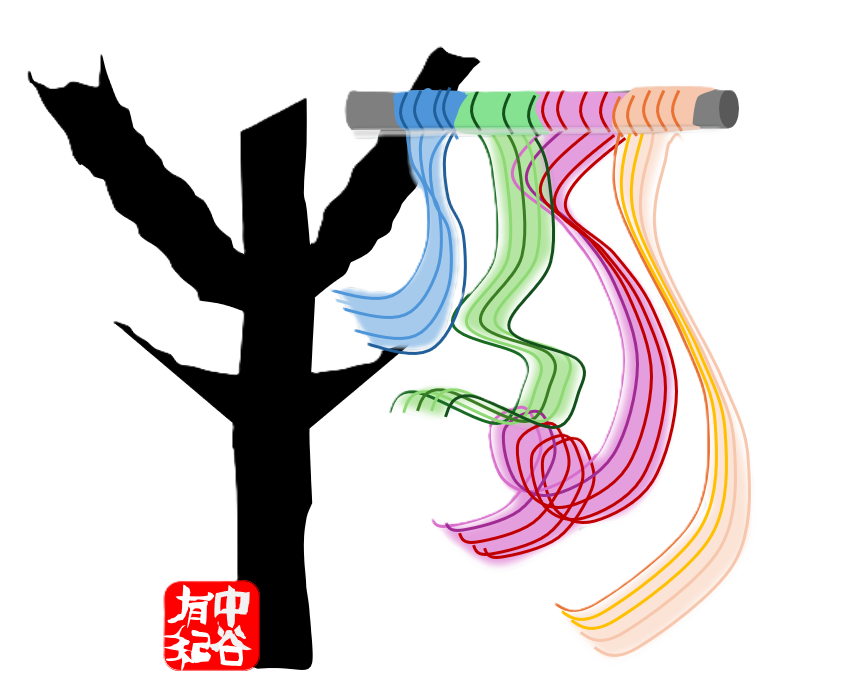
This kanji is made of two parts. On the left is the ‘bull’ radical, depicting a bull’s face with horns. On the right is the ‘do not’ radical, depicting cloths or streamers fluttering in the wind so quickly that they become blurred and vanish. Combined, this kanji originally represented various animals whose names people did not know. By extension, it came to mean everything that exists on Earth.
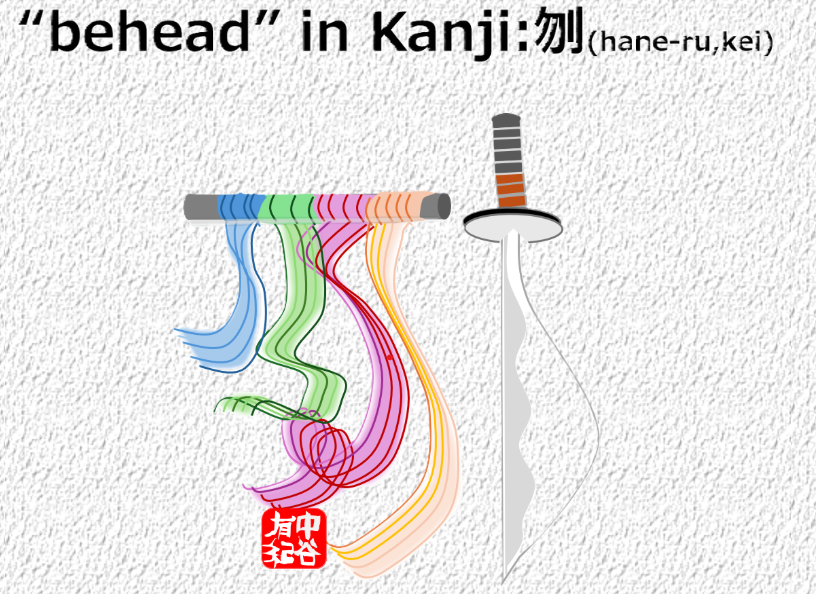

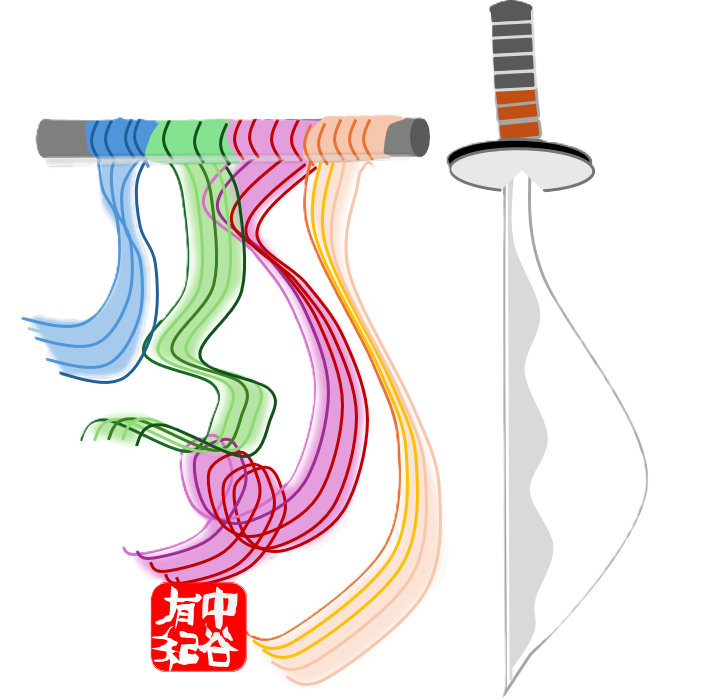
This kanji is made of two parts. On the left is the ‘do not’ radical, depicting cloths or streamers fluttering in the wind so quickly that they become blurred and vanish. On the right is the ‘sword’ radical. Combined, this kanji represents severing someone’s head with a sword, meaning ‘to behead’ or ‘to cut off a head’ so that it is no longer there.
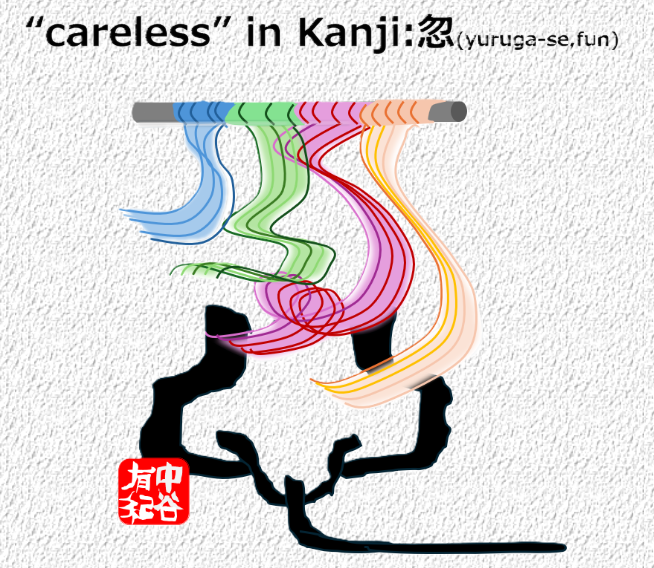

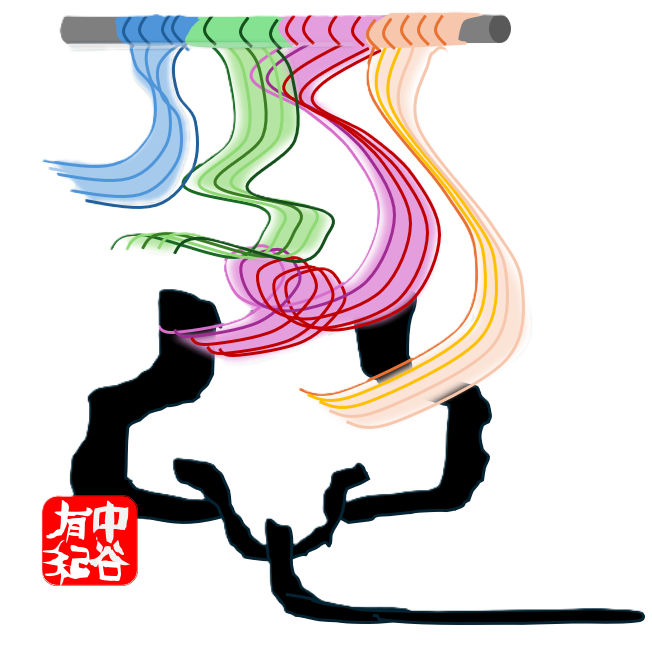
This kanji is made of two parts. At the top is the ‘do not’ radical, depicting cloths or streamers fluttering in the wind so quickly that they become blurred and hard to distinguish. At the bottom is the ‘heart’ radical. Together, this kanji represents a state of mind that lacks focus or presence, ultimately meaning ‘careless’ or ‘neglectful.
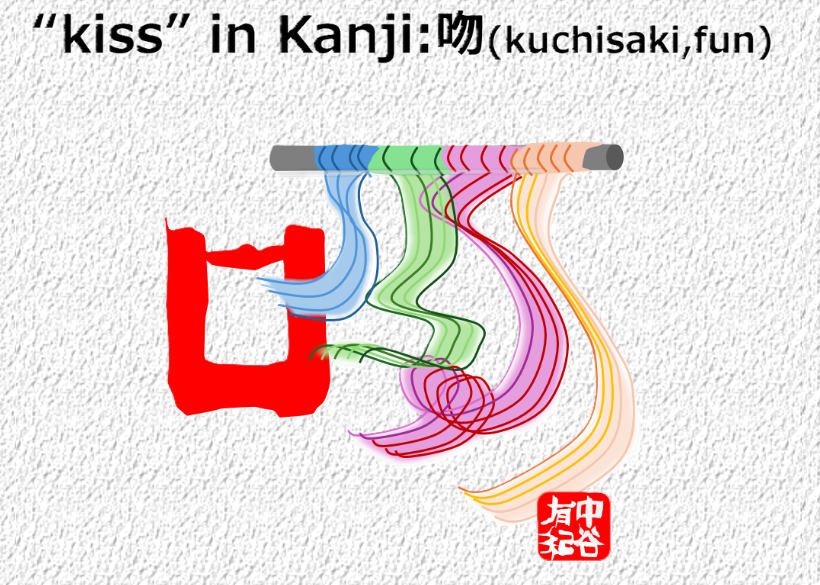

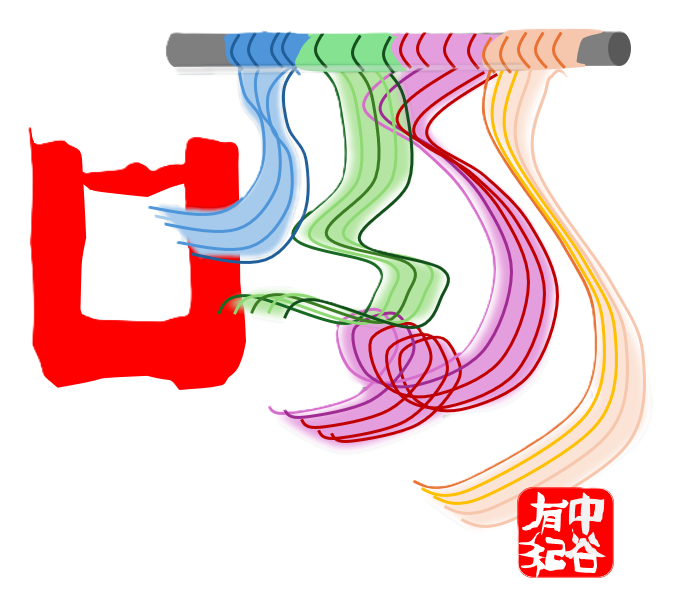
This kanji is made of two parts. On the left is the ‘mouth’ radical, and on the right is an element depicting cloths or streamers fluttering in the wind, blurred and hard to distinguish. Combined, this kanji represents two mouths pressed together so closely in a kiss that they become indistinguishable.
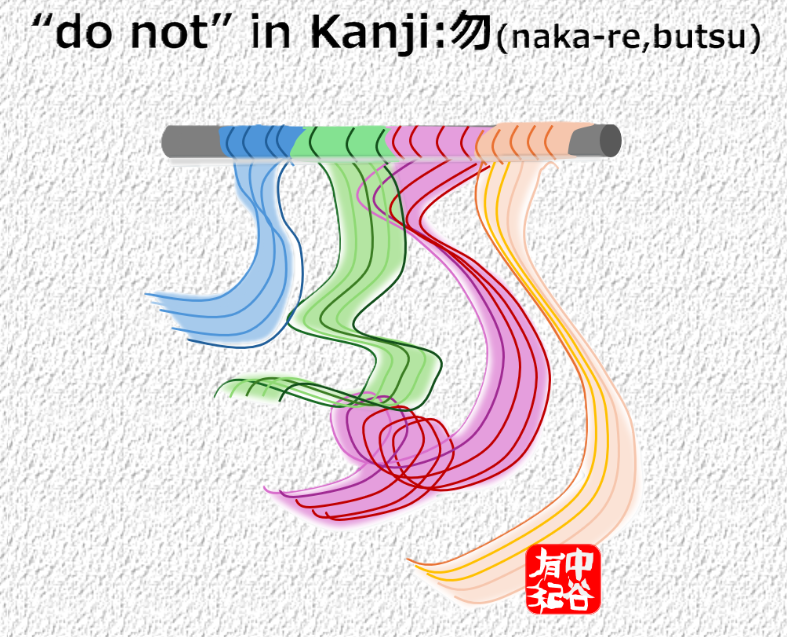

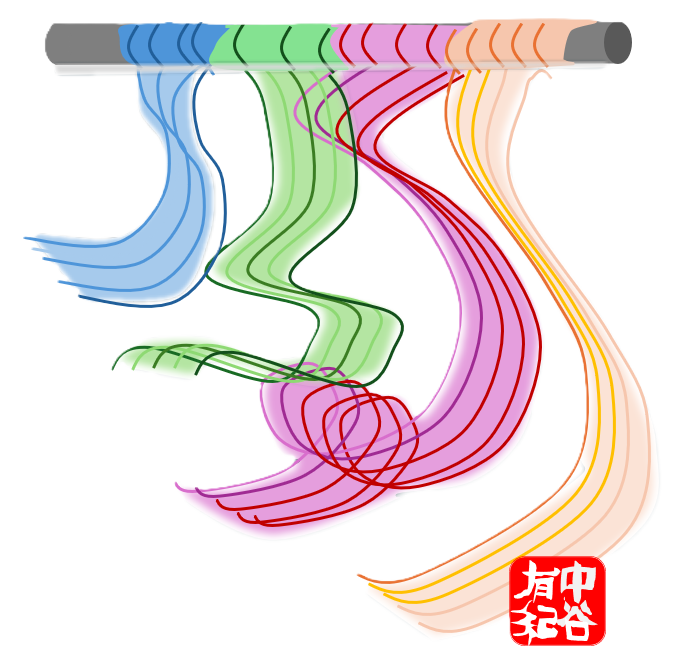
This kanji is said to depict cloth or streamers fluttering in the wind, swaying so quickly that they become blurred and hard to distinguish. Over time, this image of an unclear, obscured state evolved to express ‘do not,’ ‘must not,’ or general negation.