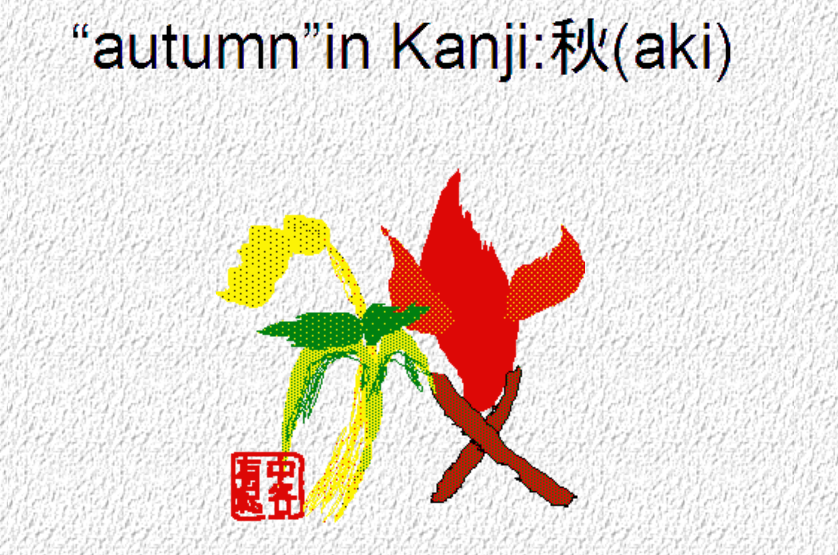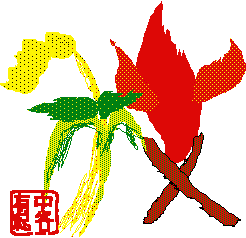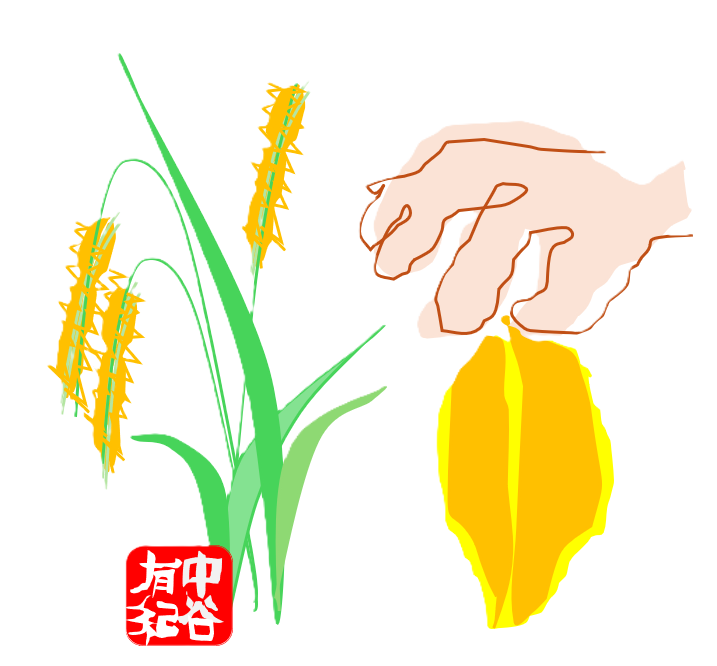
This kanji has two parts: The left side depicts a rice plant bending under the weight of its rice ears, and the right side shows a hand harvesting it. Therefore, this kanji means “rice plant.”
The short story of Kanji pictures
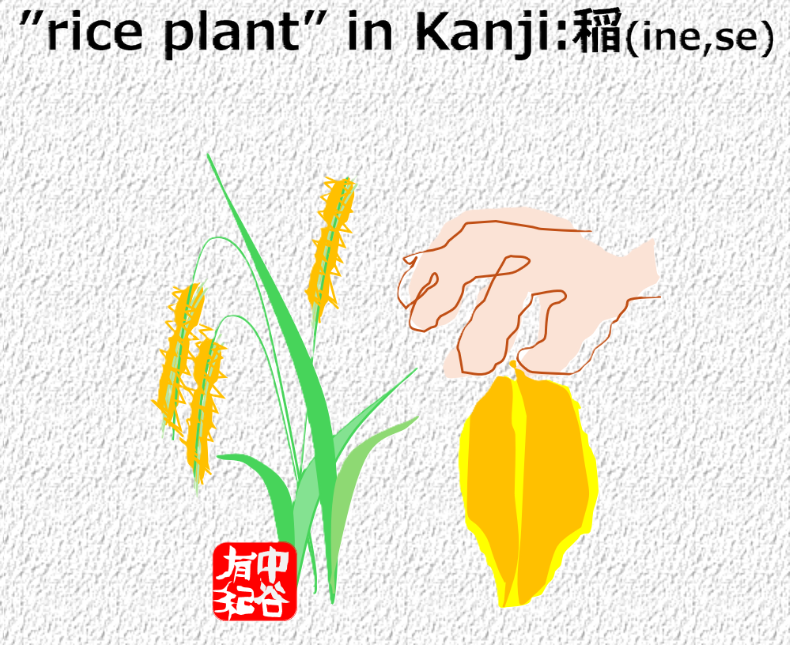
This kanji has two parts: The left side depicts a rice plant bending under the weight of its rice ears, and the right side shows a hand harvesting it. Therefore, this kanji means “rice plant.”
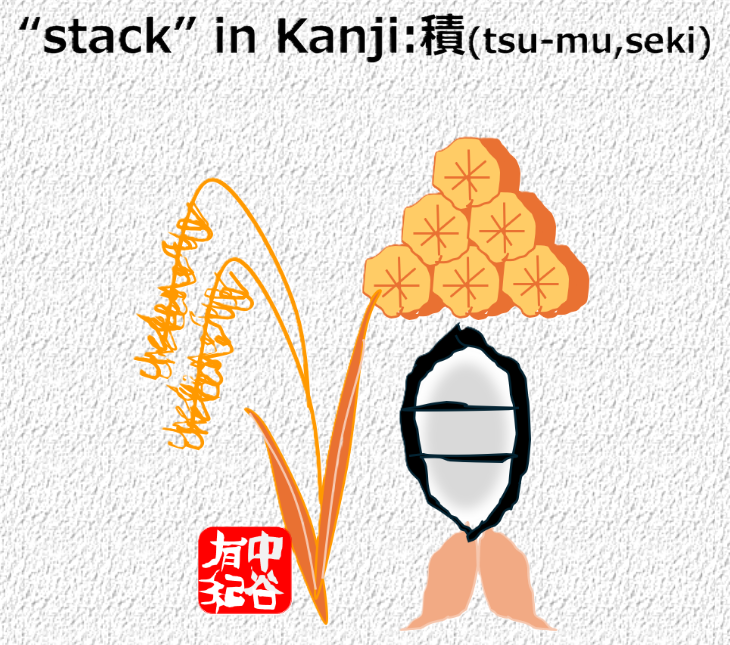

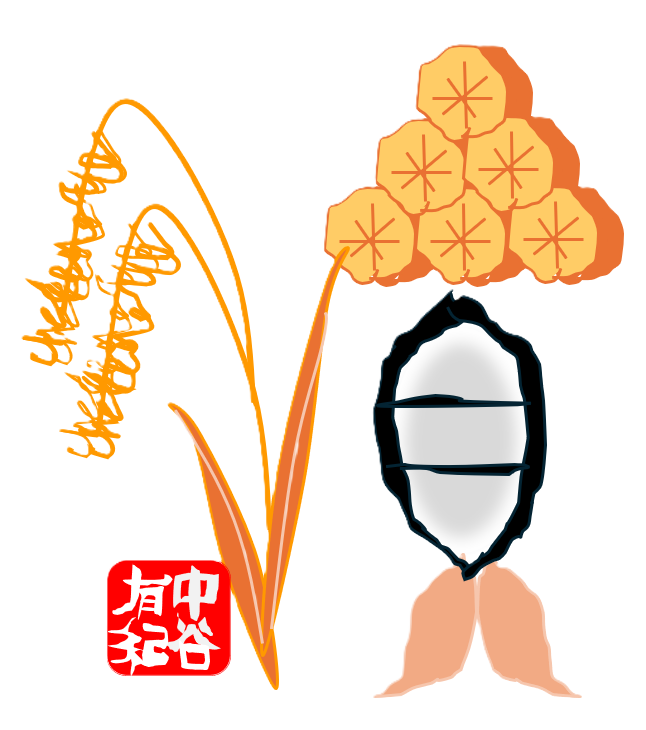
This kanji consists of three main elements. On the left is the “harvest” (grain) radical. On the top right is a symbol representing stacked rice bales, and on the bottom right is the “shell” radical, which served as currency in ancient times. Together, these elements depict taxes and valuable goods gathered from the people, creating the original meaning “to stack” or “to accumulate.” By extension, this kanji is now used for accumulating intangible valuables, such as gaining experience or building skills.
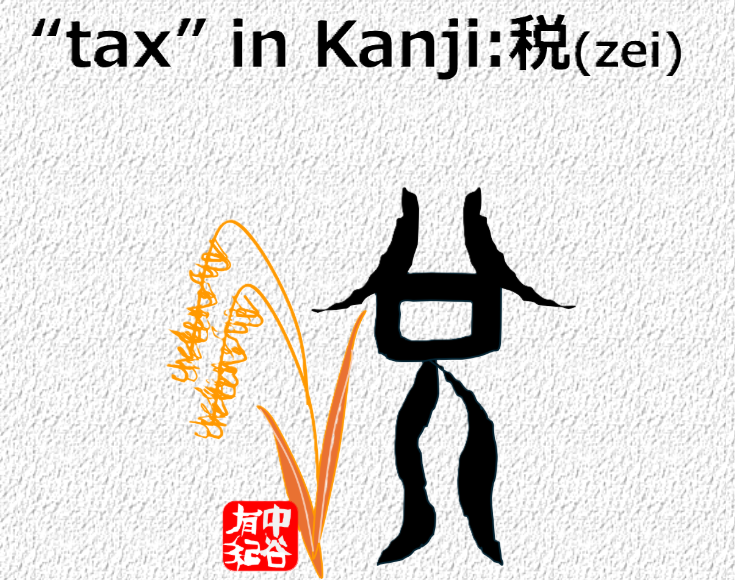

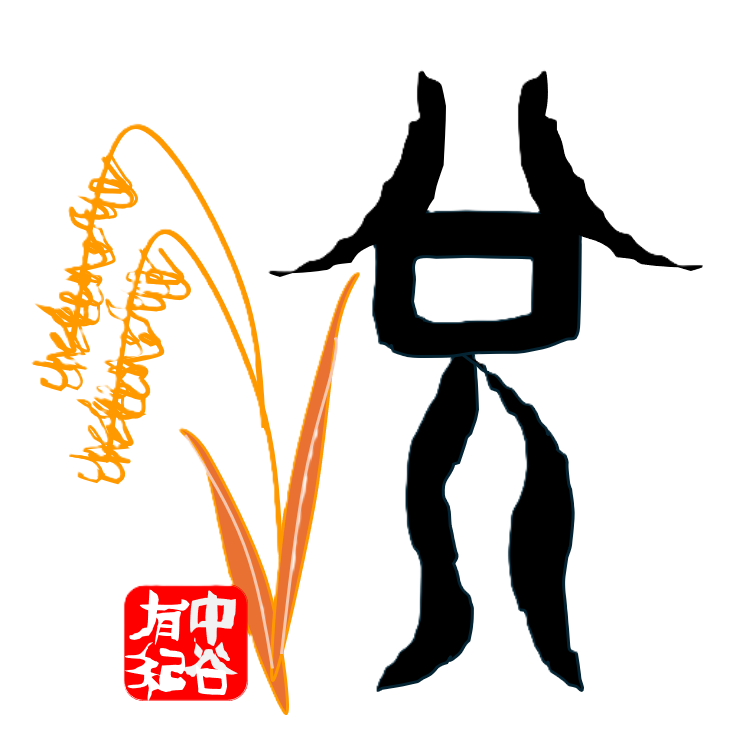
This kanji consists of two parts. On the left is the “harvest” (grain) radical, and on the right is a component representing shedding or taking away. Together, this kanji means “tax”—originating from the idea of crops being ruthlessly taken away as tax from the farmers who grew them.
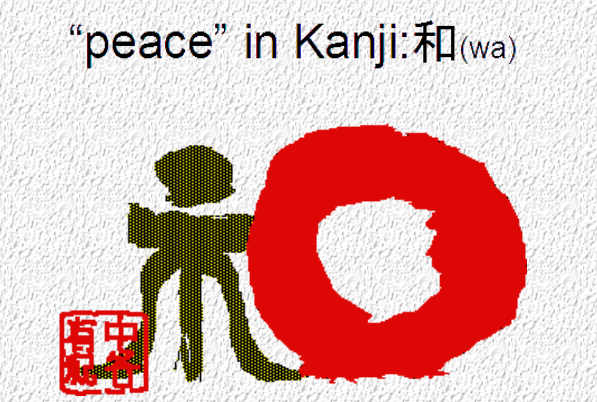

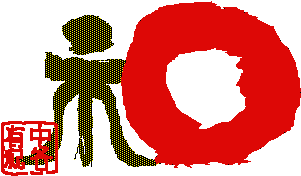
On the left side of this figure, you can find a sacred stand for food and offerings, while on the right, a large circle symbolizes the collective mouth of the people. This character captures the profound moment where citizens discuss and debate their political problems to find a solution in front of the stand representing their gods or king. Therefore, this beautifully comes to mean ‘peace’!