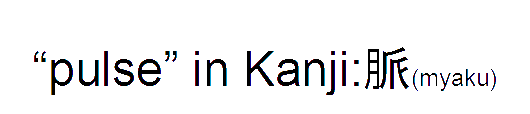
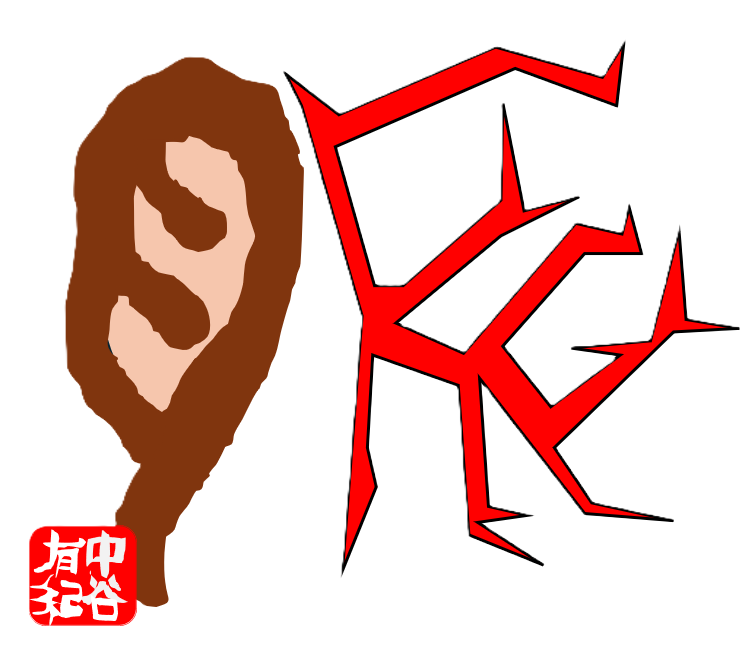
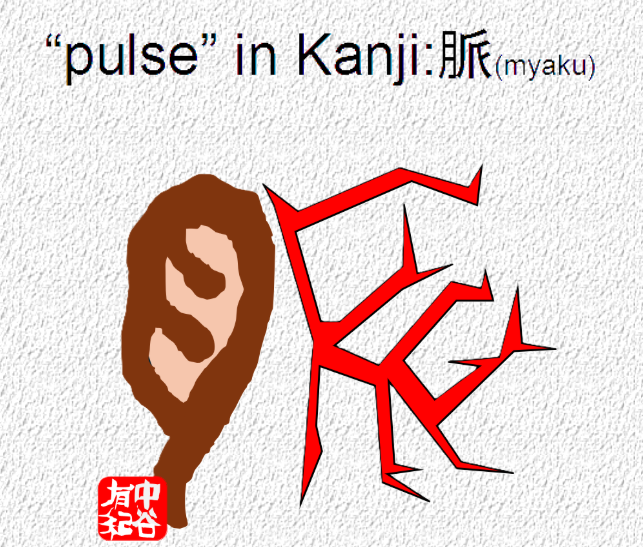
This character has the “flesh” (body) radical on the left and a symbol for blood vessels on the right. Because it represents blood flowing through the body, this character means “pulse.”
The short story of Kanji pictures
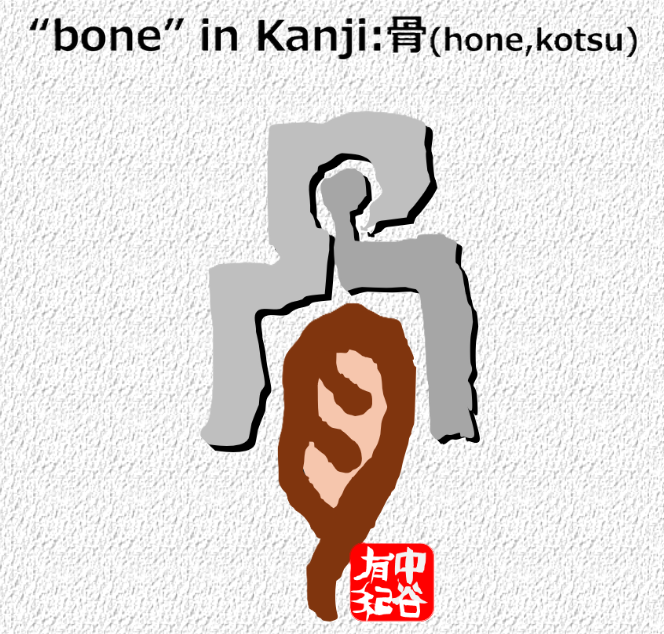

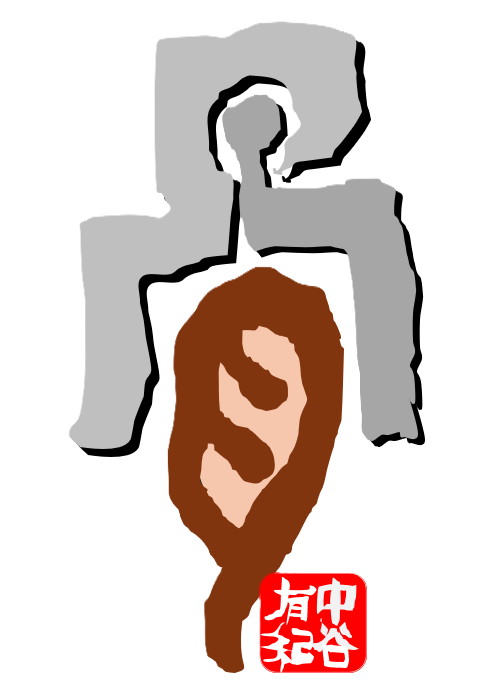
This kanji has two parts: the top radical represents a bone joint, and the bottom radical means “muscle” or “body.” Together, it originally meant a physical “bone.” Over time, its meaning expanded to describe the ability to move your body effectively, just as you imagine.
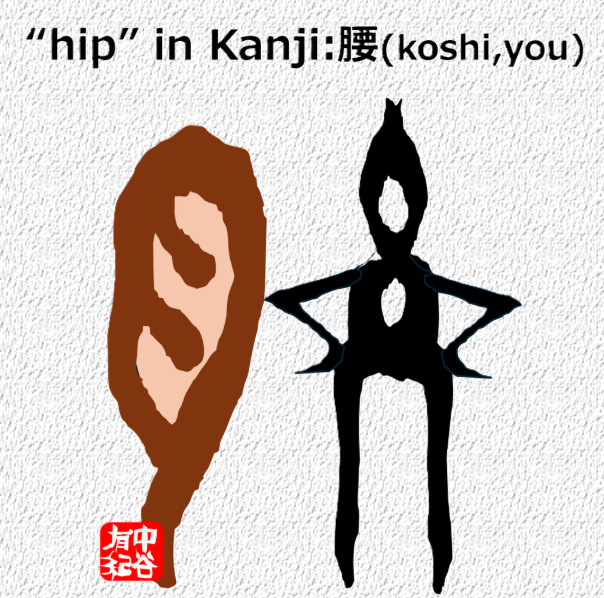

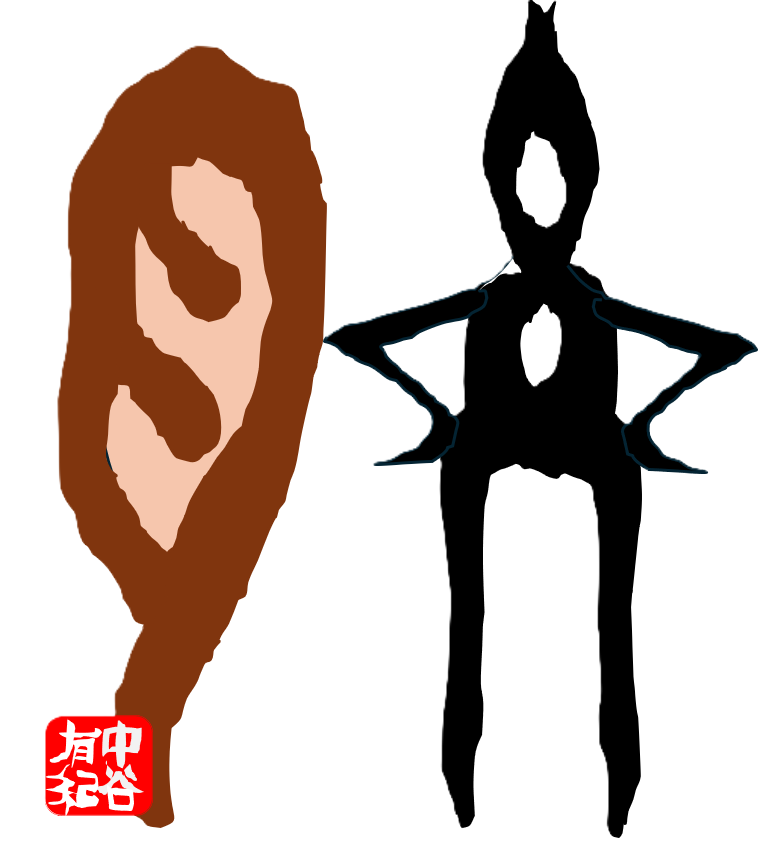
This kanji consists of two parts. On the left is the “body” radical, and on the right is a woman with her hands on her hips, which represents the body’s most important part. Together, this kanji means “hip” or “the most vital physical point.”
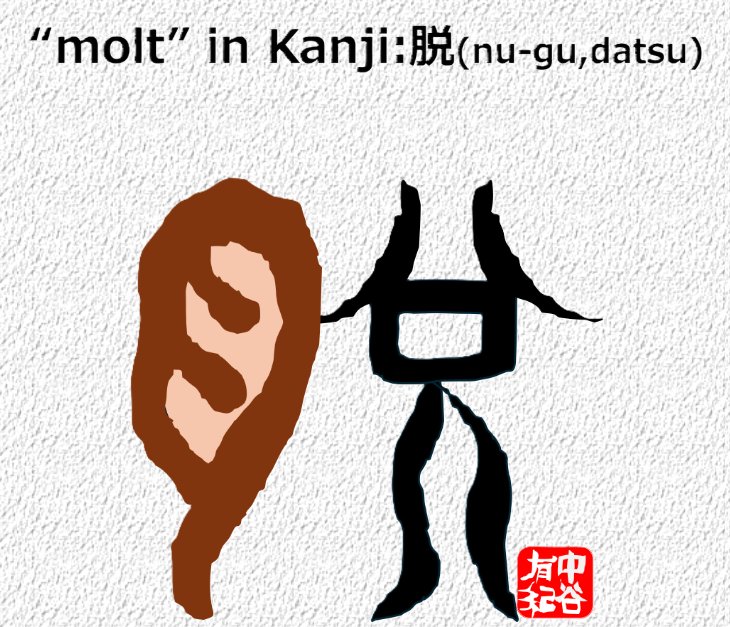

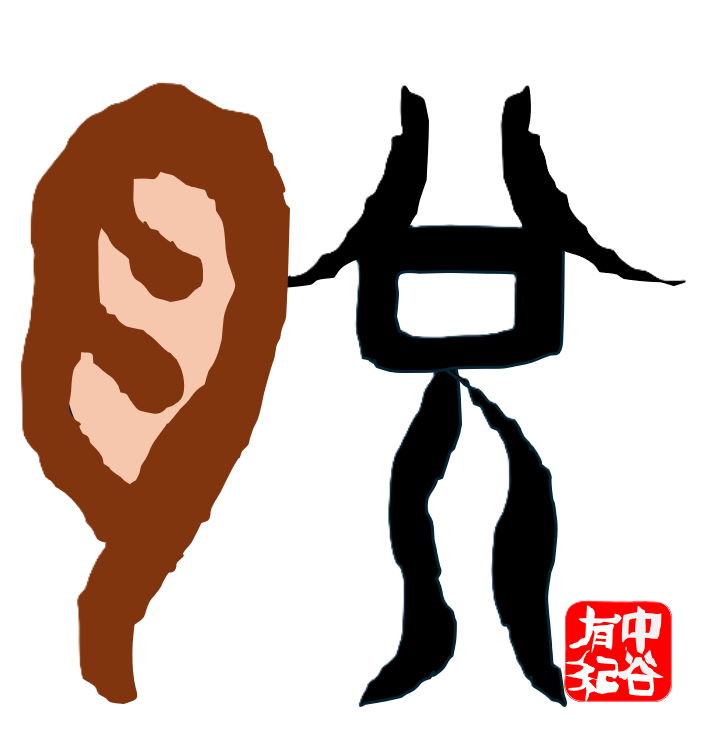
This kanji consists of two parts. On the left is the “body” radical, and on the right is a component depicting a person sloughing off or removing their clothing. Together, this kanji means “to shed,” “to molt,” or “to exit” from within.
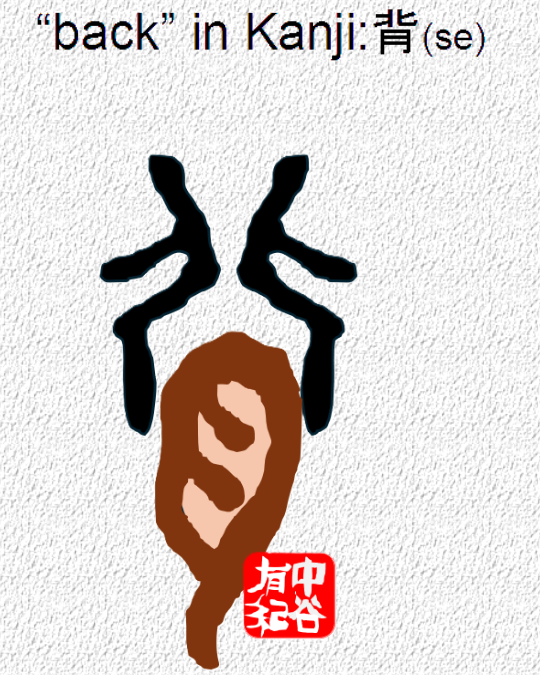
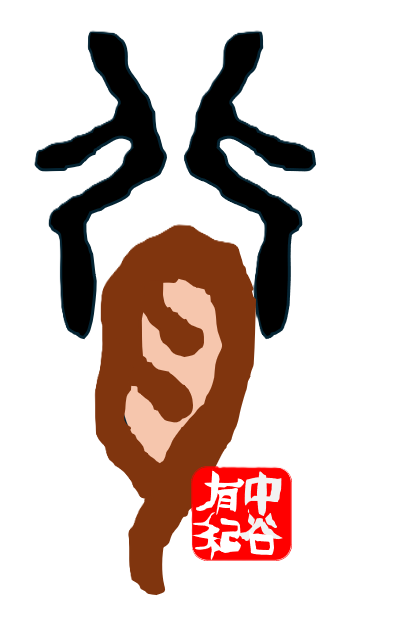
This kanji consists of two parts. The top radical represents two people sitting back-to-back, which originally meant “back.” Later, it came to mean “north” because ancient Chinese emperors always faced south when seated, putting their backs to the north. To restore and clarify the original meaning, the radical for “muscle” or “body” was added to the bottom, creating the kanji that means “back.”