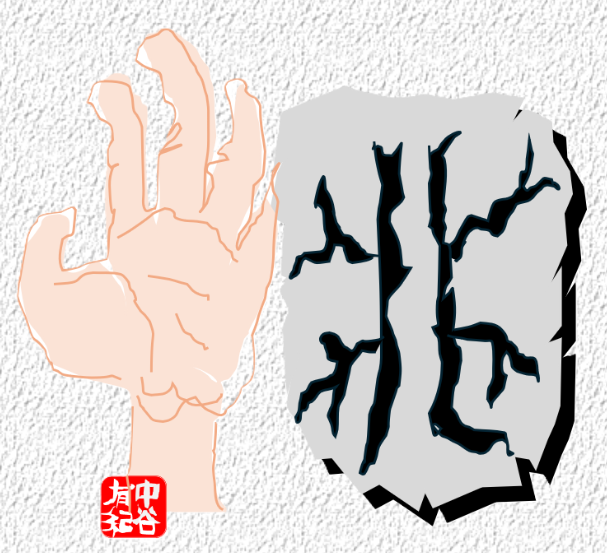

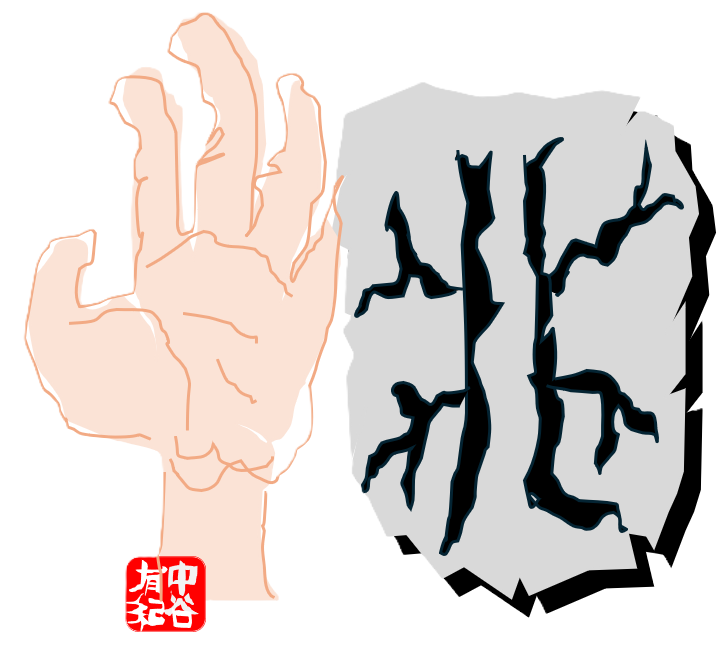
challenge(挑)

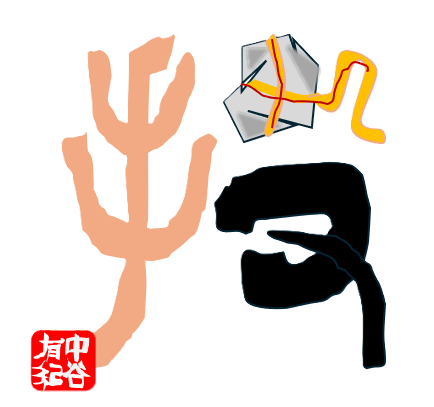
This kanji consists of two parts: the ‘hand’ radical on the left, and the element for ‘omen’ on the right, which captures the exact moment a heated tortoise shell or bone cracks open with a sharp ‘SNAP!’ In ancient divination, those symmetrical cracks were read as divine messages—making the right side the ultimate symbol for ‘signs’ and ‘omens.’ Combined with the hand, this kanji portrays actively grasping and reshaping those omens through your own will and action, giving it the meaning ‘to challenge’ or ‘to take on a bold endeavor.'”

この漢字「挑」は2つの部分からできています。左側は手の動きを表す「てへん(手)」、右側は熱した亀の甲羅や動物の骨が「パキッ!」と鋭い音を立てて割れる瞬間を描いた「兆(きざし)」です。古代の占いでは、その左右対称のひび割れから神様のお告げを読み取っていたため、右側は「前触れ」や「吉凶のサイン」の象徴となりました。これに「手」が組み合わさることで、運命のサインをただ待つのではなく、自らの意志と行動でつかみ取り、切り開いていく様子を表したことから、「いどむ(挑戦・挑む)」や「大胆な試みに立ち向かう」という意味になりました。

Words & Phrases

  • 挑戦(chousen): to challenge or try
Related Posts

pinch(挟)

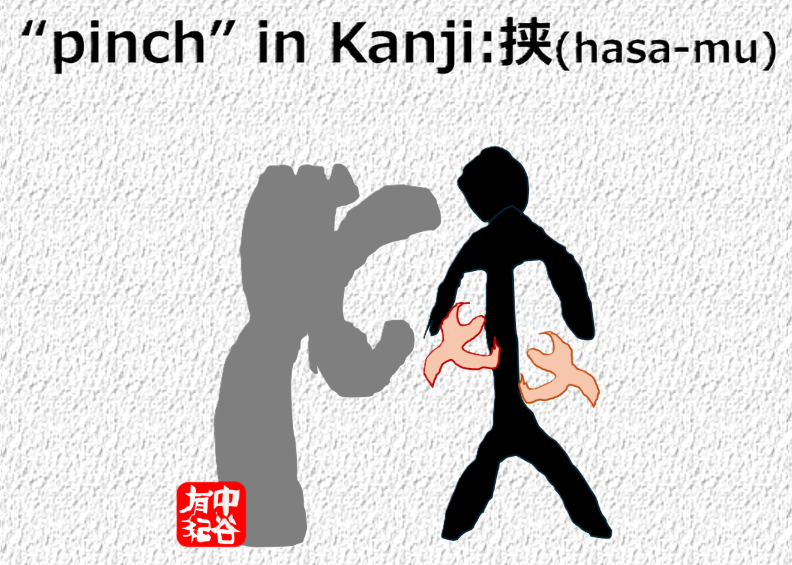
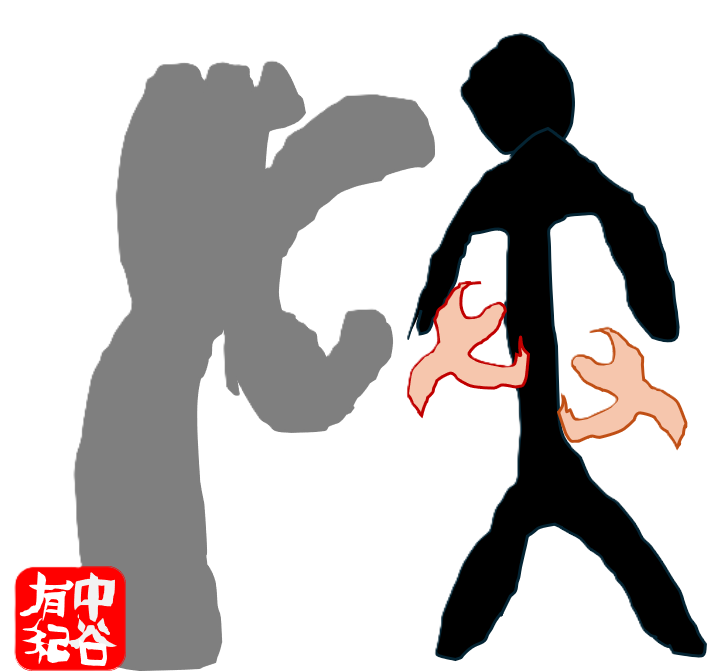
This kanji is made of two parts. On the left is the ‘hand’ radical. On the right is an element depicting a person held or squeezed from both sides. Combined, this kanji means to hold, pinch, or sandwich something strictly between two things.

この漢字は、左側は「手(てへん)」、右側は両側からギュッと人を抱きかかえる・押し挟む様子を描いています。2つのものの間に物をしっかりと挟み込んで固定することから、「はさむ(挟む・挟撃)」という意味になりました。

grasp(捉)

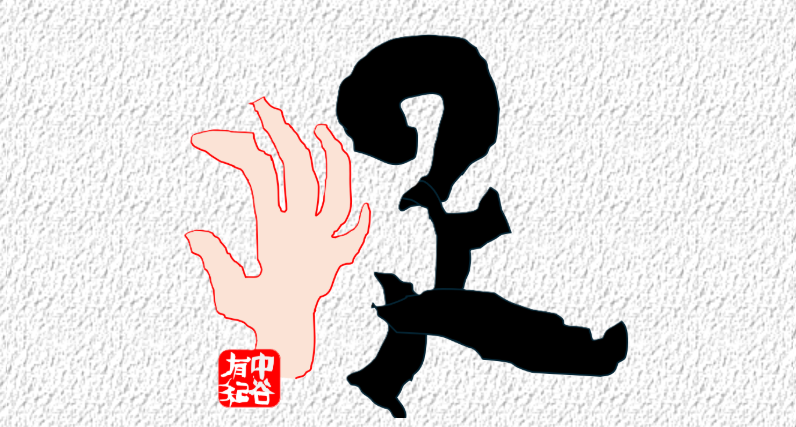
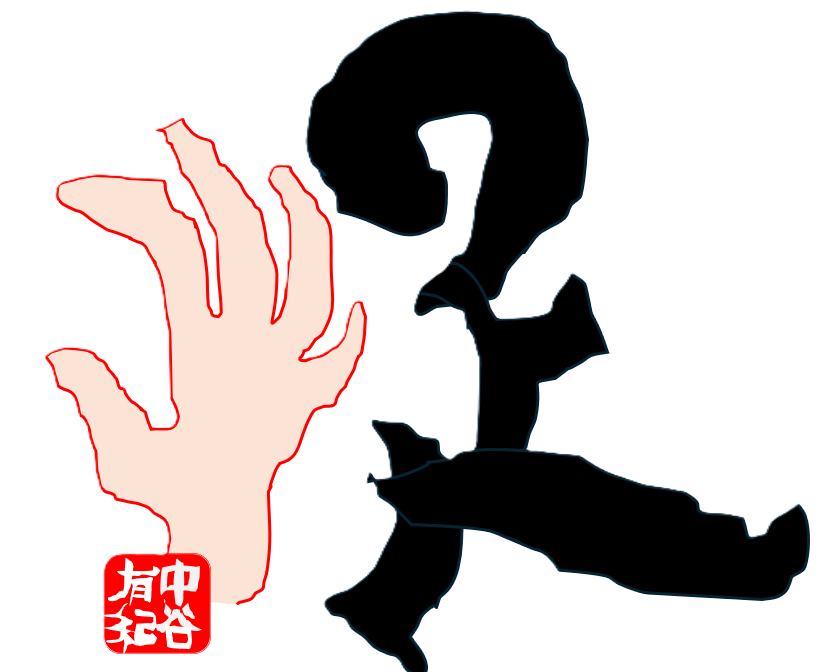
This kanji has two parts. The left side is the radical for “hand,” and the right side is the radical for “foot” (a walking person). Combined, it means to completely understand a message using all of your hands and feet.

この漢字は、左側は「手(てへん)」、右側は歩く足を表す「足(足跡)」です。手足のすべてを使ってしっかりと捕まえ、物事の意味を余すところなく理解することから、「つかまえる」「捉える(把握する)」という意味になりました。

Related Posts

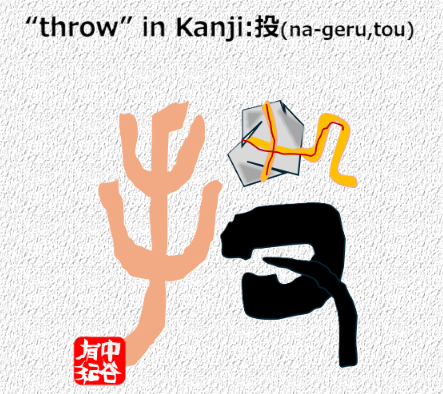
throw(投)

This kanji consists of two parts: the ‘hand’ radical on the left, and a hand holding a weapon or tool to strike or hurl at a target on the right. Therefore, this kanji came to mean ‘to throw’—referring to the action of hurling or tossing something by hand.

この漢字は、左側は「手(てへん)」、右側は手に武器や道具を持って前方の標的に向かって勢いよく打ち据える様子(殳)です。手を使って前方の空間へと物を勢いよく放り投げる「なげる(投げる・投票)」を表します。

skill(技)

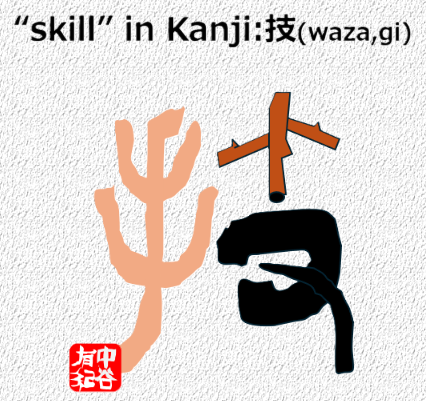
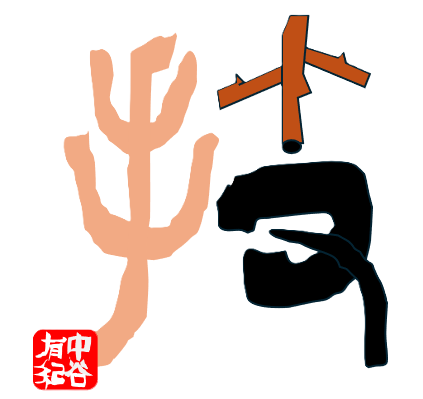
This kanji consists of two parts: the ‘hand’ radical on the left, and a hand holding a branch on the right. Therefore, this kanji came to mean ‘skill’ or ‘technique’—referring to the human ability to craft things meticulously by hand.

この漢字は、左側は「手(てへん)」、右側は手に小枝を持って細工をしている様子(支)を描いています。手先を器用に動かして精密に物を作り出す人間ならではの腕前、「わざ(技術・技能)」を意味します。

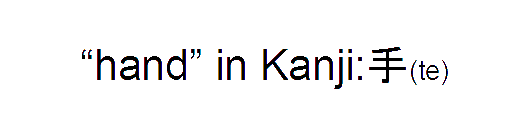
hand(手)

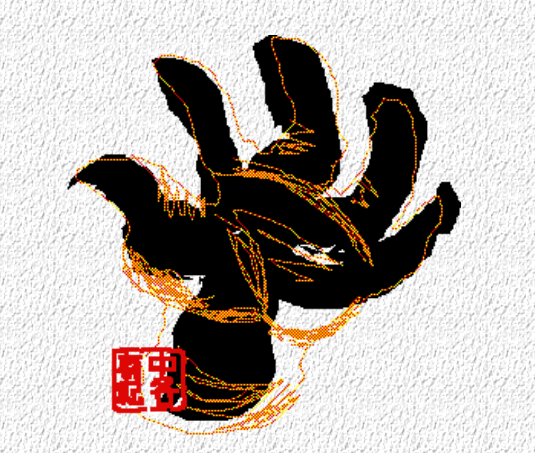
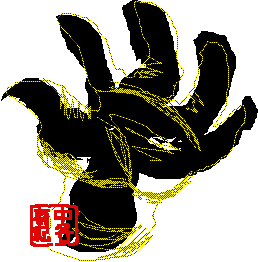
You can clearly see the shape of a hand in this figure. Therefore, this character directly represents ‘hand’.

手のひらと、そこから広がる5本の指の形をシンプルにそのまま描いた漢字です。人間の身体の「て(手)」を直接表しています。