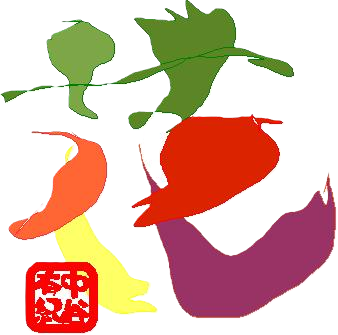
This kanji consists of two parts: the ‘grass’ radical on top, and the kanji for ‘thunderstorm’ below. So, why does this kanji mean ‘bud’? It is said that the flash of a thunderstorm resembles a flower bud bursting with bright light.


The short story of Kanji pictures
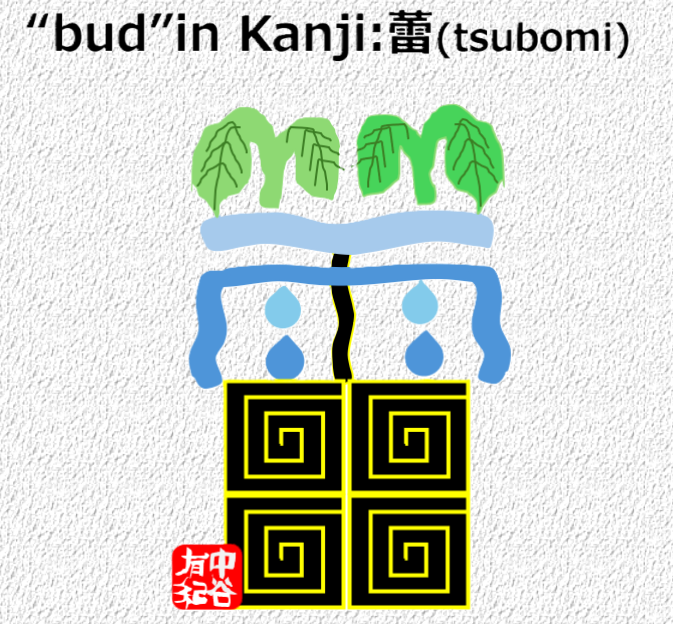
This kanji consists of two parts: the ‘grass’ radical on top, and the kanji for ‘thunderstorm’ below. So, why does this kanji mean ‘bud’? It is said that the flash of a thunderstorm resembles a flower bud bursting with bright light.
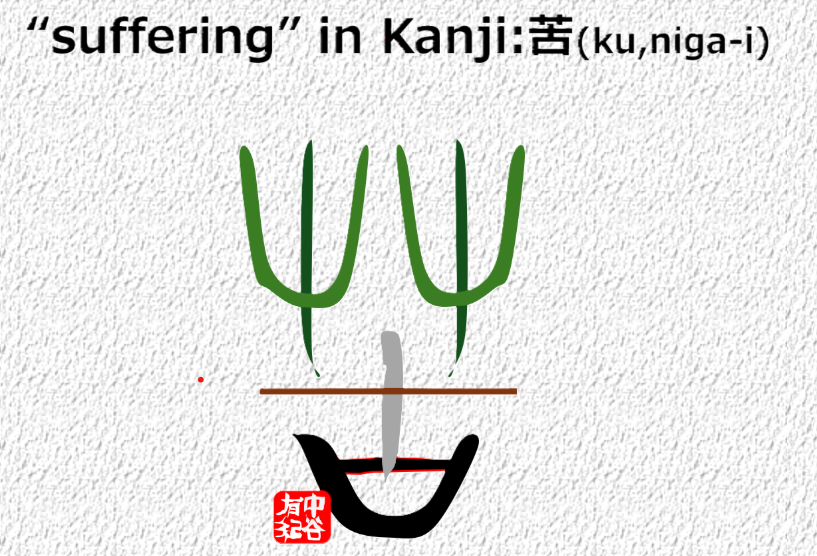

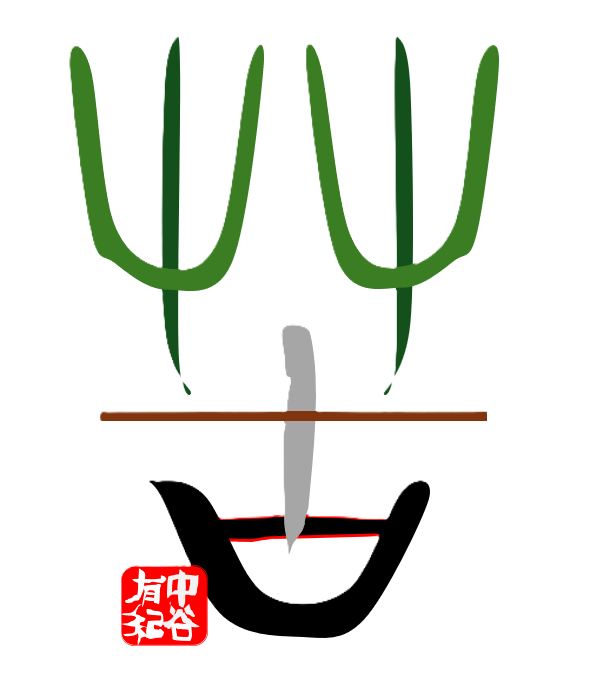
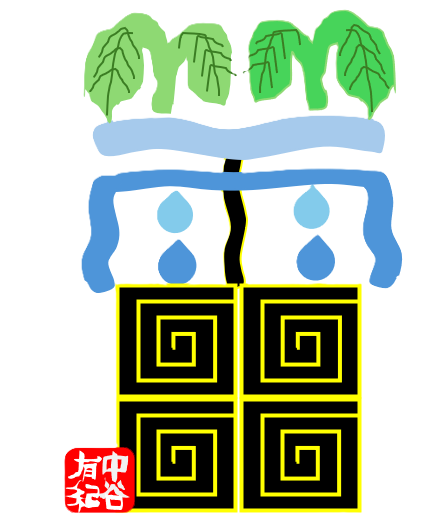
The upper radical signifies ‘plants’ or ‘leaves,’ while the lower component depicts a mouth stimulated by a harsh taste, meaning ‘bitter.’ Consequently, the kanji represents ‘bitterness’ and, by extension, ‘suffering.’ As the old proverb goes, ‘Pain is inevitable, suffering is optional.

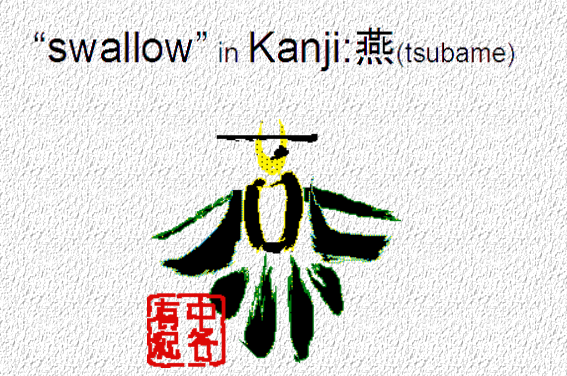

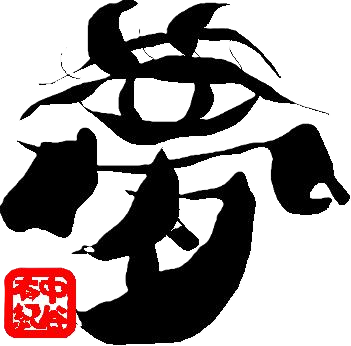
Imagine watching a swallow heading up into the sky, gracefully folding and beating its wings from above. Since ancient times in China, the swallow has been a symbol of good fortune and happiness. Because of this auspicious meaning, this character is frequently used in town names and other celebratory places.
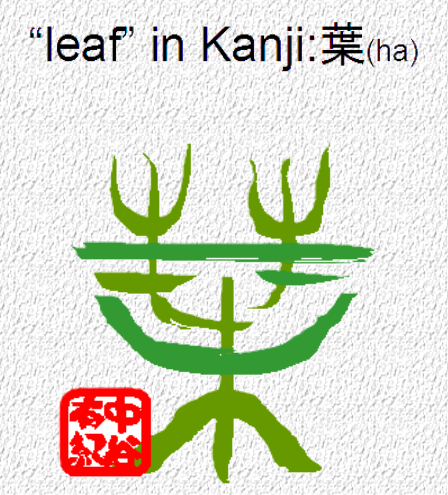

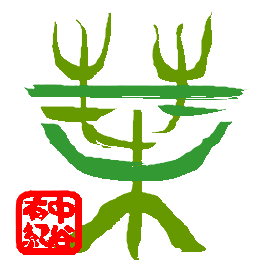
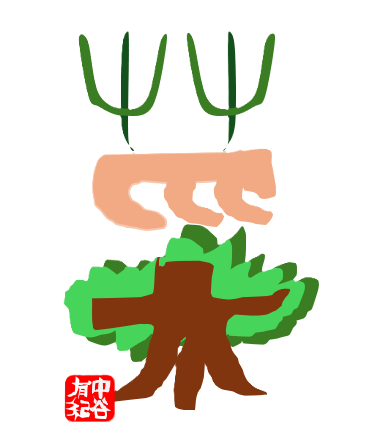
This kanji describes a ‘LEAF’ spreading wide to catch the SUN! As you can see, the shape captures the energy of nature, and that is why this kanji means ‘LEAF’ in Japanese.