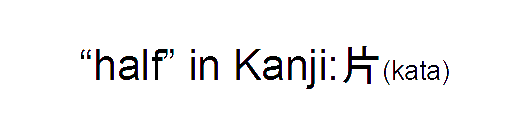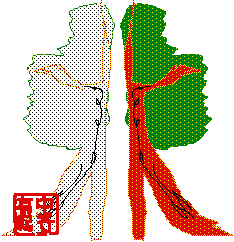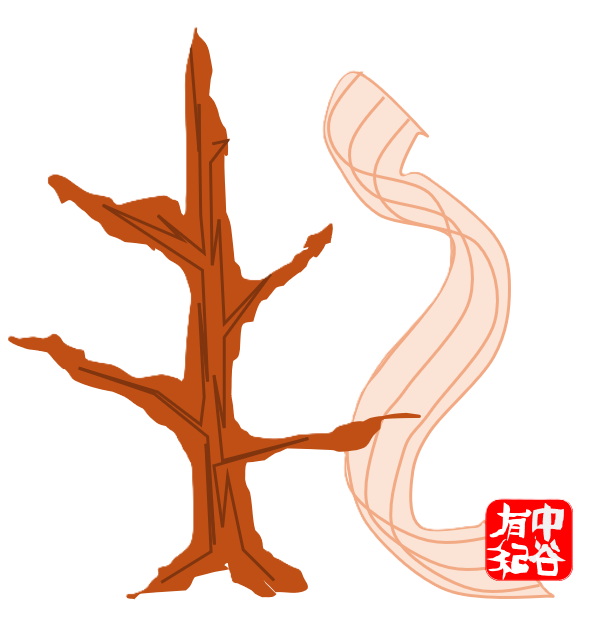
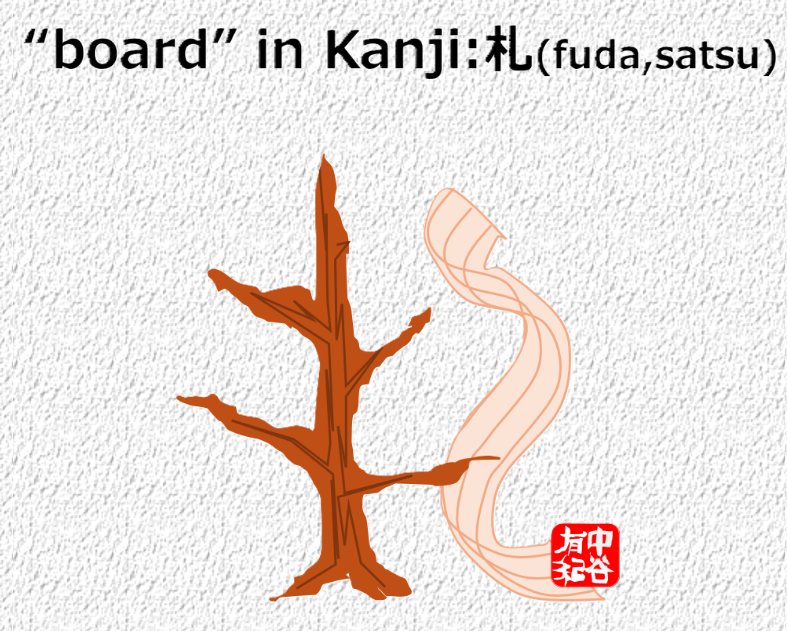
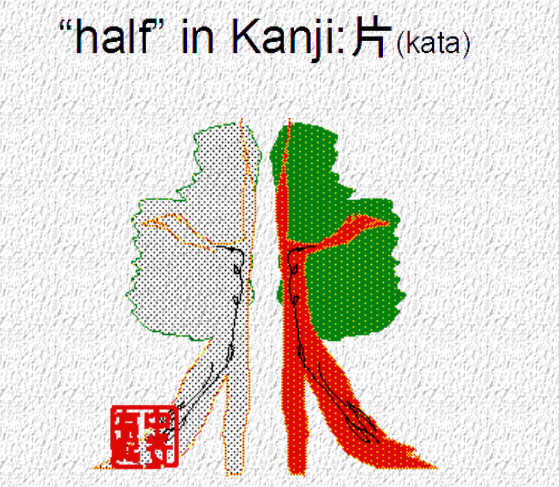
This kanji consists of two parts: the wood radical on the left and a wood shaving on the right.Originally, it referred to a thin wooden board or a piece of paper made from wood. Over time, its meaning expanded to refer to paper money.
The short story of Kanji pictures
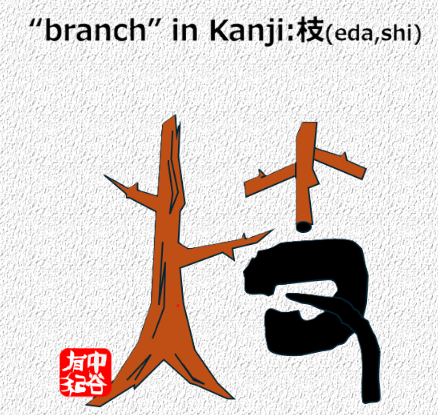

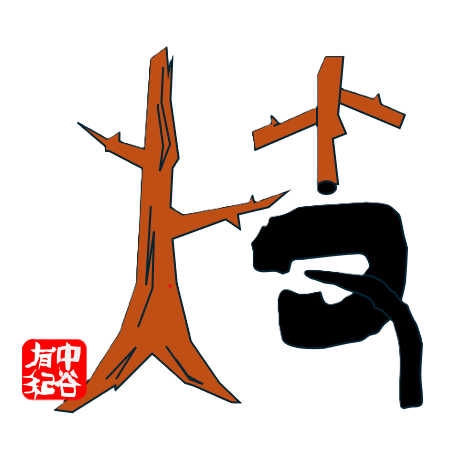
This kanji consists of two parts: the ‘tree’ radical on the left, and a hand holding a branch on the right. Originally, it referred to a tree branch itself. By extension, it came to mean ‘something that branches off from the main stream.’
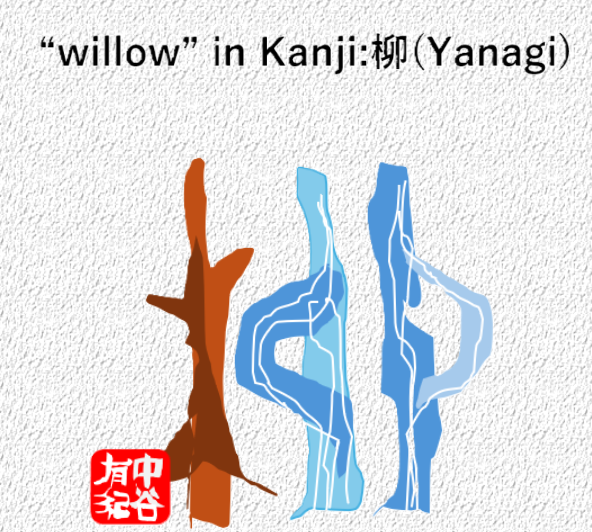

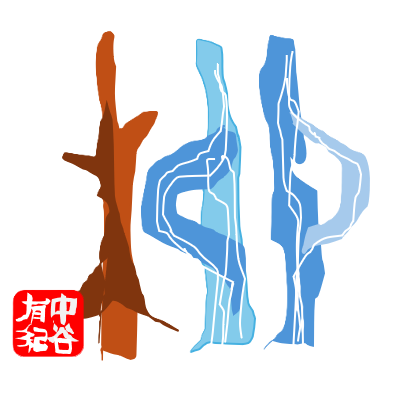
The architecture of this Kanji character tells a beautiful story of nature:
When these two elemental symbols blend together, they create the Kanji for “Willow” (柳)—a tree that sways and blossoms with the graceful, fluid elegance of running water.
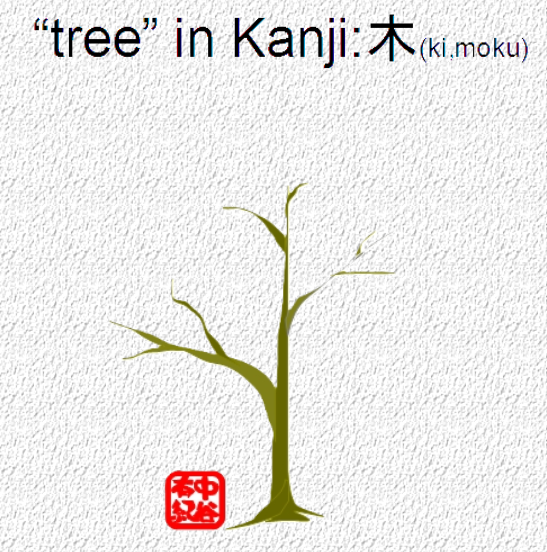

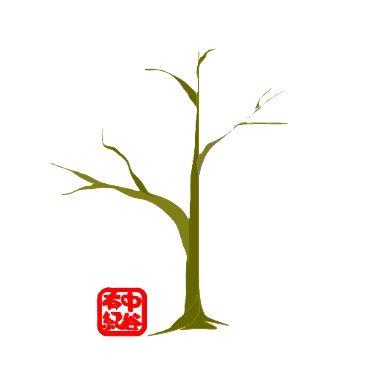
Perhaps it was essential for ancient people to first name the elements of nature around them, such as trees, rivers, mountains, and animals. This character beautifully represents ‘tree’ in a single word.
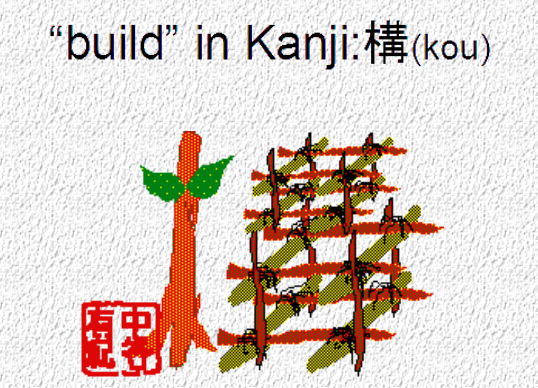

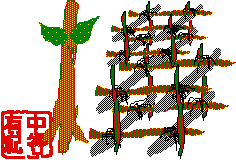
This kanji instantly makes it easy to imagine exactly what it means! On the left, you have the raw material of a massive, solid TREE. On the right, the intricate lines perfectly depict the wooden frames of a building being locked together. Combining the strong wood with precise architecture, this character serves as the ultimate visual definition of ‘BUILD’ or ‘STRUCTURE’
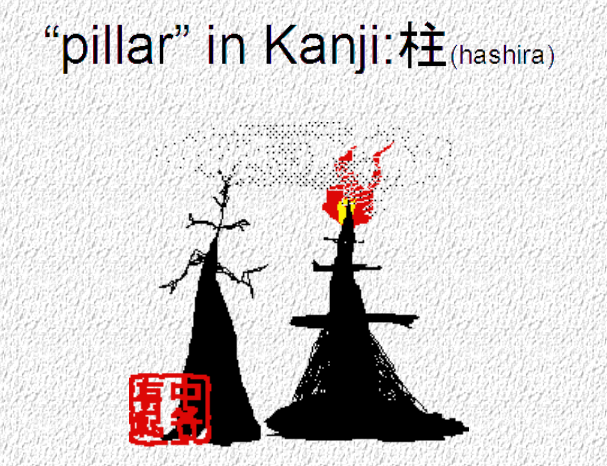
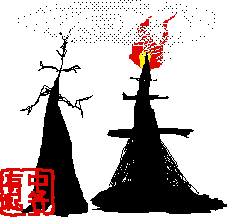
“This kanji holds a deeply mysterious meaning in Japanese legend. In Japan, a ‘PILLAR’ is not just a support for a house—it is also the symbol of a ‘GOD.’ On the left, you can see a giant tree, and on the right, a ladder extending to the heavens. Therefore, this kanji represents a sacred way to contact the GODS, using a long ladder as grand as a towering tree.
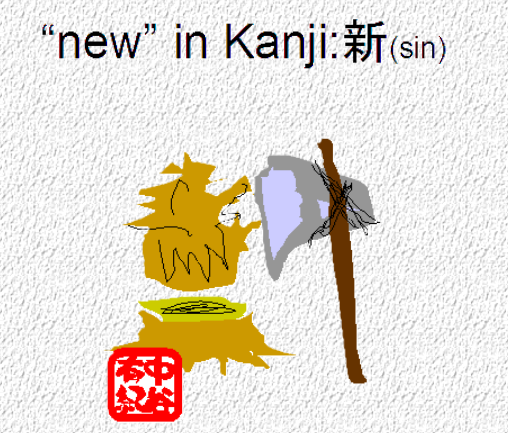

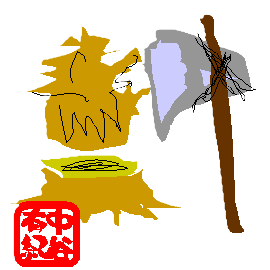
A huge tree was cut down with a sharp ax, leaving behind a fresh stump. This image of a freshly cut tree is why this kanji came to mean ‘NEW’!