
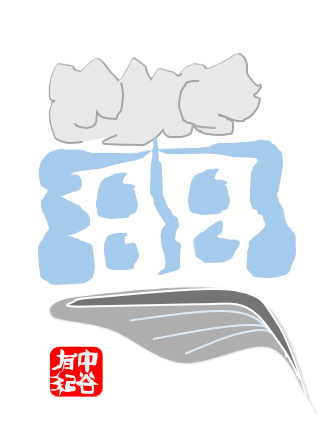
This kanji consists of two parts: the radical for ‘rain’ at the top, and ‘feathers’ below. Therefore, this kanji means ‘snow’—depicting rain that freezes and falls softly through the air like fluffy feathers.

The short story of Kanji pictures
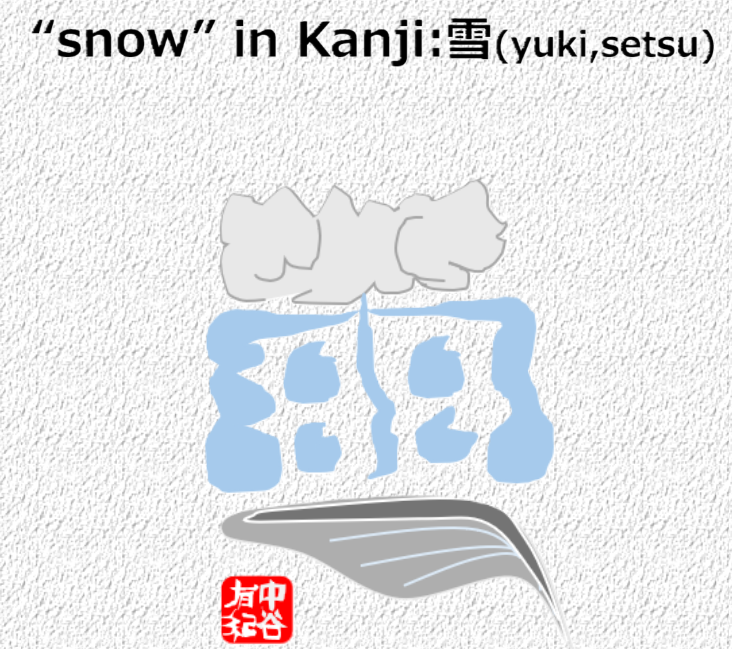
This kanji consists of two parts: the radical for ‘rain’ at the top, and ‘feathers’ below. Therefore, this kanji means ‘snow’—depicting rain that freezes and falls softly through the air like fluffy feathers.
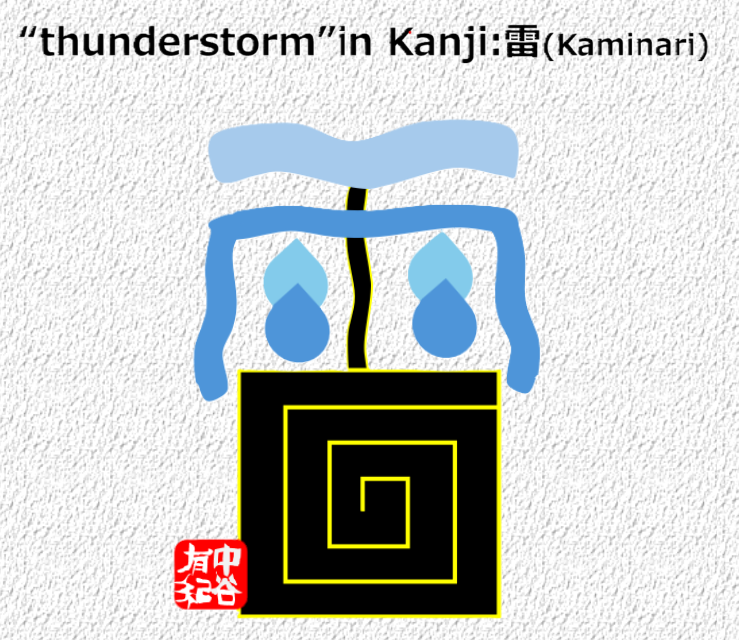

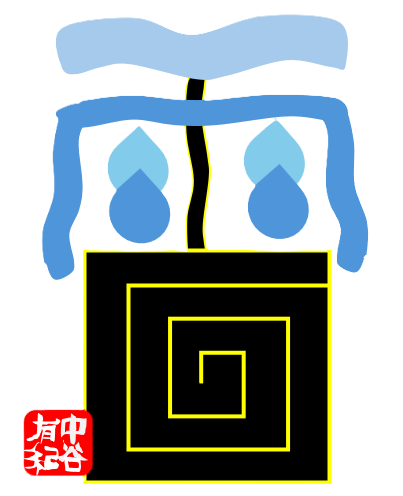
This kanji combines the radical for ‘rain’ at the top with the symbol for flashing lightning at the bottom. Therefore, this kanji carries the meaning of ‘thunder’ or ‘lightning’.
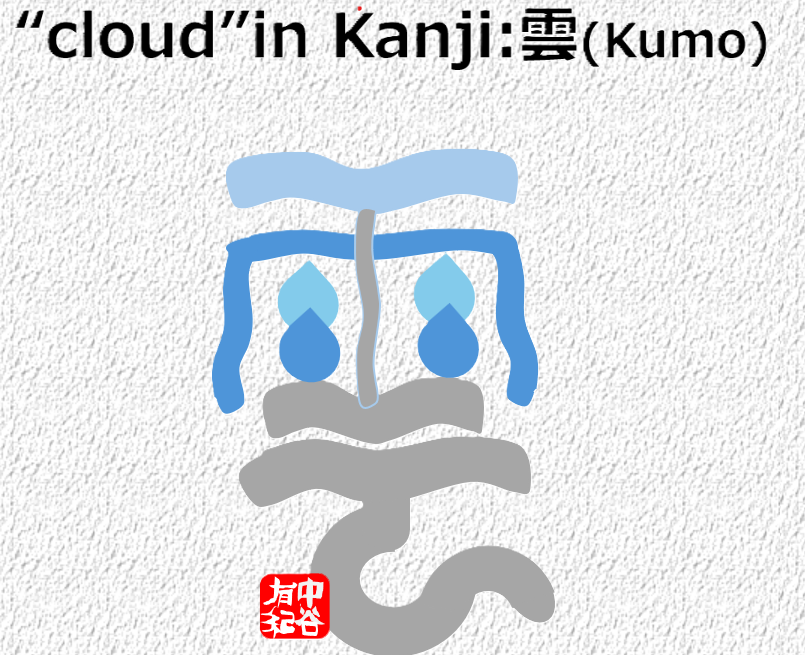

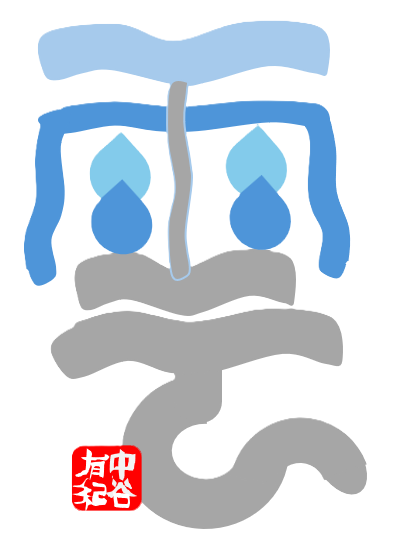
This kanji combines the radical for ‘rain’ at the top with the symbol for a moving cloud at the bottom. Therefore, this kanji carries the meaning of ‘cloud’.