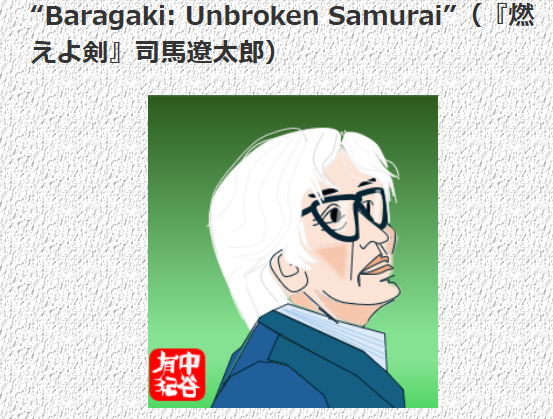
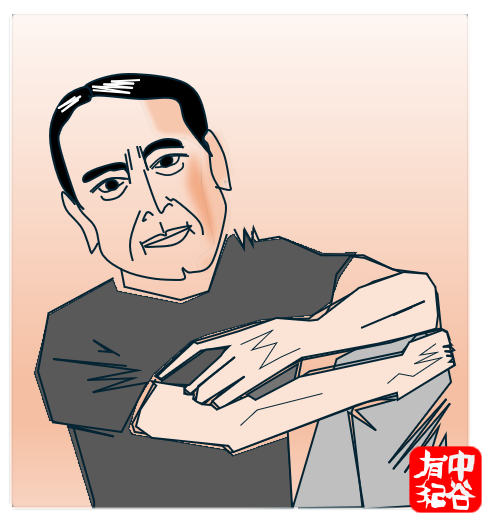
Written by Ryotaro Shiba, this famous historical novel follows Toshizo Hijikata, vice-commander of the Shinsengumi. The story actually begins right around here, as a young Toshizo travels from Ishida Village through Yaho to a night festival in Fuchu, looking to meet girls!
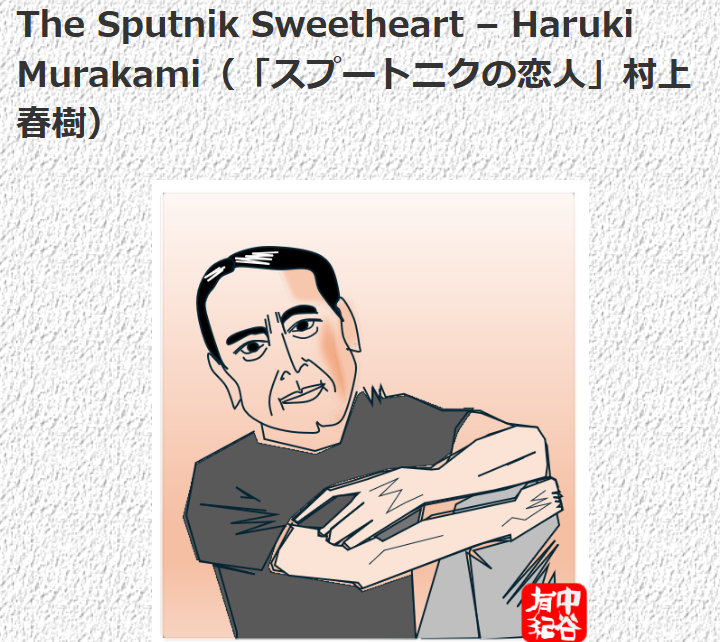
Written by Haruki Murakami in 1999, this romantic fantasy story begins right here in Kunitachi City, travels all the way to Greece in Europe, and suddenly leaves readers with an unforgettable mystery. It is such a page-turner that you will completely lose track of time.
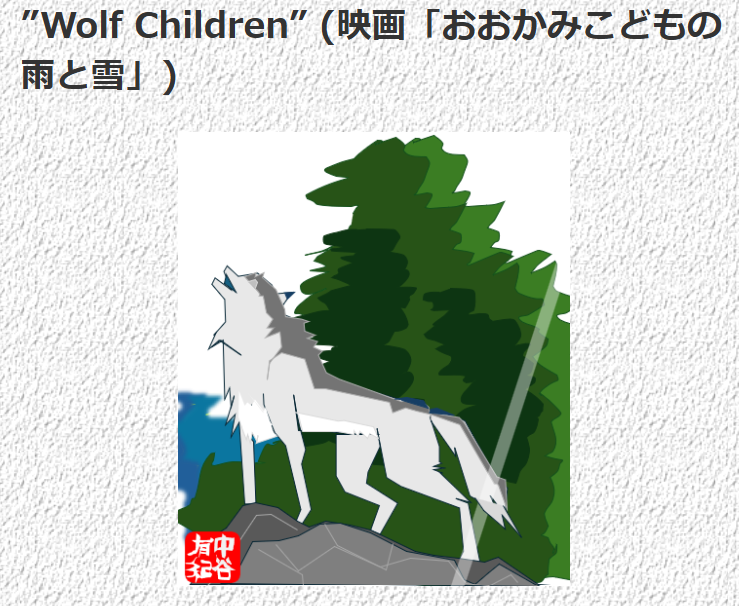
Directed by Mamoru Hosoda in 2012, this animated film received numerous domestic and international awards in countries such as Belgium, Spain, and China.
The movie is a heartwarming fantasy about the love between a human woman and a werewolf, as well as the growth of their children—their independence and the journeys they take to find their own paths in life.
This unforgettable story begins right here in Kunitachi City, with a fateful encounter between a young woman and a wolf-man!
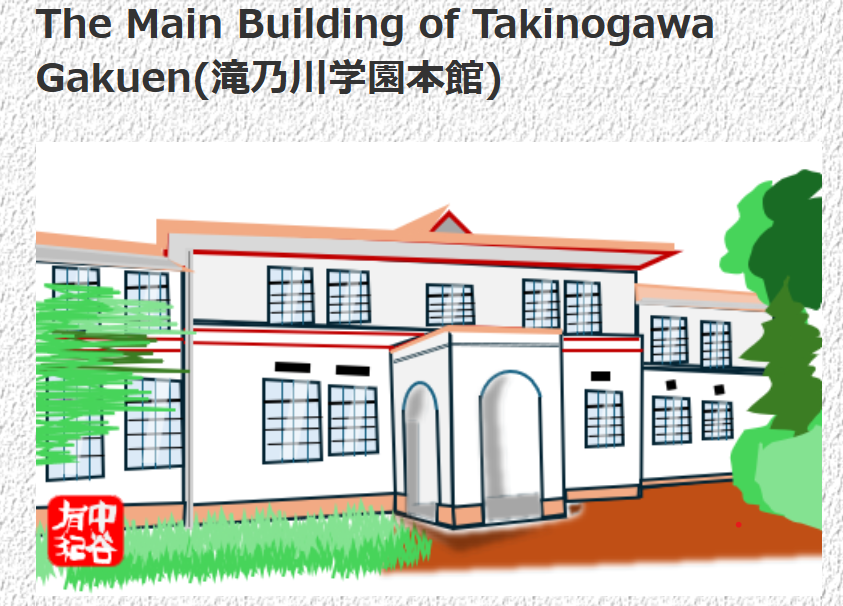
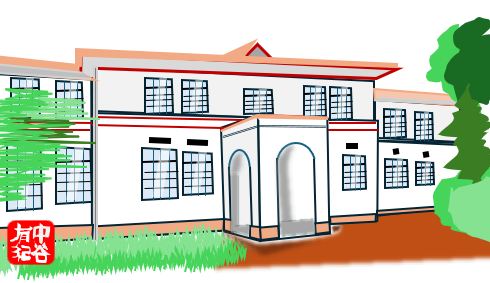
The Main Building of Takinogawa Gakuen was built in Yaho in 1928 specifically for the education of children with intellectual disabilities.
Following a tragic fire eight years prior, Fudeko and her husband, Ryoichi, designed this facility with safety and ease of evacuation in mind—featuring wide corridors, low-step slopes with rubber guards, and large windows.
Today, this Main Building is registered as a National Tangible Cultural Property.
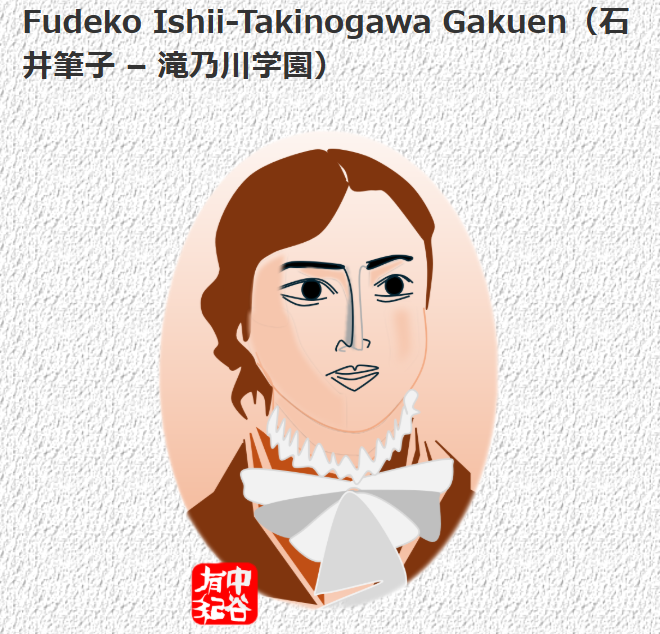
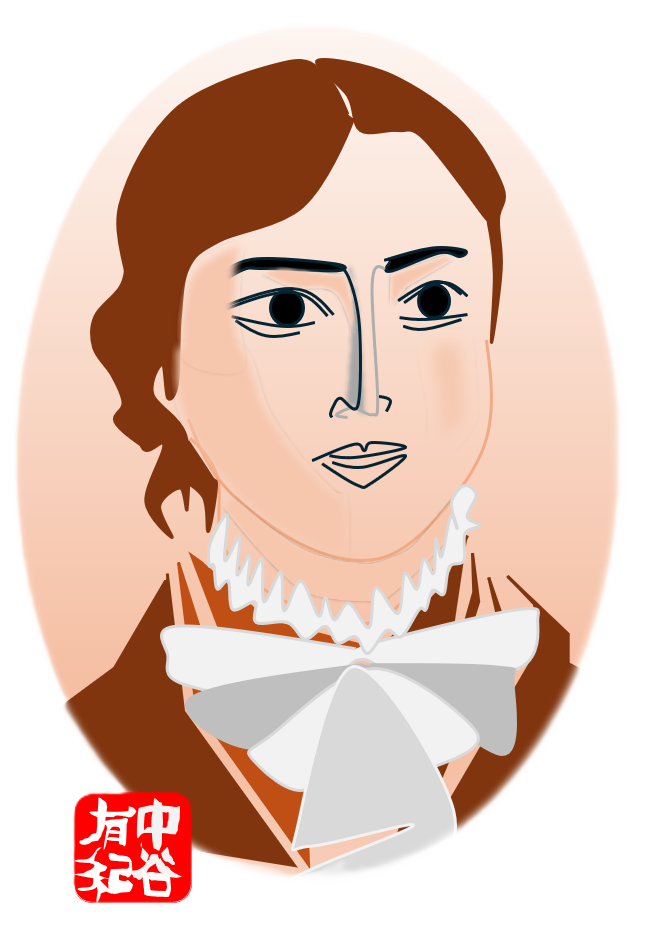
Fudeko Ishii (1861–1944) was a pioneering female educator and the co-founder of Takinogawa Gakuen, Japan’s first school for children with intellectual disabilities, located right here in Yaho.
Born into a samurai family in Kyushu, she grew up to become one of Japan’s first female study-abroad students to Europe, alongside Umeko Tsuda.
After returning to Japan, fluent in three languages and versed in European social etiquette, she was celebrated as “the flower of Rokumeikan society.”
However, tragedy struck her personal life: she lost her husband and two of her three children to illness, while her surviving child had an intellectual disability. Driven by these experiences, she developed a deep devotion to special education.
She went on to found Takinogawa Gakuen, dedicating the rest of her life to educating children with intellectual disabilities.
Her dramatic life was adapted into the 2007 feature film “Fudeko’s Love” (Fudeko no Uta), starring Takako Tokiwa.
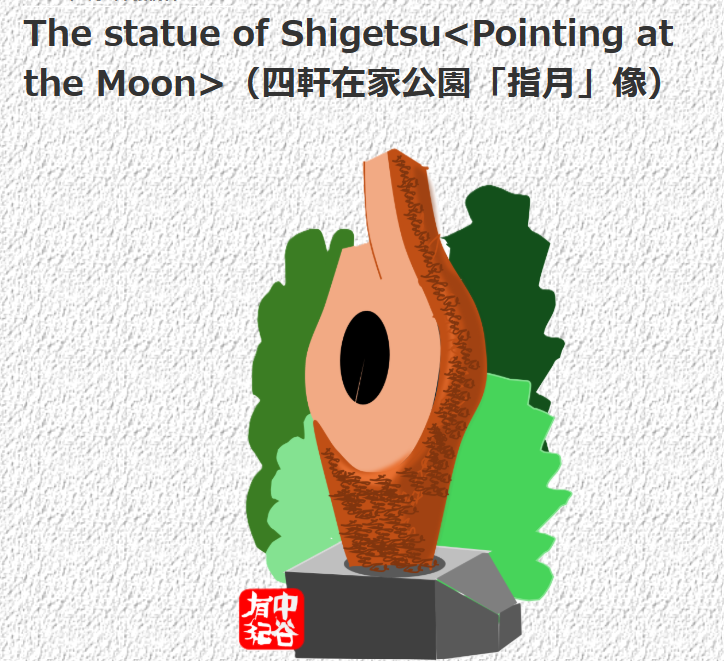
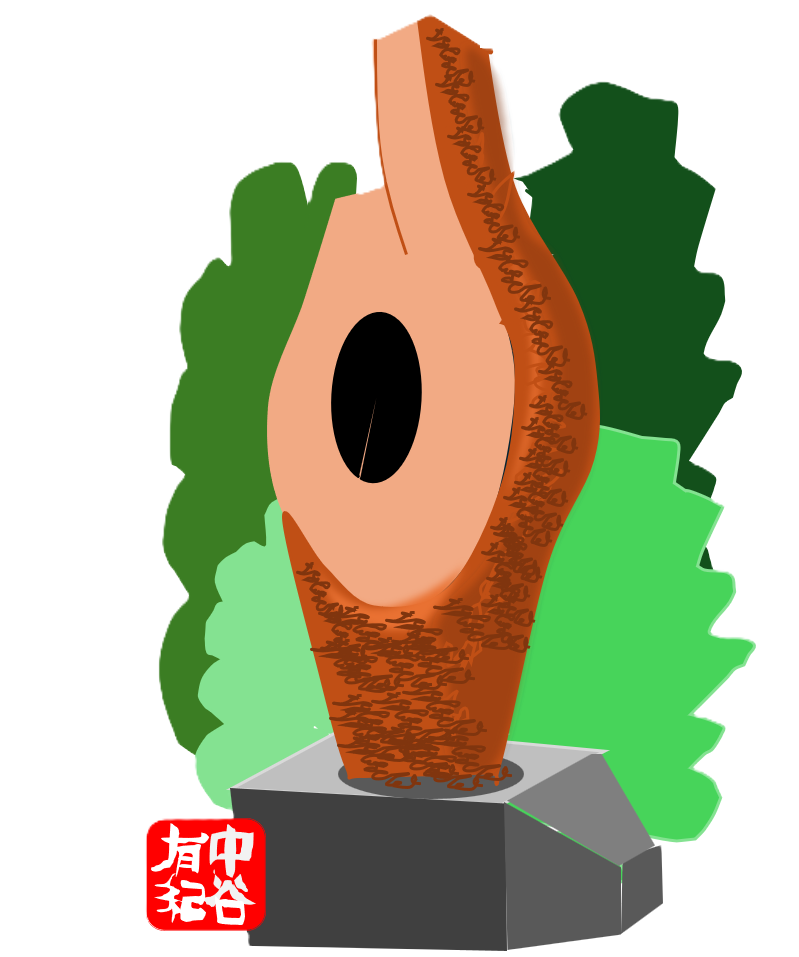
This stone statue was made by Seki Bin at Shikenzaike Park in 2003. The title of this statue, “Shigetsu” (Pointing at the Moon), describes the foolishness of looking only at the finger pointing to the moon, rather than at the moon itself. It cautions us against getting so caught up in the means—such as words or written letters—that we lose sight of the ultimate truth and essential meaning behind them.
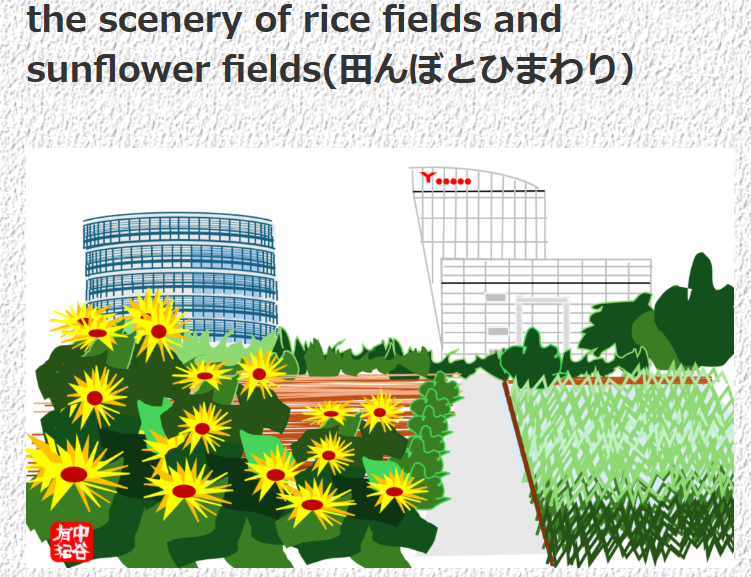
From July to August in Yaho, you can enjoy the view of rice paddies and sunflower fields at the same time. Thanks to the region’s abundant water, this clean resource supports not only local agriculture, but is also used by the biotech company Yakult to develop new products.
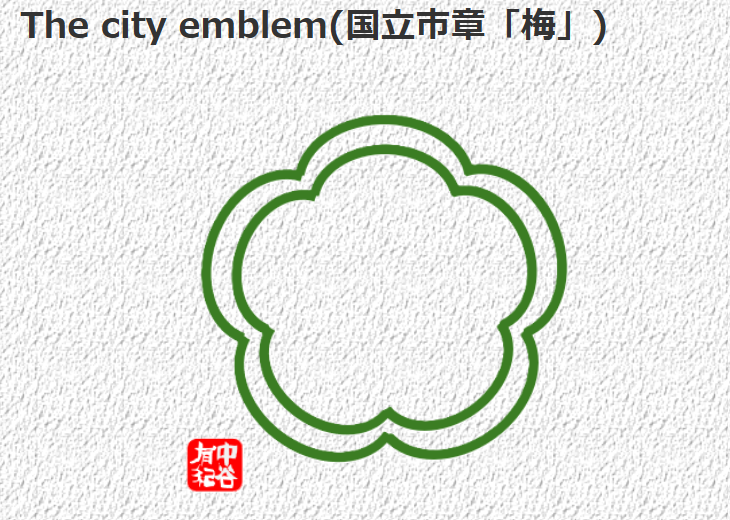
Kunitachi City, home to Yaho, adopted the plum flower as its emblem in honor of Yaho Tenmangu Shrine’s famous plum garden. As you can see, the city emblem depicts a plum blossom. This symbol was designed by Seki Gantei , a local artist who lived here in Yaho.
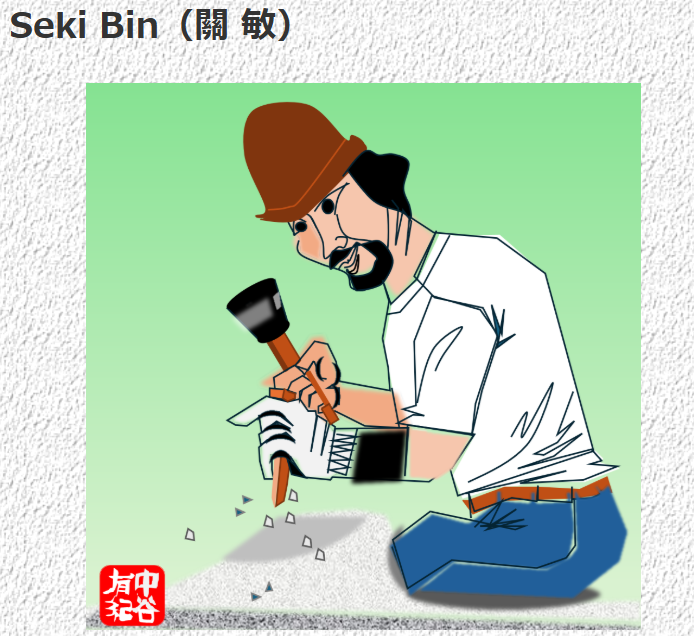
Seki Bin (1930–2023) was born here in Yaho. He became a sculptor alongside his older brother, Seki Gantei—a very rare case at the time for two brothers to both become artists.
Interested in displaying his art in public spaces for many people to enjoy, Seki Bin entered Tokyo University of the Arts (Tokyo Geidai) to study sculpture. However, creating large bronze sculptures was extremely expensive. He gave up on bronze and decided to work with stone instead, as it was both affordable and durable.
Yet he faced another obstacle: the university didn’t offer a stone sculpture course. Undeterred, he found a tombstone carving company, where he learned how to select and carve stone, as well as how to make his own tools, such as chisels and hammers. Through this experience, he developed a unique technique that gave stone a soft, silky appearance.
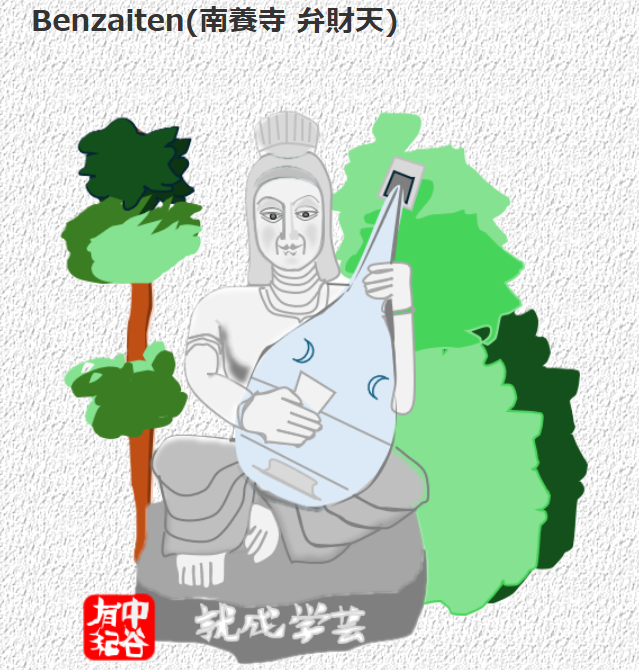
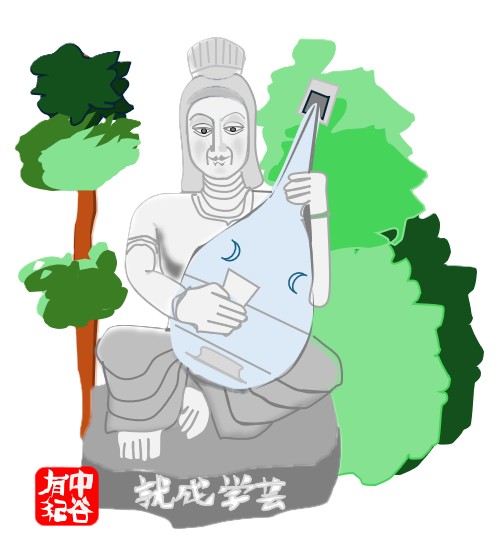
This statue of Benzaiten at Nanyoji Temple was carved by the stone sculptor Bin Seki, who was born and raised here in Yaho. In 1985, he created this statue from a single massive Indian stone using only a chisel and hammer. Since Benzaiten is known as the deity of art, you could say Bin Seki himself embodied the goddess through his masterwork!