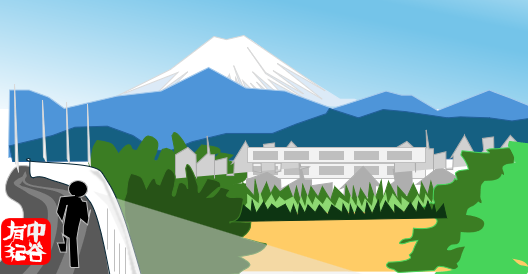
Ishida Bridge crosses the Tama River between Kunitachi and Hino. On a sunny day, you’ll see lots of runners out enjoying the great view of Mt. Fuji!

The short story of Kanji pictures
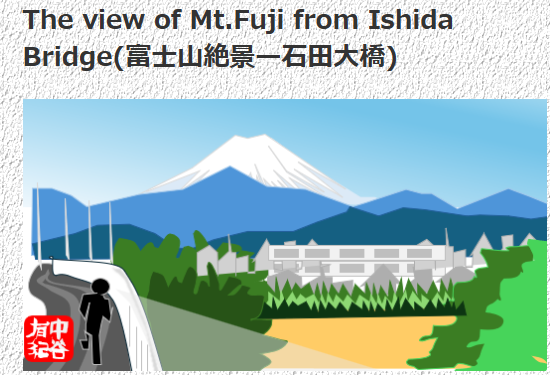
Ishida Bridge crosses the Tama River between Kunitachi and Hino. On a sunny day, you’ll see lots of runners out enjoying the great view of Mt. Fuji!
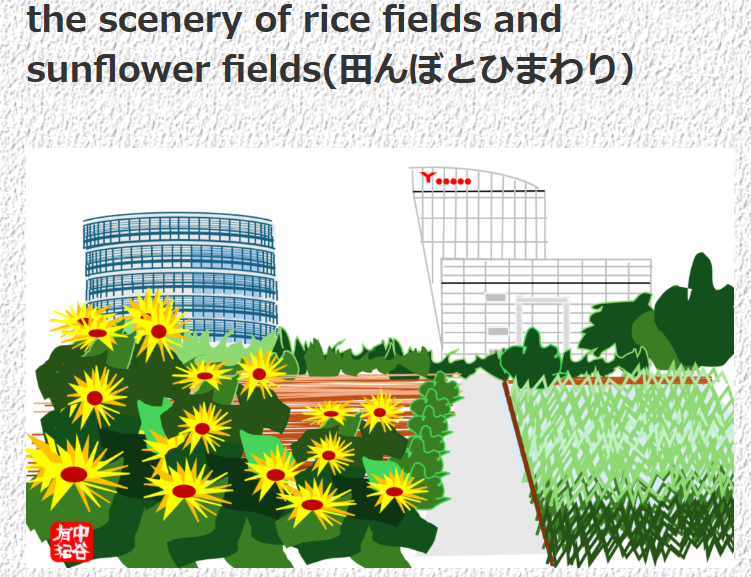
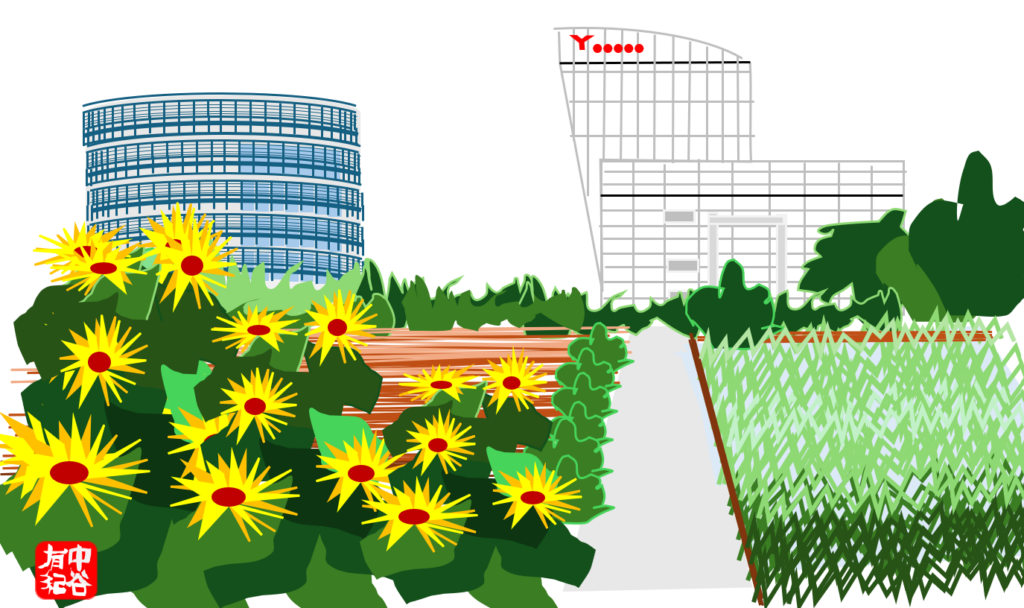
From July to August in Yaho, you can enjoy the view of rice paddies and sunflower fields at the same time. Thanks to the region’s abundant water, this clean resource supports not only local agriculture, but is also used by the biotech company Yakult to develop new products.
| 名称 | ヤクルト中央研究所 |
| 所在地 | 〒186-0012 東京都国立市泉5丁目11 |
| Homepage | https://institute.yakult.co.jp/ |
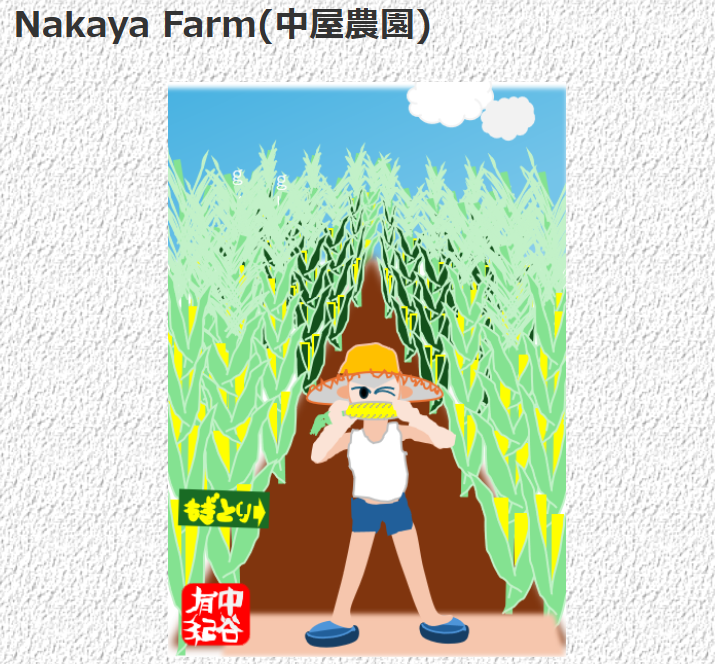
Nakaya Farm is famous for its ‘Picnic Corn,’ which is so sweet that you can eat it completely raw, straight from the summer field.
| 名称 | 中屋農園(6月下旬から7月中旬まで) |
| 所在地 | 〒186-0011 東京都国立市谷保6039 |
| Homepage | https://nakayafarm.amebaownd.com/ |
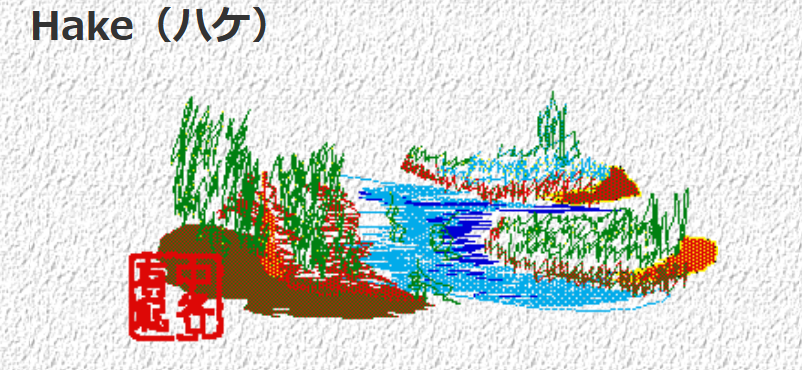
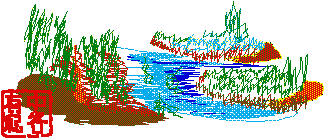
The word ‘HAKE’ means a small river fed by cliff springs, which brought fresh water and allowed people to settle in this area. Geographically, Kunitachi and Yaho slope from the high north down to the south, forming three steps of cliffs. Plenty of pure water emerges from these cliff layers, making it the life-giving source of the entire Yaho world.
| 名称 | ハケ散策路 |
| 所在地 | 〒186-0012 東京都国立市泉 |
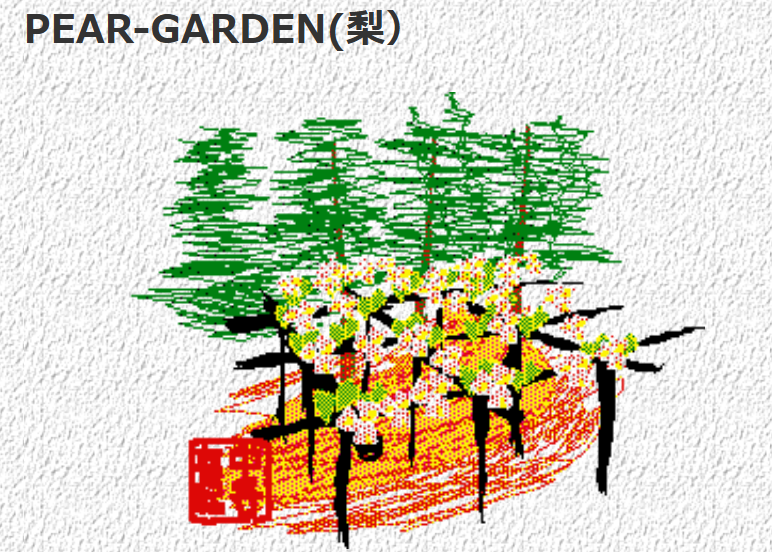
Yaho is home to local pear gardens. In spring, the pear trees bloom with beautiful white flowers, and in autumn, they produce delicious fruit. The secret to their great taste is the high-quality water brought by the nearby Tama River.
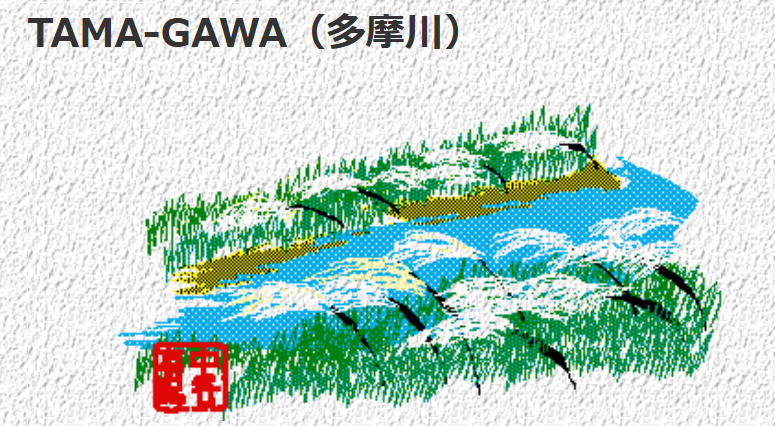
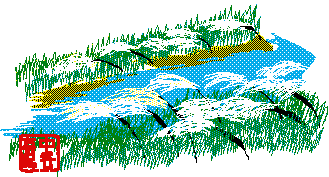
The Tama River is steeped in ancient history, and ‘Tama’ stands as one of the oldest regional names in Japan. It is said that the word ‘Tama’ originally signifies the ‘human soul.’ Reflecting on this profound meaning, we can truly appreciate how deeply the people of ancient times revered this river—not just as water, but as the very lifeblood and spiritual soul of the community.
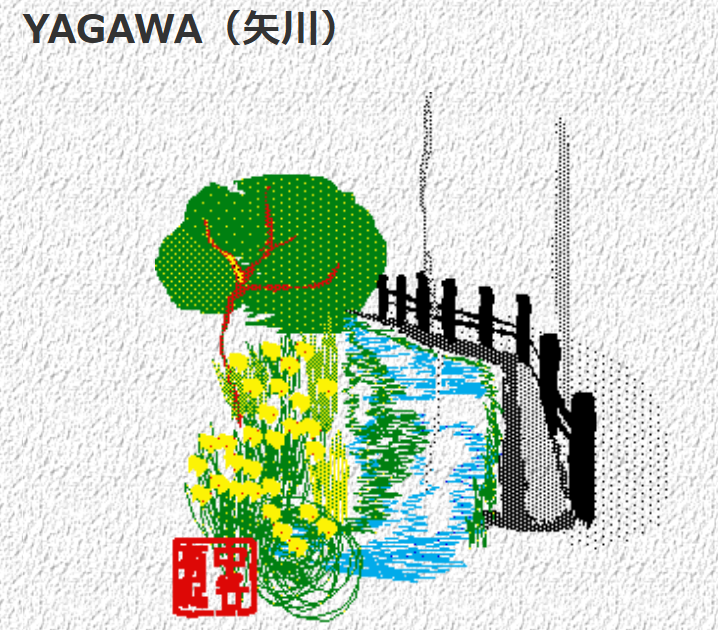
Situated to the west of Yaho, Yagawa is named after the small ‘Hake’ river that flows from west to east through Kunitachi City. To this day, the river’s water stays pure and clear, remaining a beloved nature spot for local residents.
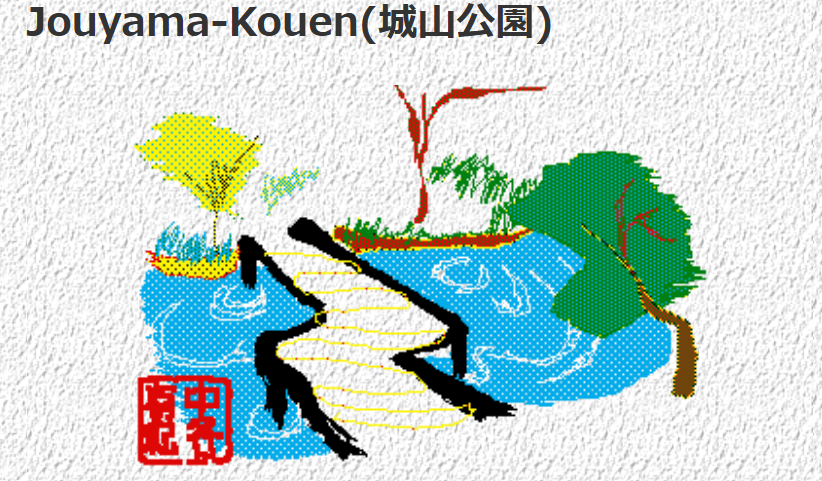
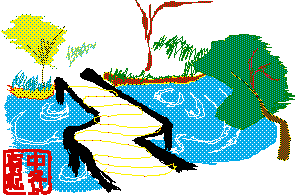
Now a scenic park, Joyama was once the site of a great 14th-century fortress, giving the area its name, which means ‘Castle Mountain.’ The small river still flowing past this park today carries a deep history, as it marks the true origin of Yaho Village.
| 名称 | 城山公園 |
| 所在地 | 〒186-0012 東京都国立市泉5丁目21−20 |
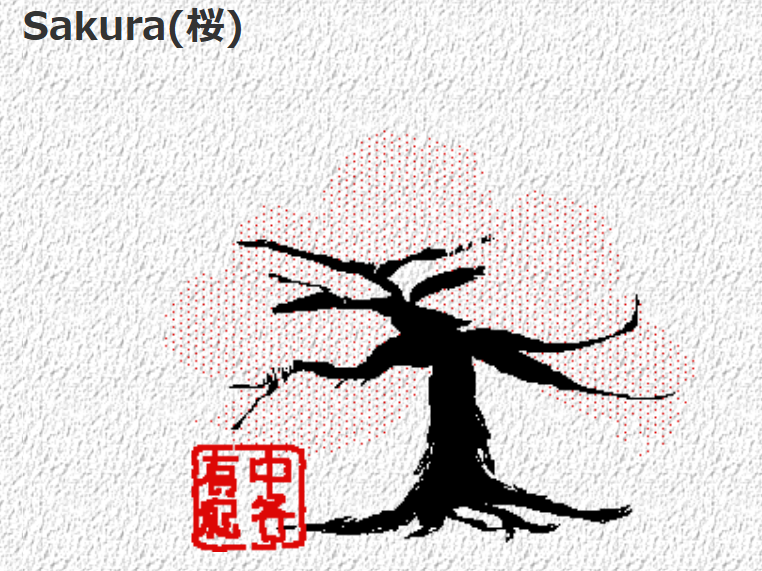
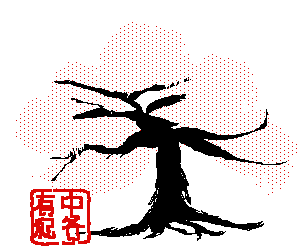
Every spring, over a hundred cherry trees on Daigaku and Sakura streets blossom simultaneously. The trees on Daigaku Street are notably older and taller than those on Sakura Street, offering a beautiful contrast in their maturity and size.

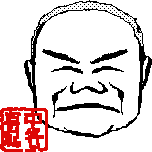
**関栄一さん→
春 あたり一面をピンク色に染めてしまう大学通りの桜並木。今ではすっかり桜の名所にとなり、多くの人を楽しませてくれる。でも、この桜がいつ頃植えられたものなのか、知っている人はほとんどいないでしょう。あの桜並木は昭和9年頃から10年ころにかけて、当時の国立会が植樹したのものです。谷保村青年団国立支部にいて、木の成長を助けるために根本の草取りなどの作業にあたった関栄一さんに伺うと「あの頃の大学通りは石ころの多い道で、両側はずっと雑木林が続いていたな」とのこと。そして笑いながら「全部ソメイヨシノを植えたつもりだったが、花が咲いたら、ヤマザクラがあったな」と当時を思い出していらっしゃいました。樹齢は65年余、もうすでに枯れかかってきたものもあります。くにたちのまちの代名詞となっている大学通りの桜並木、次の世代へ桜を引き継いでいく時期に来たようです。
出典:第19回くにたちさくらフェスティバル実行委員会「桜を植えた男たち」(1996年)より
In spring, the cherry blossom trees along Daigaku-dori dye the entire area in a beautiful pink. Today, it has become a famous cherry blossom spot that brings joy to many people. However, few people probably know when these trees were planted.Those trees were planted around 1934 to 1935 by a local group called the “Kunitachi-kai.” We spoke with Mr. Eiichi Seki, who was a member of the Yaho Village Youth Association’s Kunitachi branch back then. He used to clear weeds around the roots to help the trees grow. “Back in those days, Daigaku-dori was just a rocky road, and thick woods stretched out on both sides,” he recalled. He then added with a laugh, “We thought we had planted only Somei-Yoshino trees, but when they bloomed, we realized some Yamazakura (wild cherry blossoms) were mixed in!”These trees are now over 65 years old, and some are already beginning to wither. As the symbol of Kunitachi, the time has come for us to pass these beautiful cherry blossoms down to the next generation.
Source: From “The Men Who Planted the Cherry Blossoms” (1996) by the 19th Kunitachi Sakura Festival Executive Committee