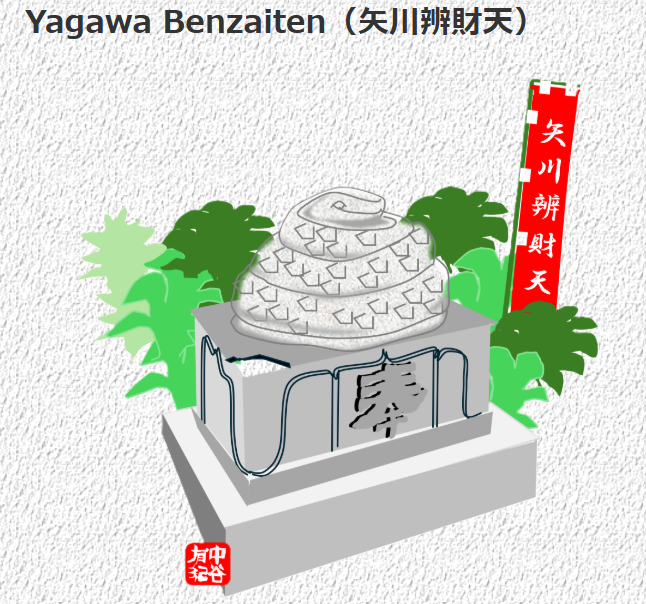
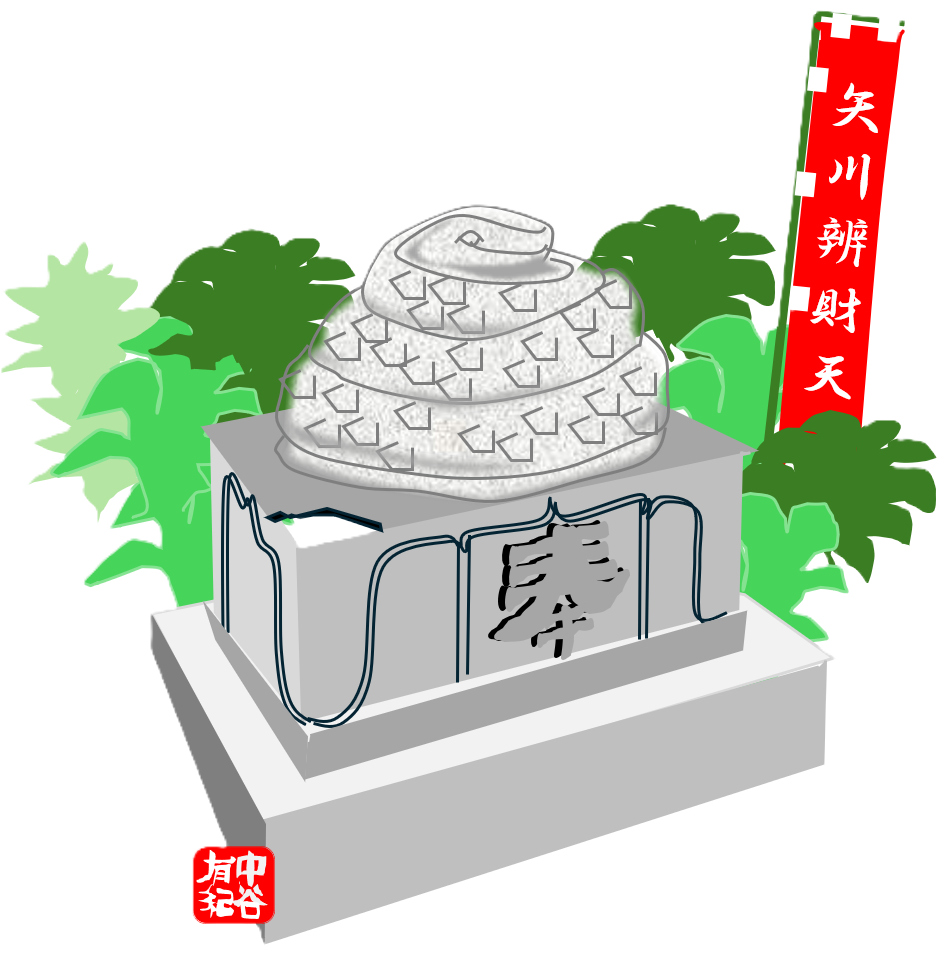
Yagawa Benzaiten originated from an ancient roadside shrine by the Yagawa River, said to have once been the guardian deity of the nearby historical Minowa Castle. The shrine grounds feature white snakes—messengers of Benzaiten—perched on bridge railings and carved as rare guardian snakes (koma-hebi). Visitors can also view carp swimming peacefully in the sacred Dragon God Pond.
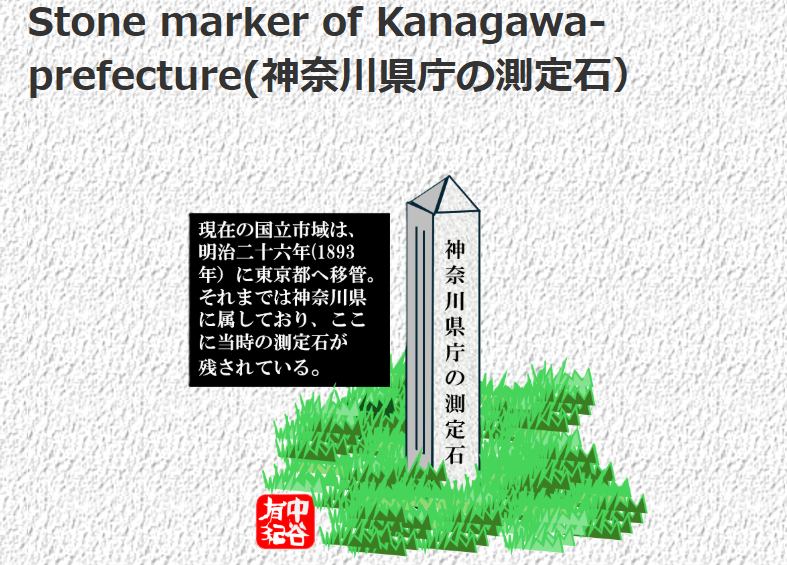
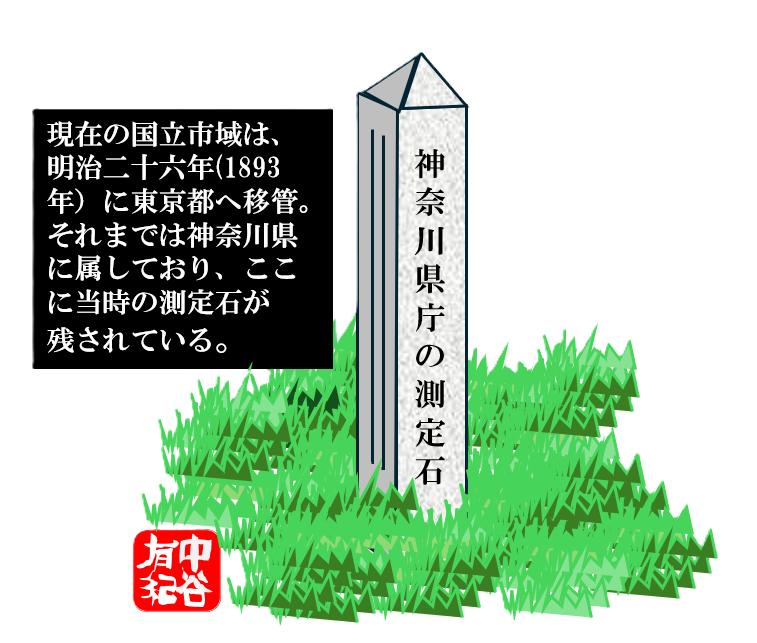
Along the old Kōshū Kaidō highway and around the grounds of Yaho Tenmangu Shrine, several stone structures and survey markers used for road surveying and leveling benchmarks of that era can still be found; they stand as valuable historical relics that convey the time when the present-day city of Kunitachi was once part of Kitatama District in Kanagawa Prefecture.
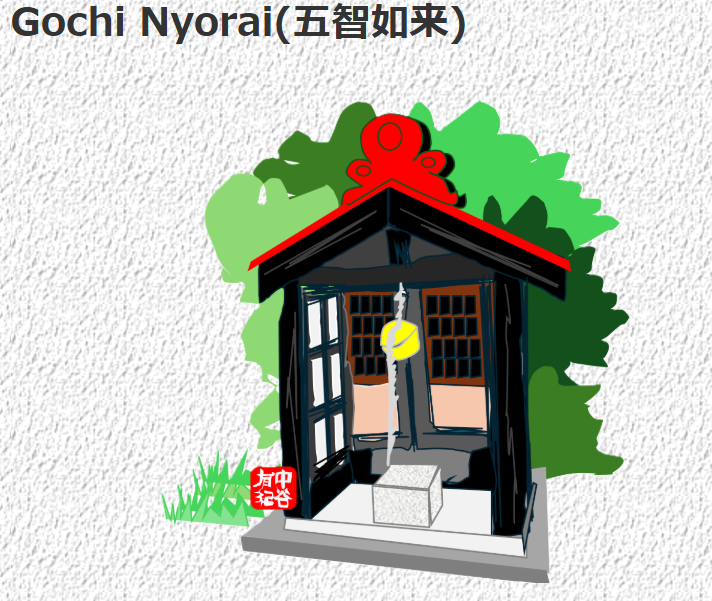
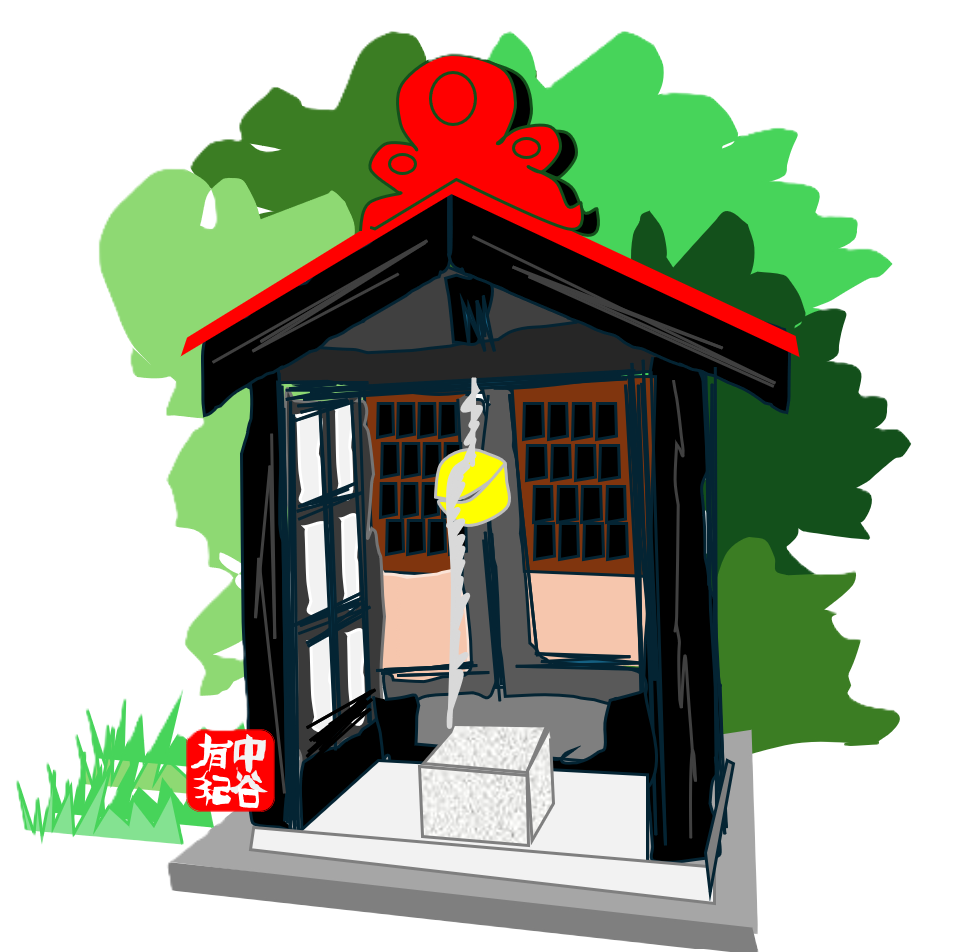
Where the Yagawa River crosses the Koshu-kaido Highway once stood Yagawa Bridge, a beloved local landmark during the Edo period. Nearby stands this small temple, known as ‘Gochi Nyorai,’ which was built by people who migrated here from Hachioji. Even today, local residents gather once a year in October to hold a small ceremony to honor and pray at this temple.
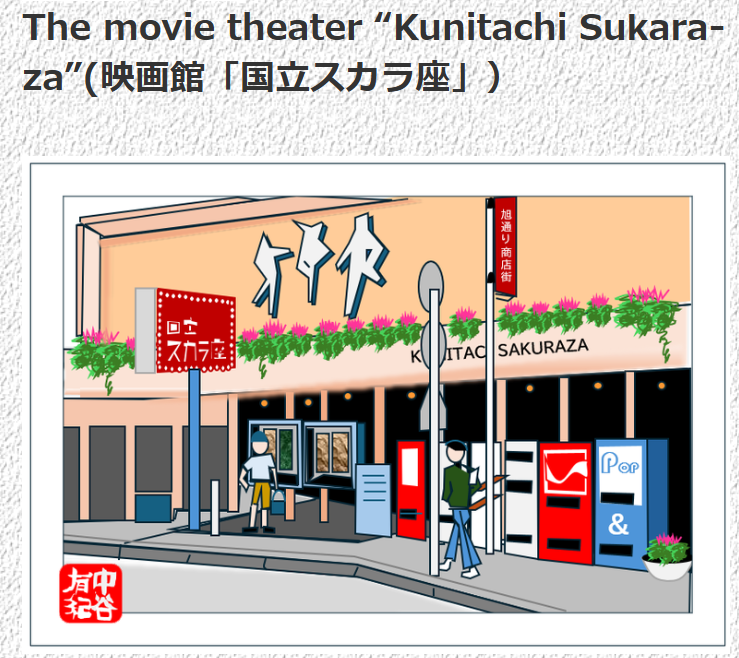
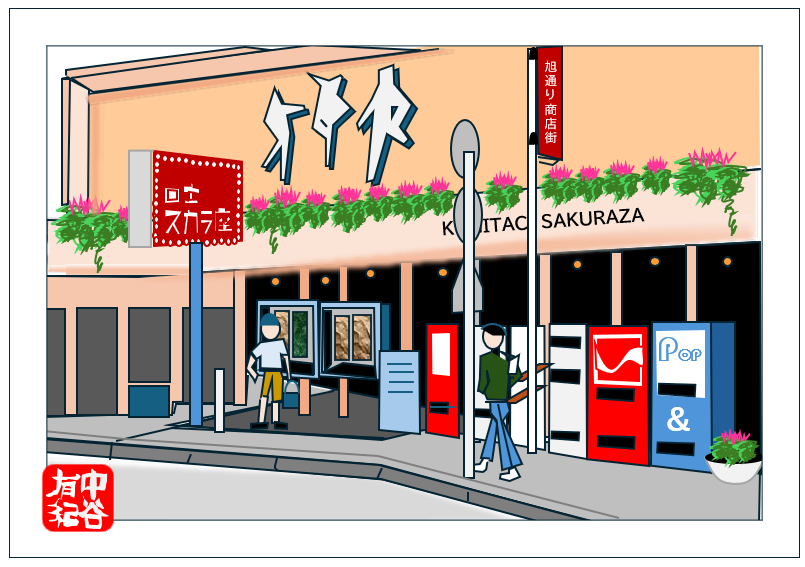
Even today, only a few people know that there used to be a movie theater on Asahi Street in Kunitachi City.
It first opened in 1956 under the name “Kunitachi Koni Theater” (国立コニー劇場). The theater showed domestic films and gained popularity among local residents. However, around the time of the 1964 Tokyo Olympics, television grew in popularity, leading to a decline in movie theater attendance. As a result, the theater closed in 1965. For a while after its closure, the abandoned building was rumored to be a haunted house.
In 1967, the theater was renovated and reopened as “Kunitachi Sukara-za” (国立スカラ座). It regained its popularity, drawing around 1,000 visitors every day by 1975. However, as home video and video rentals later became mainstream, attendance dropped again, and the theater permanently closed in 1987.
Since then, there have been no movie theaters in Kunitachi City. However, citizen groups frequently host pop-up movie events here in Kunitachi.
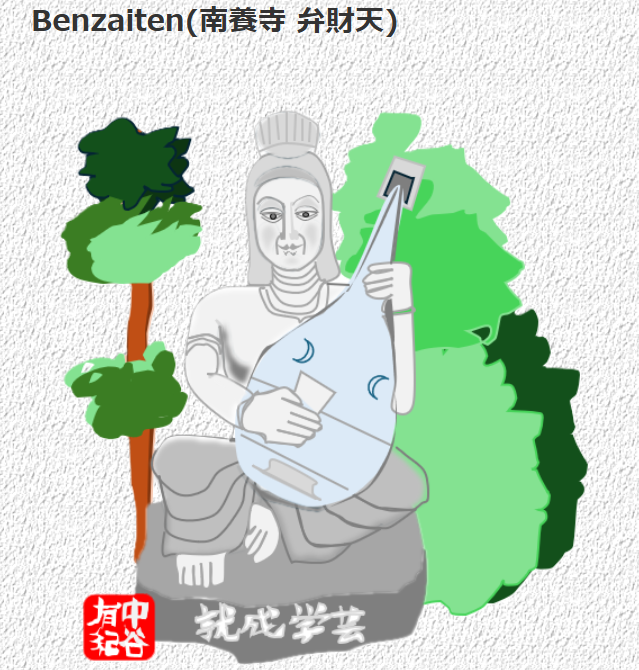
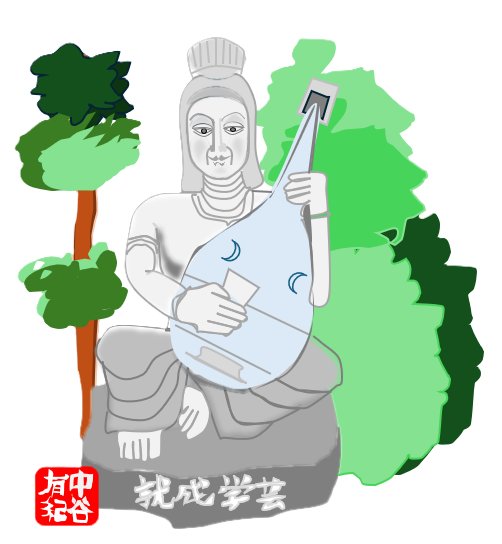
This statue of Benzaiten at Nanyoji Temple was carved by the stone sculptor Bin Seki, who was born and raised here in Yaho. In 1985, he created this statue from a single massive Indian stone using only a chisel and hammer. Since Benzaiten is known as the deity of art, you could say Bin Seki himself embodied the goddess through his masterwork!
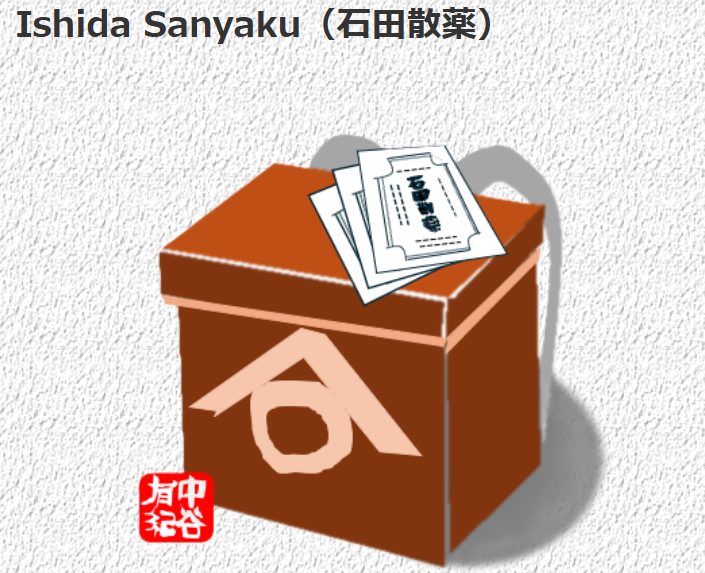
Ishida-Sanyaku, a renowned remedy for bruises and muscle aches, was created by Toshizo Hijikata’s family around 300 years ago. Back then, Ishida was a district of Yaho Village, and a young Toshizo would walk around the Yaho area selling this medicine, carrying a wooden basket on his shoulder.
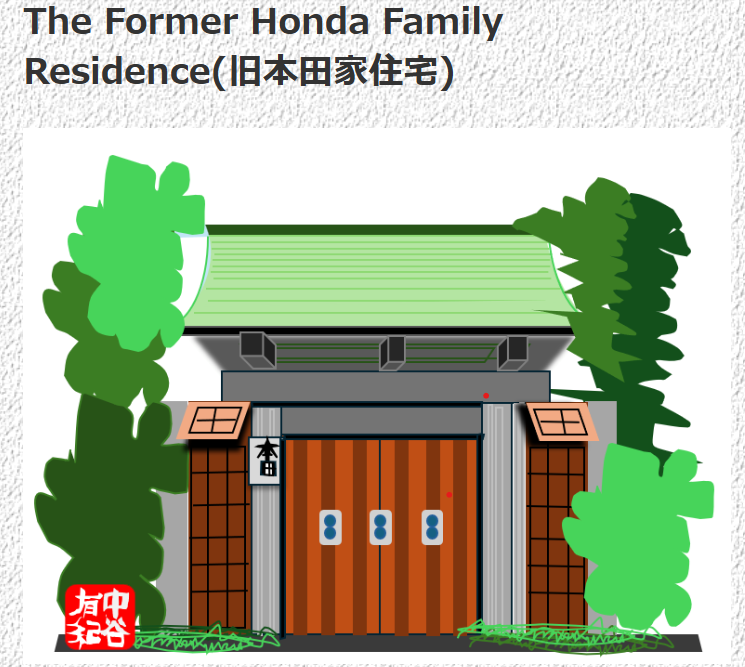
The Honda family has resided here in Yaho for over 300 years. As prominent local leaders, they historically supported the community as both veterinarians and physicians.
Since the Hondas were related to the Hijikata family, a young Toshizo Hijikata frequently visited this house to study literature and learn about world affairs.
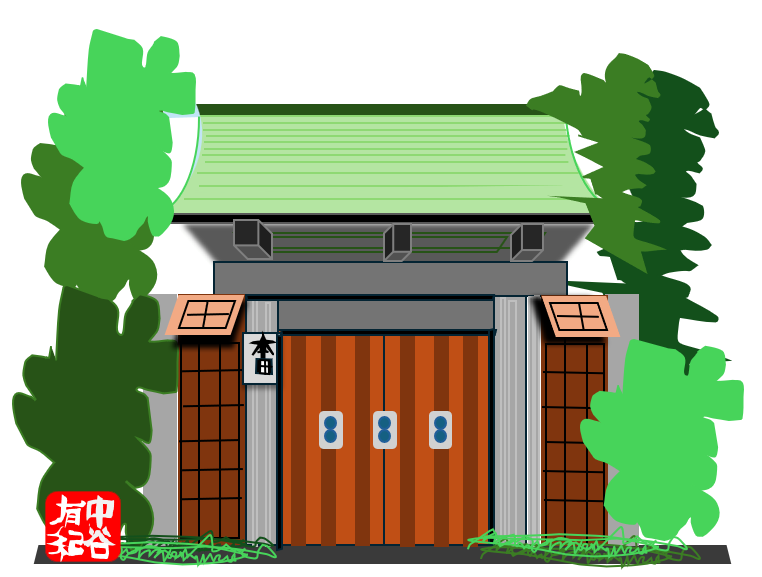
The Former Honda Family Residence still stands today. Even now, you can see the grand gate, which was specially built with extra height so that doctors could ride through it on horseback.
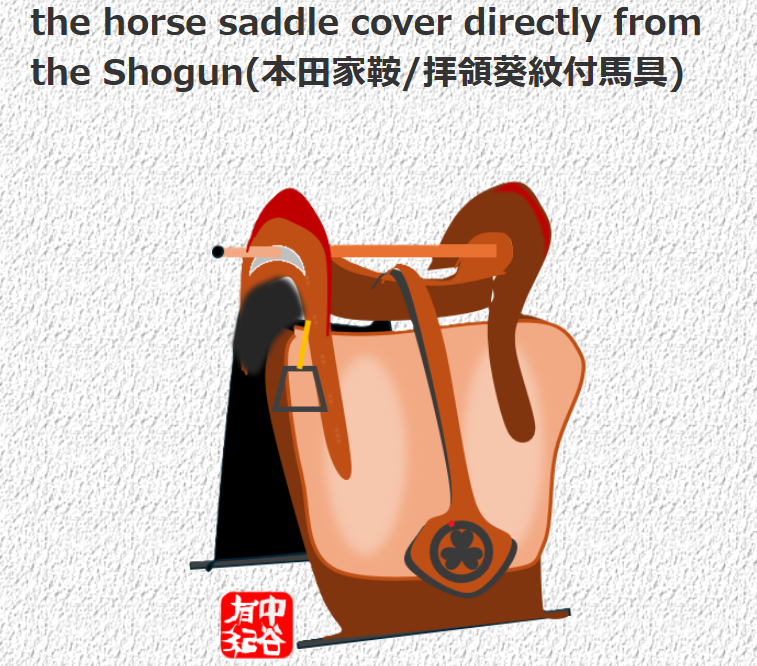
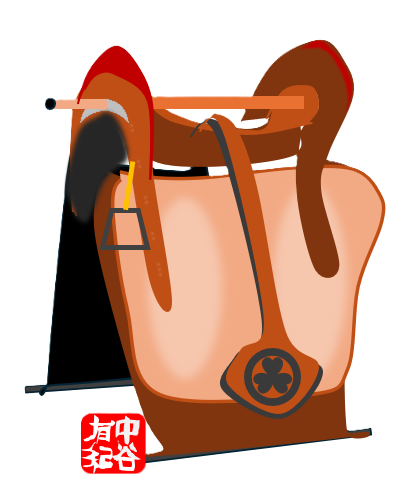
Originally, the Honda family served as horse trainers and veterinarians in Kawagoe during the Edo period. The second head of the family showed such exceptional dedication to the Tokugawa Shogun that he was honored with a gifted saddle cover (kura-ooi) directly from the Shogun.
Later, in 1621, the family relocated to Yaho by the Shogun’s direct order.
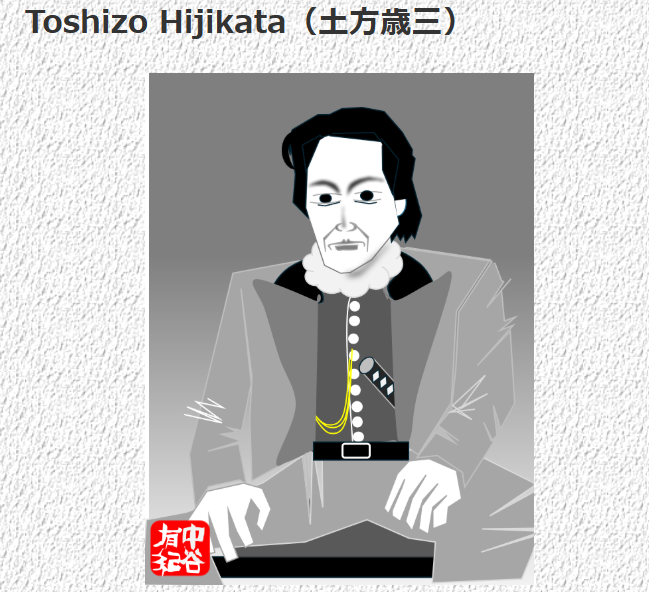
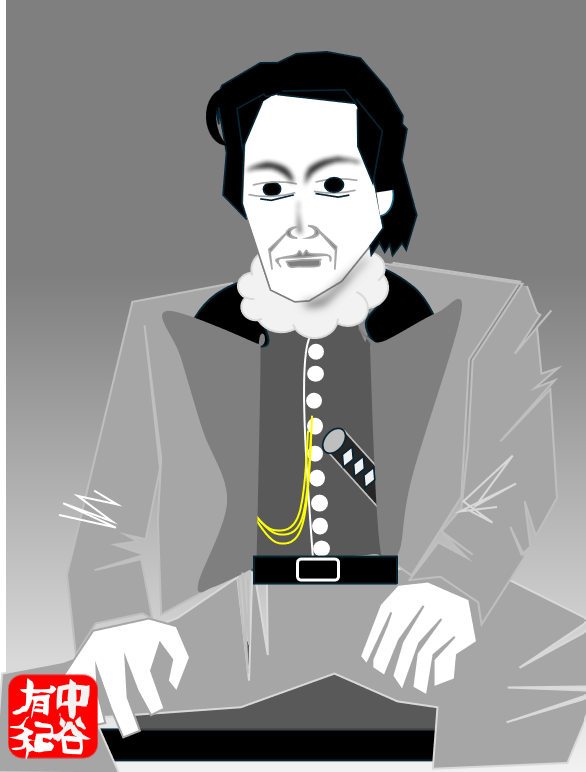
Toshizo Hijikata(1835-1869), who formed the Shinsengumi in 1863 to protect the Tokugawa shogunate, used to visit his relatives in Yaho to study literature and learn about world affairs.
Later in life, he came to be known as the ‘Last Samurai.’ It was during his younger days here in Yaho that his samurai spirit was truly forged.
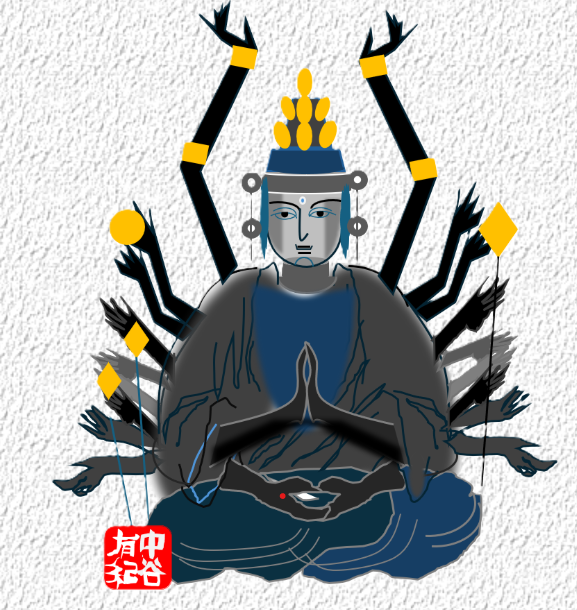
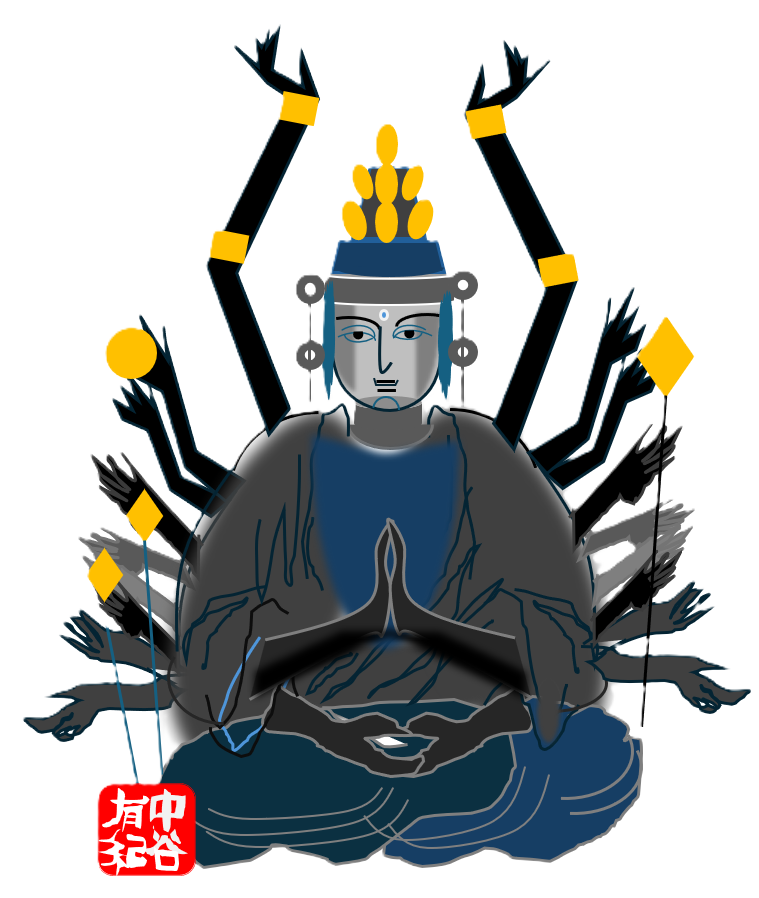
“This Buddha statue shows the style of the famous Kei school of sculptors. It is the main image of worship at Nanyou-ji Temple’s Daihi-den Hall. It was made between the Kamakura period and the early Muromachi period. This merciful Buddha uses its eleven faces and one thousand hands to save all people.