
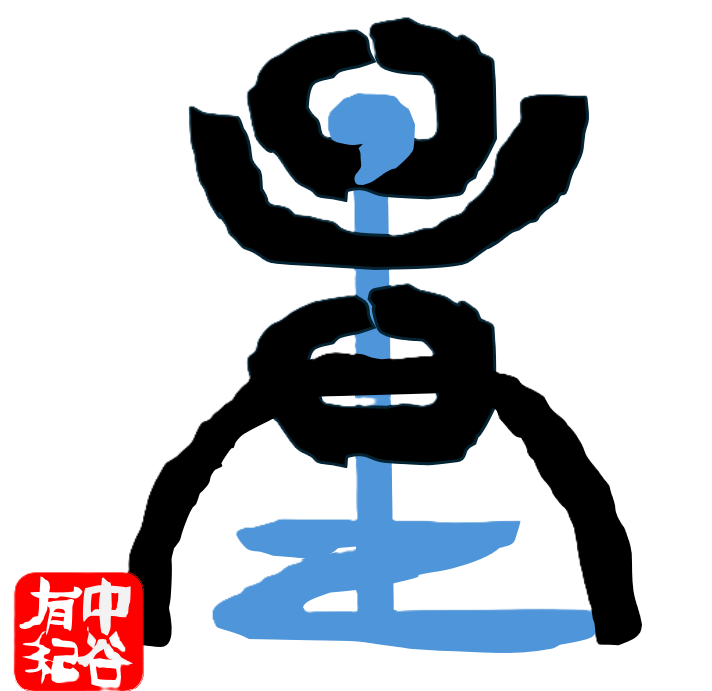
This kanji is said to depict filling a watering container to store water in a tank at the bottom. Because of this, the kanji came to mean measuring something. Over time, its meaning expanded to express quantity or amount.

The short story of Kanji pictures
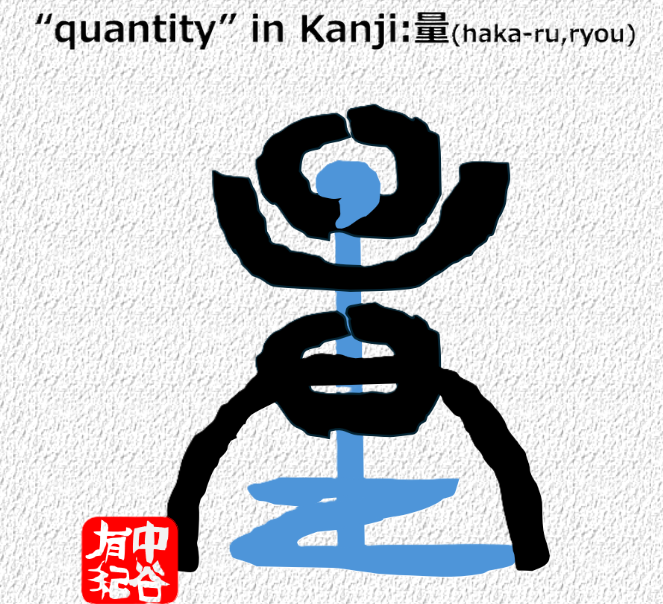
This kanji is said to depict filling a watering container to store water in a tank at the bottom. Because of this, the kanji came to mean measuring something. Over time, its meaning expanded to express quantity or amount.
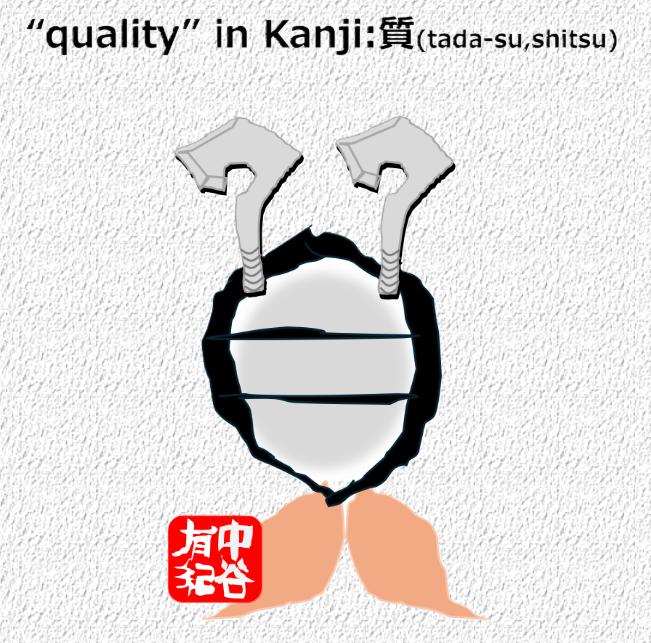

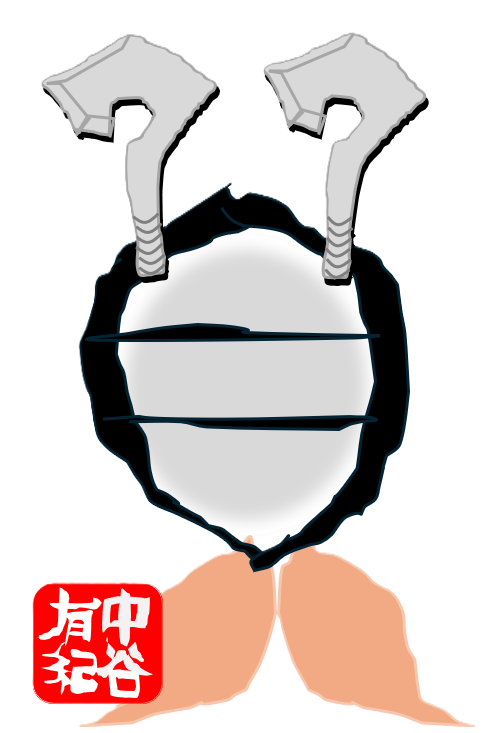
This kanji consists of two parts. On top are two axes, representing cutting or dividing something into equal parts. At the bottom is the ‘money’ radical, depicting a shell used as currency in ancient times. Combined, this kanji represents balancing equal value or ensuring a fair agreement backed by money. By extension, it came to mean quality, substance, or quantity.