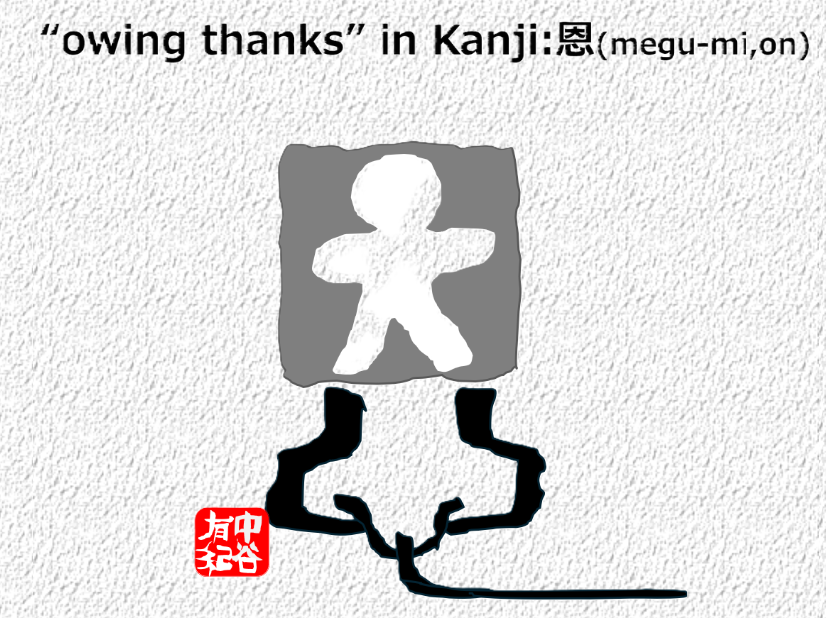

owing thanks(恩)

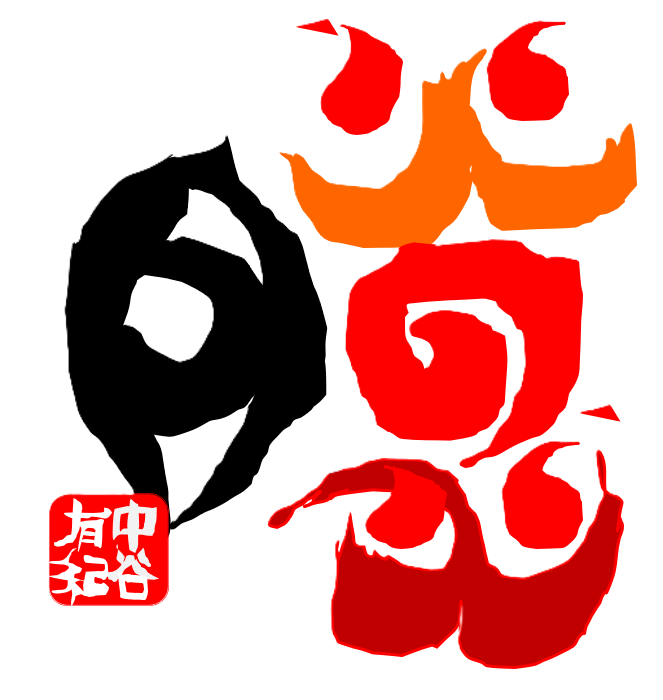
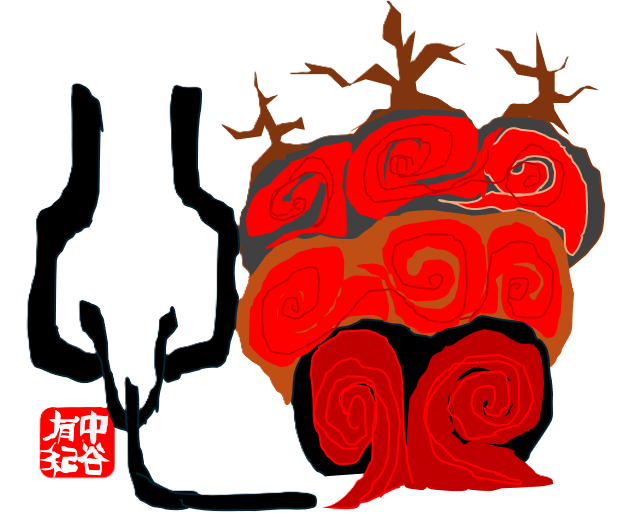
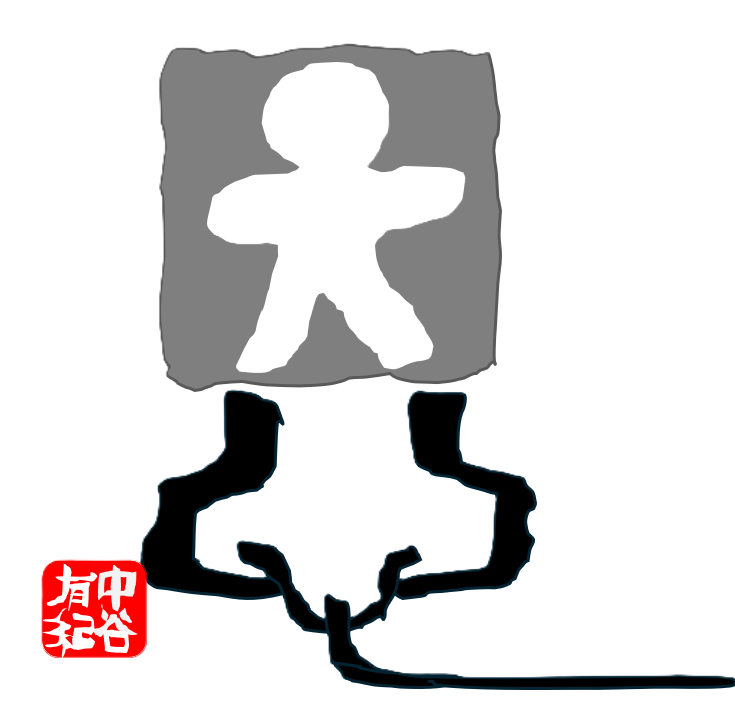
This kanji consists of two parts. At the top is an element depicting a person lying down on a mat. Over time, this idea of resting on or depending on something evolved to mean ‘cause,’ ‘root,’ or ‘origin.’ At the bottom is the ‘heart’ radical. Combined, this kanji represents a foundational human emotion—a feeling of gratitude and owing thanks to others in daily life.

Words and phrases

  • 恩義(ongi):A favor you are morally obligated to repay.
  • 恩師(onshi):A mentor to whom I owe a great debt of gratitude.
  • 恩人(onjin):Someone who took great care of me.
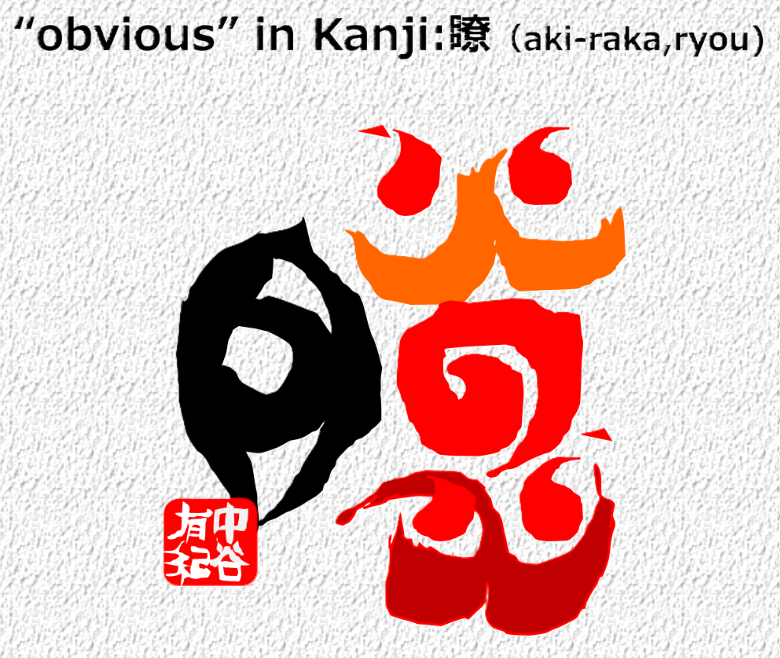
organize(設)

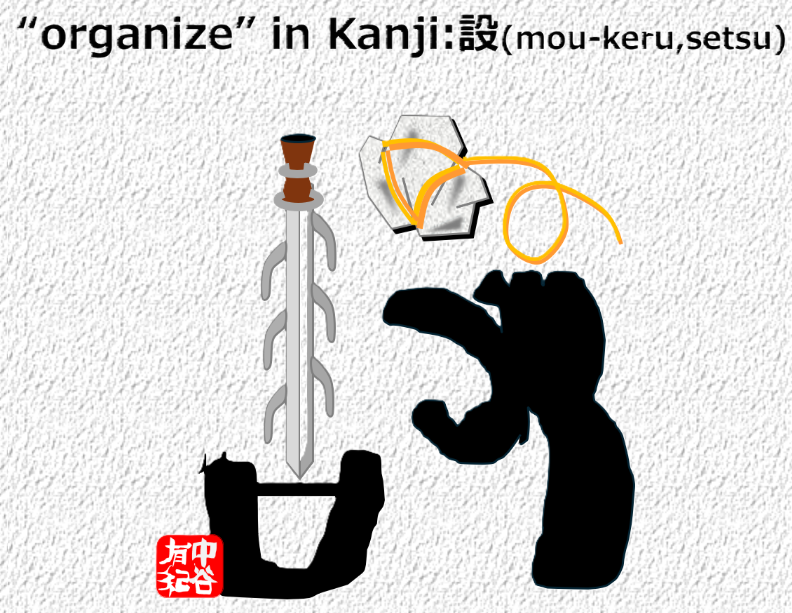
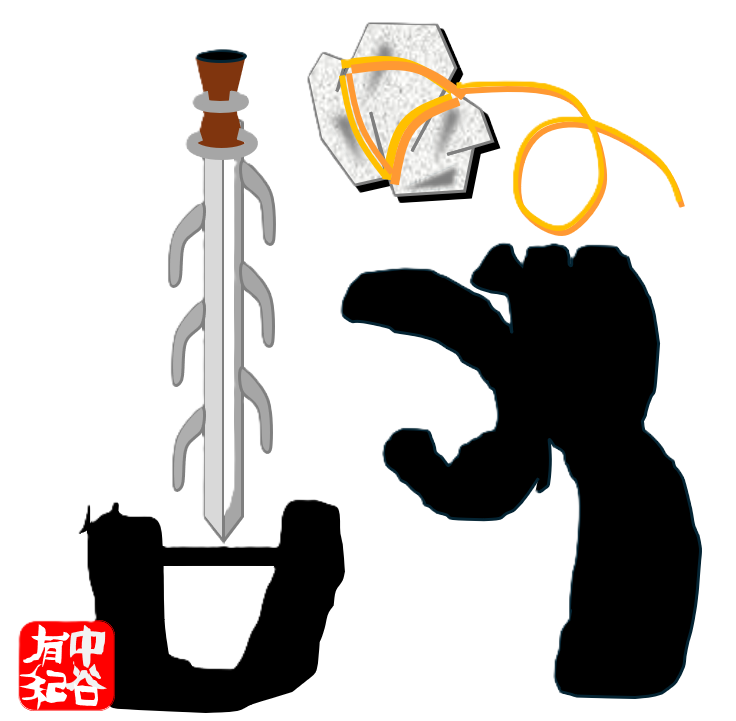
This kanji consists of two parts. On the left is the ‘word’ radical, which originally represented a sacred oath made before God—one so absolute that breaking it meant punishment by the sword. On the right is an element showing a hand holding a tool or weapon to strike a target. Together, the kanji originally meant to direct people using words. Over time, its meaning expanded to organizing, establishing, or building something.

observe(看)

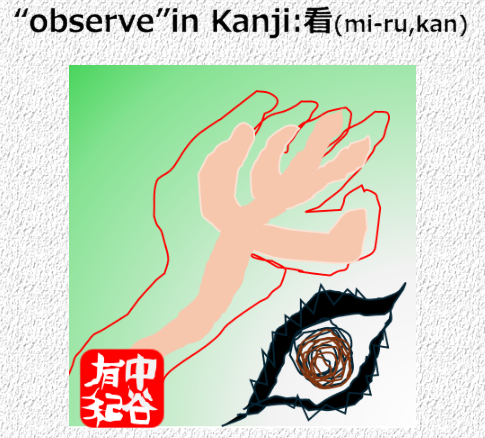
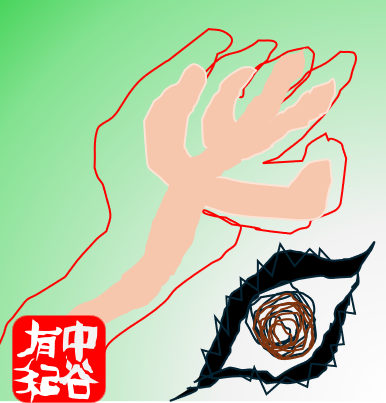
This kanji depicts someone shading their eyes with a hand to watch something carefully. Therefore, this kanji means “to observe” or “to watch.” By extension, it came to be used for nursing or taking care of someone.

Related Posts

oneself(己)

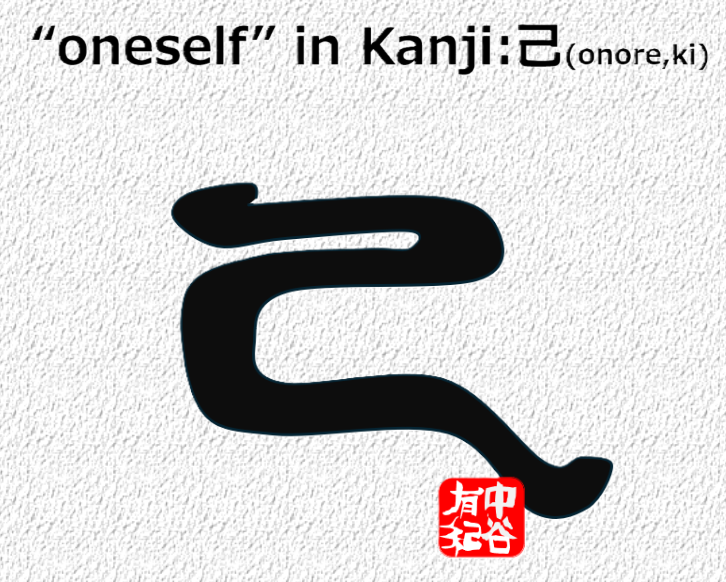
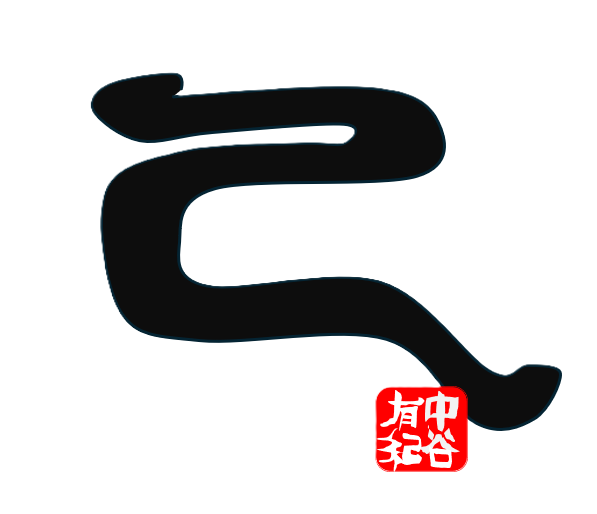
This kanji depicts the abstract shape of something coiled or compressed that holds a strong spring-like energy. By extension, it came to represent ‘oneself’—a human being with boundless potential within.

Related Posts