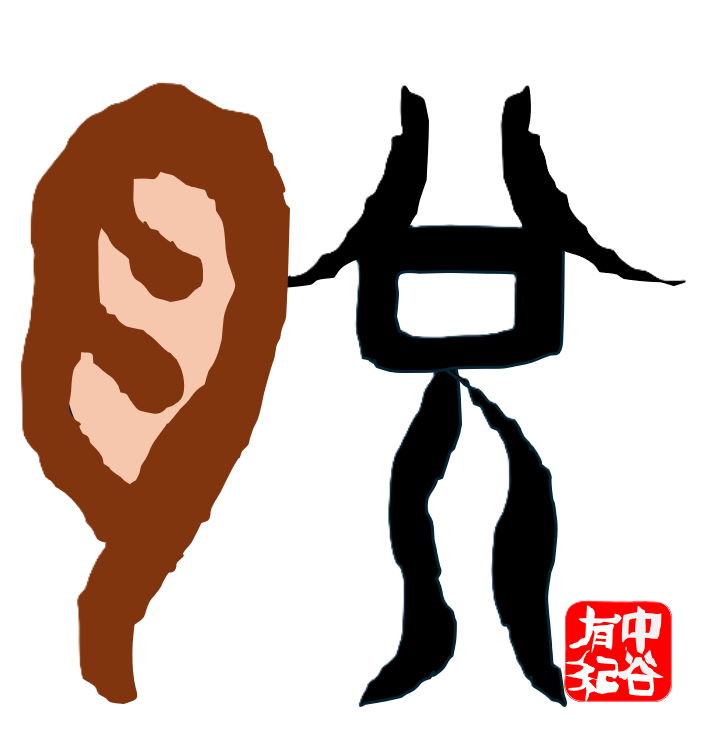
This kanji consists of two parts. On the left is the “body” radical, and on the right is a component depicting a person sloughing off or removing their clothing. Together, this kanji means “to shed,” “to molt,” or “to exit” from within.
The short story of Kanji pictures
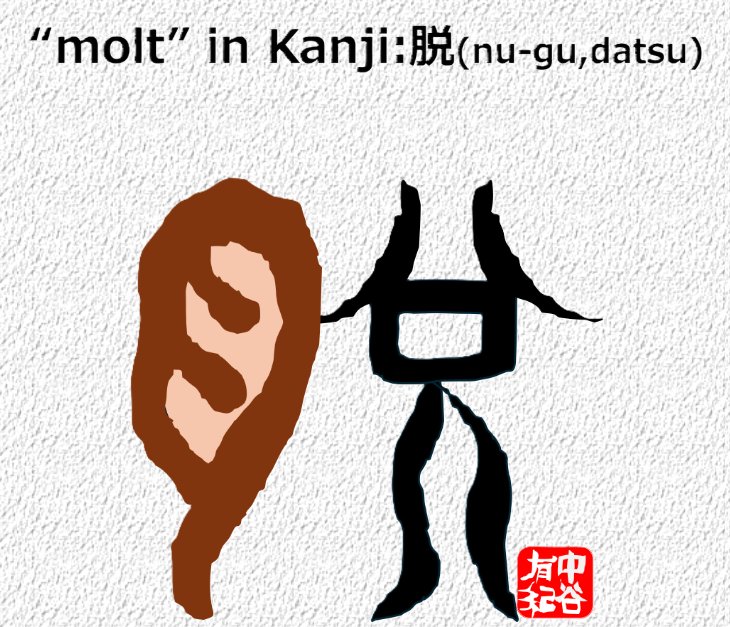
This kanji consists of two parts. On the left is the “body” radical, and on the right is a component depicting a person sloughing off or removing their clothing. Together, this kanji means “to shed,” “to molt,” or “to exit” from within.
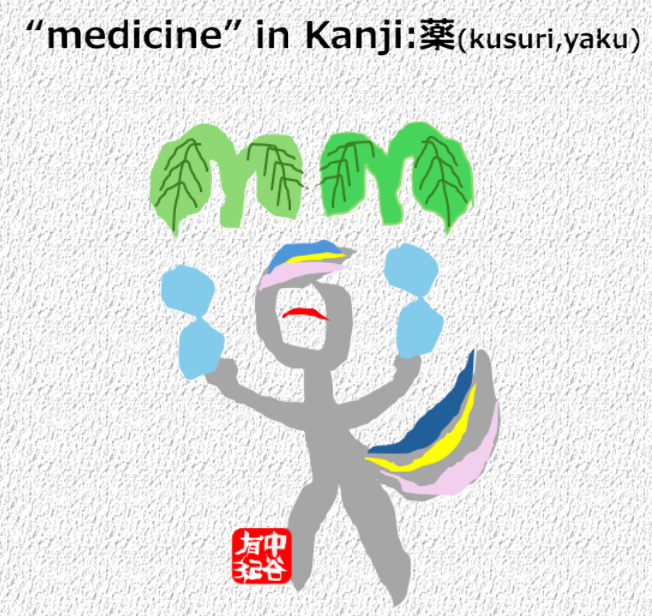

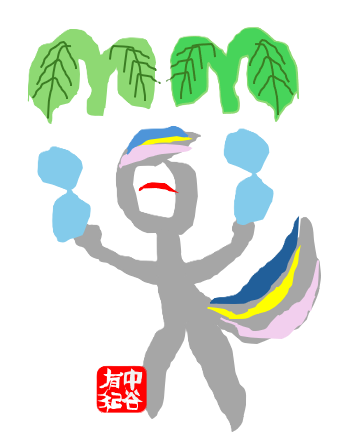
As you can see, this kanji consists of two parts: the ‘grass’ (leaf) radical on top, and a component below representing a man dancing with joy. Therefore, this kanji means ‘medicine’—something made from plants that brings happiness and relief to people.
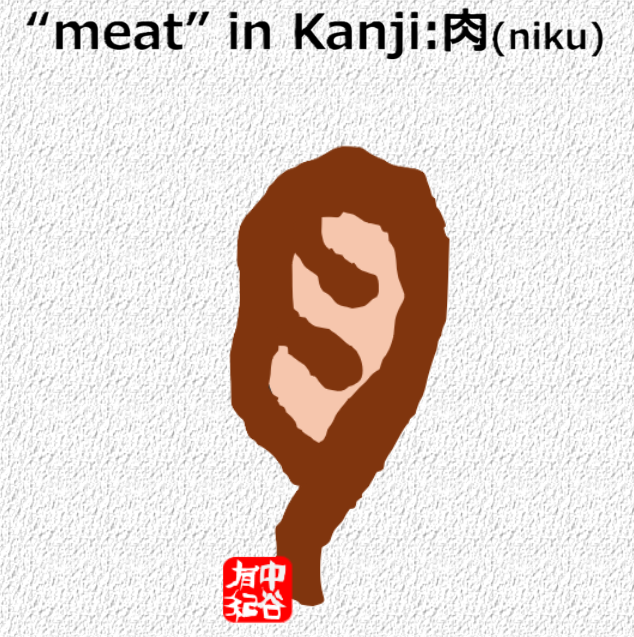

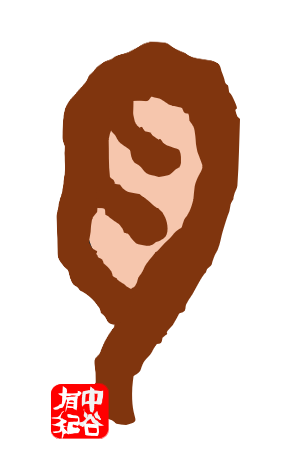
This kanji simply depicts a slice of meat. So, as you can see, it means ‘meat.’
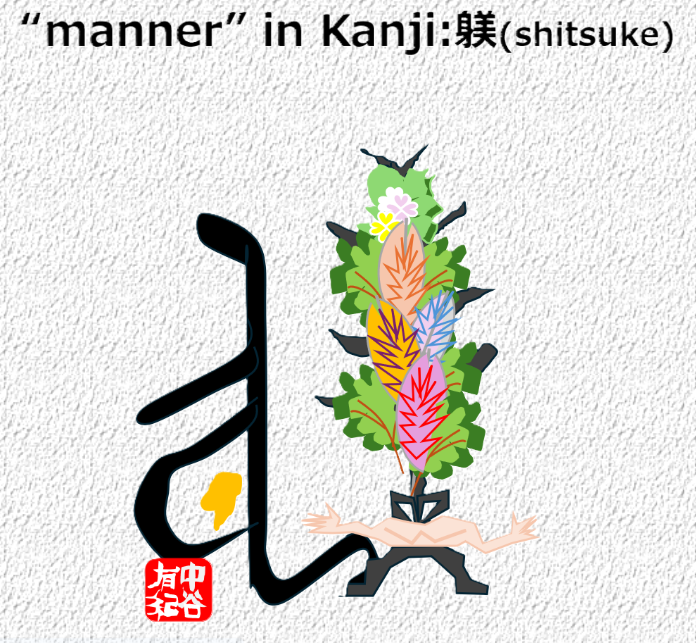

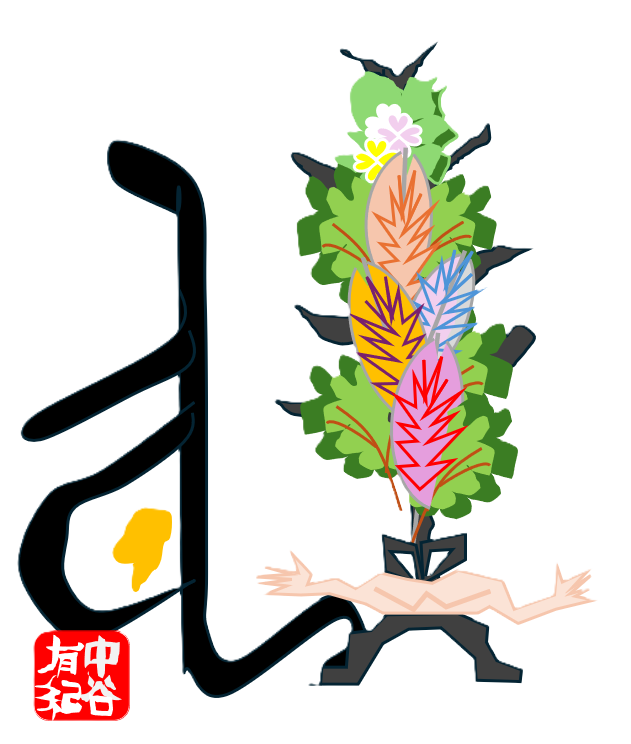
This kanji is made up of two components. The left side means “body” (originally depicting a pregnant woman), and the right side means “beautiful” (showing a person dancing with flowers and feathers). Therefore, this kanji represents “manners,” carrying the meaning of training yourself to behave beautifully and elegantly from childhood.
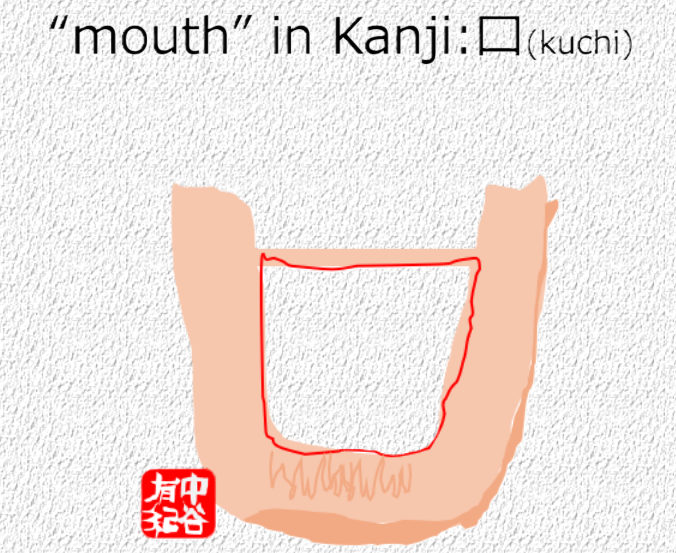

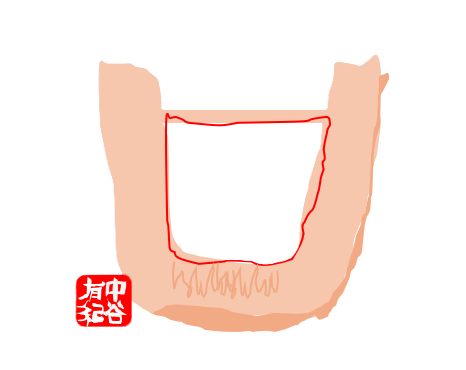
As you can see, this kanji simply depicts the shape of a human mouth.
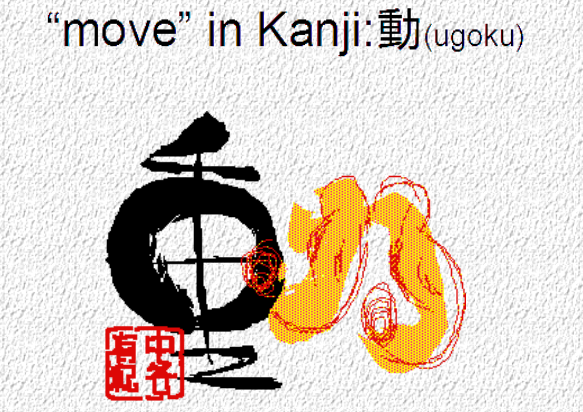
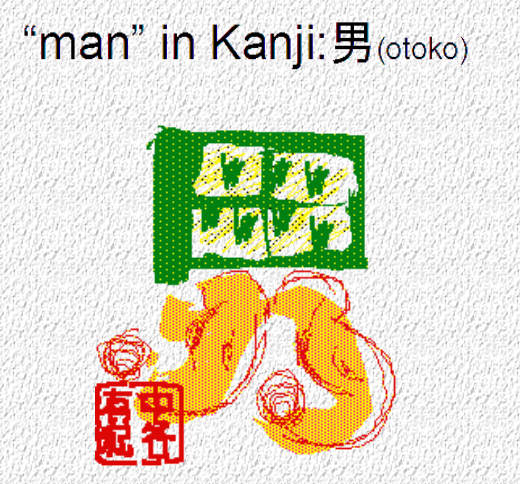

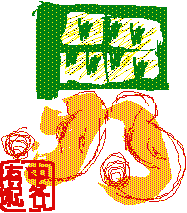
On the upper part of this figure, you can see a farm, and below it is the symbol for ‘power.’ Therefore, this character means ‘man’—traditionally representing someone who possesses the strength to work in the fields.
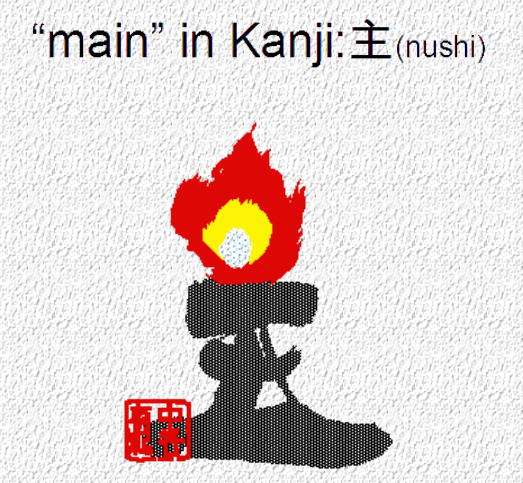

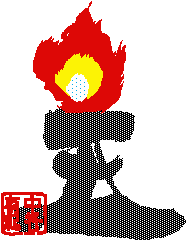
This character portrays a candle with a burning flame. In this context, the fire symbolizes a ‘center’ or ‘main source’ that brightens everything around it. Therefore, this character means something that acts as a core or central figure that people put their faith in.
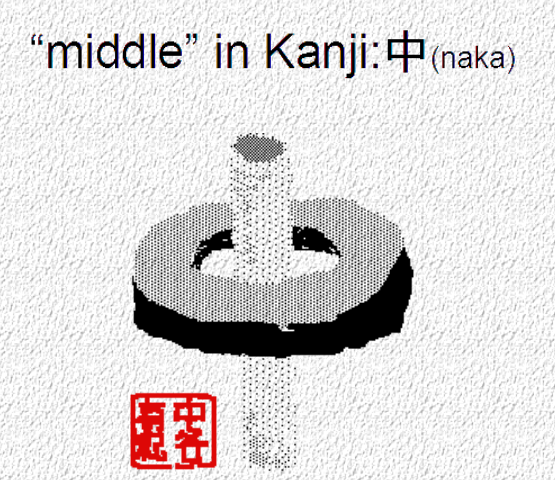

Just as it looks, this character carries the meaning ‘middle’.