This kanji consists of a person on the left and the ‘dog’ radical on the right. It depicts a dog lying faithfully at its master’s side. Therefore, this kanji came to mean ‘to lie down’ or ‘to bow.’
The short story of Kanji pictures

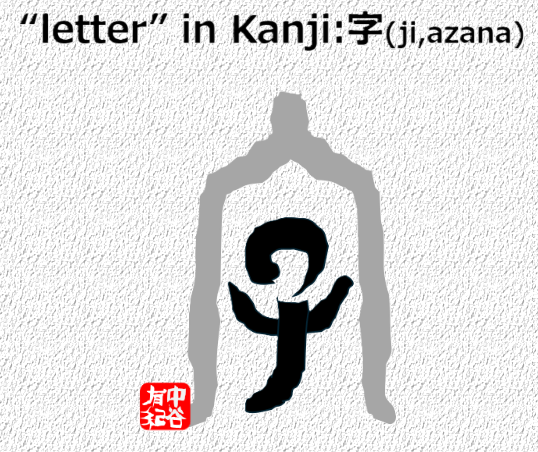

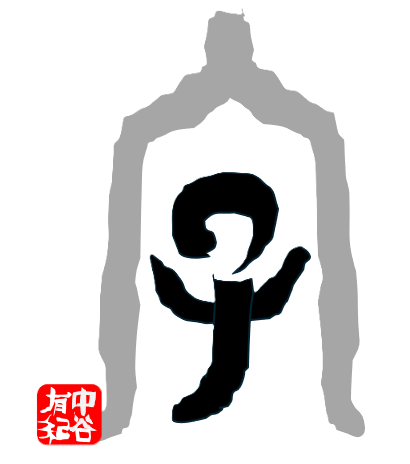
This kanji depicts a baby inside a house under a roof. Originally, it meant ‘to raise or nurture a child.’ By extension, it came to mean the name given to a child, and eventually came to refer to written characters or ‘letters’ as we know them today.
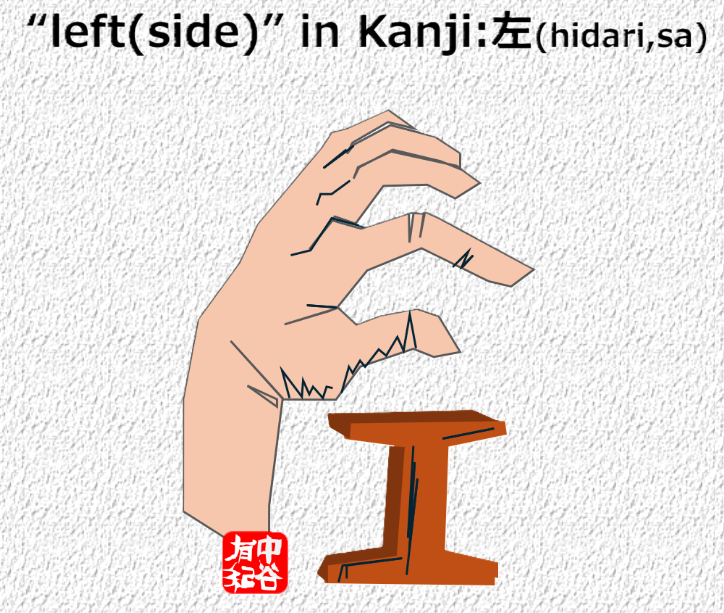

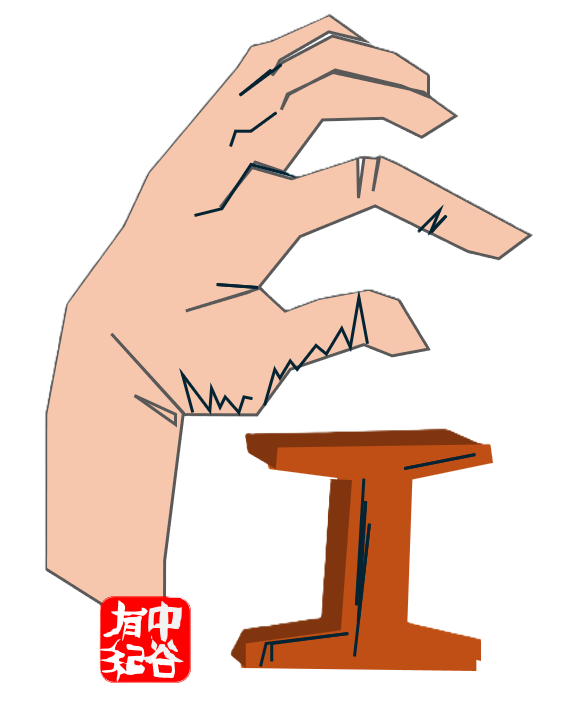
This kanji depicts a left hand holding a tool. Ancient people recognized that the left hand was much better than the right hand at holding objects steady or making delicate adjustments. Therefore, this kanji came to mean ‘left.’
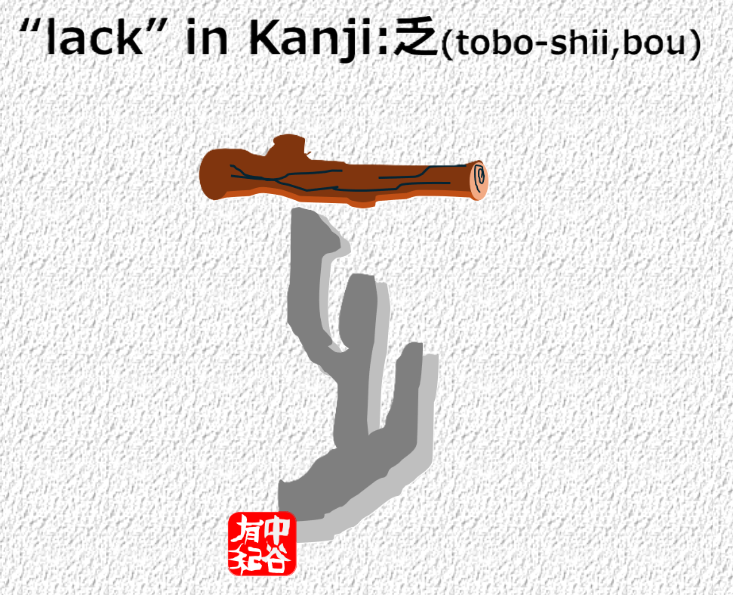
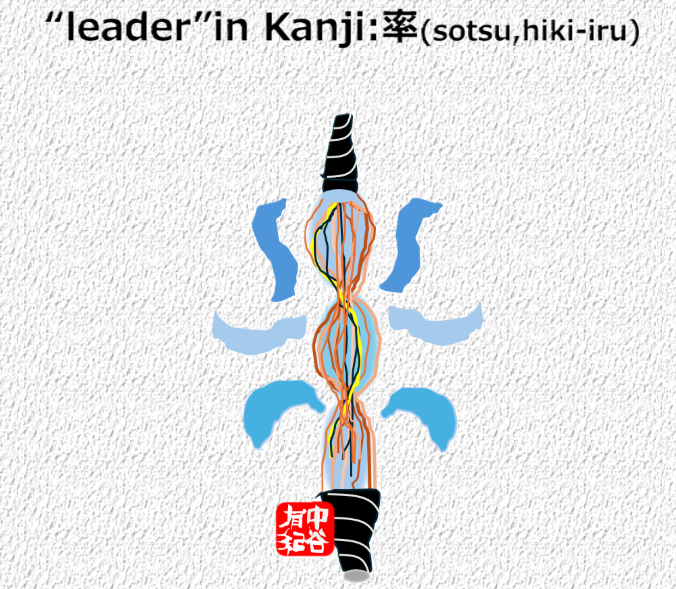

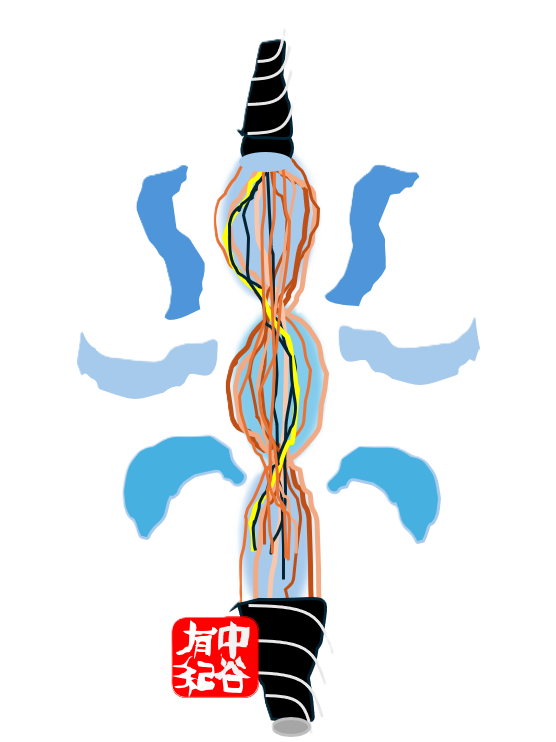
This kanji depicts wet threads being wrung out to dry. This action of squeezing and transforming things is why the kanji came to mean ‘to lead’ as a verb and ‘leader’ as a noun—someone with the great power to change a difficult situation.
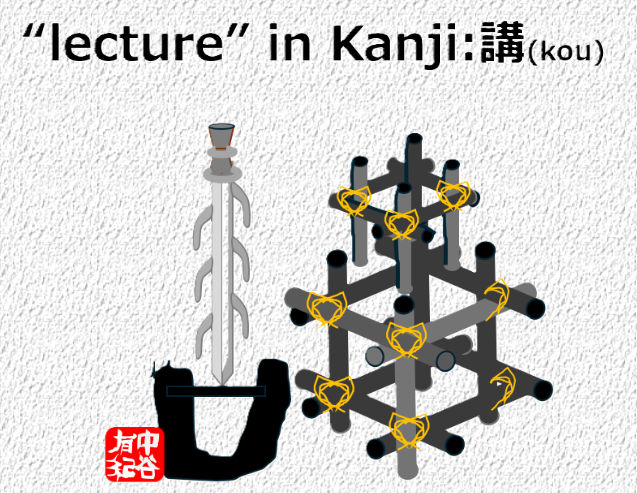

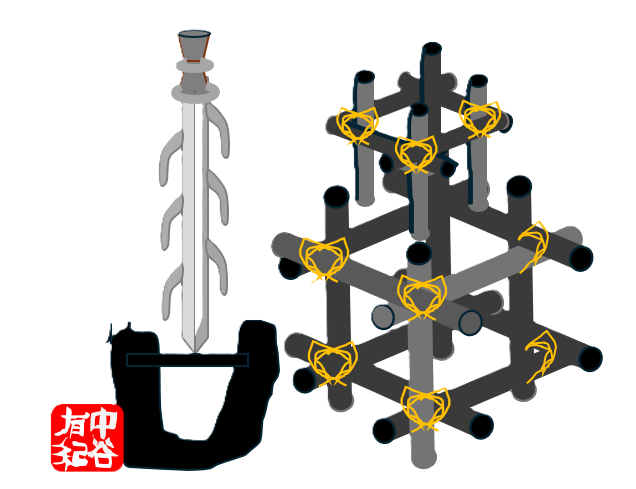
The left side of this kanji features ‘word,’ a symbol combining a sword and a mouth to represent a sacred promise to God. The right side represents a structured framework. Therefore, this kanji means ‘lecture’—speaking in detail using well-structured words.
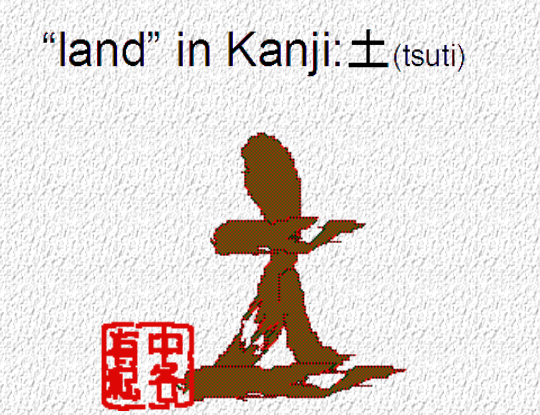
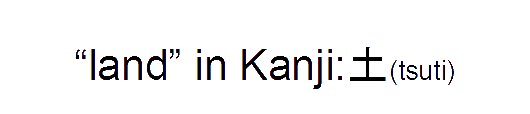
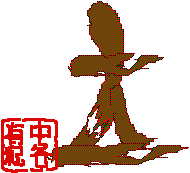
Ancient people believed that all living things were born from the land. Deeply revering this source of life, they mounded the earth high and prayed for longevity. This figure directly symbolizes that sacred, mounded earth, meaning ‘land’.
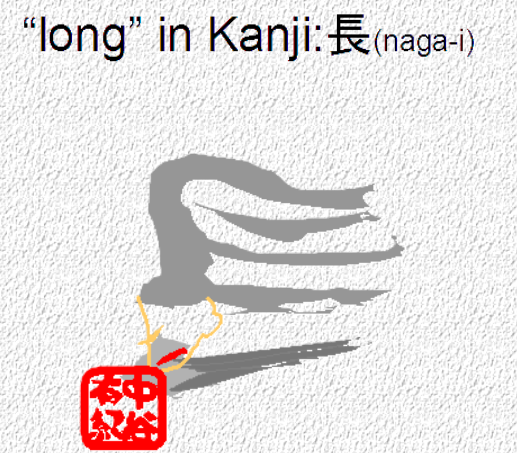
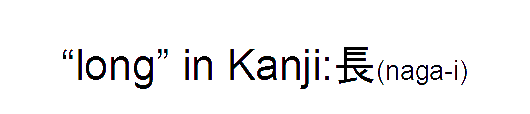
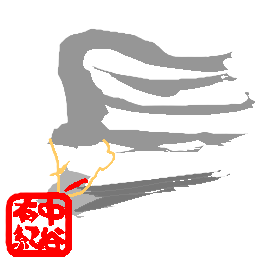
This character depicts an elderly man with long hair. Therefore, it carries the meaning ‘long’.
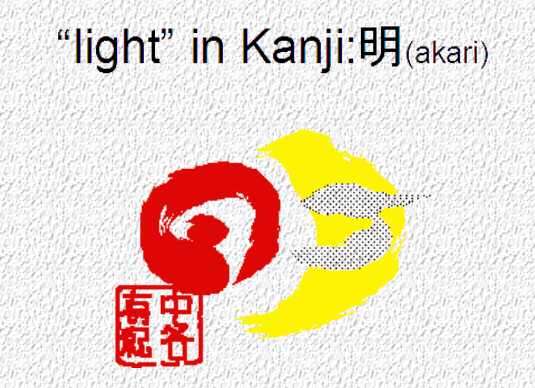
Yes, this character combines the sun and the moon. It simply means ‘brightness’ in the sky.