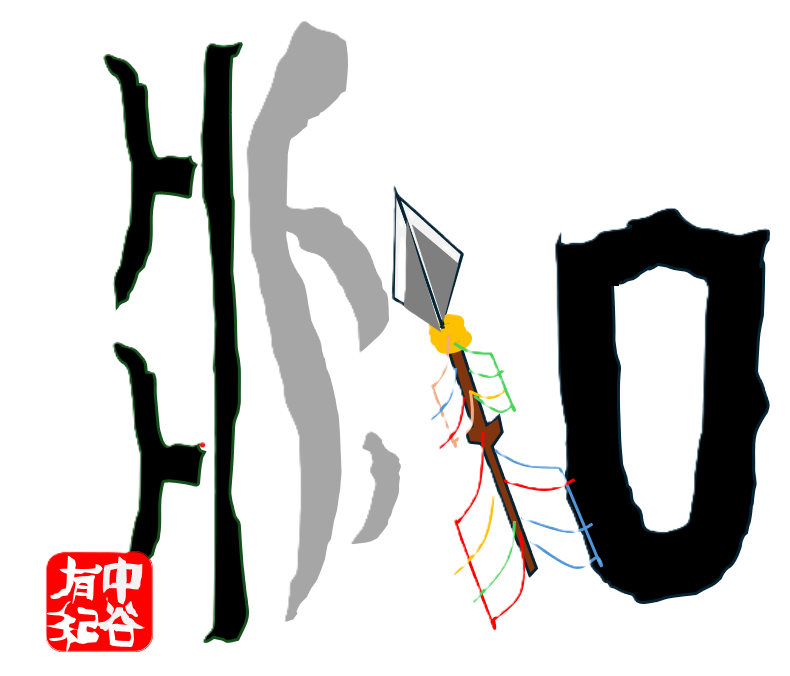
This kanji shows a square flag waving in the wind. Among the different kanji for “flag,” this one specifically means a square war banner used to rally soldiers.
The short story of Kanji pictures
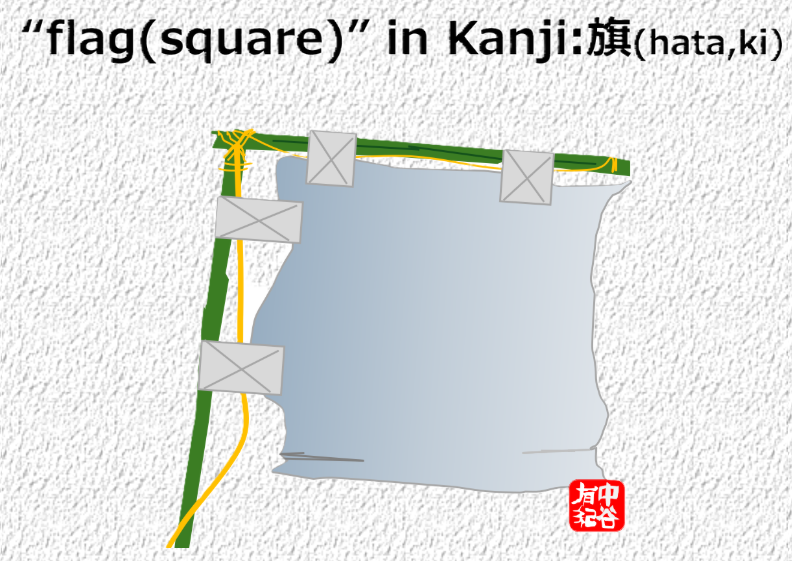
This kanji shows a square flag waving in the wind. Among the different kanji for “flag,” this one specifically means a square war banner used to rally soldiers.
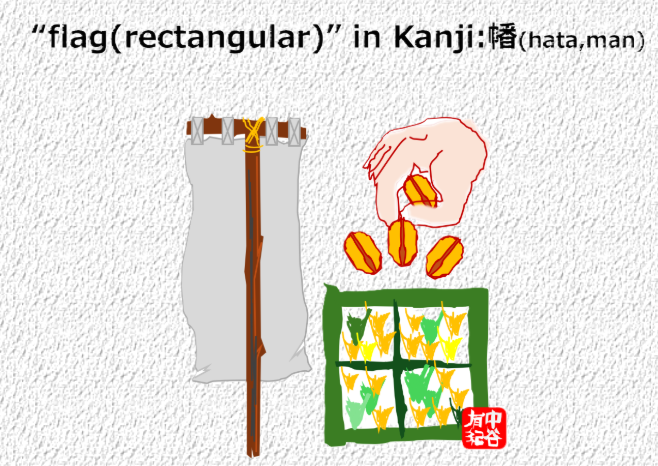

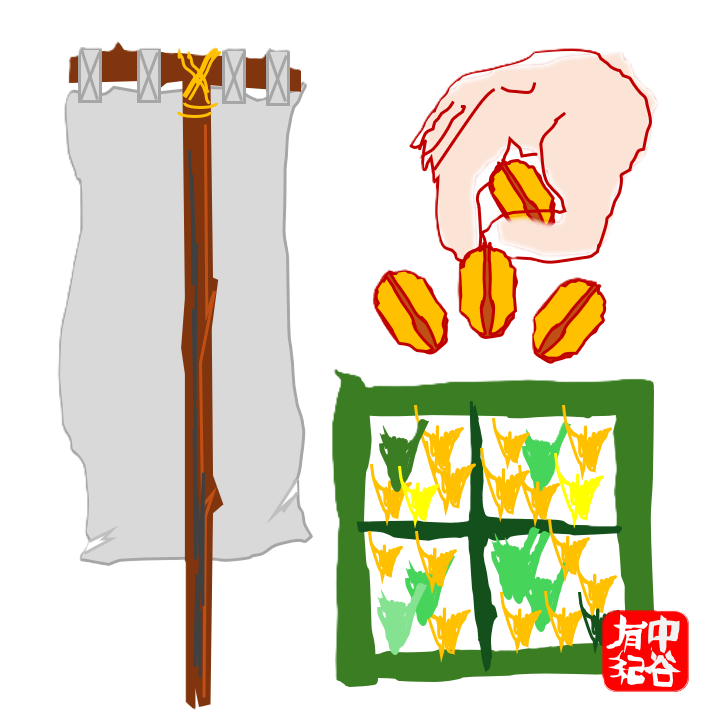
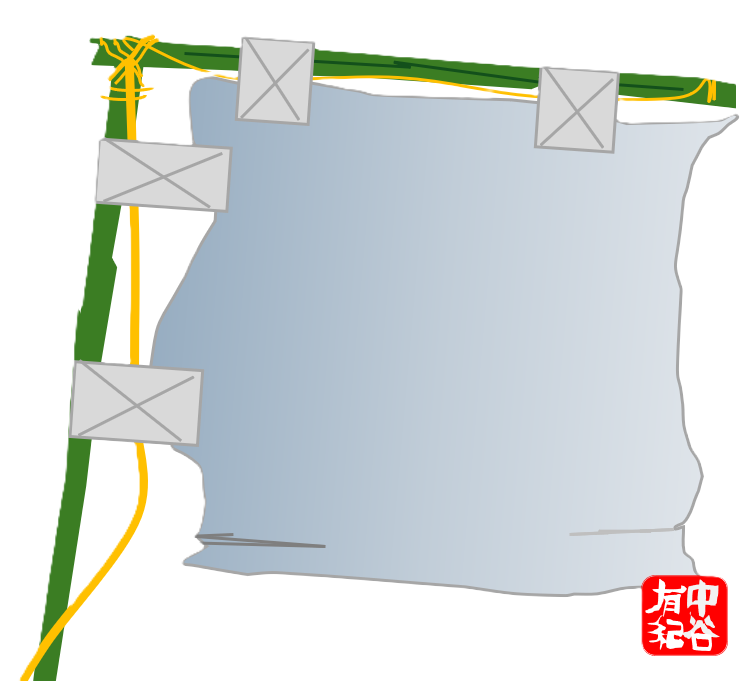
This kanji originally depicted a rectangular flag fluttering in the wind, resembling seeds being sown in a rice paddy. While several kanji represent flags, this specific one was used for rectangular banners in Buddhist ceremonies.
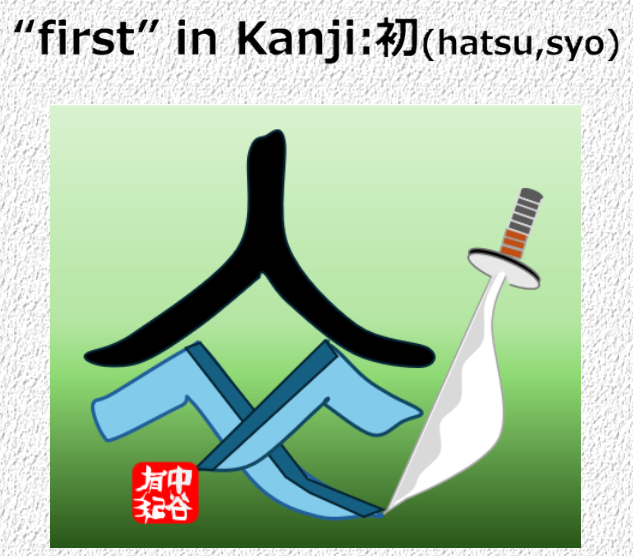

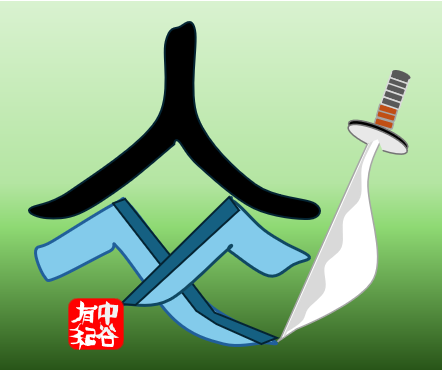
This kanji consists of two parts: the clothing radical on the left, which depicts a person wearing a kimono, and the knife radical on the right.
Together, these components form the kanji meaning “first” or “at first,” originally referring to cutting fabric to make clothes.
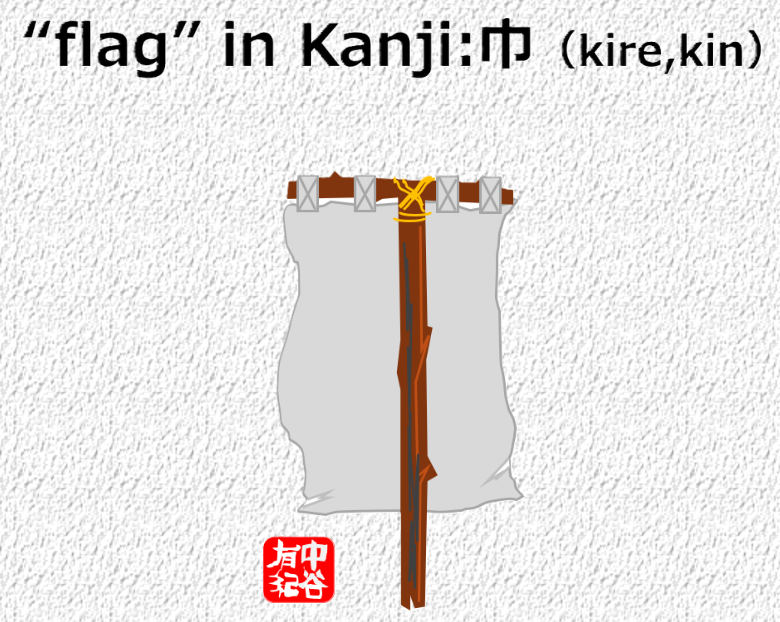

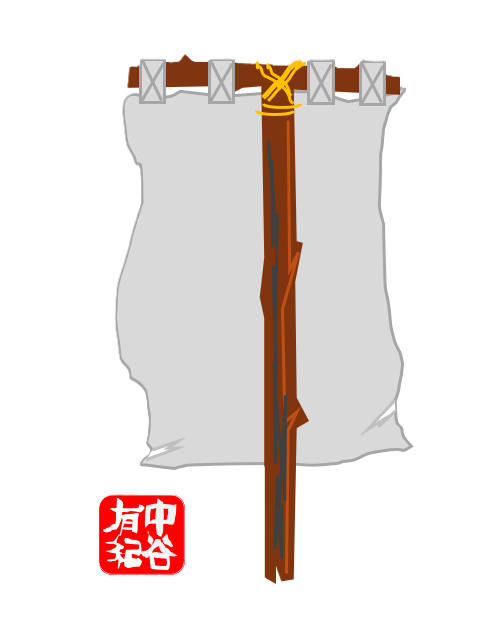
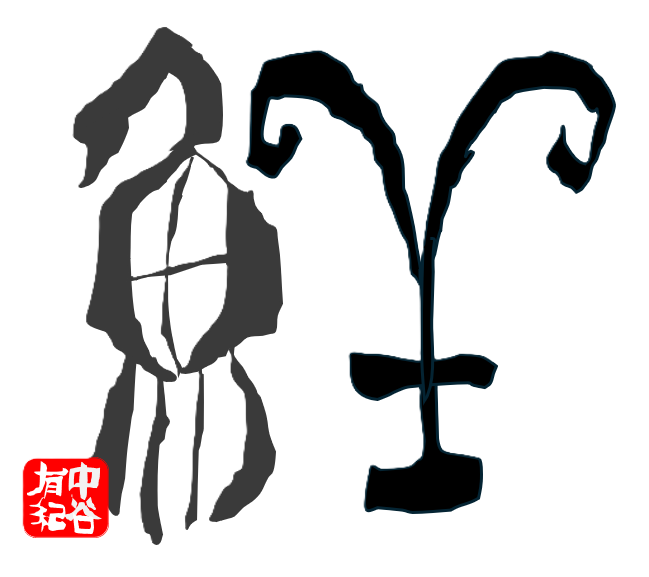
This kanji simply depicts a flag attached to a tall pole. As you can see, it originally refers to a “flag” or “banner“,”clothe”.
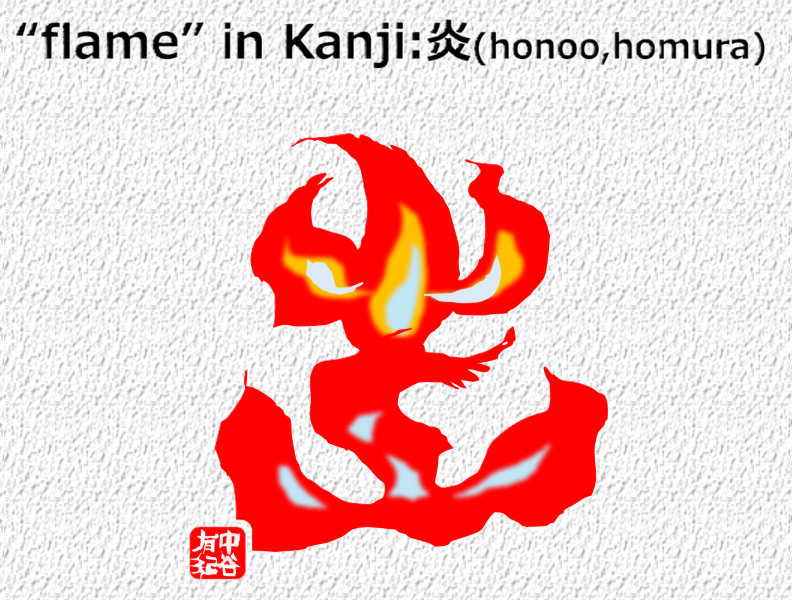

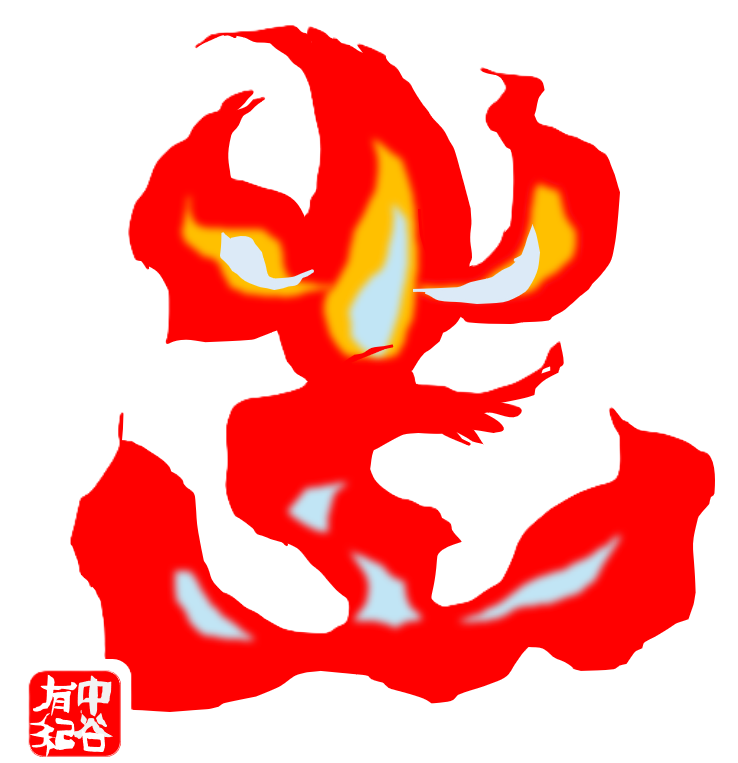
This kanji depicts a fire burning strongly, with one “fire” radical stacked on top of another. As you can imagine, this kanji means “flame.”
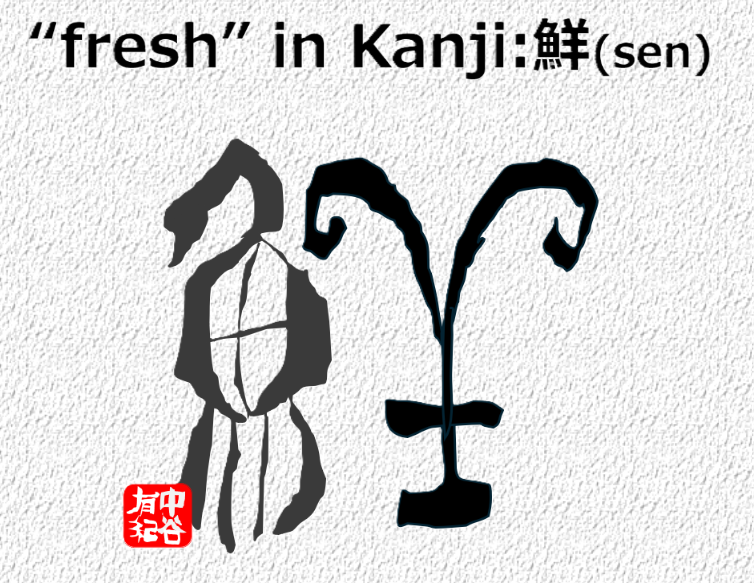
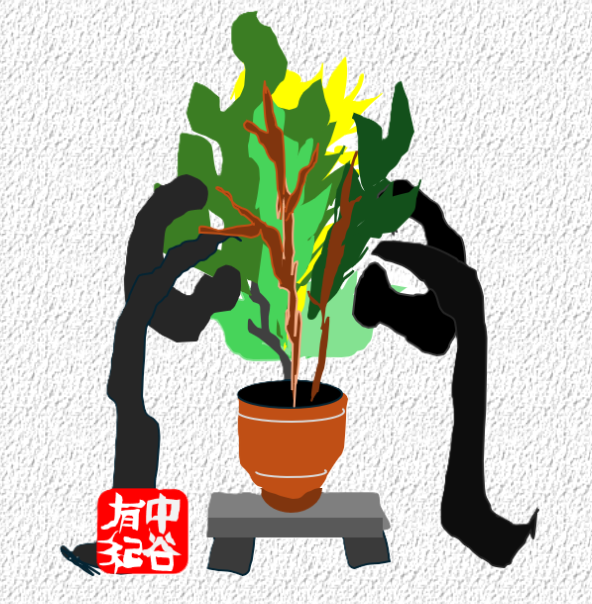

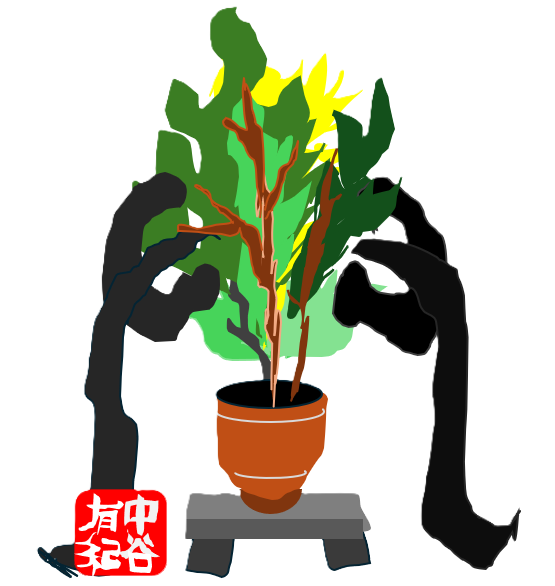
This kanji represents the act of people lifting up something invisible—like life, enthusiasm, or a dream—with their hands. Therefore, it carries the meaning of ‘founding’ or ‘creating’ something intangible through collective human effort.
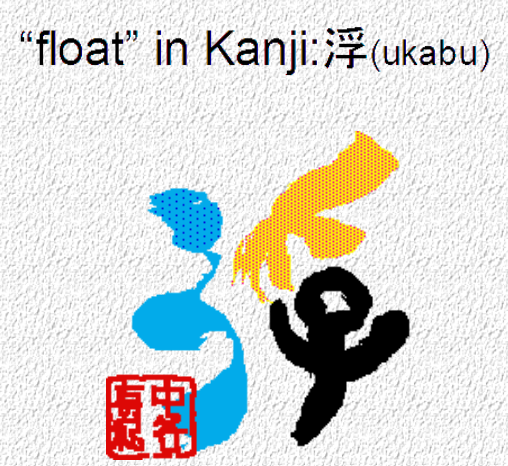

On the right side of this character, you can see a hand gently cradling a baby, while the left side shows splashes of water. This beautifully suggests that the fluid motion of holding a baby close resembles the graceful stroke of a swimming hand. Therefore, this character captures that very essence to mean ‘float’.
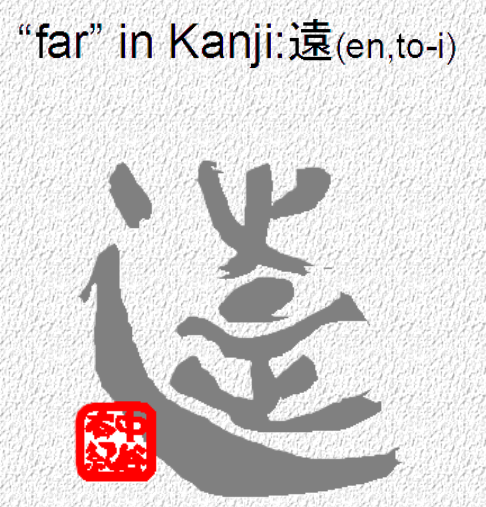
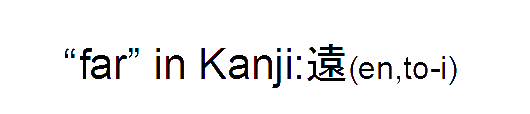
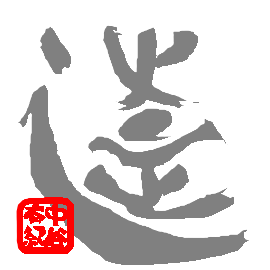
This character symbolizes the scene of a person walking slowly over a vast, long distance. Therefore, it perfectly captures the exact meaning of ‘far’.