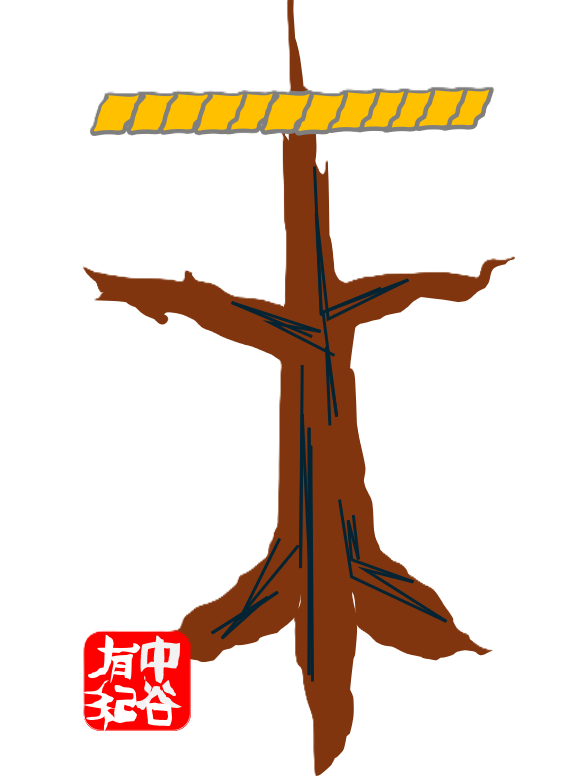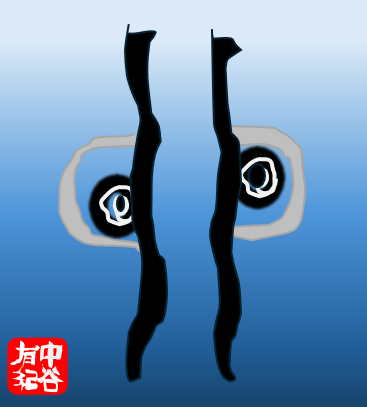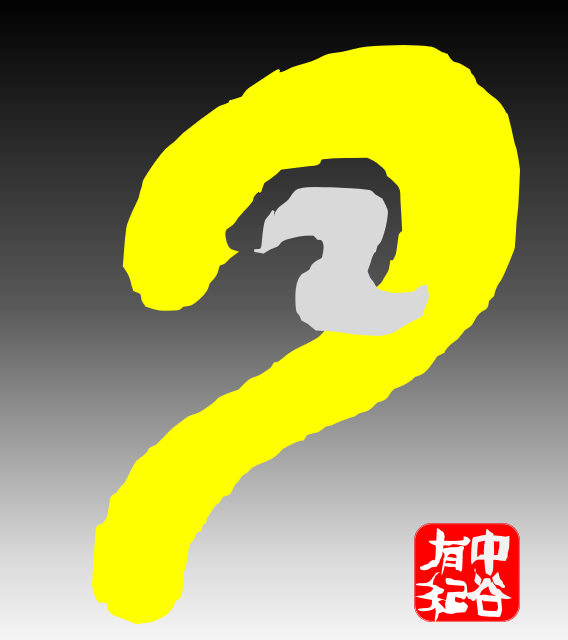
This kanji illustrates the moon rising into the sky just before night. Because of this, it represents ‘evening’ or ‘dusk.’
Words & Phrases
- 夕日(yu-hi):sunset
- 夕方(yu-gata):the time when the sun goes down
- 夕食(yushokul):dinner
The short story of Kanji pictures
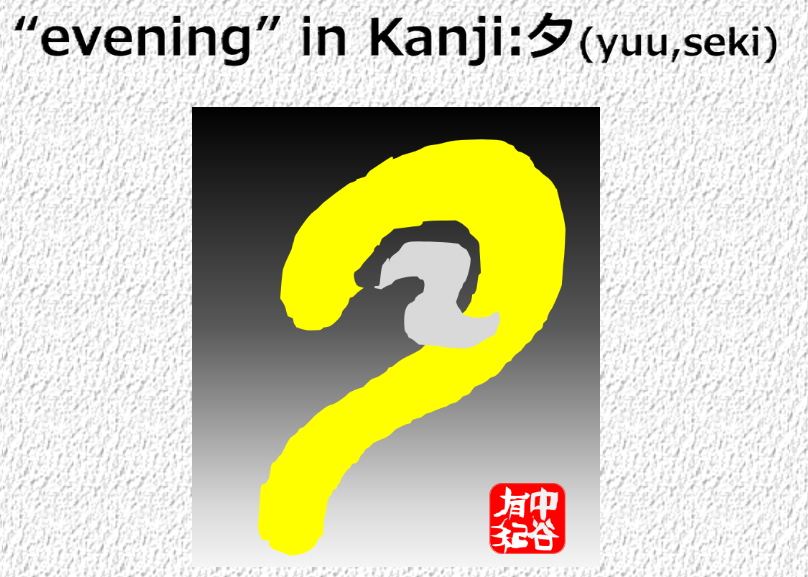
This kanji illustrates the moon rising into the sky just before night. Because of this, it represents ‘evening’ or ‘dusk.’
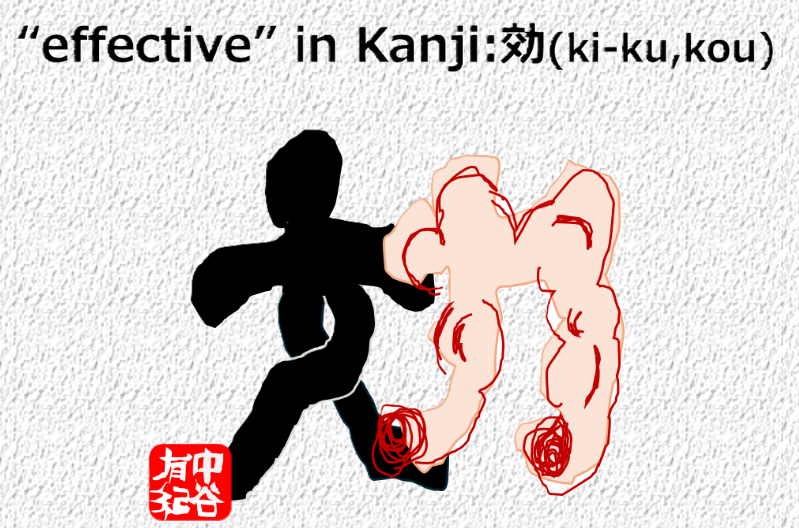

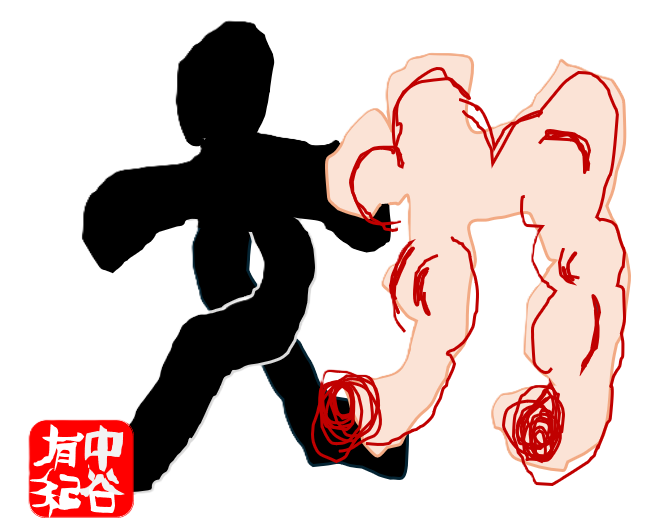
This kanji combines the element for ‘twisting or crossing’ on the left with the ‘power’ radical on the right. Together, it represents blending different strengths together to achieve great results, giving the character the meaning ‘effective’ or ‘to take effect.’
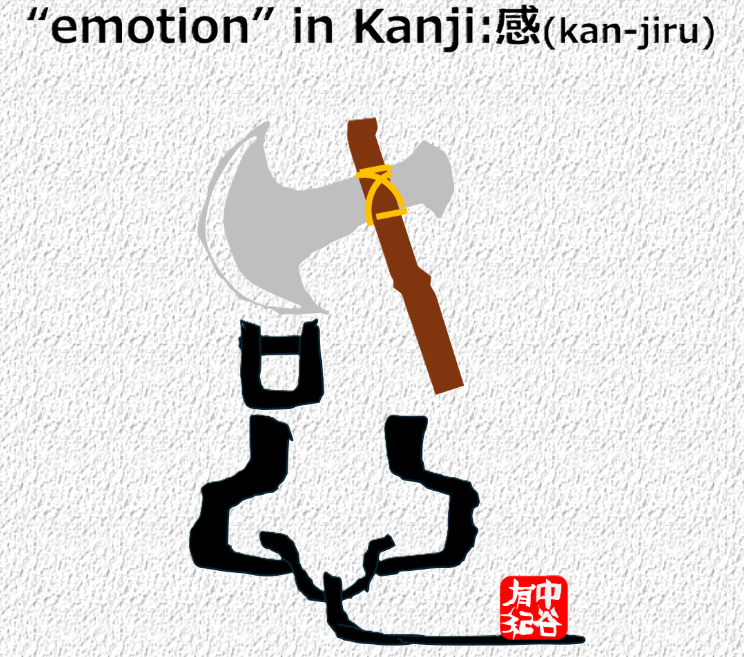

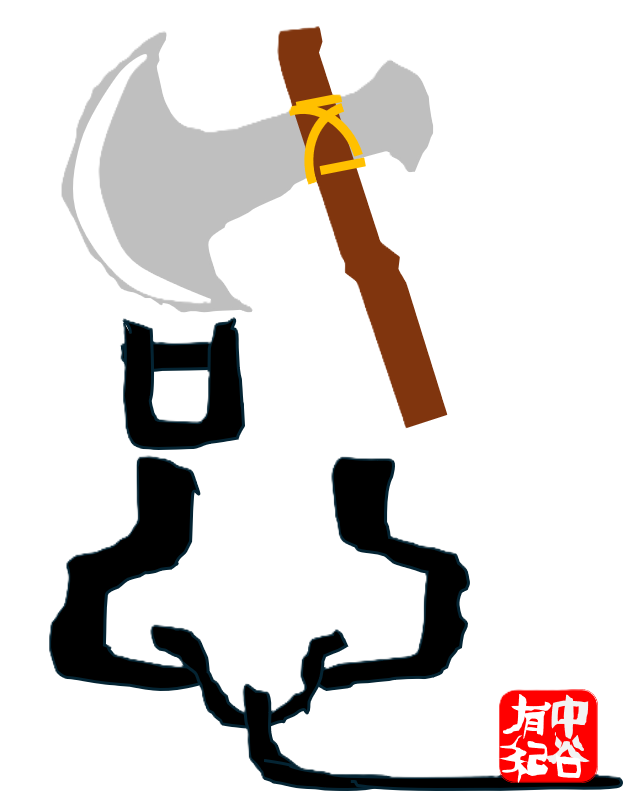
This kanji consists of three parts: a spear radical on top, a mouth radical in the middle, and a heart radical at the bottom. Combined, it depicts a heart beating fast and a mouth crying out when facing a large spear. Because of this, the kanji came to mean emotion, or feeling deeply before thinking.
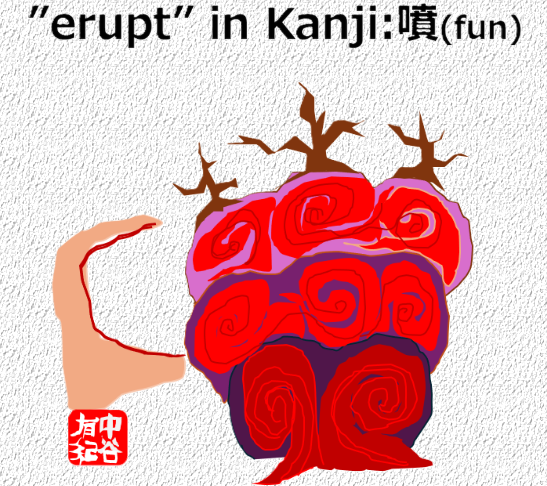

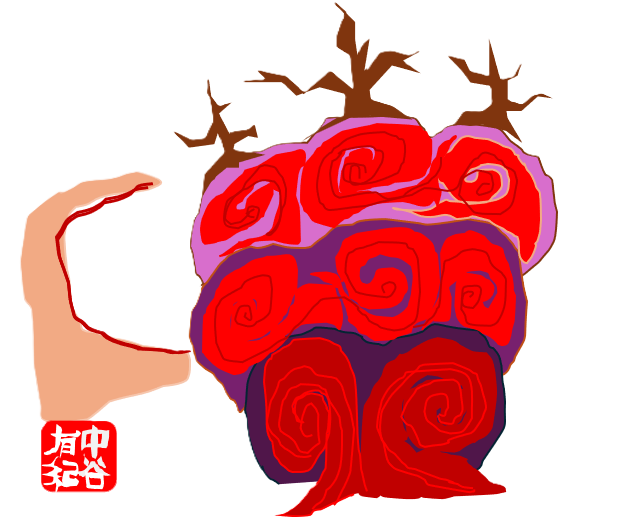
This kanji consists of two parts. On the left is the “mouth” radical, and on the right is a component showing something rising up from within, like a mountain swollen with magma. Together, it means “to erupt,” “to spray,” or “to spout.”
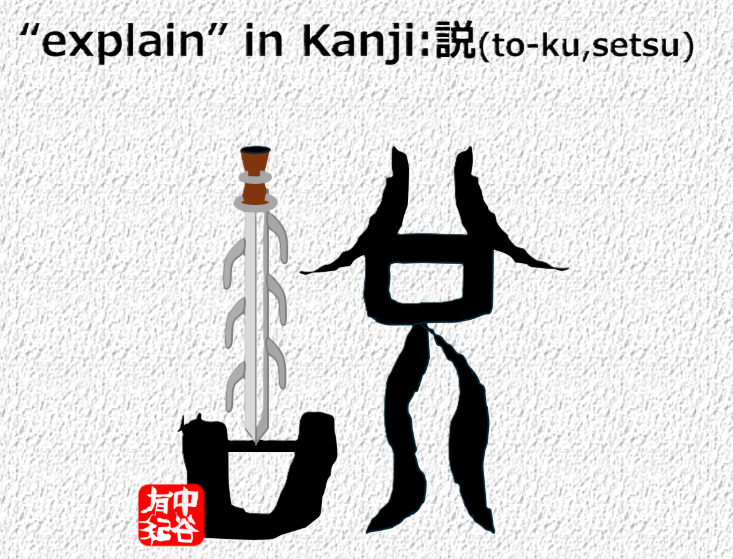

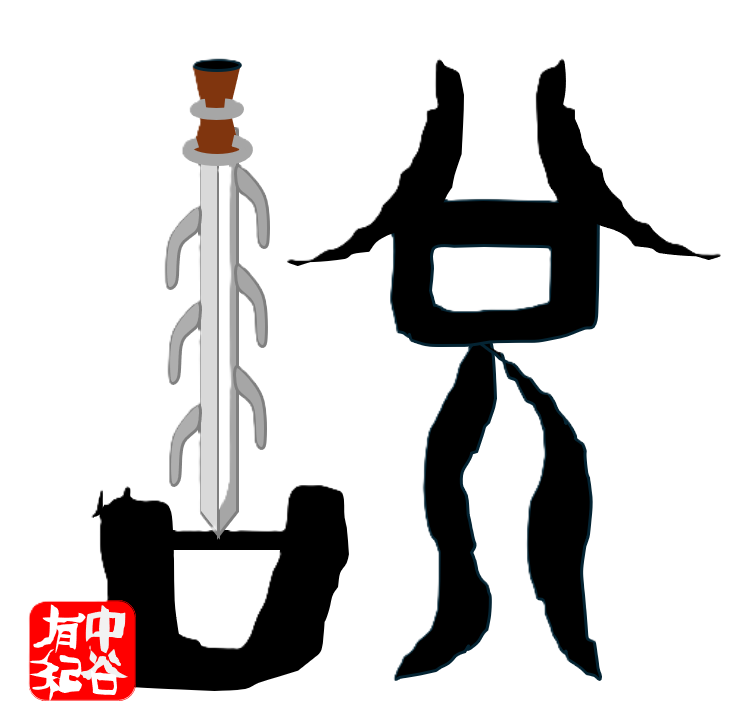
On the left side of this kanji is the “word” radical, which originally depicted a mouth and a sword, symbolizing a sacred promise made to God. On the right side is a component depicting a person removing or shedding their clothes. Together, this kanji means “to explain”—originating from the idea of untangling, melting away, or solving a problem through words.
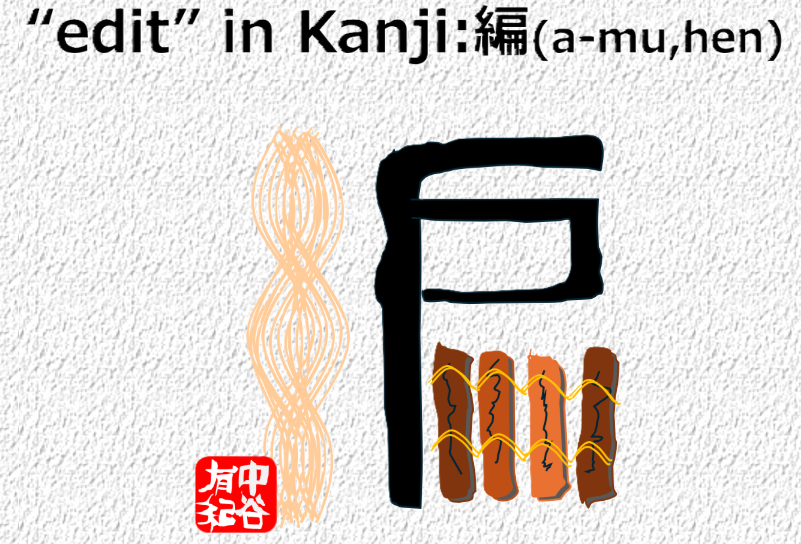

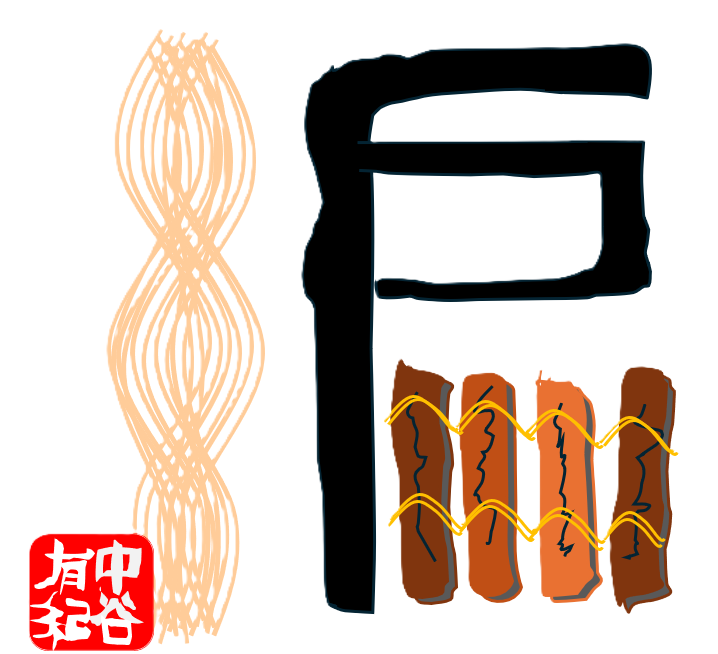
This kanji consists of two parts. On the left is the “thread” radical, and on the right is a component representing a sign or nameplate hung on a door. Together, this kanji originally depicted binding scattered wooden tablets or papers together with thread. By extension, it came to mean “to edit” or “to compile” books and documents.
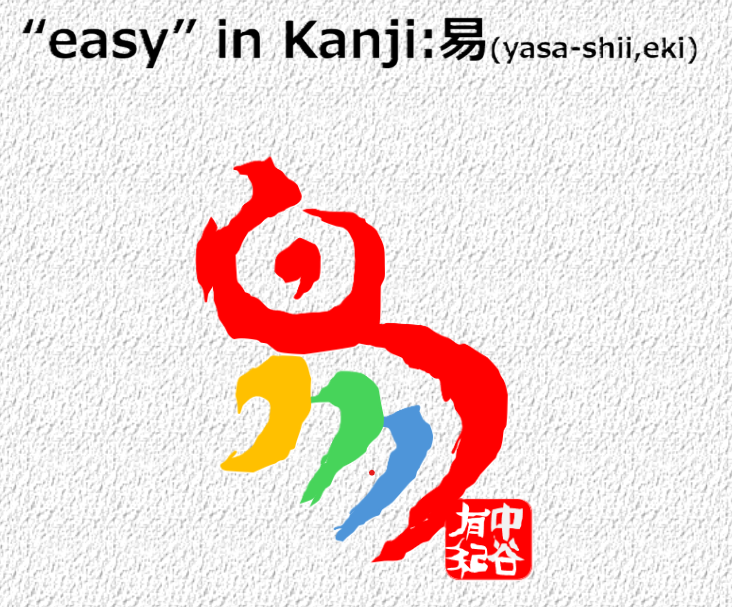

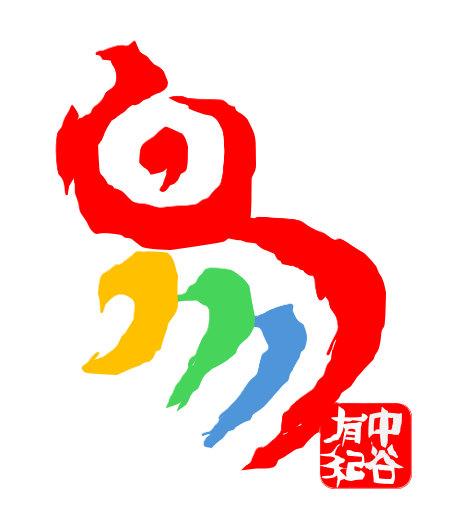
This kanji depicts the sun radiating bright light. Depending on your perspective, the light appears in various colors. Because of this, the kanji came to mean “easy to change” or “easy.”


This kanji represents food served in a covered bowl. Consequently, it carries the meanings of both ‘eat’ as a verb and ‘food’ as a noun.